
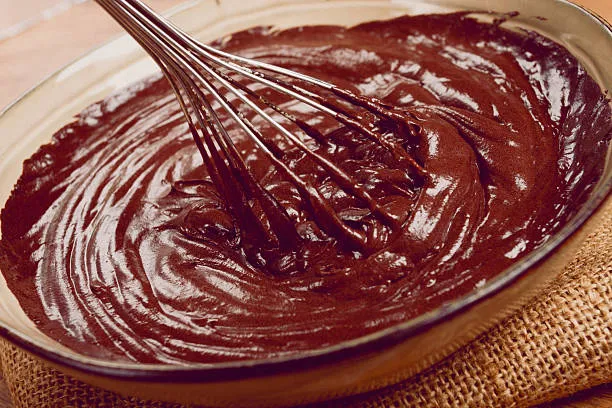
How To Make German Chocolate Frosting – Complete Guide
German chocolate frosting is a rich, decadent topping that elevates any dessert, from classic German chocolate cake to cupcakes and cookies. Learning how to make German chocolate frosting from scratch ensures a perfect balance of sweetness, texture, and depth, with its signature coconut-pecan blend. This guide provides an exhaustive, step-by-step breakdown of the process, including ingredient selection, preparation techniques, and expert troubleshooting tips to achieve bakery-quality results every time. Whether you're a home baker or a professional pastry chef, mastering how to make German chocolate frosting will add a luxurious touch to your dessert repertoire.
The History and Origins of German Chocolate Frosting
Contrary to popular belief, German chocolate frosting does not originate from Germany. The name comes from Samuel German, an American baker who developed a type of dark baking chocolate for the Baker’s Chocolate Company in 1852. The famous "German’s Chocolate Cake," featuring this frosting, gained national attention in the 1950s after a Texas homemaker submitted the recipe to a local newspaper. The frosting’s unique combination of evaporated milk, sugar, egg yolks, butter, pecans, and coconut became an instant classic. Understanding this history enriches the baking experience, connecting modern techniques with tradition.
Essential Ingredients for Authentic German Chocolate Frosting
To make German chocolate frosting that rivals professional bakeries, each ingredient must be carefully selected and measured. Below is a detailed breakdown of the components and their roles in the recipe.
Core Ingredients
- Evaporated Milk – Provides a creamy, concentrated dairy base without the excess moisture of regular milk.
- Granulated Sugar – Sweetens the frosting while helping to thicken it during cooking.
- Egg Yolks – Adds richness and acts as a natural thickener.
- Unsalted Butter – Enhances flavor and contributes to a smooth, velvety texture.
- Sweetened Shredded Coconut – Delivers the signature chewiness and tropical sweetness.
- Chopped Pecans – Introduces a nutty crunch and depth of flavor.
- Vanilla Extract – Balances the sweetness with a warm, aromatic note.
Optional Enhancements
- Dark Brown Sugar – Deepens the caramelized flavor profile.
- Pinch of Salt – Elevates the overall taste by cutting through sweetness.
- German Sweet Chocolate – Melts into the frosting for an extra layer of chocolate richness.
Step-by-Step Guide: How to Make German Chocolate Frosting
Creating this frosting requires precision and attention to detail. Follow these steps meticulously for flawless results.
Step 1: Preparing the Base
In a medium saucepan, combine evaporated milk, sugar, and egg yolks. Whisk continuously over medium heat until the mixture thickens (about 10–12 minutes). Avoid boiling to prevent curdling. The consistency should coat the back of a spoon.
Step 2: Incorporating Butter and Flavorings
Remove the saucepan from heat and stir in butter until fully melted. Add vanilla extract and a pinch of salt, blending thoroughly. If using German sweet chocolate, melt it separately and fold it into the mixture at this stage.
Step 3: Adding Coconut and Pecans
Fold in shredded coconut and chopped pecans, ensuring even distribution. Let the frosting cool to room temperature before spreading. The texture will thicken further as it cools.
Expert Tips for Perfect German Chocolate Frosting
- Toast the Pecans – Lightly toasting pecans before chopping enhances their nutty flavor.
- Use Fresh Coconut – If possible, opt for freshly grated coconut instead of pre-packaged for superior taste and texture.
- Control Thickness – If the frosting is too thin, simmer longer; if too thick, add a splash of evaporated milk.
- Chill Before Use – Refrigerate for 30 minutes for easier spreading on cakes.
Common Mistakes and How to Avoid Them
Even experienced bakers encounter challenges when learning how to make German chocolate frosting. Below are frequent pitfalls and solutions.
Grainy Texture
Cause: Undissolved sugar or overcooked egg yolks. Solution: Whisk constantly while cooking and strain the mixture if needed.
Runny Consistency
Cause: Insufficient cooking time. Solution: Simmer until the mixture reaches 170°F (77°C) for proper thickening.
Bland Flavor
Cause: Low-quality ingredients. Solution: Use premium vanilla extract and freshly toasted nuts.
Variations and Creative Adaptations
While traditional German chocolate frosting is beloved, experimenting with variations can yield exciting new flavors.
Chocolate-Infused Version
Add 2 oz of melted dark chocolate to the base mixture for a deeper cocoa profile.
Spiced Variation
Incorporate ½ tsp of cinnamon or nutmeg for a warm, aromatic twist.
Vegan Adaptation
Replace butter with coconut oil, use almond milk instead of evaporated milk, and substitute flax eggs for egg yolks.
Pairing German Chocolate Frosting with Desserts
This frosting is versatile beyond the classic cake. Consider these pairings:
- Brownies – Swirl into batter before baking or spread atop cooled brownies.
- Cookies – Sandwich between two shortbread or chocolate cookies.
- Ice Cream – Drizzle over vanilla or chocolate ice cream for an indulgent sundae.
Storage and Shelf Life
Proper storage ensures the frosting retains its quality. Refrigerate in an airtight container for up to 1 week. For longer storage, freeze for up to 3 months. Thaw overnight in the refrigerator before reheating gently on the stove.
FAQ: How to Make German Chocolate Frosting
1. Can I use regular milk instead of evaporated milk?
No, evaporated milk has a concentrated richness that regular milk cannot replicate. Substituting it will result in a thinner, less flavorful frosting.
2. How do I prevent the frosting from becoming too sweet?
Reduce the sugar by ¼ cup or balance the sweetness with a pinch of salt and a splash of lemon juice.
3. Can I make this frosting ahead of time?
Yes, prepare it up to 2 days in advance and store it refrigerated. Reheat gently before use.
4. Why did my frosting turn out lumpy?
Lumps usually form from uneven cooking or insufficient whisking. Strain the mixture through a fine-mesh sieve if needed.
5. Is there a nut-free alternative to pecans?
Replace pecans with toasted sunflower seeds or omit them entirely for a coconut-only version.
6. Can I use unsweetened coconut?
Yes, but you may need to adjust the sugar content to compensate for the lack of sweetness.
7. How can I make the frosting thicker for piping?
Chill it thoroughly or add 1-2 tbsp of powdered sugar to stiffen the consistency.
8. What’s the best way to spread the frosting on a cake?
Use an offset spatula and apply it in thin, even layers, allowing each layer to set slightly before adding more.
Mastering how to make German chocolate frosting opens up endless possibilities for dessert creativity. Whether you're preparing it for a special occasion or simply indulging in a homemade treat, this guide ensures flawless results every time. For more culinary inspiration, explore our collection of expert baking guides, or if you're planning a getaway, consider our luxury safari tours for a taste of adventure.