
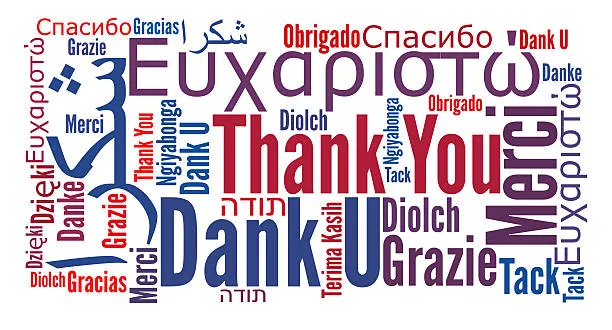
How To Thank You In German – Complete Guide
Understanding how to say "thank you" in German is more than just a linguistic exercise; it’s a gateway to connecting with German culture, building relationships, and showing genuine appreciation. Whether you're traveling to Germany, interacting with German-speaking colleagues, or simply exploring the language, mastering the nuances of expressing gratitude in German can enrich your experience. This comprehensive guide will delve into everything you need to know about how to thank you in German, including formal and informal expressions, cultural context, and practical tips for using these phrases in real-life situations.
The Basics of How to Thank You in German
The most common way to say "thank you" in German is "Danke." This simple word is versatile and can be used in almost any situation. However, German, like many languages, offers a variety of expressions to convey gratitude, each with its own level of formality and context. Below, we’ll explore the essential phrases and their appropriate usage.
Common Ways to Say Thank You in German
Here are some of the most frequently used expressions for how to thank you in German:
- Danke - The standard, informal way to say "thank you." Suitable for casual interactions with friends, family, or peers.
- Vielen Dank - Translates to "many thanks" and is slightly more formal. It’s ideal for expressing deeper gratitude in both personal and professional settings.
- Danke schön - A polite and slightly formal way to say "thank you very much." It’s often used in customer service or when showing appreciation to strangers.
- Herzlichen Dank - Means "heartfelt thanks" and is used to convey sincere gratitude. This phrase is more formal and often reserved for special occasions.
Formal vs. Informal Expressions
Understanding the difference between formal and informal expressions is crucial when learning how to thank you in German. The level of formality depends on the relationship between the speaker and the recipient, as well as the context of the situation.
- Informal: Use "Danke" or "Danke schön" with friends, family, or people of the same age group.
- Formal: Opt for "Vielen Dank" or "Herzlichen Dank" when addressing elders, superiors, or in professional settings.
Cultural Context of How to Thank You in German
German culture places a strong emphasis on politeness and respect, especially in formal interactions. Knowing how to thank you in German goes beyond memorizing phrases; it involves understanding the cultural nuances that dictate when and how to express gratitude.
When to Use Formal Expressions
In Germany, formal expressions of gratitude are expected in professional environments, when interacting with strangers, or when addressing someone older or in a position of authority. For example, if you’re on a luxury safari tour and your German-speaking guide goes above and beyond, saying "Herzlichen Dank" would be appropriate.
Non-Verbal Ways to Show Gratitude
In addition to verbal expressions, Germans often use non-verbal cues to show appreciation. A firm handshake, maintaining eye contact, or a small gift can complement your verbal thanks. For instance, if you’re visiting Tanzania and want to thank your German-speaking host, pairing "Danke schön" with a thoughtful gesture like a local souvenir can leave a lasting impression.
Practical Tips for Using Thank You Phrases in German
Here are some expert tips to help you master how to thank you in German:
- Practice Pronunciation: German pronunciation can be tricky, so take time to practice phrases like "Vielen Dank" and "Herzlichen Dank" to ensure clarity.
- Match the Tone to the Situation: Use informal expressions with peers and formal ones with superiors or strangers.
- Combine Phrases: Pair "Danke" with other polite phrases like "Bitte" (please/you’re welcome) to enhance your interactions.
Examples in Everyday Scenarios
Here’s how you can use these phrases in real-life situations:
- At a Restaurant: After a meal, say "Danke schön" to the waiter to thank them for their service.
- In a Business Meeting: Use "Vielen Dank" to thank a colleague for their presentation or input.
- While Traveling: If you’re on a Kilimanjaro climbing tour and your German-speaking guide assists you, say "Herzlichen Dank" to express heartfelt gratitude.
Advanced Expressions of Gratitude
For those looking to go beyond the basics, here are some advanced ways to say thank you in German:
- Ich bin Ihnen sehr dankbar - "I am very grateful to you." This phrase is highly formal and used in serious or professional contexts.
- Danke für Ihre Hilfe - "Thank you for your help." A polite way to acknowledge someone’s assistance.
- Ich schätze Ihre Unterstützung - "I appreciate your support." This expression conveys deep appreciation and is suitable for formal settings.
Regional Variations
German is spoken in various regions, and some areas have unique ways to express gratitude. For example, in Bavaria, you might hear "Vergelt’s Gott," a regional phrase meaning "May God reward you." While these variations are not essential for everyday use, they can add depth to your understanding of how to thank you in German.
FAQ Section
1. What is the most common way to say thank you in German?
The most common way is "Danke," which is informal and versatile.
2. How do I say thank you very much in German?
You can say "Danke schön" or "Vielen Dank," depending on the level of formality.
3. When should I use formal expressions of gratitude?
Use formal expressions like "Herzlichen Dank" in professional settings or when addressing someone older or in authority.
4. Are there regional variations for thank you in German?
Yes, regions like Bavaria have unique phrases like "Vergelt’s Gott."
5. Can I combine thank you with other polite phrases?
Absolutely! Pairing "Danke" with "Bitte" (please/you’re welcome) is a great way to enhance politeness.
6. What non-verbal cues complement saying thank you in German?
A firm handshake, maintaining eye contact, or offering a small gift can complement your verbal thanks.
7. How do I pronounce "Herzlichen Dank"?
It’s pronounced as "Hairts-lee-chen Dank," with emphasis on the first syllable of each word.
8. What is the most formal way to express gratitude in German?
The most formal expression is "Ich bin Ihnen sehr dankbar," which means "I am very grateful to you."
Conclusion
Mastering how to thank you in German is a valuable skill that enhances your interactions and shows respect for German culture. From the basic "Danke" to the formal "Herzlichen Dank," each phrase has its place and purpose. By understanding the cultural context, practicing pronunciation, and using these expressions appropriately, you’ll be well-equipped to express gratitude effectively in any situation. Whether you’re exploring the majestic landscapes of Tanzania or climbing Kilimanjaro, knowing how to thank you in German will undoubtedly enrich your travel experiences and leave a positive impression on those you meet.