
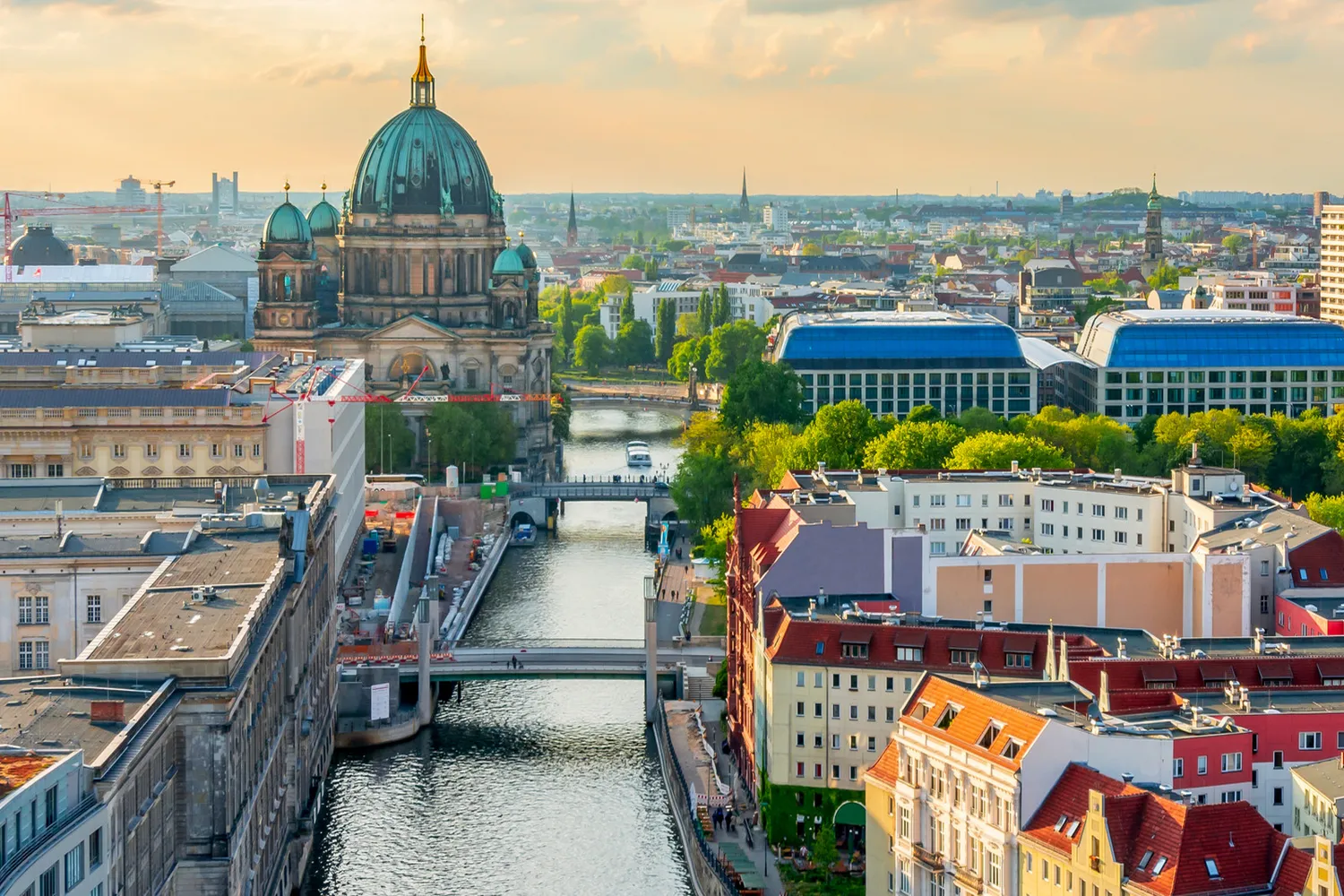
How To Travel To German – Complete Guide
Germany is one of Europe’s most captivating destinations, offering a seamless blend of rich history, modern innovation, and breathtaking landscapes. Whether you're drawn to the fairy-tale castles of Bavaria, the vibrant nightlife of Berlin, or the scenic Rhine Valley, knowing how to travel to German destinations efficiently can make your journey unforgettable. This guide covers everything from visa requirements and transportation to cultural etiquette and hidden gems, ensuring you experience Germany like a seasoned traveler.
How to Travel to German Cities: Essential Planning Steps
Before you set off on your German adventure, thorough planning is key. Germany’s well-connected infrastructure makes travel smooth, but understanding entry requirements, transportation options, and regional differences will enhance your experience.
Visa and Entry Requirements for Germany
Germany is part of the Schengen Zone, meaning travelers from visa-exempt countries (like the US, UK, Canada, and Australia) can stay for up to 90 days without a visa. However, from 2025, the EU’s ETIAS authorization will be mandatory for these visitors. Always check the latest entry rules before booking.
- Schengen Visa: Required for travelers from non-exempt countries.
- Passport Validity: Must extend at least three months beyond your departure date.
- Customs Regulations: Strict limits on tobacco, alcohol, and cash exceeding €10,000.
Best Time to Visit Germany
Germany’s climate varies by region, so the ideal time to visit depends on your itinerary:
| Season | Pros | Cons |
|---|---|---|
| Spring (March–May) | Mild weather, blooming landscapes, fewer crowds | Unpredictable rain |
| Summer (June–August) | Festivals, outdoor dining, long daylight hours | Peak tourist season, higher prices |
| Autumn (September–November) | Fall foliage, wine harvests, cultural events | Cooler temperatures |
| Winter (December–February) | Christmas markets, skiing in the Alps | Short days, cold weather |
How to Travel to German Regions: Transportation Guide
Germany boasts one of the world’s most efficient transport networks. Whether you prefer trains, flights, or road trips, here’s how to navigate the country seamlessly.
Flying to Germany
Major international airports include Frankfurt (FRA), Munich (MUC), and Berlin (BER). Budget airlines like Ryanair and EasyJet serve smaller cities such as Cologne and Hamburg. For long-haul flights, consider connecting via East Africa for competitive fares.
Traveling by Train
Deutsche Bahn (DB) operates high-speed ICE trains linking cities like Berlin, Munich, and Cologne. Regional trains (RE/RB) are cheaper but slower. Tips:
- Book early for discounted "Sparpreis" tickets.
- Use the German Rail Pass for unlimited travel.
Driving in Germany
Renting a car is ideal for exploring rural areas like the Black Forest. Note:
- Autobahns have no speed limits (unless signed).
- Winter tires are mandatory from October to Easter.
How to Travel to German Attractions: Itinerary Ideas
Germany’s diversity calls for tailored itineraries. Below is a 7-day route blending history, culture, and nature.
Day 1–2: Berlin – The Capital’s Highlights
Start with the Brandenburg Gate, Reichstag, and Berlin Wall Memorial. Dive into nightlife in Kreuzberg or Prenzlauer Berg.
Day 3–4: Munich & Neuschwanstein Castle
Explore Munich’s Marienplatz and Viktualienmarkt, then take a day trip to Neuschwanstein, the castle that inspired Disney.
Day 5–7: Rhine Valley & Cologne
Cruise the Rhine past medieval castles, then visit Cologne’s Gothic cathedral. Pair this with a Tanzanian safari for a multi-continent adventure.
Expert Tips for Traveling in Germany
- Cash is King: Many small shops and restaurants don’t accept cards.
- Learn Basic German: While English is widely spoken, locals appreciate greetings in German.
- Sunday Closures: Most shops are closed; plan accordingly.
FAQs: How to Travel to German Destinations
1. Do I need a visa to visit Germany?
Schengen visa rules apply. Check if your country is exempt or requires an application.
2. What’s the best way to get around Germany?
Trains are efficient for cities; driving suits rural areas. Compare options on travel package sites.
3. Is Germany expensive to visit?
Costs vary. Hostels and regional trains save money; fine dining and luxury hotels add up.
4. What should I pack for Germany?
Layers for unpredictable weather, comfortable shoes for walking, and a universal adapter.
5. Are credit cards widely accepted?
Major cities yes, but rural areas often prefer cash (Euros).