
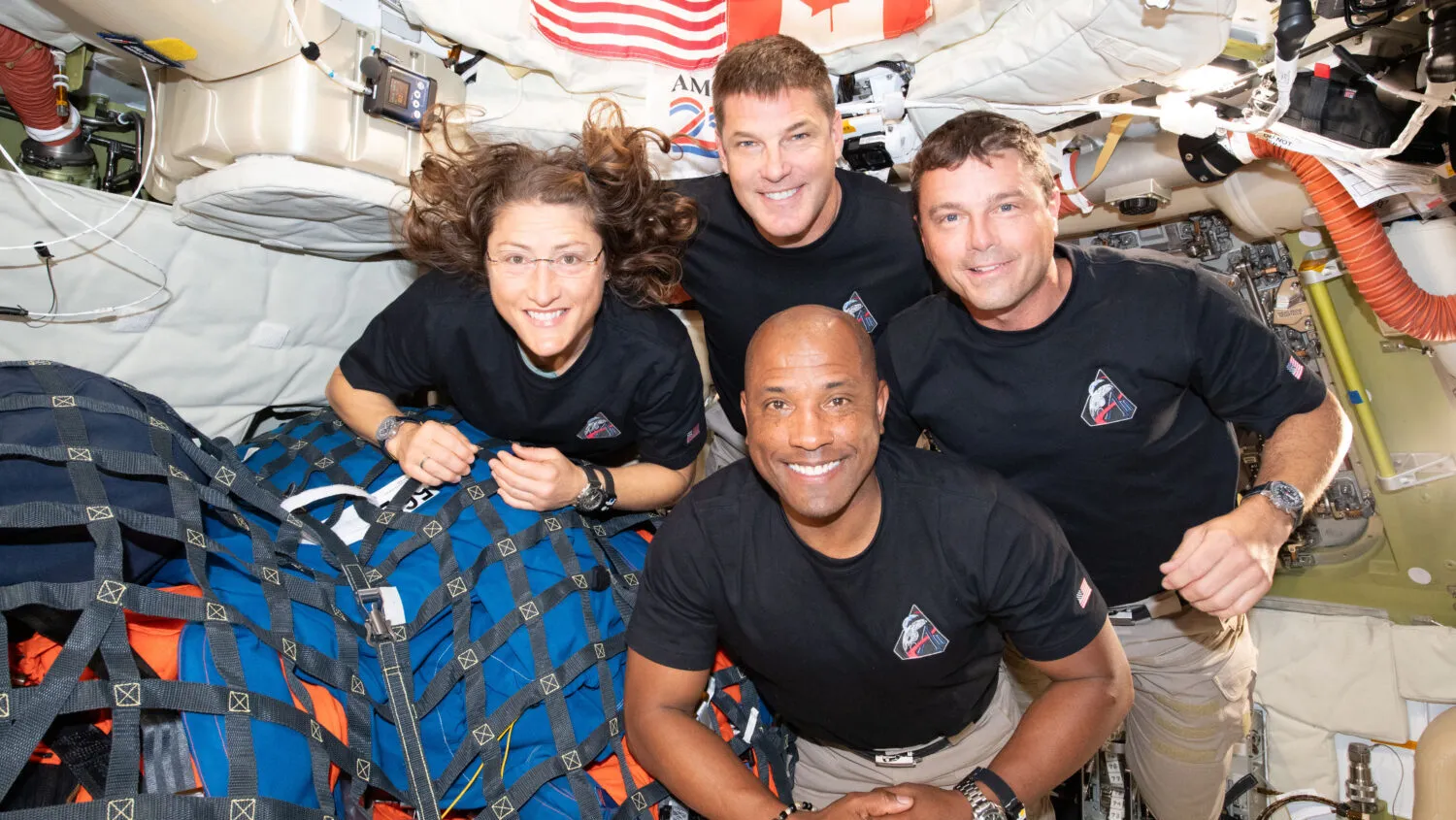
The Global Team Behind the Artemis II Mission
The Artemis II mission represents a new chapter in space exploration where international partners play prominent roles from the very beginning. Unlike earlier programs that were largely led by a single nation, this lunar flyby demonstrates how shared expertise and resources can achieve ambitious goals more effectively. From the crew composition to critical spacecraft components, the contributions of international partners in Artemis II mission ensure the flight is safer, more capable, and more inspiring for people around the world.
Canada’s Important Contribution to the Artemis II Mission
Canada stands out as a key international partner in Artemis II mission through the selection of Canadian Space Agency astronaut Jeremy Hansen. As a mission specialist, Hansen becomes the first non-American astronaut to fly on a lunar mission. This milestone reflects Canada’s long-standing partnership with NASA and its expertise in space robotics. Beyond the crew, Canada is developing the advanced Canadarm3 robotic arm that will eventually support operations on the Lunar Gateway station, continuing a proud tradition that began with the original Canadarm on the Space Shuttle.
European Space Agency and the Orion Service Module
The European Space Agency (ESA) is another major international partner in Artemis II mission. ESA designed and built the European Service Module (ESM), which powers and propels the Orion spacecraft during its journey around the Moon. This module supplies electricity through large solar arrays, provides propulsion for trajectory corrections, controls temperature, and stores essential consumables like water and oxygen. Without the ESM, the Orion spacecraft could not complete the deep-space leg of the mission. This contribution demonstrates Europe’s growing capability in human spaceflight systems.
The Artemis II Crew and International Representation
The four-person crew for Artemis II beautifully reflects international partnership. Commander Reid Wiseman and Pilot Victor Glover represent NASA, while Mission Specialist Christina Koch adds valuable experience from her record-breaking spaceflight. Joining them is Jeremy Hansen from Canada, making the crew a true symbol of global cooperation. This diverse team brings together different perspectives, skills, and backgrounds, strengthening the mission and inspiring young people worldwide to pursue careers in science and exploration.
Broader International Support for the Artemis Program
While Artemis II features direct participation from Canada and ESA, many other nations support the wider Artemis program through the Artemis Accords. These agreements establish principles for peaceful and sustainable lunar exploration. Countries such as Japan, the United Kingdom, Italy, Australia, and others contribute technology, scientific instruments, or ground support. This growing network of international partners in Artemis II mission and future flights helps share costs, accelerate innovation, and ensure that lunar exploration benefits all of humanity.
Key Contributions Table – International Partners in Artemis II Mission
| Partner | Contribution | Impact on Mission |
|---|---|---|
| Canada (CSA) | Astronaut Jeremy Hansen + future Canadarm3 | Crew diversity & robotics expertise |
| European Space Agency (ESA) | European Service Module (ESM) | Power, propulsion & life support for Orion |
| Other Artemis Accords Nations | Technology, science instruments, ground support | Broadens capabilities and shared knowledge |
Why International Collaboration Matters for Deep Space Missions
International partners in Artemis II mission bring more than hardware and crew members — they bring diverse ideas, additional funding, and political stability to long-term exploration goals. Shared responsibility reduces the burden on any single nation while increasing the chances of success. Collaboration also inspires global audiences, showing that space exploration can unite countries in peaceful pursuit of knowledge. As missions become more complex and ambitious, such partnerships will be essential for sustainable human presence on the Moon and eventual journeys to Mars.
Quantitative Overview of International Involvement
- Crew Composition: 3 NASA astronauts + 1 Canadian astronaut.
- Spacecraft Systems: European Service Module provides critical propulsion and power.
- Future Hardware: Canadarm3 will support ongoing operations at the Lunar Gateway.
- Global Participation: Over a dozen nations have signed the Artemis Accords, supporting the broader program.
Future Outlook – Expanding International Roles
The strong foundation of international partners in Artemis II mission sets the stage for even greater collaboration in upcoming flights. Later Artemis missions will include additional international astronauts on the lunar surface and more hardware contributions from partner agencies. This growing network will help establish a permanent lunar presence and create opportunities for commercial and scientific activities that benefit people on Earth. The Artemis II mission serves as an important early demonstration of how working together makes ambitious space goals achievable.
Experience Global Discovery with Jaynevy Tours
The same spirit of international cooperation seen in the Artemis II mission also makes travel more enriching. Discover new cultures and breathtaking landscapes with Jaynevy Tours in Tanzania — from thrilling Serengeti safaris and challenging Mount Kilimanjaro climbs to relaxing Zanzibar beach holidays. Let curiosity and collaboration guide your next adventure on Earth!
Frequently Asked Questions
Which countries are international partners in Artemis II mission?
The main international partners are Canada (providing astronaut Jeremy Hansen and the Canadarm3 for the Lunar Gateway) and the European Space Agency (providing the European Service Module that powers Orion). Japan and other Artemis Accords nations also contribute to the broader program.
What is the role of Canada in the Artemis II mission?
Canada’s contribution includes astronaut Jeremy Hansen, the first non-American to fly on a lunar mission. Canada is also developing the Canadarm3 robotic arm for the future Lunar Gateway station, continuing its long tradition of robotics expertise in space.
How does the European Space Agency support the Artemis II mission?
The European Space Agency built the European Service Module (ESM), which provides propulsion, power from solar arrays, thermal control, and life support consumables for the Orion spacecraft. This module is essential for the crewed lunar flyby.
Why is international collaboration important for the Artemis II mission?
International partners share costs, expertise, and technology, making ambitious deep-space missions more achievable. Collaboration also promotes peaceful use of space and inspires global audiences through diverse crew representation.
Who is the international astronaut on the Artemis II crew?
Canadian Space Agency astronaut Jeremy Hansen flies as a mission specialist alongside NASA astronauts Reid Wiseman (Commander), Victor Glover (Pilot), and Christina Koch (Mission Specialist).