The Best Katavi National Park Safari Packages with Price/Cost | 2026-2027 Local Expert's Guide to Tanzania's Wild Side

Katavi National Park safari packages for 2026–2026, offered by top-rated tour operator in Tanzania. These packages cater to various travel preferences, from budget-friendly options to luxury experiences, and often include combinations with other notable parks like Gombe and Mahale.

Katavi National Park Overview

Brief History of the park

The park is named after the Wabende spirit, katabi, who according to local legend lives in a tamarind tree near lake Katavi. Locals looking for his blessings from his spirit still leave offerings at the foot of the tree. The was gazetted in 1974 with an area of 2,253km2 followed by annexation of 2,218km 2 in 1997 making a total area of 4,471km2.

Getting to Katavi National Park

BY AIR: Private flight that land to either Mpanda airport, Sitalike airstrip or Ikulu airstrip inside the park. Also there is a public flight three times a week from Dar es Salaam

BY ROAD: From either Dar es salaam via Mbeya (1513km), Dar es salaam via Tabora (1392km) or Mwanza via Tabora-Inyonga (741km)

BY RAIL: It is also possible to reach Mpanda by Train from Dar es Salaam via Tabora then catch a public Transport to Sitalike, where a game drive can be arranged. From Mpanda to Sitalike gate is only 38kms

Climate at Katavi National Park

Katavi average temperature is 22-26°C ,24-30°C during the day and 16-18°C during the Night. the dry season is June-October and November, to may is a wet season. The best time to visit the Park is thereform from May to October.


Uniqueness of Katavi National Park - What Makes Katavi National Park Safari Unique

The beauty of a katavi safari lies in the raw authenticity of Tanzania's wild side, far removed from the trodden paths of mainstream tourism. Located in western Tanzania, this magnificent wilderness sits [over 700 kilometers] from the nearest international airports at Kilimanjaro and Dar es Salaam, offering an experience that feels like stepping back in time.

Remote location and untouched wilderness

Venturing into Katavi National Park means exploring one of Africa's last truly untouched wildernesses. This pristine park represents a throwback to the early era of safaris, where the feeling of total isolation becomes part of the experience. The unspoiled landscapes stretch across nearly 4,500 square kilometers, creating what many safari enthusiasts consider a holy grail destination. Indeed, the park's remoteness has preserved its natural character, allowing visitors to connect with nature's beauty in its most undisturbed form. As I guide travelers through these pristine landscapes, they often remark how Katavi feels like Africa must have been a century ago – wild, untamed, and gloriously authentic.

Low tourist traffic and exclusivity

In contrast to other Tanzania Safari destinations, Katavi receives fewer visitors per year than Serengeti National Park has per day. This remarkable statistic means your katavi safari tours offer an exclusivity factor that's increasingly rare in today's world. Furthermore, with only a handful of small camps operating within the park, you'll often have vast sections of this wilderness entirely to yourself. The isolation ensures that when you spot a pride of Lions or a massive buffalo herd , you won't be sharing the moment with dozens of other vehicles. This exclusivity creates a more intimate connection with the environment and wildlife.

Diverse ecosystems and landscapes

What truly sets a katavi national park safari apart is its astonishing variety of habitats. The park encompasses:

  • Vast open floodplains including the 425 square kilometer Katisunga Plain
  • Seasonal lakes and wetlands that transform with the rains
  • Miombo woodlands sheltering rare antelope species
  • The vital Katuma River and its network of tributaries

These diverse ecosystems support an incredible density of wildlife. Essentially, during the dry season (June to October), the park's biodensity rivals that of any other national park in Tanzania. For this reason, the game viewing can be as wild as you'll find anywhere – Katavi is truly a prehistoric park, a land of giants. As your safari guide, I can attest that katavi tanzania offers a genuine wilderness experience that has become increasingly rare in our modern world.


Top Safari Activities in Katavi

Beyond the animals, the landscapes of Katavi National Park are breathtaking. The park is characterized by vast savannahs, dense woodlands, and striking wetlands. Exploring Katavi offers a range of thrilling safari experiences that showcase Tanzania's untamed wilderness in its purest form. With fewer visitors, each activity becomes an exclusive adventure into nature's hidden realm.

Game drives across floodplains and woodlands

Game drives in Katavi National Park deliver extraordinary wildlife encounters across diverse landscapes. Venturing out in open 4×4 vehicles with knowledgeable guides, you'll traverse vast floodplains reminiscent of the Okavango Delta after rains. The park features interconnected flood plains of Ngolema, Katisunga, Katavi and Chada, linked by seasonal rivers. Throughout these expeditions, you'll witness magnificent herds of buffalo numbering in thousands, alongside 4,000-strong elephant herds that make their way to the Katuma riverbanks during dry months. The abundance of prey animals—including zebra, topi, impala, hartebeest, giraffe, and Defassa waterbuck—creates a "sumptuous buffet" for predators. The park's reputation for remarkable predator-prey dynamics is well-deserved. Lions strategically position themselves near diminishing water sources, while spotted hyenas and elusive leopards emerge along woodland fringes. As a result, your katavi safari delivers authentic wildlife interactions without the crowds found elsewhere.

Lake Katavi and Its Hippo Pools

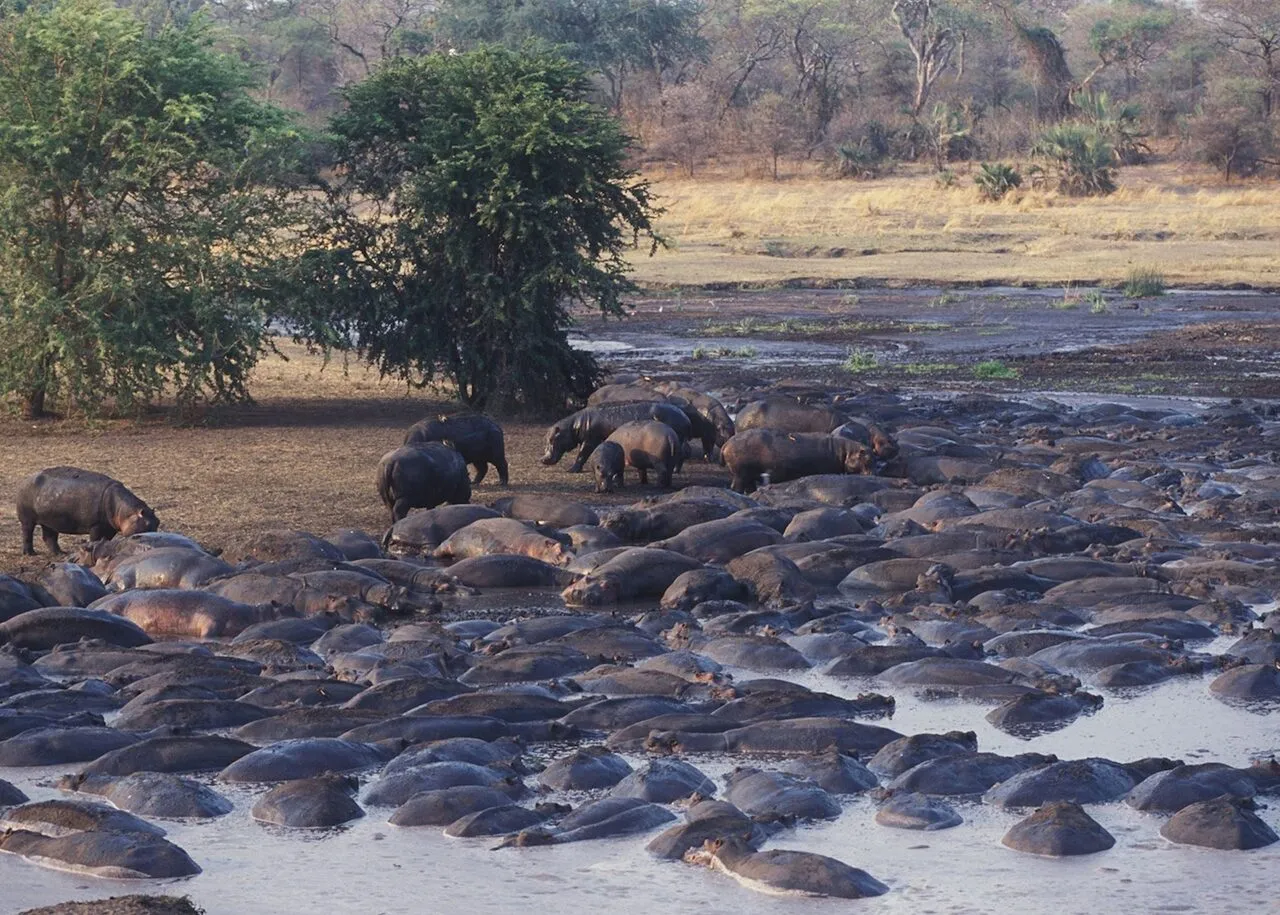
Lake Katavi, a seasonal lake and its adjacent hippo pools, offer one of the park’s most iconic scenes. During the dry season, territorial fights between male hippos are common, attracting crocodiles and birds. The lake also supports hundreds of bird species and serves as a vital resource for thirsty wildlife.

Birdwatching with over 400 species

For bird enthusiasts, Katavi represents a paradise with over 400 recorded species. The park's varied habitats—from extensive wetlands to miombo woodlands—create ideal conditions for diverse avian life. Spectacular sightings include herons, plovers, spoonbills, African openbills, and various storks including yellow-billed and saddle-billed varieties. Raptors such as fish eagles, bateleurs, and white-backed vultures patrol the skies. Additionally, migratory birds from Europe and northern Africa enhance the mix from November to April. Although bird watching remains rewarding year-round, the peak period extends from November to March when migrants arrive and resident species display breeding plumage.

Boat safaris on the Katuma River

The Katuma River is the lifeline of the park, especially during the dry season (June–October) when wildlife congregates in dramatic numbers. As water sources shrink, over 4,000 hippos, hundreds of Nile crocodiles, and buffalo herds up to 1,000 strong gather, offering some of the best wildlife spectacles in Africa. Boat safaris along the Katuma River provide a distinctly peaceful wildlife viewing perspective. As water levels recede during dry months, the river becomes a vital sanctuary for wildlife. Drifting quietly allows close observation of enormous hippo pods—sometimes numbering up to 200 individuals congregating in muddy shallows. Crocodiles bask along riverbanks, often occupying caves carved into the shores. These water-based excursions also afford excellent opportunities to spot elephants, buffalo, and various antelope species coming to drink, all while enjoying uninterrupted views perfect for photography.

Night drives for nocturnal wildlife

Night game drives unveil Katavi's secretive nocturnal world, beginning typically at 8 pm with ranger guides. Armed with powerful spotlights, these expeditions reveal wildlife behaviors rarely witnessed during daylight hours. Particularly thrilling is the opportunity to observe the park's legendary lion prides in action under darkness. Other nocturnal species include leopards, genets, bush babies, hyenas, bat-eared foxes, aardvarks, and porcupines. The nighttime safari experience adds another dimension to your katavi national park safari, completing a comprehensive exploration of this remarkable wilderness.


Best Experiences Beyond the Safari Vehicle

Beyond conventional game drives, a katavi National Park safari reveals its most intimate secrets through immersive wilderness experiences. These moments forge deeper connections with Tanzania's untamed landscapes and cultures.

Fly camping under the stars

For the adventurous traveler, fly camping offers an unparalleled night in the wilderness. Chada Camp arranges one or two-night excursions where staff set up lightweight mesh tents in remote locations within the park. After returning from an evening walk, you'll find a roaring fire and first-class dinner awaiting under a canopy of stars. The setup, though simple, includes comfortable mattresses with proper quilts and pillows, alongside hot bucket showers and long-drop toilets. In fact, sleeping in this remote setting creates a profound wilderness connection. The magic lies in being the only people for miles around, drifting off to the authentic sounds of nature. Subsequently, you'll wake to magnificent sunrises with hippos and buffalo dotting distant plains. Rest assured, armed guides maintain vigilant protection throughout your stay.

Bush breakfasts and sundowners

Day-break meals in the bush provide magical beginnings to katavi national park safari adventures. Following early morning game drives, these gourmet experiences unfold in scenic locations like riverbanks or open savannas. Freshly prepared spreads typically include fruits, pastries, eggs, and local delicacies. Meanwhile, as evening approaches, sundowners become a cherished ritual. Watch the sky transform into a canvas of vibrant colors while sipping refreshing drinks. These moments offer perfect opportunities to reflect on the day's wildlife encounters.

Cultural visits to Sukuma and Fipa communities

Connecting with indigenous tribes adds profound cultural dimensions to katavi safari packages. Visits to Sukuma and Fipa villages reveal traditional lifestyles, customs, and agricultural practices. The Sukuma, Tanzania's largest ethnic group, showcase their heritage through vibrant Bujora festivals featuring traditional music and dancing. Nearby, encounters with other communities including Tatoga and Nyakyusa tribes provide glimpses into traditional crafts like ironwork, woodcarving, and basketry. These respectful interactions foster meaningful cultural exchanges between visitors and local communities.

Photography workshops and wildlife tracking

Hone your visual storytelling skills through specialized photography workshops in Katavi's dramatic landscapes. Professional guides share techniques for capturing wildlife, unique lighting conditions, and compelling compositions. Regardless of your experience level, these sessions help create stunning visual memories of your katavi safari tanzania adventure. Equally fascinating is the art of wildlife tracking. Expert guides teach you to decipher subtle clues left by the park's inhabitants. Following tracks and interpreting signs deepens your understanding of animal behavior and survival strategies, creating a more sophisticated connection to this extraordinary wilderness.


Planning Your Katavi Safari Trip

Timing your Katavi National Park safari adventure correctly is crucial for an optimal wilderness experience. This section covers all the practical details to help you plan a successful journey to this remote paradise.

Best time to visit Katavi National Park

July through October represents the prime period for a katavi national park safari, when the dry season concentrates wildlife around dwindling water sources. During these months, you'll witness extraordinary animal gatherings at the Katuma River and witness predator action at its finest. Conversely, November through April brings lush landscapes and exceptional birding opportunities. However, be aware that many camps close during this wet season as roads become nearly impassable. If bird photography interests you, the period from November to March offers the chance to see migratory birds and breeding plumage displays.

Accommodation options: luxury to basic campsites

Katavi accommodations cater to various preferences and budgets. Chada Katavi Camp offers a luxury tented experience with exceptional guiding. For mid-range options, consider Katuma Bush Lodge or Mbali Mbali Katavi, both providing comfortable safari tents with en-suite facilities. Budget travelers can explore basic camping options, or consider fly camping—a lightweight, mobile setup in remote locations that offers a profound wilderness connection. Most camps operate primarily during the dry season, with limited options available during wet months.

Packing tips and safety guidelines

Pack strategically for your Katavi National Safari Tanzania experience:

  • Lightweight, neutral-colored clothing (khaki, beige, olive) that won't attract insects
  • Insect repellent containing DEET for tsetse flies
  • Comfortable walking shoes for safari activities
  • A wide-brimmed hat and high-SPF sunscreen
  • Binoculars for wildlife viewing (10x42 recommended

Safety-wise, Katavi is considered very secure with virtually no crime. Take antimalarial medications, use mosquito repellent, and always follow your guide's instructions during wildlife encounters.

Choosing the right Katavi National Park safari packages

Most katavi National Park safari packages operate as 3-4 night fly-in experiences. Given the substantial cost of flights (minimum USD 1,000 per person), shorter stays aren't economically practical. For an enhanced wilderness experience, consider combining Katavi with Mahale Mountains National Park in a 7-night package. This popular katavi mahale safari combination contrasts Katavi's expansive plains with Mahale's chimpanzee-filled forests. Remember that Katavi's remoteness means prices are higher than other Tanzanian destinations—but the extraordinary exclusivity and authentic wilderness experience justify the investment.


Unforgettable Katavi National Park Tour Packages FAQs

What is the best time to visit Katavi National Park?

The prime time for a Katavi safari is from July to October, during the dry season. This period offers the best wildlife viewing opportunities as animals concentrate around dwindling water sources. However, for bird enthusiasts, November to March can be excellent for observing migratory species and breeding plumage displays.

How do I get to Katavi National Park?

The most practical way to reach Katavi is by charter flights from Kilimanjaro International Airport or Julius Nyerere International Airport in Dar es Salaam. Scheduled flights operate on Mondays and Thursdays. Alternatively, you can fly to Mpanda town and drive from there, or embark on a challenging road trip from Arusha, which takes about 15-18 hours over two days.

What makes Katavi National Park unique compared to other safari destinations?

Katavi offers an exceptionally remote and untouched wilderness experience. With very low tourist traffic, visitors often have vast sections of the park to themselves. The park boasts diverse ecosystems, from open floodplains to woodlands, supporting a high concentration of wildlife, especially during the dry season. It's known for its large hippo pods, elephant herds, and impressive predator sightings.

What types of accommodation are available in Katavi?

Accommodation options in Katavi range from luxury tented camps like Chada Katavi Camp to mid-range options such as Katuma Bush Lodge and Mbali Mbali Katavi. For more adventurous travelers, basic camping and fly camping experiences are available. Most camps operate primarily during the dry season, with limited options during the wet months.

What activities can I expect on a Katavi safari?

Katavi offers a variety of safari activities including game drives across vast floodplains, walking safaris with expert guides, boat safaris on the Katuma River, and night drives for nocturnal wildlife viewing. Additionally, visitors can enjoy birdwatching, with over 400 species recorded in the park. Cultural visits to local communities and photography workshops are also available for a more immersive experience.

Message us