
What You Need to Know: Pack layers: a wicking base layer, a fleece, an insulated down or synthetic jacket and a waterproof shell, plus warm gloves, a warm hat and broken-in waterproof boots. Carry a 30-liter daypack with 3–4 liters of water, snacks, sunscreen and a headlamp; the porters carry your duffel bag, up to a light load. Tents, sleeping mats, meals, water and safety kit are provided, and a sleeping bag, down jacket, poles or gaiters can be rented in Moshi from US$5 to US$25 per item for the whole climb.
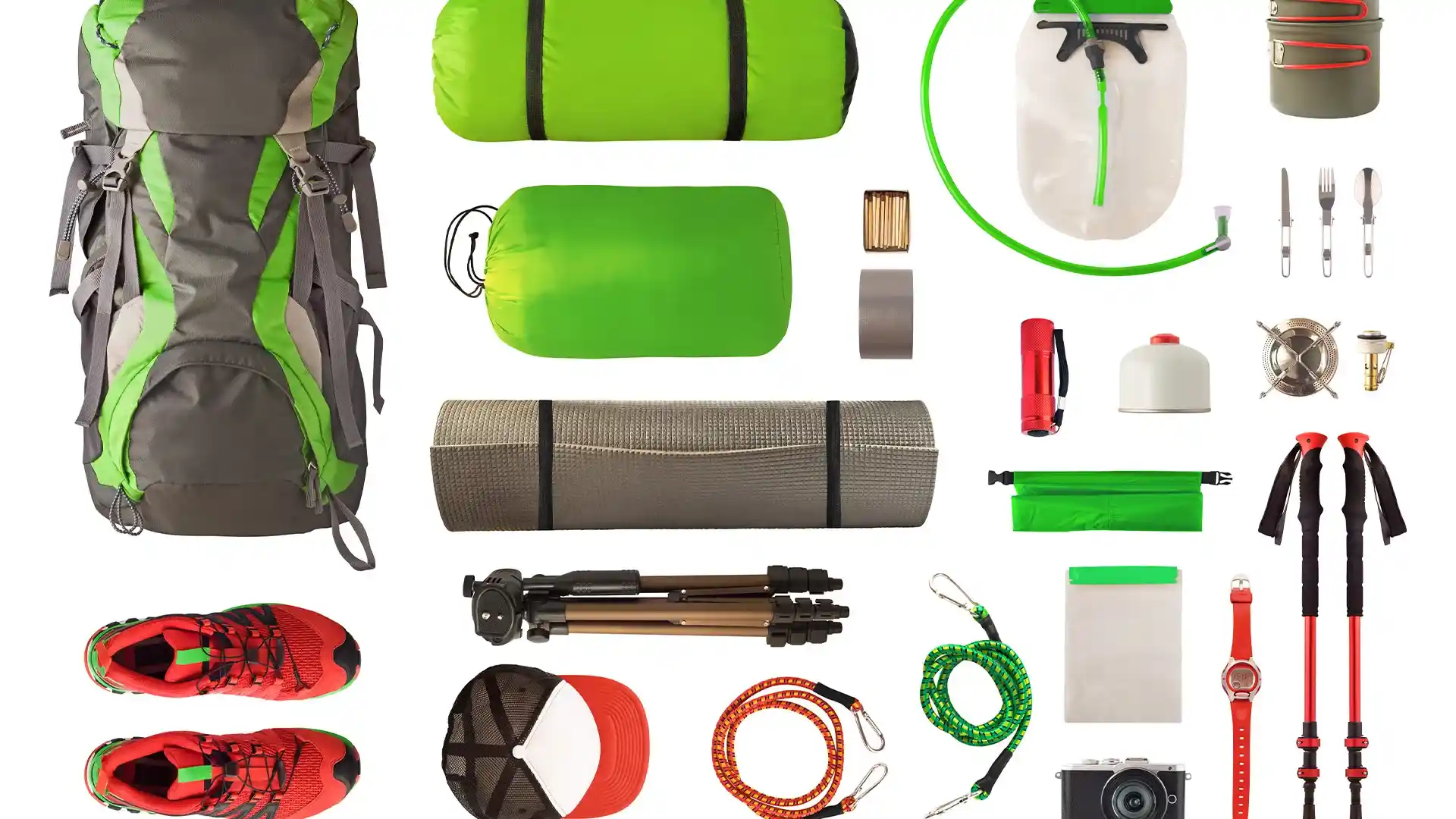
How Your Gear Is Carried
You carry a daypack; the porters carry everything else in a duffel bag. On the trail you have water, snacks, sunscreen and the layers you might need before camp. Your duffel, with your sleeping bag, spare clothes and summit kit, goes ahead with the porters and is waiting in your tent when you arrive.
Our porters carry no more than 18 kg (40 lb) each, so keep your duffel light: pack only what you need, and leave travel clothes and anything else at your hotel in Moshi, which stores luggage during the climb. Use a soft duffel rather than a hard suitcase, and line it with a plastic or dry bag so your sleeping bag stays dry in the rain.
Clothing: Layers for Every Zone
Bring a base layer, an insulating mid-layer and a waterproof, windproof outer layer, plus warm extras for summit night. You add and remove layers through the day; on summit night you wear almost everything at once.
| Layer | What to bring |
|---|---|
| Base layer | Moisture-wicking tops and leggings, 2–3 sets |
| Mid-layer | Fleece jacket and an insulated down or synthetic jacket |
| Outer layer | Waterproof, windproof jacket and rain pants |
| Legs | Hiking pants, plus warm summit pants or fleece pants for summit night |
| Hands | Thin liner gloves and thick waterproof gloves or mittens |
| Head | Warm hat or balaclava, sun hat, neck warmer or buff |
Cotton stays wet and cold; choose synthetic or wool. The temperatures in each part of the climb are explained in our climate zones guide.
What to Wear on Summit Night
Summit night is the coldest part of the climb: you start around midnight at about 15,400 ft (4,700 m) and climb for 6–8 hours in temperatures well below freezing, colder with wind. A typical summit outfit is:
- Two base layers on top and thermal leggings
- Fleece jacket and an insulated down or synthetic jacket, with the waterproof shell over the top if it is windy
- Summit pants or fleece pants under rain pants
- Liner gloves inside thick waterproof gloves or mittens
- Warm hat or balaclava and a neck warmer
- Thick thermal socks in your boots
- Headlamp with fresh batteries, water bottles in insulated covers or inside your jacket
Lay it all out in your tent in the afternoon before the summit, so you can dress quickly in the dark.
Footwear and socks
Bring broken-in waterproof hiking boots with ankle support, thick socks and something comfortable for camp. New boots are the most common cause of blisters on the mountain, so wear yours on training walks before you travel.
- Broken-in waterproof hiking boots with ankle support
- 3–4 pairs of thick hiking or thermal socks, plus liner socks if you use them
- Light shoes or sandals for camp
- Gaiters for the muddy forest sections
Equipment, Daypack and Documents
Bring a daypack, a headlamp, trekking poles and bottles or a bladder for 3–4 liters of water a day. Summit night starts in the dark, so a good headlamp with spare batteries matters, and poles take strain off your knees on the long descents.
- Daypack, about 30 liters, with a hip belt and rain cover
- Headlamp with spare batteries
- Trekking poles
- Water bottles or a hydration bladder, 3–4 liters in total (bladder tubes can freeze on summit night)
- Warm sleeping bag rated to about 14 °F (−10 °C)
- Sunglasses, high-factor sunscreen and lip balm
- Personal medication, blister plasters and a small first-aid kit
- Snacks, wet wipes, hand sanitizer and toilet paper
- Power bank: there is no electricity on the mountain
Keep valuables, medication and your summit layers in your daypack, not in the porter bag.
Documents and money
- Passport, valid for at least six months; the park registers every climber at the gate
- Tanzania visa (US citizens: US$100 multiple-entry tourist visa); see visa information
- Travel insurance documents covering trekking to 19,700 ft (6,000 m) and helicopter evacuation
- US dollars for tips, in small notes: about US$55–95 per climber per day for a crew of seven
What We Provide, and What You Can Rent
We provide tents, sleeping mats, a mess tent with table and chairs, a private portable toilet tent, all meals, drinking water and hot drinks, plus the safety kit. On the Marangu Route you sleep in park huts with mattresses, so you need a sleeping bag but no tent.
- Tents and sleeping mats (camping routes)
- Mess tent with table and chairs, and a private portable toilet tent
- Three cooked meals a day, drinking water and hot drinks
- Emergency oxygen, pulse oximeter, first-aid kit and stretcher
- A crew of seven per climber to carry the camp
What you can rent in Moshi
If you don't own the bulky, warm items, renting them in Moshi costs far less than buying. Our prices are per item for the whole climb; the items climbers rent most are:
| Item | Price for the climb |
|---|---|
| Sleeping bag | US$25 |
| Down or synthetic jacket | US$20 |
| Gaiters | US$20 |
| Hiking poles | US$15 |
| Headlamp | US$15 |
| Thick waterproof gloves | US$10 |
| Duffel bag | US$25 |
Bring your own boots if you possibly can. See every item and price on our gear rental page.
What to leave at home
- Cotton clothing, including jeans
- New, unworn boots
- More than one set of camp clothes
- Hard suitcases: use a soft duffel
- Valuables you don't need on the mountain: leave them at your hotel
Packing Questions
How heavy can my porter bag be?
Our porters carry no more than 18 kg (40 lb) each, so pack only what you need and leave the rest at your hotel in Moshi.
Do I need a down jacket?
An insulated jacket is essential for summit night. Down or synthetic both work, and you can rent one in Moshi for US$20.
Can I rent gear in Moshi?
Yes. Our rental prices run from US$5 to US$25 per item for the whole climb; tell us what you need when you book.
What sleeping bag do I need for Kilimanjaro?
One rated to about 14 °F (−10 °C). The high camps are below freezing at night. You can rent one for US$25.
Do I need trekking poles?
They aren't essential, but most climbers find them a great help on the long descents. They can be rented for US$15.
Do I need a tent?
No. Tents, sleeping mats and a mess tent are provided on every camping route; on Marangu you sleep in huts.
The Bottom Line
Pack layers, bring broken-in boots, keep your duffel light and carry your summit kit in your daypack. Anything bulky you don't own can be rented in Moshi when you arrive.
Send us your dates, the number of climbers and your hotel level through the form, on WhatsApp +255 678 992 599 or by email to jaynevytours@gmail.com, and our sales team in Moshi will reply with a written quotation.