
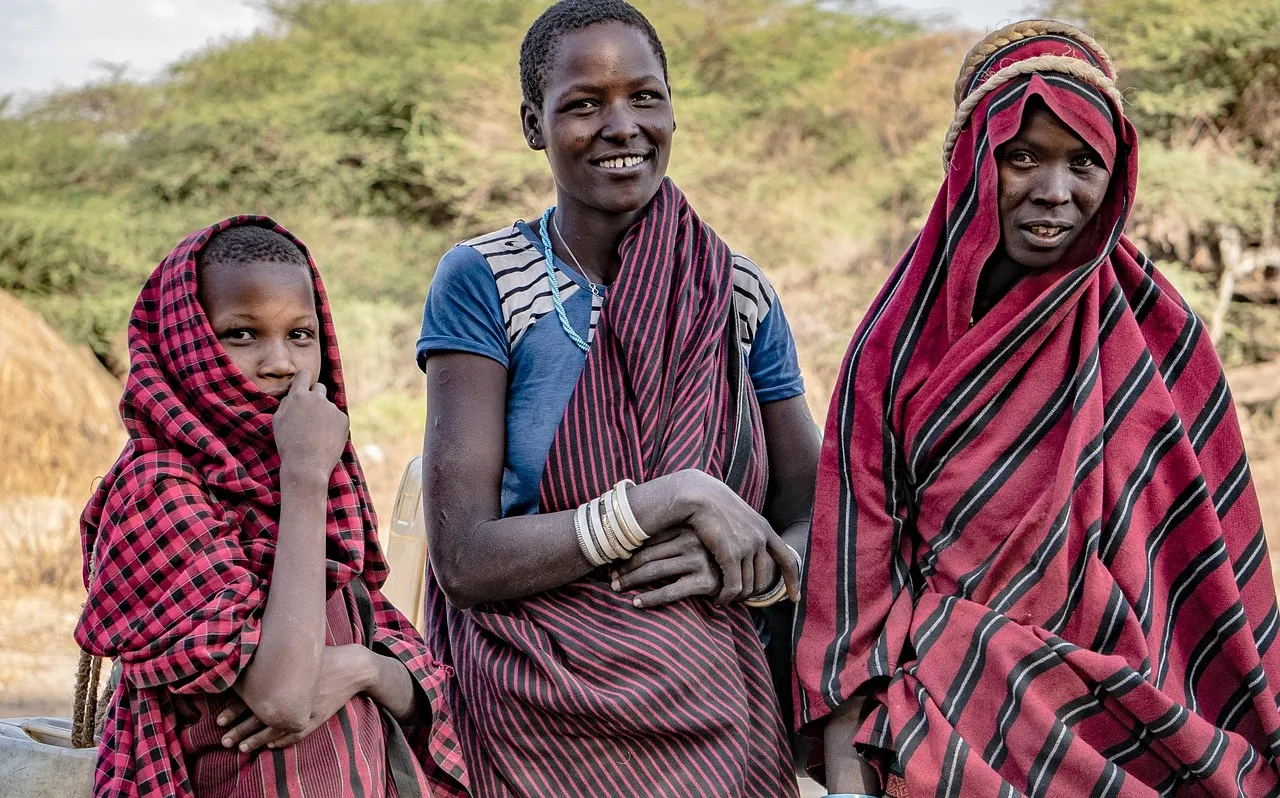
Living in Tanzania Africa – Complete Guide for Expats and Locals
Living in Tanzania, Africa offers a unique blend of natural beauty, cultural diversity, and a relaxed lifestyle. Whether you are planning to move to Tanzania for work, retirement, or adventure, understanding what life is like in this East African country is essential. This guide covers everything you need to know about living conditions, cost of living, safety, healthcare, housing, and daily life in Tanzania.
1. Overview – What It’s Like Living in Tanzania
Tanzania is one of the most peaceful and welcoming countries in Africa. Located in East Africa , it borders Kenya, Uganda, and the Indian Ocean, making it a gateway to both safari adventures and coastal living. Life in Tanzania is generally slower-paced, with friendly people, rich traditions, and affordable living costs compared to many Western countries.
The country’s main cities — Dar es Salaam, Dodoma, Arusha, and Mwanza — each offer different experiences depending on your lifestyle and goals.
2. Cost of Living in Tanzania
The cost of living in Tanzania is relatively low compared to other African and international destinations. On average, a single person can live comfortably with $400–$700 per month, while expats or families may spend $1,000–$2,000 depending on their lifestyle and housing choices.
- Rent: $150–$500 per month for apartments (depending on the city and area)
- Food and groceries: $100–$300 per month
- Transportation: Public transport costs around $0.20–$0.50 per trip
- Internet and utilities: $30–$60 per month
Popular cities like Dar es Salaam and Arusha may have slightly higher living expenses, especially in expat neighborhoods.
3. Housing and Accommodation
Housing in Tanzania ranges from modern apartments and villas to simple homes in rural areas. In cities like Dar es Salaam or Arusha, you can rent fully furnished apartments with modern amenities, while smaller towns offer affordable, traditional housing.
- Modern apartments and condos are available in Masaki, Oysterbay, and Mikocheni (Dar es Salaam).
- Arusha offers mountain-view homes and lodges near safari parks.
- Rural areas provide affordable housing and peaceful living environments.
4. Safety and Security in Tanzania
Tanzania is considered one of the safest countries in East Africa . Petty crimes like pickpocketing can occur in busy areas, but serious crimes are rare. Foreign residents and tourists are generally welcomed and respected by locals.
- Always keep valuables secure in public areas.
- Use licensed taxis or ride-hailing services at night.
- Stay updated on local news and follow local advice for safe travel.
Major tourist and expat hubs like Arusha, Zanzibar, and Dar es Salaam are safe when basic precautions are taken.
5. Healthcare and Medical Services
Tanzania’s healthcare system includes both public and private hospitals. Private medical facilities in Dar es Salaam and Arusha provide quality care for expats and visitors. It’s advisable to have international health insurance to cover major treatments or medical evacuations if needed.
- Recommended hospitals: Aga Khan Hospital, TMJ Hospital, and Regency Medical Centre (Dar es Salaam).
- Smaller towns have clinics, but major procedures should be done in larger cities.
6. Working and Employment Opportunities
Many foreigners move to Tanzania for work in tourism, education, NGOs, and business sectors. The country encourages skilled professionals, especially in healthcare, engineering, and hospitality. To work legally, foreigners must obtain a work permit through the Tanzania Immigration Department.
- Job sectors for expats include education, safari guiding, hospitality, and NGO projects.
- Knowledge of Swahili helps improve communication and integration.
7. Language and Communication
The main language spoken in Tanzania is Kiswahili (Swahili), but English is also widely used, especially in business, education, and tourism. Learning a few Swahili phrases makes daily life smoother and helps you connect with locals.
- Hello – “Jambo” or “Habari”
- Thank you – “Asante”
- Good morning – “Habari za asubuhi”
Swahili culture is warm and friendly, emphasizing respect and community spirit.
8. Transport and Getting Around
Tanzania has a good transport network connecting major cities and tourist destinations. Public transport includes dala dalas (minibuses), boda bodas (motorbikes), and taxis. For long distances, domestic flights and modern buses are available.
- Air Tanzania and Precision Air operate regular flights between cities.
- Ferries connect the mainland to Zanzibar.
- Uber and Bolt operate in major cities.
9. Weather and Climate
Tanzania’s tropical climate varies by region. Coastal areas like Dar es Salaam are hot and humid, while highland regions like Arusha and Mbeya are cooler. The dry season (June–October) is ideal for safaris and outdoor life, while the rainy season (March–May) brings lush greenery.
10. Social Life and Expat Community
Expats living in Tanzania enjoy a vibrant social scene. There are numerous restaurants, cultural events, and international schools, especially in Dar es Salaam, Arusha, and Zanzibar. Locals are welcoming, and community events often celebrate Tanzanian traditions through music, dance, and food.
11. Challenges of Living in Tanzania
While living in Tanzania offers many advantages, there are also challenges to consider:
- Power cuts and internet interruptions can occur in some areas.
- Import goods can be expensive.
- Traffic congestion is common in Dar es Salaam.
- Understanding local bureaucracy can take time.
12. Benefits of Living in Tanzania
- Affordable cost of living and friendly people.
- Access to world-class wildlife parks and beaches.
- Stable political environment and safety.
- Rich cultural heritage and community lifestyle.
13. Summary – Living in Tanzania Africa
In summary, living in Tanzania, Africa is a rewarding experience filled with adventure, affordability, and cultural richness. From the stunning landscapes of Serengeti and Kilimanjaro to the calm beaches of Zanzibar, life here balances nature and simplicity. Whether you’re relocating for work, study, or retirement, Tanzania offers a peaceful and welcoming home in East Africa.
For more guides on life in Tanzania, visas, safaris, and local culture, visit www.jaynevytours.com.