
What You Need to Know: Our 4-day gemstone mining tour starts and ends in Arusha: day 1 at the tanzanite market and a cutting workshop, day 2 underground at the Mirerani tanzanite mines, day 3 at the Lemshuku green garnet mines and day 4 at the Kitwai ruby mines. It costs US$2,717 for one traveler, with a private driver-guide, all entry fees, transport, meals as listed and three nights' accommodation. A one-day Mirerani visit is also available, from US$400 per person.
Who Is the Tanzanite Mining Tour For?
This is a hands-on, educational tour for travelers who want to understand where gemstones come from, not just buy them. It suits gem and jewelry lovers, geology enthusiasts, buyers who want to see the trade first-hand, and anyone looking for a Tanzanian experience far off the usual safari routes.
| This tour suits you if… | Consider another trip if… |
|---|---|
| You want to see tanzanite mined, cut and sold | You only have a few hours: ask about the one-day Mirerani visit |
| You're happy with rough roads and simple mining towns | You're looking for wildlife: see our safaris |
| You'd like to buy stones with expert help | You're claustrophobic: day 2 includes an underground visit |
The 4-Day Tanzanite Mining Tour at a Glance
| Day | Route | Travel | Overnight |
|---|---|---|---|
| 1 | Arusha: tanzanite market and cutting workshop | Short drives in Arusha | Parrot Hotel, Arusha |
| 2 | Arusha to the Mirerani tanzanite mines | About 1.5 hours | Mazubu Grand Hotel, Mirerani |
| 3 | Mirerani to the Lemshuku garnet mines | About 37 miles (60 km), 2–3 hours | Mazubu Grand Hotel or a mining camp |
| 4 | Mirerani to the Kitwai ruby mines, then Arusha | About 140 miles (225 km), 3–4 hours, then back to Arusha | Parrot Hotel, Arusha |
Hotels are those we book on this tour, or similar.
Tanzanite Mining Tour Itinerary, Day by Day
Day 1: Arusha's tanzanite market
After breakfast, leave your hotel at about 9:00 for Arusha's gemstone dealers. You see tanzanite alongside ruby, green garnet and green tourmaline, and visit a well-known tanzanite shop, such as Tanzanite Experience, to learn how rough stones are cut and polished. The afternoon is free to explore Arusha. Meals: breakfast and lunch.
Day 2: Underground at Mirerani
Drive about 1.5 hours to Mirerani, the only place in the world where tanzanite is mined. The day starts at the mining office with an introduction to the history of tanzanite mining. You then visit the mining blocks, explore the mining area and descend underground to learn about the geology and the steps involved before tanzanite is produced. Afterwards, visit the local mineral market, where tanzanite, ruby, garnet and tourmaline are sold; if you want to buy, your guide helps you. At the end of the tour you receive a certificate. Overnight at the Mazubu Grand Hotel. Meals: breakfast and lunch.
Day 3: Lemshuku green garnet mines
Drive about 37 miles (60 km), 2–3 hours, to the Lemshuku mining area, known for green garnet. Explore the mining sites, meet local miners and learn about traditional methods of extracting gemstones. Overnight near the mines or back at the Mazubu Grand Hotel in Mirerani. Meals: breakfast, lunch and dinner.
Day 4: Kitwai ruby mines and back to Arusha
After breakfast, drive about 140 miles (225 km), 3–4 hours, to the Kitwai mining area, famous for rubies. Visit the ruby mining sites, walk around the local market and meet miners to learn how rubies are extracted and traded. Then drive back to Arusha for the night or your onward plans. Meals: breakfast and lunch.
What Is Tanzanite?
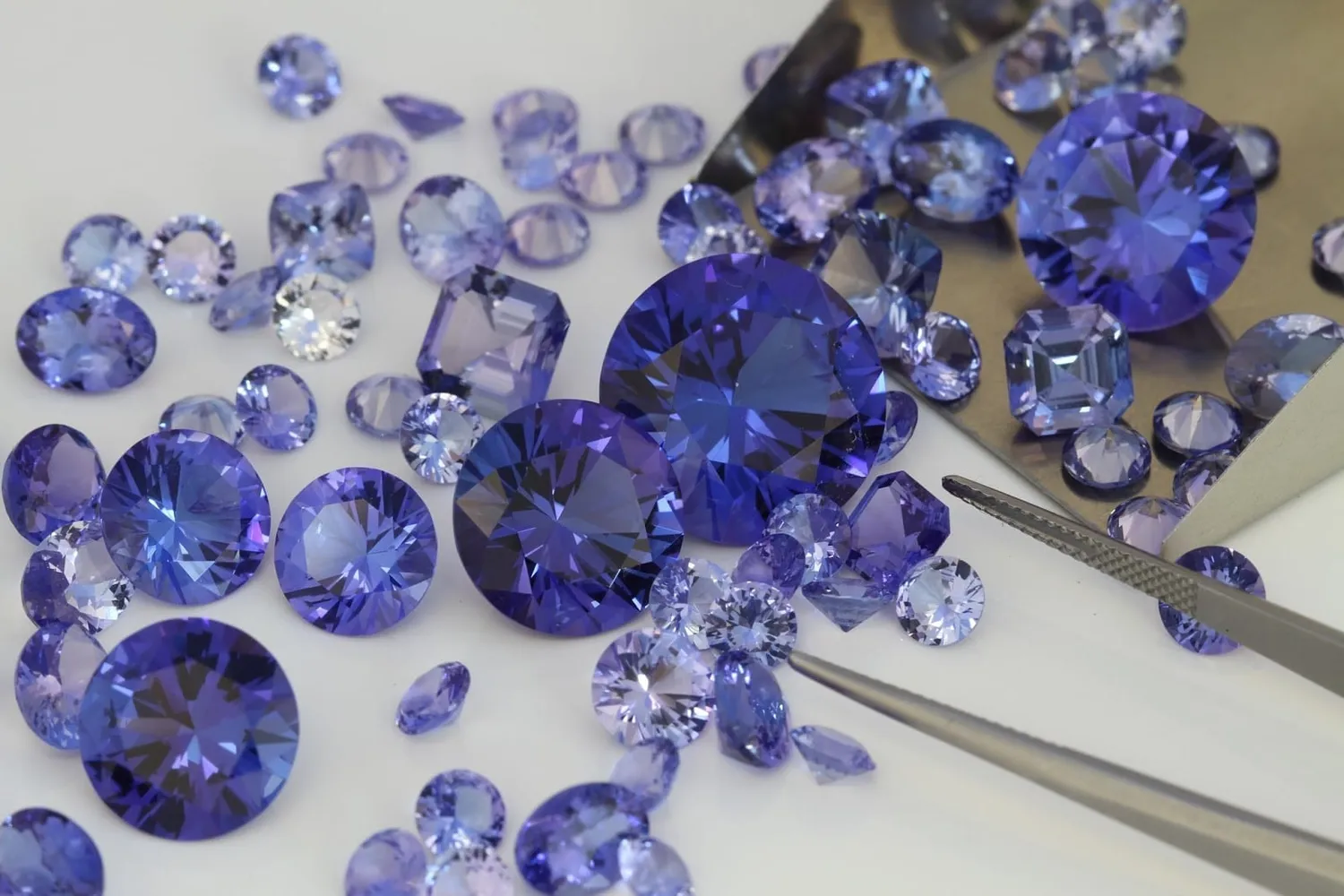
Tanzanite is a blue-violet variety of the mineral zoisite, found in the Mirerani hills in 1967 and named after Tanzania. Its color shifts between blue and violet with the light, and most stones on the market are heat-treated to deepen the blue. Because it comes from one small area, supply is limited, and the government has walled the mining zone to control the trade.
| Gemstone | Where you see it on this tour |
|---|---|
| Tanzanite | Arusha market, Mirerani mines and market |
| Green garnet | Arusha market, Lemshuku mines |
| Ruby | Arusha market, Mirerani market, Kitwai mines |
| Green tourmaline | Arusha market, Mirerani market |
How Much Does the Tanzanite Mining Tour Cost?
US$2,717 for one traveler, for the full 4-day tour. For two or more travelers the price per person is lower, because the vehicle and guide are shared; we quote it for your group and dates.
- Professional English-speaking driver-guide
- All entry fees, government taxes and levies
- Airport transfers
- Transport throughout, including inside the mining areas
- Meals as listed in the itinerary
- Three nights' accommodation: Parrot Hotel in Arusha and Mazubu Grand Hotel in Mirerani, or similar
Not included
- International and domestic flights
- Travel insurance, and Tanzania's mandatory inbound travel insurance: US$44 per adult, required for Zanzibar and, from October 1, 2026, for mainland Tanzania; one policy covers both
- Tips
- Optional activities
- Drinks, laundry and personal items, and any gemstones you buy
Short on time? A one-day visit to the Mirerani mining area costs from US$400 per person from Moshi or Arusha, and fits easily before an evening flight from Kilimanjaro International Airport, about 30 minutes away.
Going Underground: What to Expect
The underground visit on day 2 follows the routes and rules set for visitors, with your guide and the mine's staff. Shafts are narrow, warm and dusty, and you climb down ladders or steep passages, so it suits people who are comfortable in confined spaces and reasonably fit. You can choose to stay above ground and still see the mining blocks, the sorting and the market.
- Bring your passport for the checkpoint at the mining zone
- Wear closed, sturdy shoes and clothes you don't mind getting dusty
- Follow the safety instructions at all times
- Tell us in advance about any health conditions
Buying Gemstones Safely
- Buy from licensed dealers and ask for a certificate
- Compare color, clarity, cut and carat before you decide
- Keep every receipt: you may need it when leaving Tanzania
- Never buy rough stones from street sellers
- Your guide can help you ask the right questions, but the decision and the price are yours
Combining the Tanzanite Tour with Other Trips
The tour starts and ends in Arusha, so it combines easily with a northern safari, a Kilimanjaro climb or Zanzibar. See also things to do in Arusha and our day trips.
How to Book the Tanzanite Mining Tour
A 30% deposit confirms your tour and the balance is paid on arrival. You can pay through Pesapal by card or mobile money (an online transaction fee applies) or by bank transfer in US dollars or euros. Refunds: 100% if you cancel 60 days or more before arrival, 90% at 30–59 days, 60% at 15–29 days, 25% at 10–14 days, and nothing under 10 days.
Common Questions About the Tanzanite Mining Tour
How long is the tanzanite mining tour?
Four days, starting and ending in Arusha. A one-day Mirerani visit is also available.
How much does the 4-day mining tour cost?
US$2,717 for one traveler, including the guide, transport, entry fees, meals as listed and three nights' accommodation; less per person for groups.
Do I go underground?
Yes, on day 2 at Mirerani, following the visitor routes and safety rules. You can choose to stay above ground.
Can I buy tanzanite on the tour?
Yes, at the Arusha dealers and the Mirerani market, with your guide's help. Ask for a certificate and keep your receipt.
Where do we stay?
At the Parrot Hotel in Arusha and the Mazubu Grand Hotel in Mirerani, or similar; on day 3 you may stay near the Lemshuku mines.
Do I get a certificate?
Yes, at the end of the Mirerani visit on day 2.
Is the tour safe?
Yes. You follow the routes and rules set for visitors, with your guide and the mine's staff.
The Bottom Line
Four days from the gem dealers of Arusha to the tanzanite, garnet and ruby mines of northern Tanzania: a rare, first-hand look at where the world's tanzanite comes from. Combine it with a safari or a climb.
Send us your dates and what you need through the booking form, on WhatsApp +255 678 992 599 or by email to jaynevytours@gmail.com. Our team works 24 hours a day, 7 days a week, and replies with a written quotation.