

Criteria for Beauty in African Countries
Beauty in African countries is measured by natural wonders (mountains, beaches, wildlife), cultural richness (festivals, heritage sites), tourism infrastructure, and visitor feedback. Data from UNESCO, African Union tourism reports, and traveler reviews (e.g., TripAdvisor 2024) inform these rankings. Tanzania leads for its diverse landscapes, followed by Kenya, Mauritius, Namibia, and South Africa.
Tanzania: Africa’s Most Beautiful Country
Tanzania, in East Africa, captivates with Mount Kilimanjaro (5,895m), the Serengeti’s Great Migration (2 million animals), and Zanzibar's turquoise beaches. With 38% of its land protected as national parks, it hosts 4 of the Big Five and 1,100 bird species. Zanzibar’s Stone Town, a UNESCO site, blends Swahili and Arab cultures. In 2024, Tanzania welcomed 1.5 million tourists, contributing $2.8 billion to GDP (World Travel & Tourism Council). Its stable tourism infrastructure, with 80% of roads to key sites paved, ensures accessibility, though peak season (June-October) sees 20% higher costs.
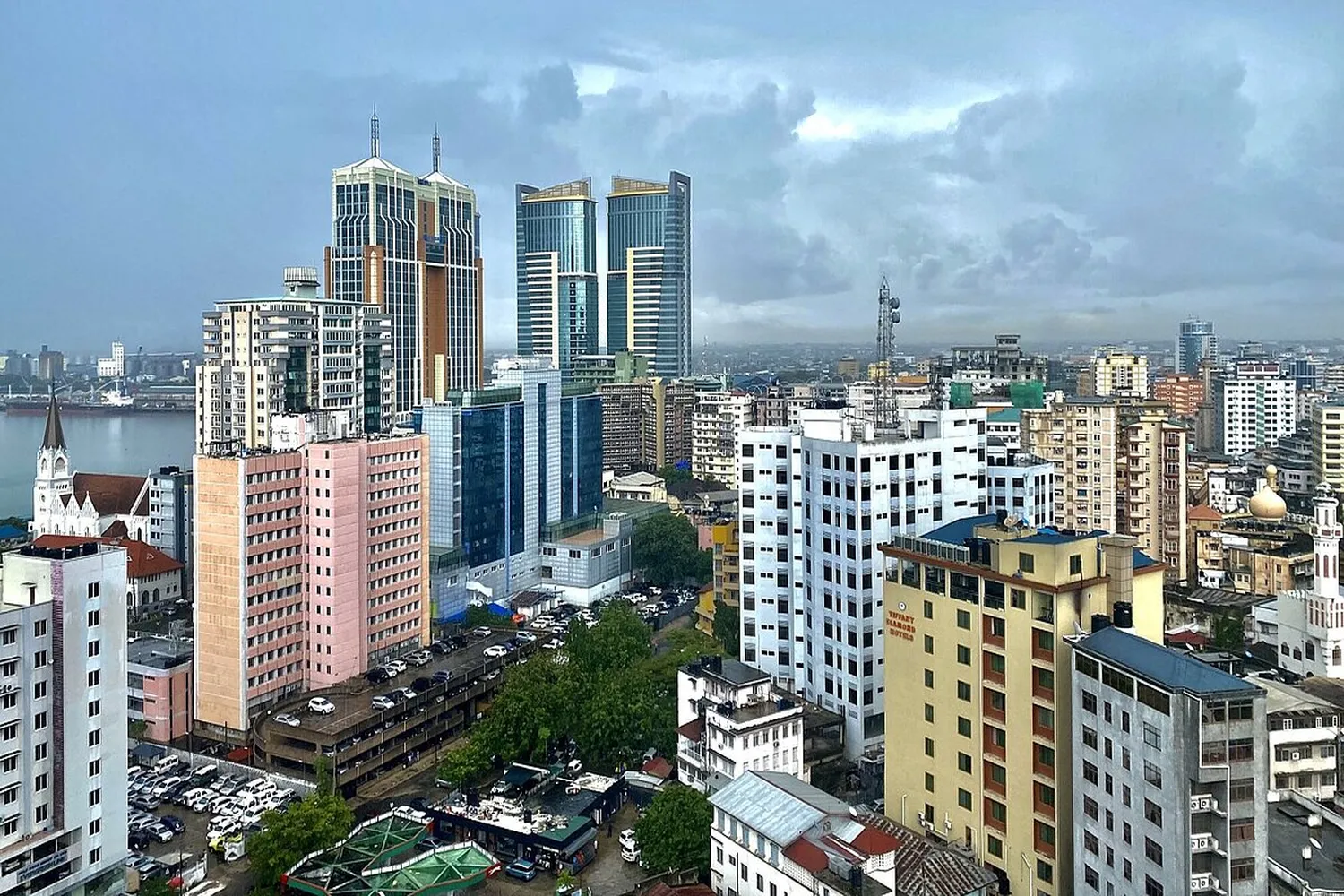
Top 10 Most Beautiful Countries in Africa
Here’s a detailed look at the top 10 countries, blending natural beauty, culture, and tourism appeal:
1. Kenya
Population: 56 million
Key Attractions: Maasai Mara, Amboseli, Diani Beach
Details: Kenya’s Maasai Mara hosts the Great Migration, with 1.5 million wildebeest. Mount Kenya (5,199m) and Lamu’s UNESCO-listed old town add diversity. Tourism generates $1.9 billion annually, with 1.2 million visitors in 2024.

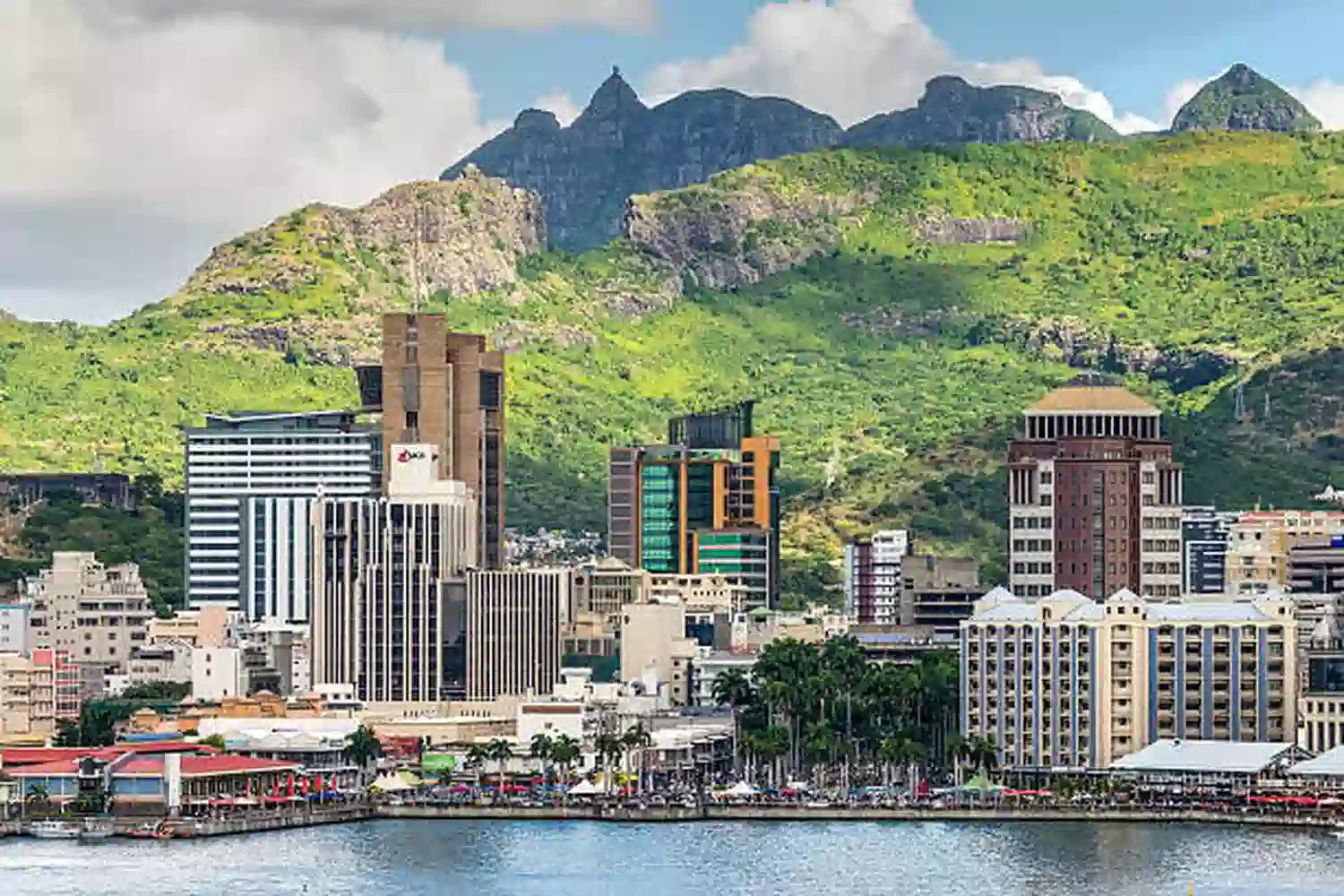
2. Mauritius
Population: 1.3 million
Key Attractions: Black River Gorges, Le Morne, Chamarel
Details: Mauritius’ coral reefs and Seven Coloured Earth attract 1.4 million tourists yearly. Its multicultural festivals, blending Indian, Creole, and French influences, draw 30% of visitors for cultural events.
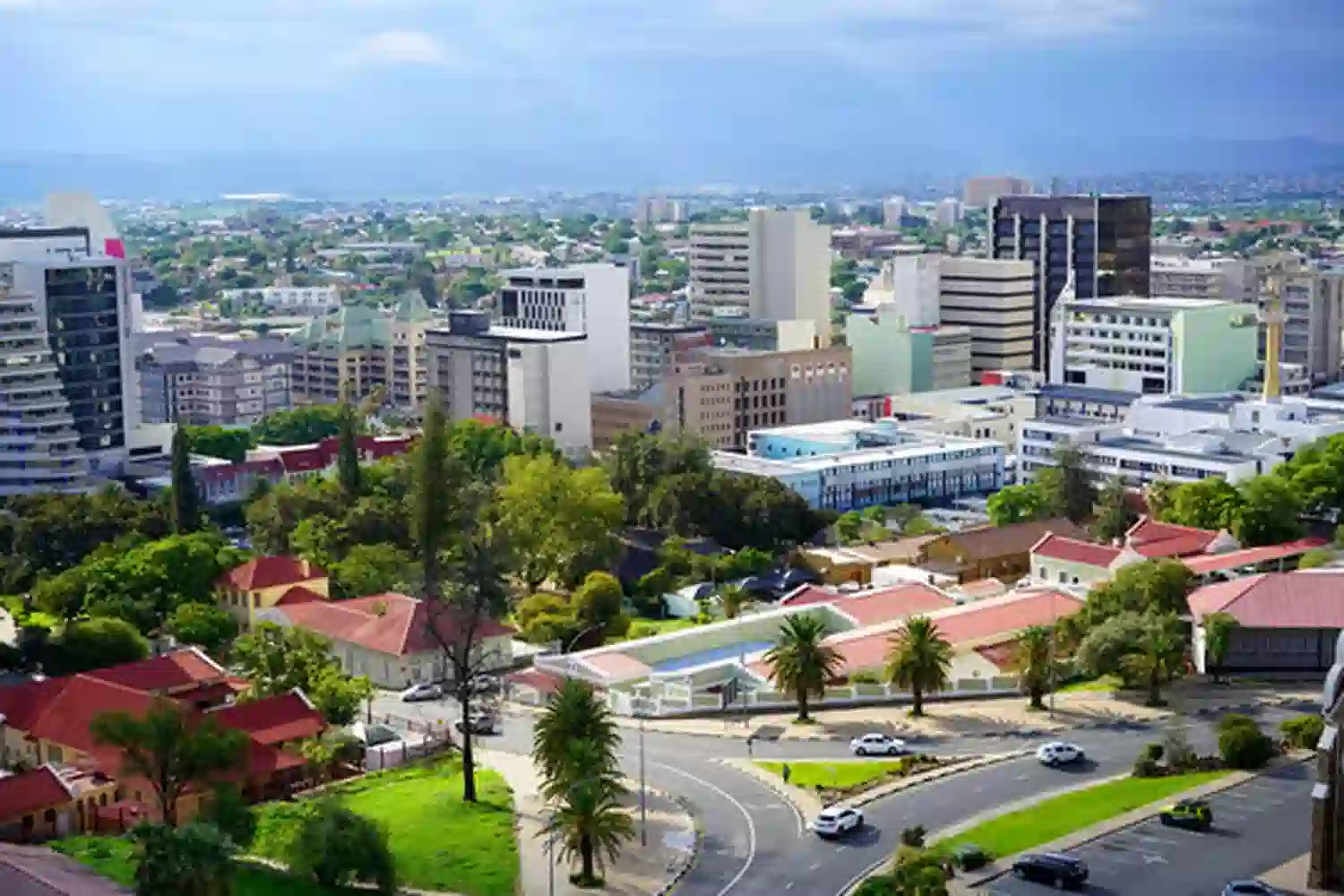
3. Namibia
Population: 2.6 million
Key Attractions: Namib Desert, Etosha National Park, Skeleton Coast
Details: Namibia’s red dunes and 1,000km coastline are iconic. Etosha hosts 250,000 animals, including rare black rhinos. Tourism contributes $500 million, with 70% of visitors rating it “unspoiled.”
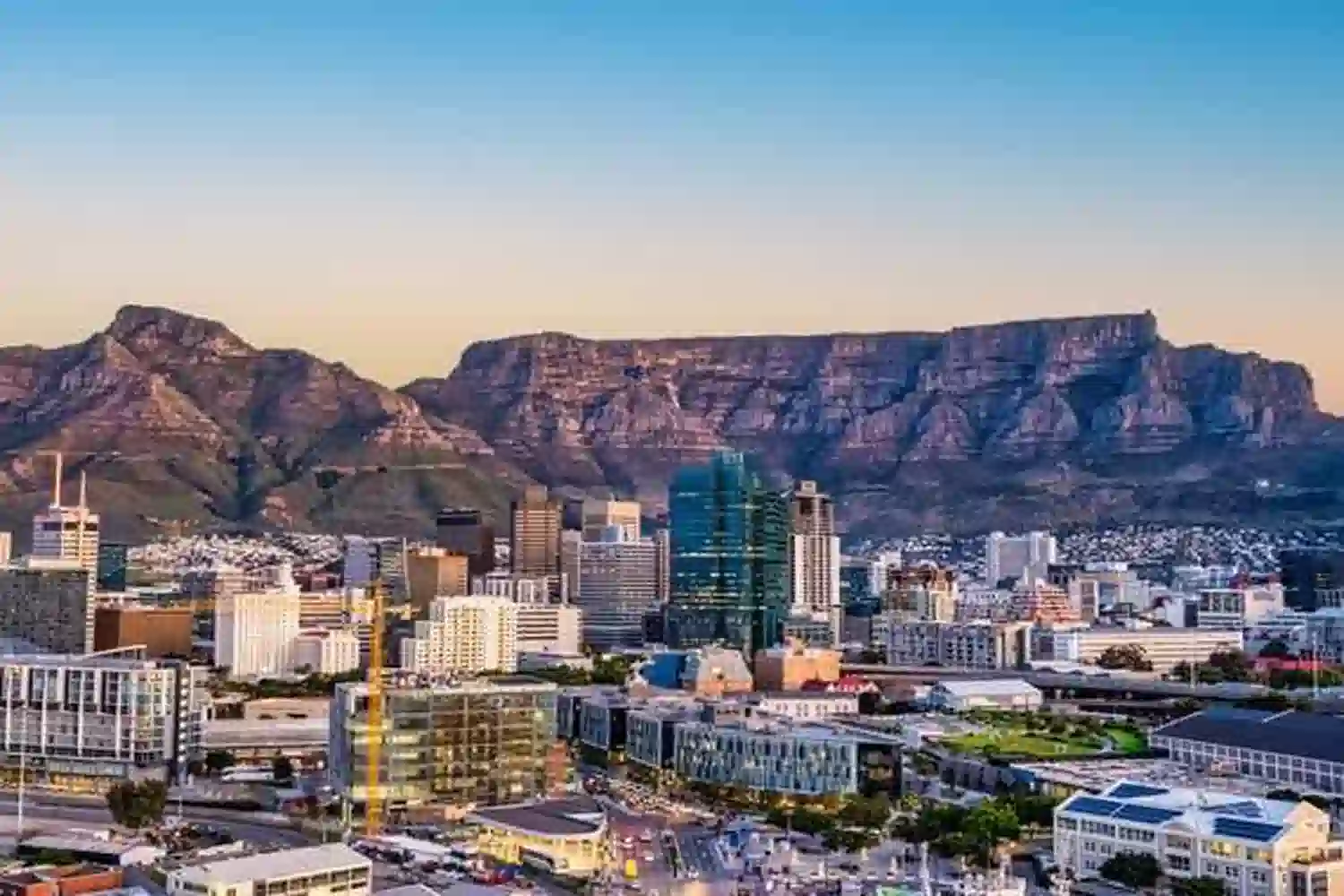
4. South Africa
Population: 61 million
Key Attractions: Table Mountain, Kruger National Park, Garden Route
Details: South Africa’s 2.5 million annual tourists enjoy Cape Town’s 1,000m-high Table Mountain and Kruger’s 500 bird species. Cultural diversity, with 11 official languages, enhances its appeal.
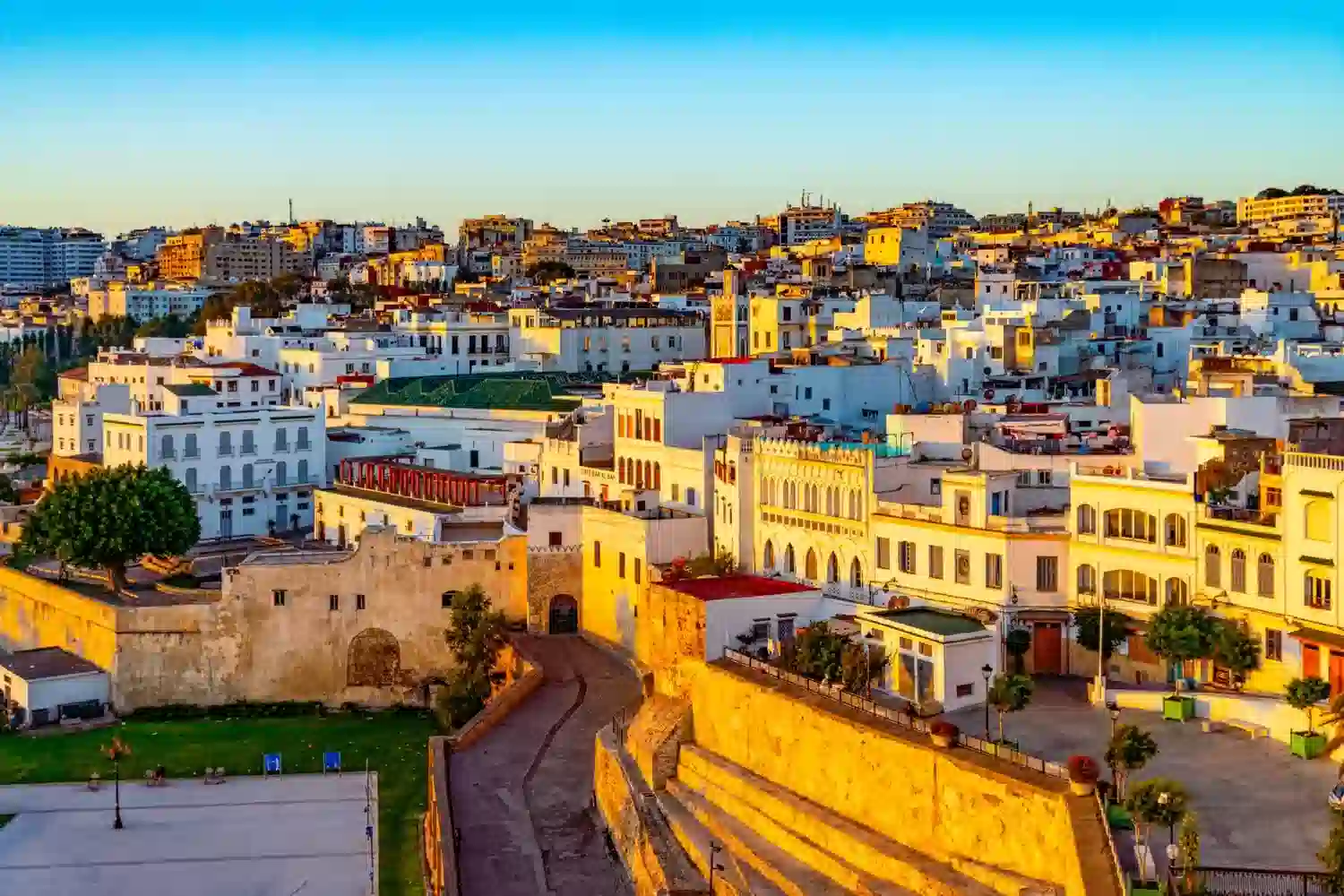
5. Morocco
Population: 38 million
Key Attractions: Marrakech, Atlas Mountains, Sahara Desert
Details: Morocco’s medinas and 3,000km of desert trails draw 13 million visitors annually. Fez’s UNESCO-listed medina hosts 500,000 tourists yearly.
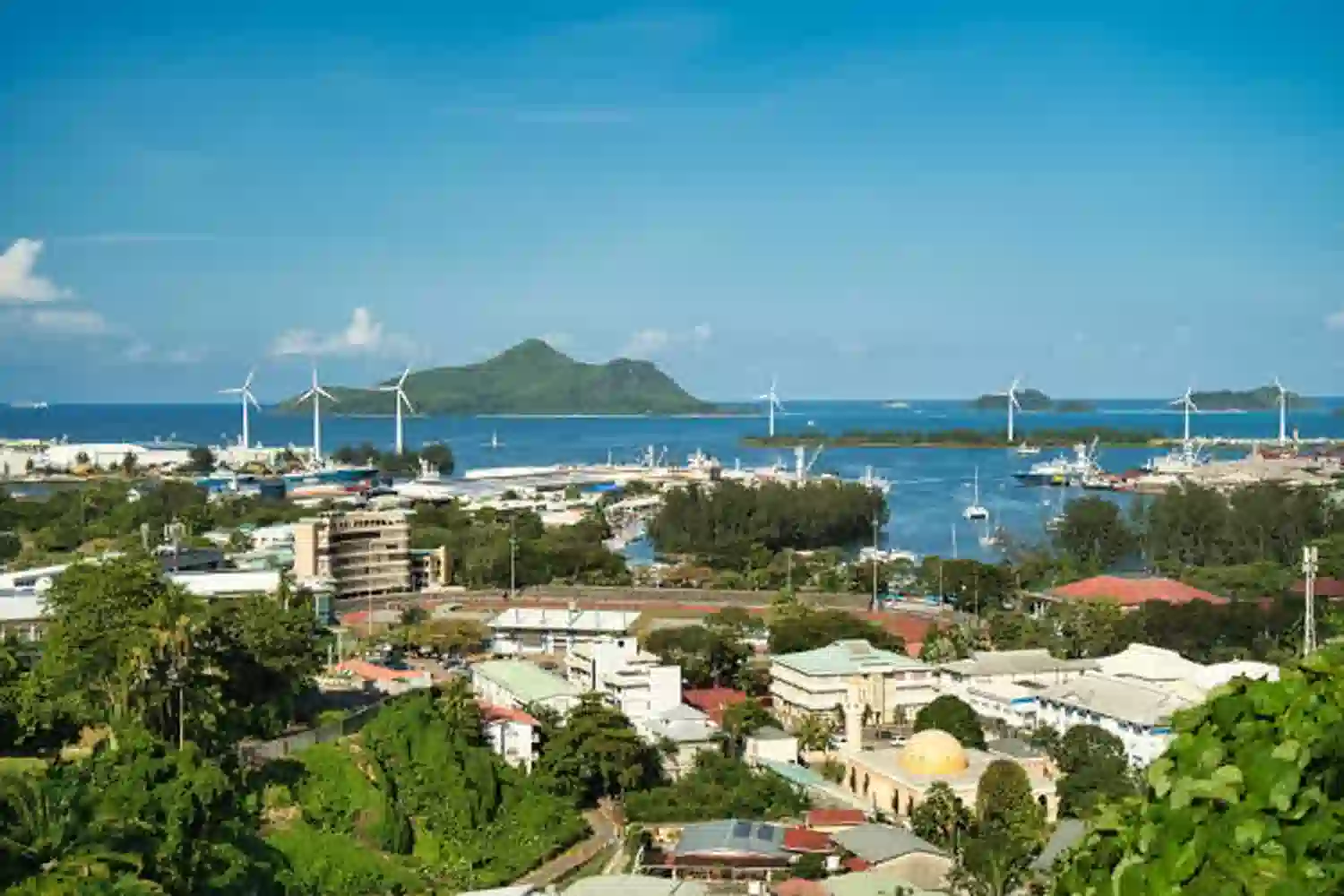
6. Seychelles
Population: 100,000
Key Attractions: Anse Lazio, Aldabra Atoll, Mahé
Details: Seychelles’ 115 islands offer pristine beaches and 50% protected land. Its 350,000 annual tourists enjoy snorkeling in coral reefs hosting 1,000 fish species.
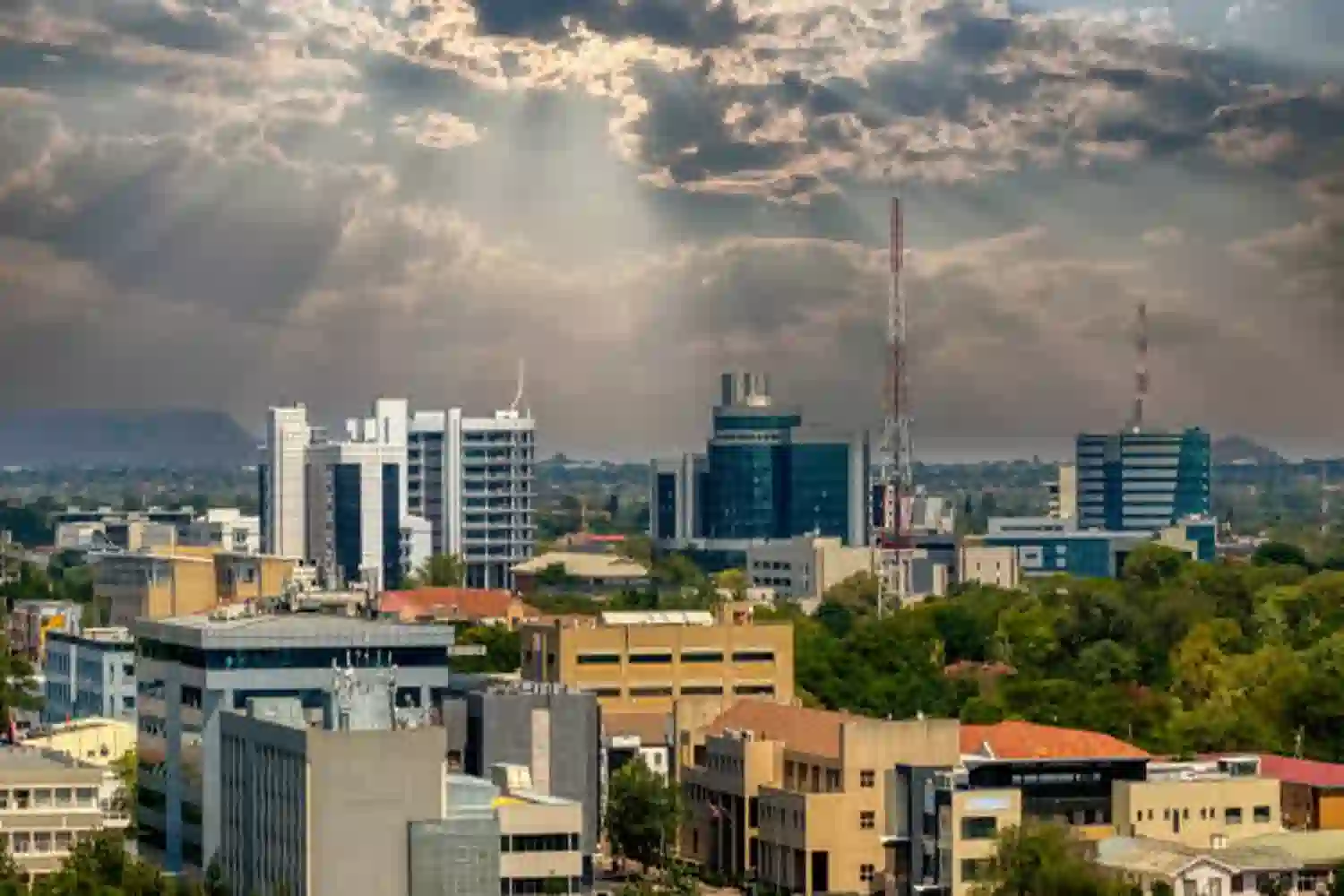
7. Botswana
Population: 2.4 million
Key Attractions: Okavango Delta, Chobe National Park
Details: The Okavango’s 15,000 km² wetlands support 200,000 elephants. Botswana’s high-end safaris attract 500,000 tourists, contributing $600 million to GDP.
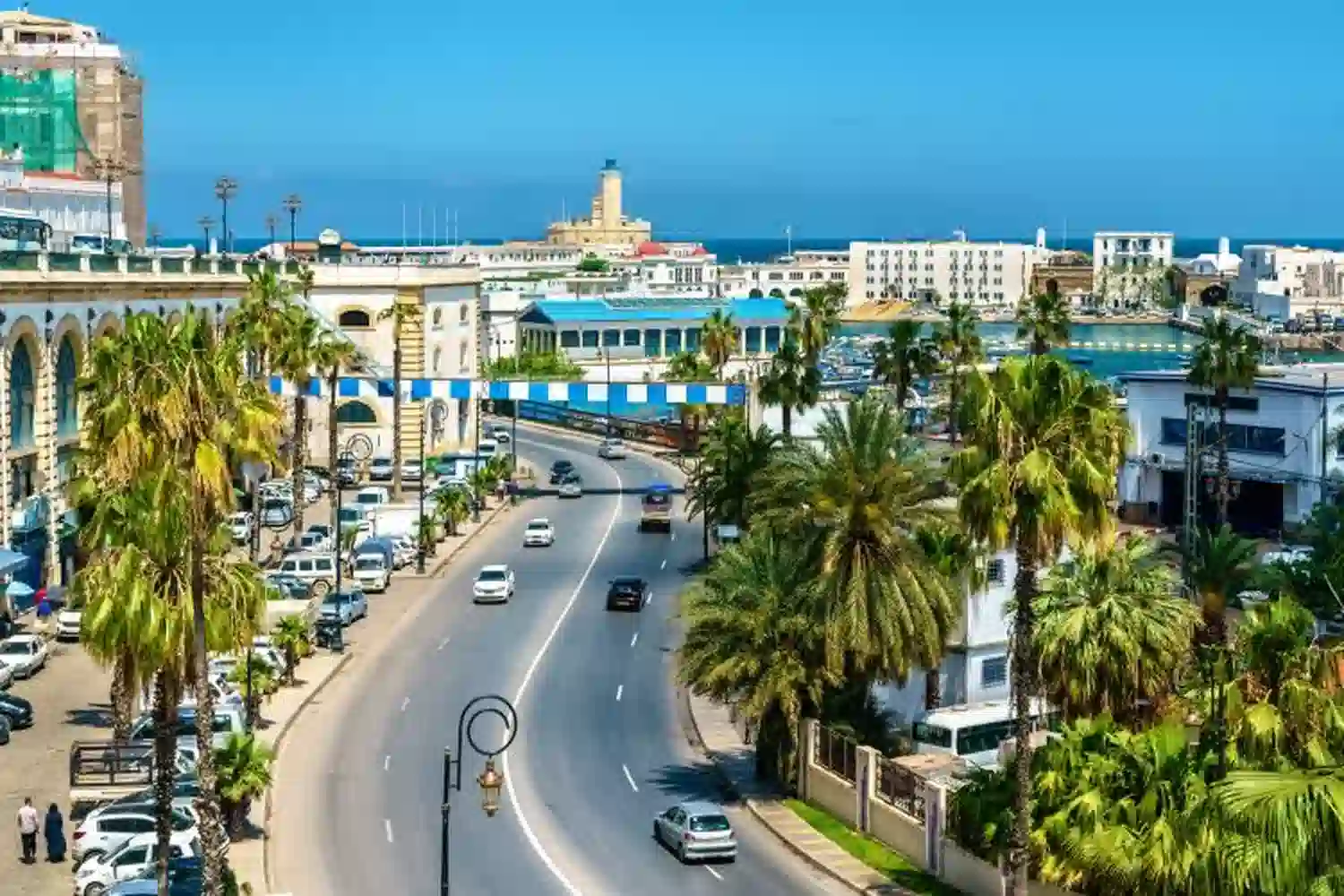
8. Algeria
Population: 46 million
Key Attractions: Tassili n’Ajjer, Algiers, Timgad
Details: Algeria’s Sahara rock art and Roman ruins draw 2.7 million visitors. Its 2,500km coastline and 7 UNESCO sites add cultural depth.
9. Rwanda
Population: 13.5 million
Key Attractions: Volcanoes National Park, Kigali, Lake Kivu
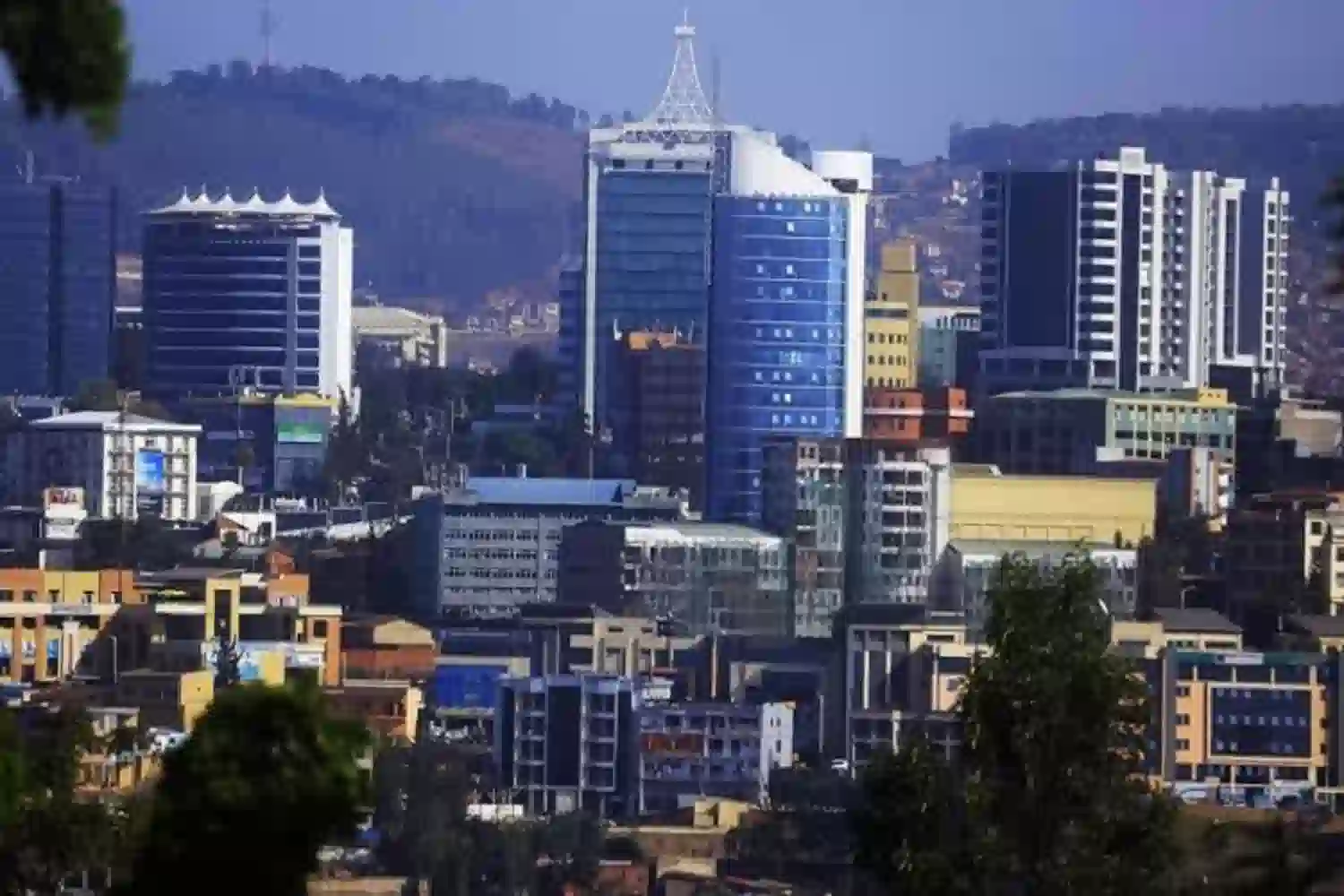
Details: Rwanda’s gorilla trekking in Volcanoes National Park attracts 50,000 visitors annually. Its clean cities and 30% forest cover enhance its beauty.
10. Ethiopia
Population: 126 million
Key Attractions: Lalibela, Simien Mountains, Danakil Depression
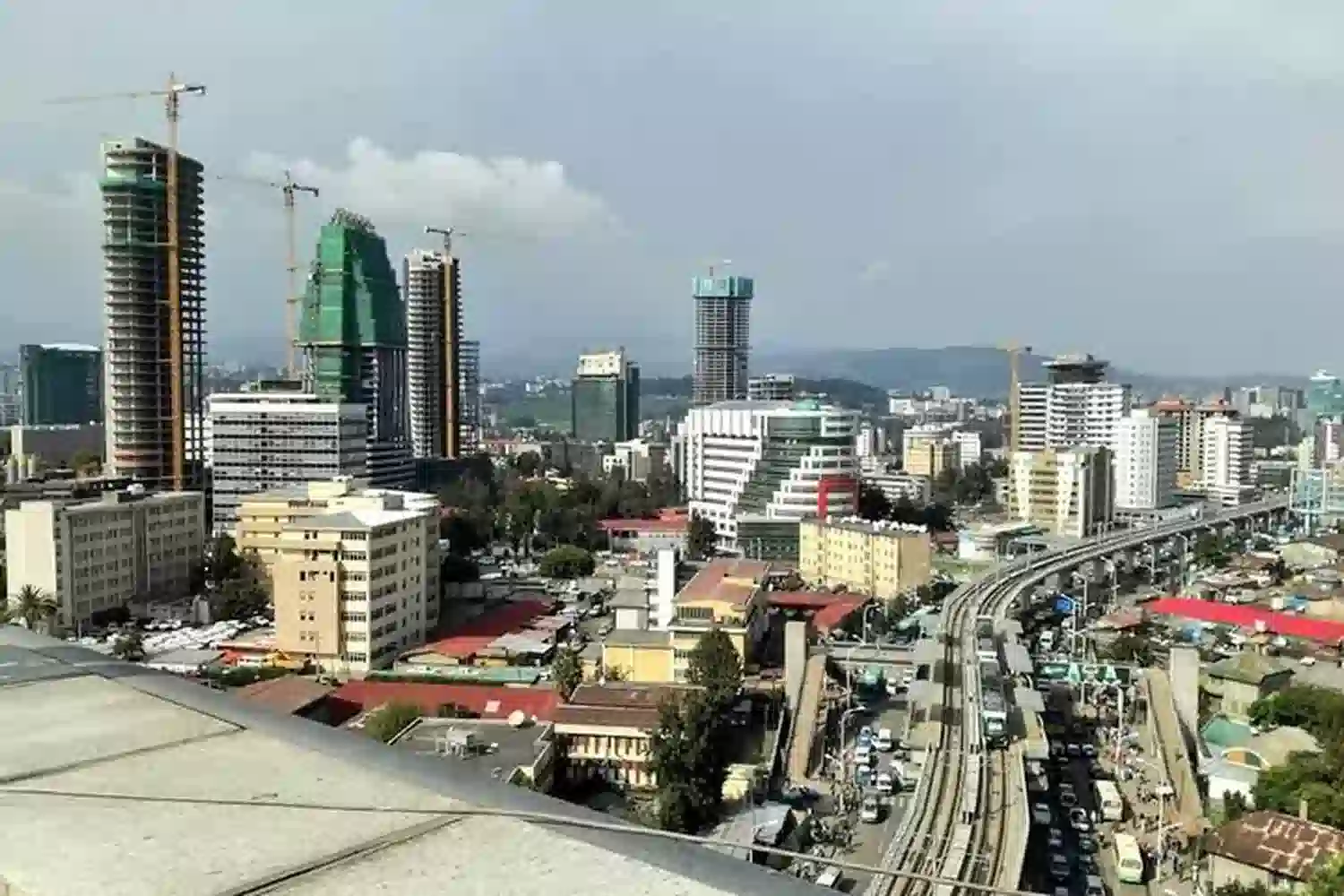
Details: Ethiopia’s 11 rock-hewn churches and 3,000m-high peaks draw 1 million tourists. Its coffee culture and 80 ethnic groups add vibrancy.
Beauty Metrics Table
| Country | Tourists (M) | Protected Land (%) | UNESCO | Revenue ($B) |
|---|---|---|---|---|
| Tanzania | 1.5 | 38 | 7 | 2.8 |
| Kenya | 1.2 | 12 | 7 | 1.9 |
| Mauritius | 1.4 | 10 | 2 | 1.5 |
| Namibia | 1.0 | 20 | 2 | 0.5 |
| South Africa | 2.5 | 8 | 10 | 3.2 |
| Morocco | 13.0 | 5 | 9 | 8.9 |
| Seychelles | 0.35 | 50 | 2 | 0.6 |
| Botswana | 0.5 | 40 | 2 | 0.6 |
| Algeria | 2.7 | 7 | 7 | 1.0 |
| Rwanda | 0.5 | 10 | 0 | 0.4 |
Qualitative Insights: Why These Countries Shine
Travelers describe Tanzania’s Serengeti as “a living masterpiece,” with sunsets over acacia trees. In Mauritius, a visitor noted, “The beaches feel like paradise, with vibrant markets nearby.” Namibia’s vast deserts evoke a sense of timelessness, while Morocco’s souks burst with color and spice aromas. Rwanda’s clean streets and welcoming locals create a “hidden gem” vibe, per 2024 TripAdvisor reviews.
Quantitative Data: Tourism and Beauty Metrics
- Tourism Growth: Morocco’s tourist numbers grew 12% from 2020-2024.
- Wildlife Diversity: Tanzania and Kenya host over 1,000 bird species each.
- Protected Areas: Seychelles and Botswana protect 50% and 40% of their land, respectively.
- Cultural Sites: South Africa and Morocco have 10 and 9 UNESCO sites.
- Economic Impact: Tourism accounts for 10% of Tanzania’s GDP.
Factors Enhancing Beauty
- Natural Landscapes: Tanzania’s Kilimanjaro and Namibia’s dunes are globally iconic.
- Wildlife: Botswana’s 200,000 elephants and Kenya’s migration draw millions.
- Cultural Heritage: Morocco’s medinas and Ethiopia’s churches reflect deep history.
- Tourism Infrastructure: Mauritius and Seychelles offer 90% hotel occupancy in peak seasons.
- Sustainability: Rwanda’s eco-friendly policies preserve 30% forest cover.
Challenges for Visitors
High costs in Seychelles (average $200/night hotels) and Mauritius ($150/night) can deter budget travelers. Remote areas in Namibia and Algeria require 4x4 vehicles, with only 20% of roads paved. Seasonal rains in Tanzania and Kenya (March-May) may disrupt safaris, though 80% of tourists prefer dry seasons (June-October).
Travel Tips for African Adventures
- Book safaris in Tanzania or Kenya during June-October for optimal wildlife viewing.
- Visit Morocco’s medinas in spring (March-May) for mild weather and fewer crowds.
- Explore Seychelles’ beaches with guided snorkeling tours for safety and expertise.
- Opt for eco-lodges in Botswana to support sustainable tourism.
- Contact Jaynevy Tours for tailored African itineraries.
Explore Africa with Jaynevy Tours
From Tanzania’s Serengeti to Mauritius’ coral reefs, plan your journey with Jaynevy Tours. Combine Kilimanjaro treks or Zanzibar beach escapes for a complete African adventure.
Frequently Asked Questions
What is the most beautiful country in Africa?
Tanzania is often cited as the most beautiful, with Mount Kilimanjaro, Serengeti, and Zanzibar’s beaches.
What makes African countries beautiful?
Natural landscapes, diverse wildlife, vibrant cultures, and historical sites contribute to their beauty.
Which African countries are best for safari tours?
Tanzania, Kenya, Botswana, and Namibia offer world-class safari experiences.
Are these countries safe for tourists?
Yes, countries like Mauritius, Seychelles, and Namibia have low crime rates and are tourist-friendly.
What is the best time to visit these countries?
Dry seasons (June-October for East Africa, November-March for Southern Africa) are ideal.