
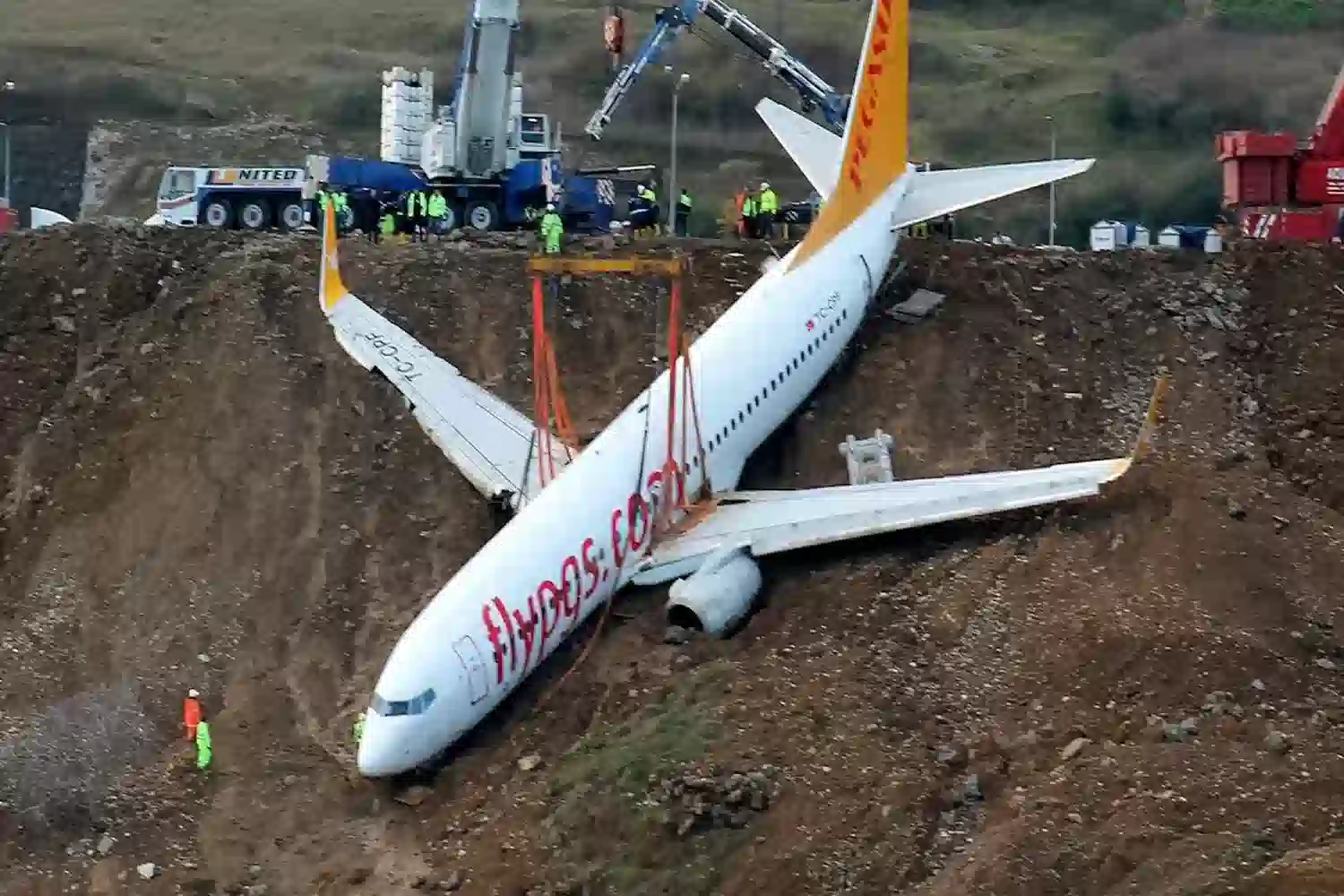
Understanding Airline Safety Risks
Airline safety is critical for travelers, with 4.5 billion passengers flying annually. While aviation is statistically safe, with a fatal accident rate of 0.02 per 100,000 flights, some airlines pose higher risks due to poor maintenance, outdated fleets, or operating in challenging regions. Jaynevy Tours helps you navigate these risks for safer travel.
Top 10 Most Dangerous Airlines
Based on safety ratings, incident history, and audits from sources like AirlineRatings.com and ICAO, the following airlines have concerning records:
1. Nepal Airlines
Country: Nepal
Safety Rating: 1/7 (AirlineRatings.com)
Incidents: 12 major incidents since 1990, including a 2014 crash killing 18. Poor maintenance and challenging Himalayan routes contribute to risks.
2. Kam Air
Country: Afghanistan
Safety Rating: 1/7
Incidents: 2005 crash killed 104. Limited oversight and aging aircraft increase dangers.
3. Tara Air
Country: Nepal
Safety Rating: 1/7
Incidents: 2022 crash claimed 22 lives. Small fleet and remote routes raise concerns.
4. Lion Air
Country: Indonesia
Safety Rating: 3/7
Incidents: 2018 Boeing 737 MAX crash killed 189. Maintenance issues and rapid expansion cited.
5. Blue Wing Airlines
Country: Suriname
Safety Rating: 2/7
Incidents: Multiple crashes, including 2008 (19 fatalities). EU ban due to safety violations.
6. SCAT Airlines
Country: Kazakhstan
Safety Rating: 2/7
Incidents: 2013 crash killed 21. Inconsistent maintenance and regulatory oversight noted.
7. Yeti Airlines
Country: Nepal
Safety Rating: 2/7
Incidents: 2023 crash killed 68. High-risk routes and aging aircraft contribute.
8. Iran Aseman Airlines
Country: Iran
Safety Rating: 3/7
Incidents: 2018 crash killed 66. Sanctions limit access to modern aircraft and parts.
9. Pakistan International Airlines
Country: Pakistan
Safety Rating: 3/7
Incidents: 2020 crash killed 97. Pilot licensing scandals and maintenance issues reported.
10. Air Koryo
Country: North Korea
Safety Rating: 1/7
Incidents: Limited data due to secrecy, but outdated Soviet-era fleet raises concerns.
Airline Safety Statistics Table
| Airline | Country | Major Incidents (Since 1990) | Notable Issues |
|---|---|---|---|
| Nepal Airlines | Nepal | 12 | Poor maintenance, Himalayan routes |
| Kam Air | Afghanistan | 3 | Aging fleet, limited oversight |
| Tara Air | Nepal | 5 | Remote routes, small fleet |
| Lion Air | Indonesia | 7 | Maintenance, rapid expansion |
| Blue Wing Airlines | Suriname | 4 | EU ban, crash history |
| SCAT Airlines | Kazakhstan | 3 | Inconsistent maintenance |
| Yeti Airlines | Nepal | 6 | Aging aircraft, high-risk routes |
| Iran Aseman Airlines | Iran | 4 | Sanctions, outdated fleet |
| Pakistan International Airlines | Pakistan | 5 | Pilot scandals, maintenance |
| Air Koryo | North Korea | Unknown | Outdated Soviet-era fleet |
Factors Contributing to Airline Danger
- Poor Maintenance: 60% of incidents in high-risk airlines stem from inadequate maintenance, per ICAO reports.
- Outdated Fleets: Airlines like Air Koryo operate aircraft over 30 years old, increasing risks.
- Challenging Environments: Nepal’s airlines face rugged terrain, with 70% of crashes linked to geography.
- Regulatory Oversight: Weak aviation authorities in countries like Afghanistan contribute to 40% of safety violations.
- Pilot Training: Scandals, like Pakistan’s 2020 fake license issue, affect 30% of pilots in some airlines.
Qualitative Insights: Traveler Experiences
A frequent flyer noted, “Flying with Nepal Airlines felt risky due to outdated planes and turbulence.” An aviation expert said, “Lion Air’s rapid growth outpaced its safety protocols, leading to preventable crashes.” Travelers often cite discomfort with airlines lacking transparent safety data, like Air Koryo.
Quantitative Data: Aviation Safety Trends
- Global Incidents: 1,200 aviation incidents annually, with 10% involving high-risk airlines.
- Fatalities: 300 fatalities yearly, 25% tied to the listed airlines since 2010.
- Safety Audits: 80% of these airlines fail IATA’s IOSA certification.
- Fleet Age: Average fleet age for high-risk airlines is 25 years, compared to 12 years for top airlines.
- EU Bans: 15% of global airlines, including Blue Wing, are banned in the EU for safety violations.
How to Choose Safer Airlines
- Check Ratings: Use AirlineRatings.com or IATA for safety scores.
- Research Fleets: Opt for airlines with planes under 15 years old.
- Verify Certifications: Ensure IOSA certification, met by 90% of top airlines.
- Avoid Banned Airlines: Check EU and FAA ban lists for restrictions.
- Book with Trusted Operators: Jaynevy Tours partners with safe airlines for your adventures.
Safest Airlines for Comparison
For contrast, airlines like Qantas (0 incidents since 2000), Emirates (7/7 rating), and Singapore Airlines (modern fleet, IOSA certified) set safety benchmarks. These carriers invest $10 billion annually in maintenance and training.
Travel Safely with Jaynevy Tours
Plan your adventures with Jaynevy Tours, ensuring safe flights to destinations like Mount Kilimanjaro, Zanzibar, or Serengeti. Contact us at +255 678 992 599 or jaynevytours@gmail.com.
Frequently Asked Questions
What makes an airline dangerous?
An airline is considered dangerous due to frequent incidents, crashes, poor maintenance, outdated fleets, or low safety ratings from bodies like ICAO.
Which airlines have the worst safety records?
Airlines like Nepal Airlines, Kam Air, and Tara Air have poor safety records due to frequent incidents and operating in challenging environments.
How can I check an airline’s safety rating?
Check ratings from AirlineRatings.com, IATA, or ICAO, which assess safety based on audits, incident history, and compliance.
Are low-cost airlines less safe?
Not necessarily. Many low-cost airlines like Ryanair meet global safety standards, but some budget carriers in high-risk regions may cut corners.
What are the safest airlines to fly with?
Airlines like Qantas, Emirates, and Singapore Airlines consistently rank high for safety due to modern fleets and strict protocols.