

Overview of China's Urban Population
China, home to 1.41 billion people, is the world’s most populous country, with 65% of its population living in urban areas as of 2024. Rapid urbanization, driven by economic reforms since the 1980s, has transformed cities into global economic hubs, with seven cities exceeding 10 million residents.
Top 10 Most Populated Cities in China
1. Shanghai
Population: 24.87 million (2024 estimate)
Shanghai, China’s financial capital, is a global hub for trade, finance, and innovation. Its skyline, featuring the Oriental Pearl Tower, attracts 8 million tourists annually. The city’s GDP exceeds $600 billion, driven by finance, tech, and shipping.

2. Beijing
Population: 21.89 million
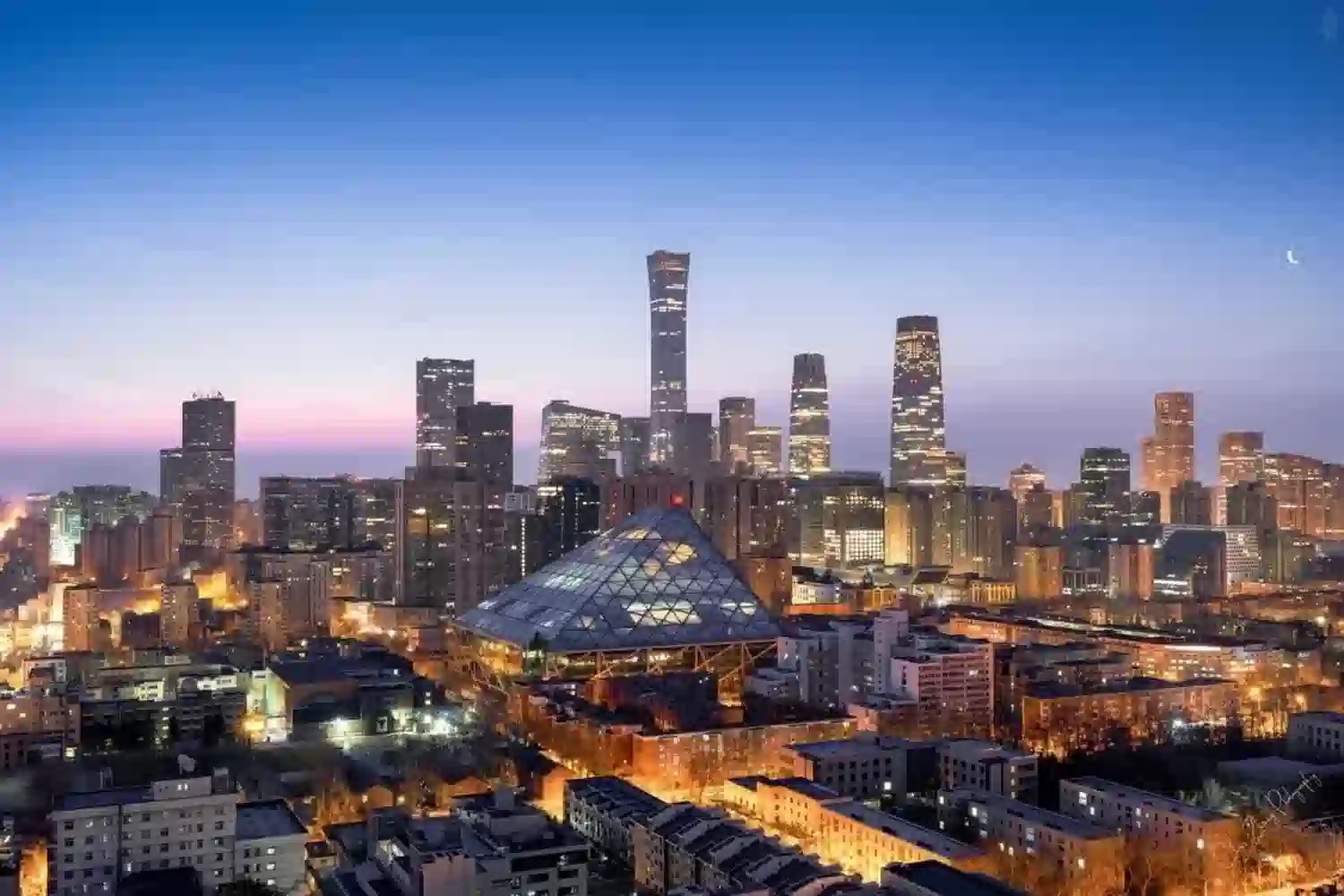
The political and cultural capital, Beijing hosts landmarks like the Forbidden City and Tiananmen Square. With a GDP of $580 billion, it’s a center for diplomacy and education, home to 92 universities.
3. Chongqing
Population: 16.34 million
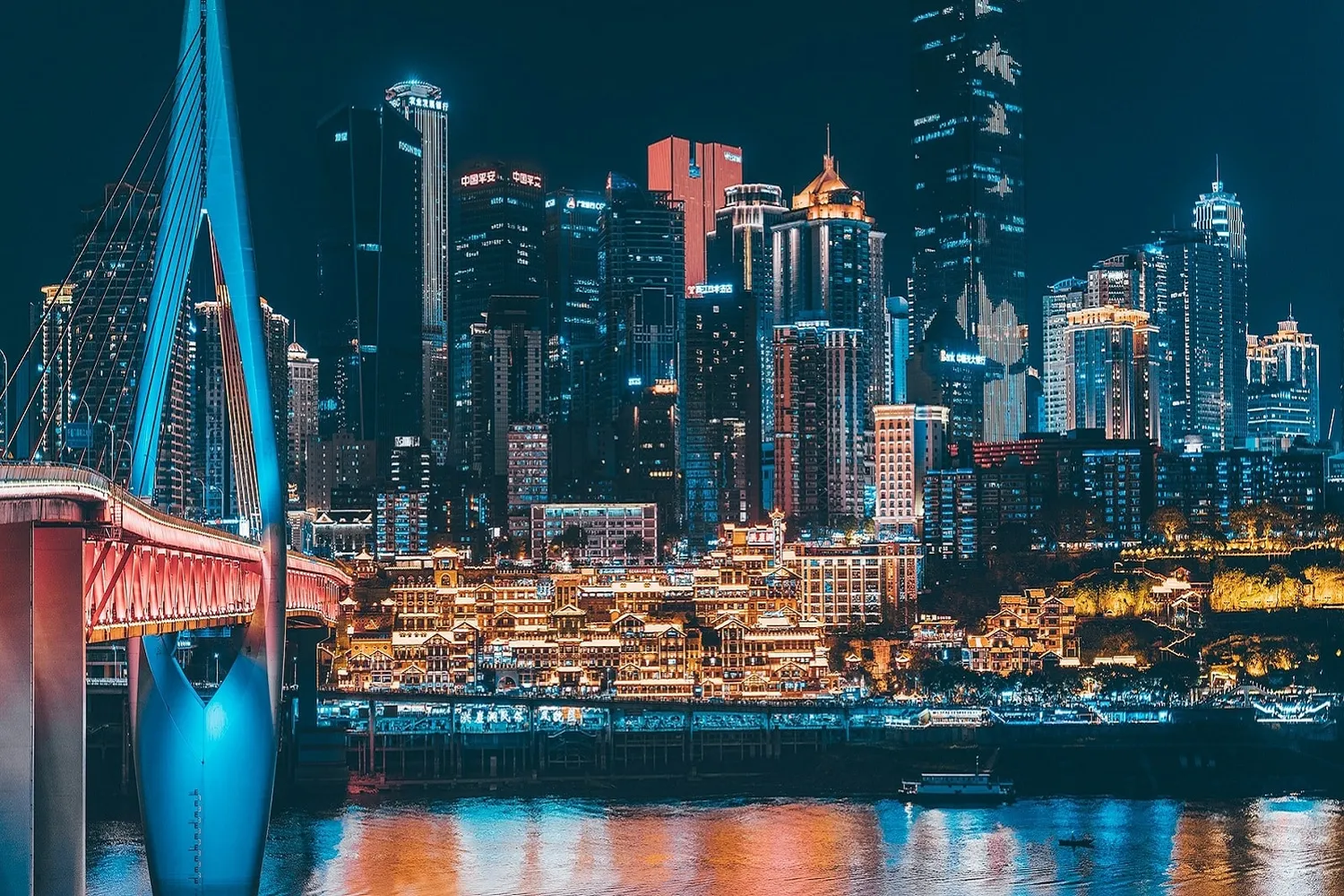
A sprawling municipality, Chongqing is a key industrial hub in western China. Its GDP of $430 billion is fueled by manufacturing and logistics, with the Yangtze River enhancing trade.
4. Tianjin
Population: 13.87 million
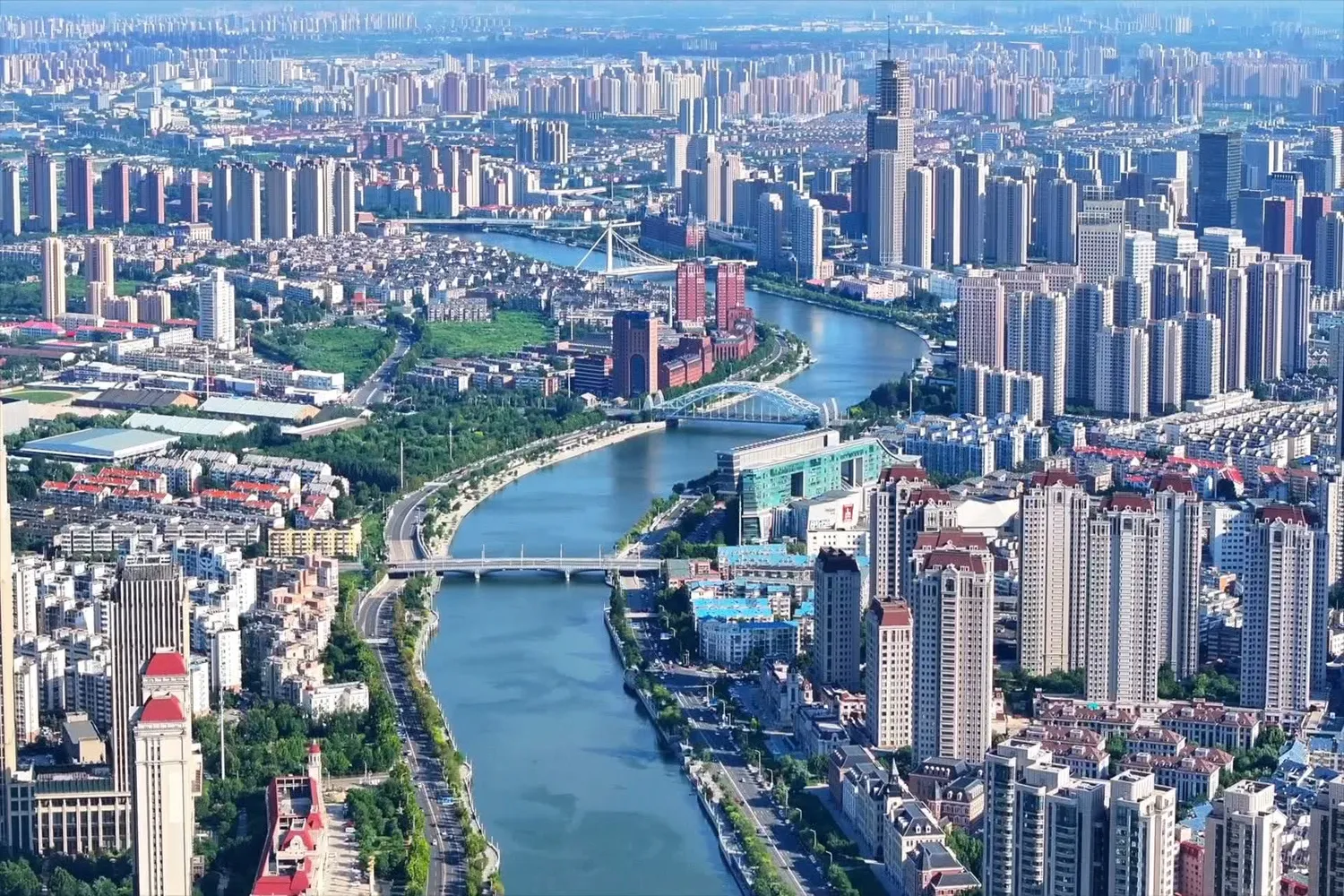
A major port city near Beijing, Tianjin’s economy ($220 billion GDP) thrives on shipping and aerospace. Its Binhai New Area is a growing financial district.
5. Guangzhou
Population: 13.24 million
Known for trade fairs like the Canton Fair, Guangzhou’s $400 billion economy is driven by manufacturing and commerce. The Pearl River Delta enhances its global trade role.

6. Shenzhen
Population: 12.83 million
A tech powerhouse, Shenzhen hosts giants like Huawei and Tencent. Its GDP ($470 billion) reflects rapid growth since its 1980s designation as a Special Economic Zone.

7. Chengdu
Population: 10.48 million
The cultural heart of Sichuan, Chengdu is famous for pandas and spicy cuisine. Its $300 billion economy supports tech and tourism.

8. Nanjing
Population: 9.31 million
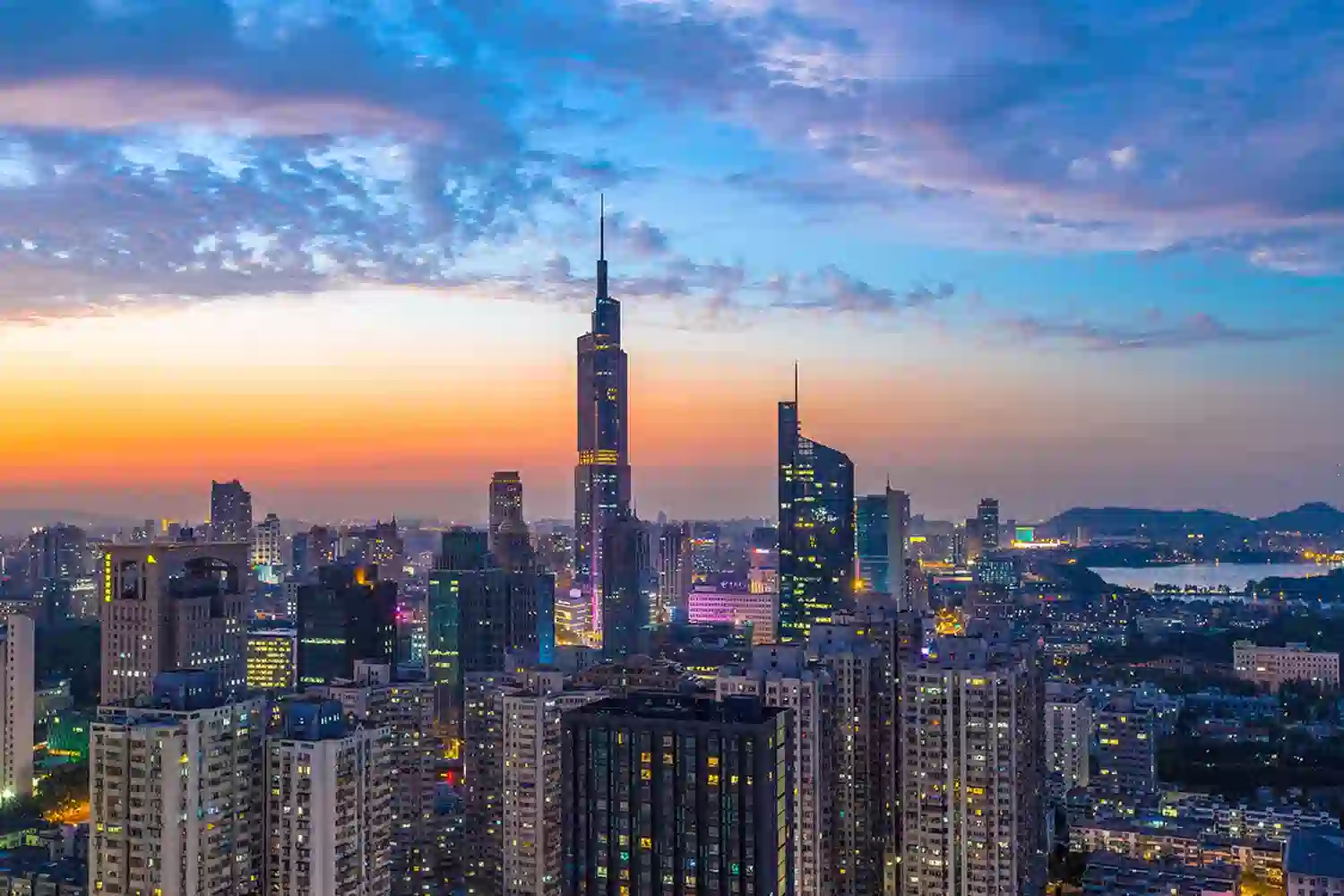
A historical city, Nanjing was once China’s capital. Its $240 billion economy focuses on electronics and education.
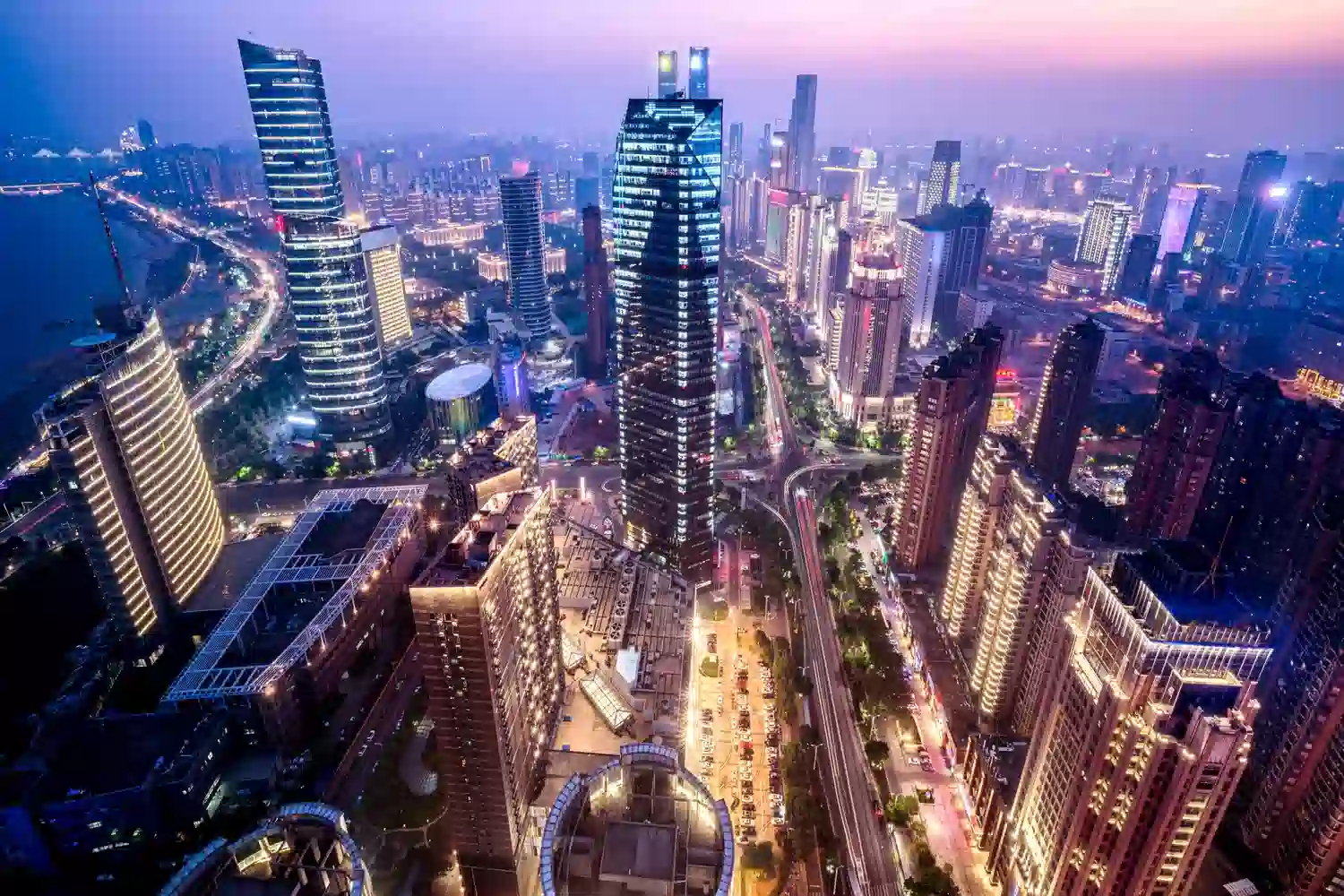
9. Wuhan
Population: 8.65 million
A central China transport hub, Wuhan’s $260 billion economy is driven by steel, automotive, and optics industries.
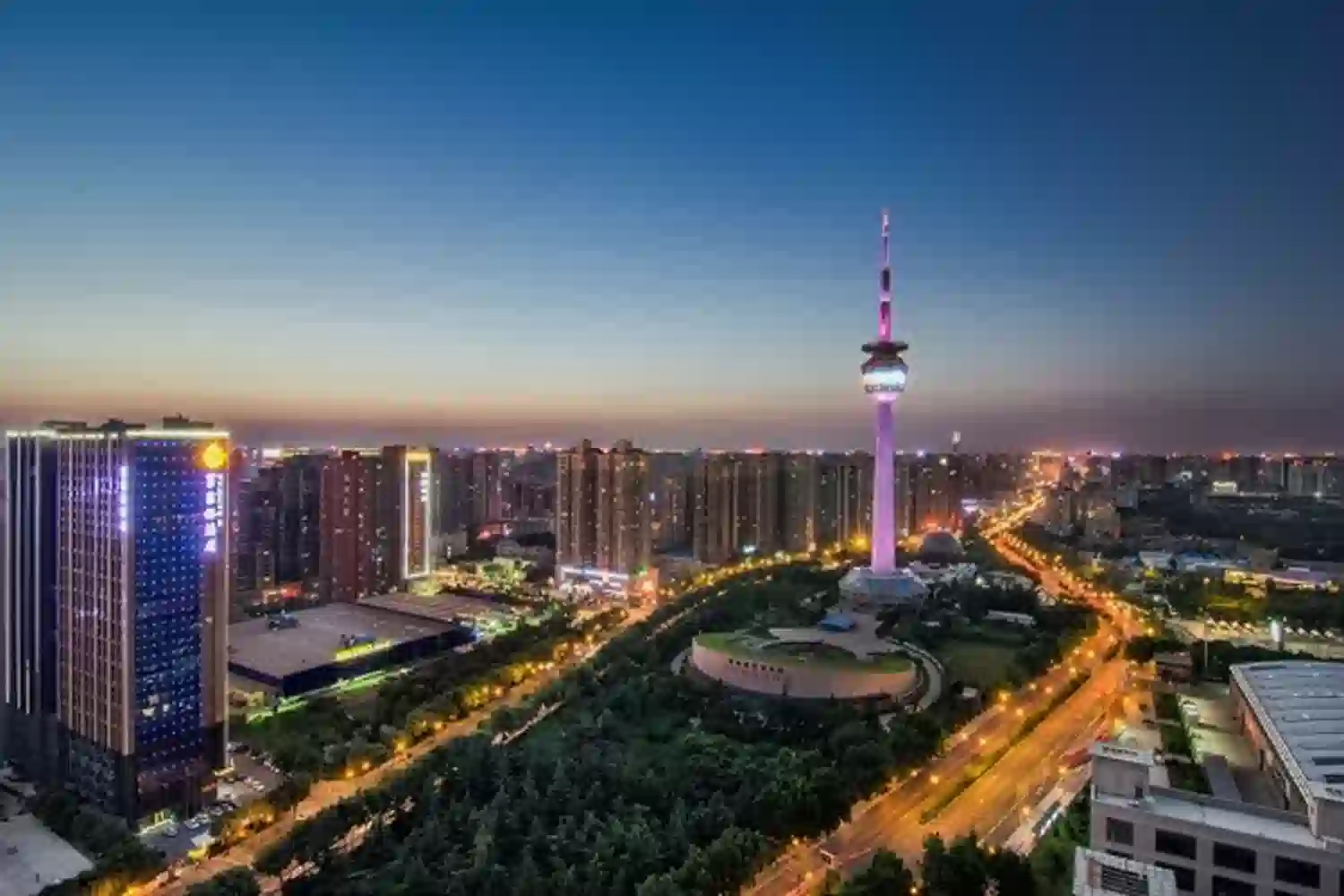
10. Xi’an
Population: 8.47 million
Home to the Terracotta Army, Xi’an blends history with a $150 billion economy in aerospace and tourism.
Population Statistics Table
| City | Population (2024, millions) | GDP (USD, billions) | Key Industries |
|---|---|---|---|
| Shanghai | 24.87 | 600 | Finance, Tech, Shipping |
| Beijing | 21.89 | 580 | Diplomacy, Education |
| Chongqing | 16.34 | 430 | Manufacturing, Logistics |
| Tianjin | 13.87 | 220 | Shipping, Aerospace |
| Guangzhou | 13.24 | 400 | Manufacturing, Commerce |
| Shenzhen | 12.83 | 470 | Tech, Innovation |
| Chengdu | 10.48 | 300 | Tech, Tourism |
| Nanjing | 9.31 | 240 | Electronics, Education |
| Wuhan | 8.65 | 260 | Steel, Automotive |
| Xi’an | 8.47 | 150 | Aerospace, Tourism |
Why Are Chinese Cities So Populated?
- Urbanization Policies: Since the 1980s, China’s economic reforms have encouraged rural-to-urban migration, with 300 million people moving to cities.
- Economic Opportunities: Cities like Shenzhen and Shanghai offer jobs in tech, finance, and manufacturing, attracting millions.
- Infrastructure Development: High-speed rail networks, like the 45,000 km system, connect cities, supporting urban growth.
- Government Investment: Special Economic Zones and urban planning have fueled growth in cities like Guangzhou.
- Education and Culture: Cities like Beijing host top universities and cultural landmarks, drawing students and tourists.
Qualitative Insights: Living in China’s Megacities
A Shanghai resident shared, “The city’s energy is unmatched, but traffic and housing costs are challenges.” In Beijing, a visitor noted, “The blend of ancient history and modern skyscrapers is fascinating.” Chengdu’s relaxed vibe and spicy food culture are praised by locals and tourists alike.
Tourism in China’s Populated Cities
China’s megacities are tourism hotspots. Shanghai’s Bund and Beijing’s Great Wall attract millions, with Shanghai alone generating $50 billion in tourism revenue annually. Chengdu’s panda sanctuaries and Xi’an’s Terracotta Army are UNESCO World Heritage Sites.
Tourism Tips
- Best Time to Visit: Spring (March–May) or autumn (September–November) for pleasant weather.
- Costs: Entry to major attractions ranges from $5–$20; guided tours cost $50–$150.
- Transport: Use high-speed trains (e.g., Beijing to Shanghai, $80) or metro systems ($0.50–$2 per ride).
- Cultural Etiquette: Learn basic Mandarin phrases and respect local customs.
Challenges of High Population Density
- Housing: Shanghai’s average home price is $7,000 per square meter, straining affordability.
- Traffic: Beijing’s roads see 6 million vehicles daily, causing congestion.
- Environment: Air pollution in cities like Tianjin requires ongoing mitigation efforts.
- Infrastructure Strain: Water and electricity demand in Chongqing exceeds supply during peak seasons.
Future Trends
China aims to cap urban populations in megacities like Beijing at 23 million by 2030, redirecting growth to smaller cities. Smart city initiatives, like Shenzhen’s 5G infrastructure, aim to enhance sustainability and livability.
Explore Global Adventures with Jaynevy Tours
From China’s bustling cities to Tanzania’s natural wonders, Jaynevy Tours offers curated experiences. Discover Mount Kilimanjaro, Zanzibar beaches, or Serengeti safaris. Plan your adventure today!
Frequently Asked Questions
What is the most populated city in China?
Shanghai is the most populated city in China, with over 24.87 million residents as of 2024.
How many cities in China have over 10 million people?
Seven cities in China have populations exceeding 10 million: Shanghai, Beijing, Chongqing, Tianjin, Guangzhou, Shenzhen, and Chengdu.
Why are Chinese cities so densely populated?
Urbanization, economic opportunities, and government policies promoting industrial and tech hubs drive high population density in Chinese cities.
Which Chinese city is best for tourists?
Beijing and Shanghai are top tourist destinations due to their cultural landmarks, modern attractions, and accessibility.
How does population density affect living conditions?
High density leads to challenges like traffic congestion and housing costs but also fosters vibrant economies and cultural diversity.