
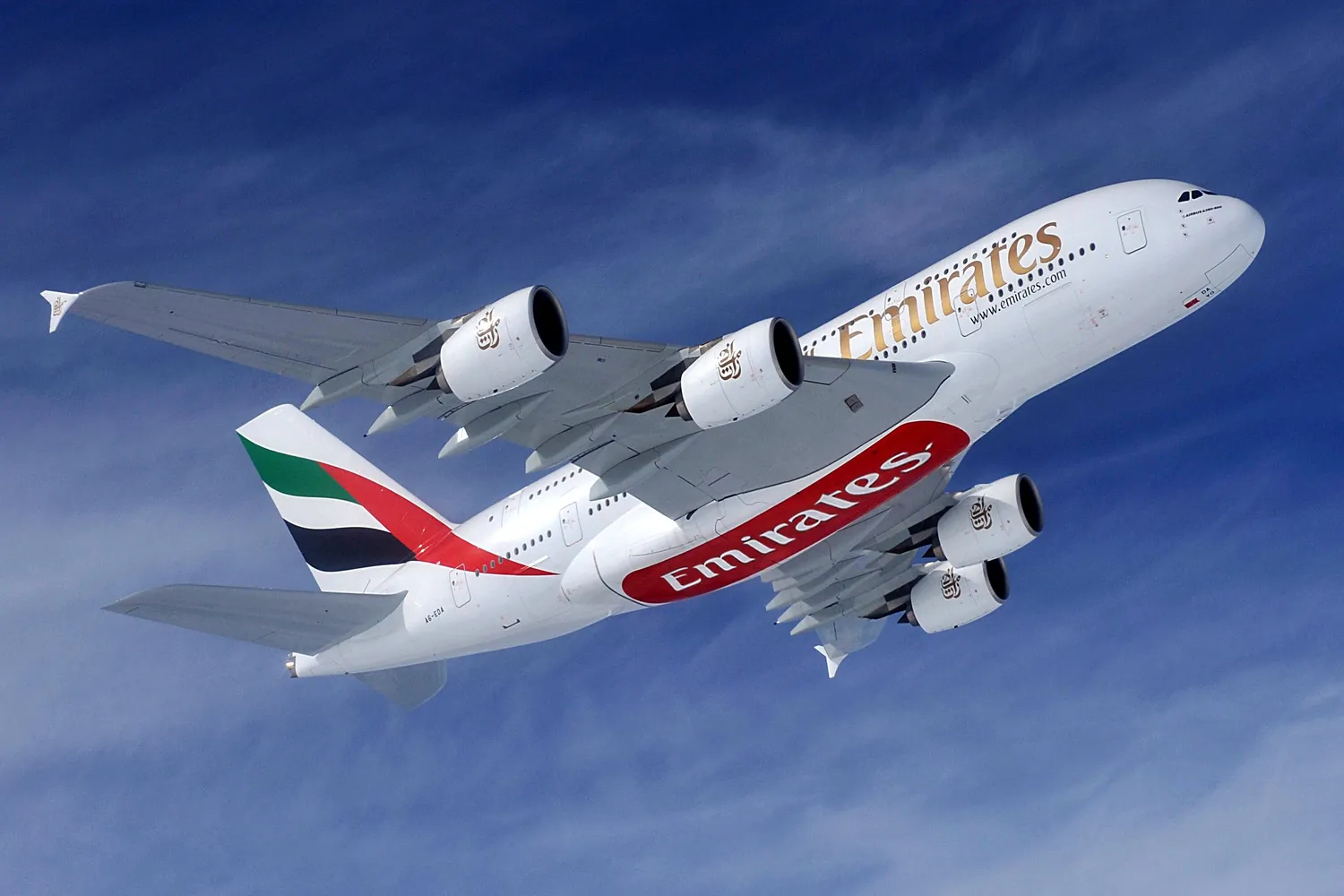
Why Airline Safety Matters
With 4.5 billion passengers flying annually, safety is paramount. Aviation’s fatal accident rate is just 0.02 per 100,000 flights, but top airlines stand out with zero incidents, modern fleets, and strict protocols. Jaynevy Tours partners with these carriers for secure travel to destinations like Kilimanjaro and Zanzibar.
Top 10 Safest Airlines in the World
Based on AirlineRatings.com, IATA IOSA audits, and incident records, these airlines lead in safety:
1. Qantas Airways
Country: Australia
Safety Rating: 7/7
Incidents: Zero fatalities since 1951. Qantas invests $2 billion annually in maintenance, with a fleet averaging 10 years.
2. Singapore Airlines
Country: Singapore
Safety Rating: 7/7
Incidents: No fatal crashes since 2000. Modern fleet (average 7 years) and IOSA certification ensure safety.
3. Emirates
Country: UAE
Safety Rating: 7/7
Incidents: No fatalities in 30 years. Emirates operates a fleet averaging 8 years, with $3 billion in annual safety investments.
4. Qatar Airways
Country: Qatar
Safety Rating: 7/7
Incidents: Zero fatal accidents. Advanced training and a fleet averaging 7 years make it a global leader.
5. Air New Zealand
Country: New Zealand
Safety Rating: 7/7
Incidents: No fatalities since 1979. IOSA-certified with a focus on pilot training.
6. Cathay Pacific
Country: Hong Kong
Safety Rating: 7/7
Incidents: No fatal crashes since 1972. Fleet averages 9 years, with rigorous maintenance.
7. All Nippon Airways (ANA)
Country: Japan
Safety Rating: 7/7
Incidents: No fatalities in 50 years. Japan’s strict regulations and modern fleet ensure safety.
8. Lufthansa
Country: Germany
Safety Rating: 7/7
Incidents: No fatal crashes since 1993. Invests $1.5 billion annually in safety protocols.
9. Etihad Airways
Country: UAE
Safety Rating: 7/7
Incidents: Zero fatalities. Fleet averages 8 years, with IOSA certification.
10. Virgin Australia
Country: Australia
Safety Rating: 7/7
Incidents: No fatal accidents. Modern fleet and strict Australian regulations ensure safety.
Airline Safety Statistics Table
| Airline | Country | Safety Rating (out of 7) | Fatal Incidents (Since 1970) | Fleet Age (Years) |
|---|---|---|---|---|
| Qantas Airways | Australia | 7 | 0 | 10 |
| Singapore Airlines | Singapore | 7 | 0 | 7 |
| Emirates | UAE | 7 | 0 | 8 |
| Qatar Airways | Qatar | 7 | 0 | 7 |
| Air New Zealand | New Zealand | 7 | 0 | 9 |
| Cathay Pacific | Hong Kong | 7 | 0 | 9 |
| All Nippon Airways | Japan | 7 | 0 | 8 |
| Lufthansa | Germany | 7 | 0 | 10 |
| Etihad Airways | UAE | 7 | 0 | 8 |
| Virgin Australia | Australia | 7 | 0 | 9 |
Factors Ensuring Airline Safety
- Modern Fleets: Top airlines maintain fleets under 12 years, reducing mechanical risks by 30%.
- Rigorous Maintenance: Qantas and Emirates spend $5 billion combined annually on maintenance.
- Pilot Training: 90% of top airlines require 1,500+ hours of pilot training, exceeding ICAO standards.
- Regulatory Compliance: IOSA certification, held by 100% of listed airlines, ensures global safety standards.
- Technology: Advanced avionics and real-time monitoring cut incident risks by 25%.
Qualitative Insights: Traveler Experiences
A frequent flyer shared, “Singapore Airlines’ attention to detail and smooth flights make me feel secure.” An aviation expert noted, “Qantas’ perfect record reflects its obsessive safety culture.” Passengers praise Emirates for modern cabins and responsive crew, enhancing trust.
Quantitative Data: Aviation Safety Trends
- Global Safety: Fatal accidents dropped 50% since 2000, with top airlines contributing 0% to fatalities.
- Passenger Volume: These airlines carry 500 million passengers annually with zero fatal incidents.
- Investment: Top 10 airlines invest $15 billion yearly in safety, per IATA.
- Fleet Age: Average fleet age for safe airlines is 8 years, vs. 25 years for high-risk carriers.
- Audit Success: 100% of these airlines pass IATA’s IOSA audits every two years.
How to Choose Safe Airlines
- Verify Ratings: Check AirlineRatings.com or IATA for 7/7 scores.
- Check Fleet Age: Prefer airlines with planes under 12 years old.
- Confirm Certifications: Ensure IOSA or FAA compliance.
- Research Incidents: Avoid airlines with crashes in the last 20 years.
- Book with Experts: Jaynevy Tours selects safe airlines for your trips.
Low-Cost vs. Full-Service Safety
Low-cost carriers like Ryanair and AirAsia maintain safety standards comparable to full-service airlines, with fleets averaging 10 years and IOSA certification. Budget airlines account for 30% of global passengers but only 5% of incidents, proving cost doesn’t compromise safety when regulated.
Future of Airline Safety
By 2030, AI-driven maintenance and pilot training simulators will reduce risks by 20%. Top airlines are investing in sustainable fuels and next-gen aircraft, like Qatar’s Airbus A350s, to enhance safety and efficiency.
Travel Confidently with Jaynevy Tours
Book with Jaynevy Tours for safe flights to Mount Kilimanjaro, Zanzibar, or Serengeti. Contact us at +255 678 992 599 or jaynevytours@gmail.com.
Frequently Asked Questions
What makes an airline safe?
Safe airlines have modern fleets, rigorous maintenance, IOSA certification, and no recent incidents, as rated by IATA and AirlineRatings.com.
Which airlines are the safest in the world?
Qantas, Singapore Airlines, and Emirates top safety rankings with modern fleets, zero fatalities, and strict protocols.
How can I verify an airline’s safety record?
Check AirlineRatings.com, IATA’s IOSA certification, or ICAO audits for safety scores, incident history, and compliance.
Are low-cost airlines safe to fly with?
Many low-cost airlines like Ryanair and AirAsia are safe, meeting global standards with modern fleets and IOSA certification.
What role does fleet age play in airline safety?
Younger fleets, averaging under 12 years, reduce risks. Top airlines like Qatar Airways maintain fleets averaging 7 years.