
Why Visit Ancient Ruins and Museums?
Ancient ruins and museums offer a window into human history, preserving artifacts and architecture from civilizations past. Globally, cultural tourism, including visits to such sites, contributes $1 trillion annually and supports 40 million jobs, with Rome, Kyoto, and Istanbul ranking among top destinations.
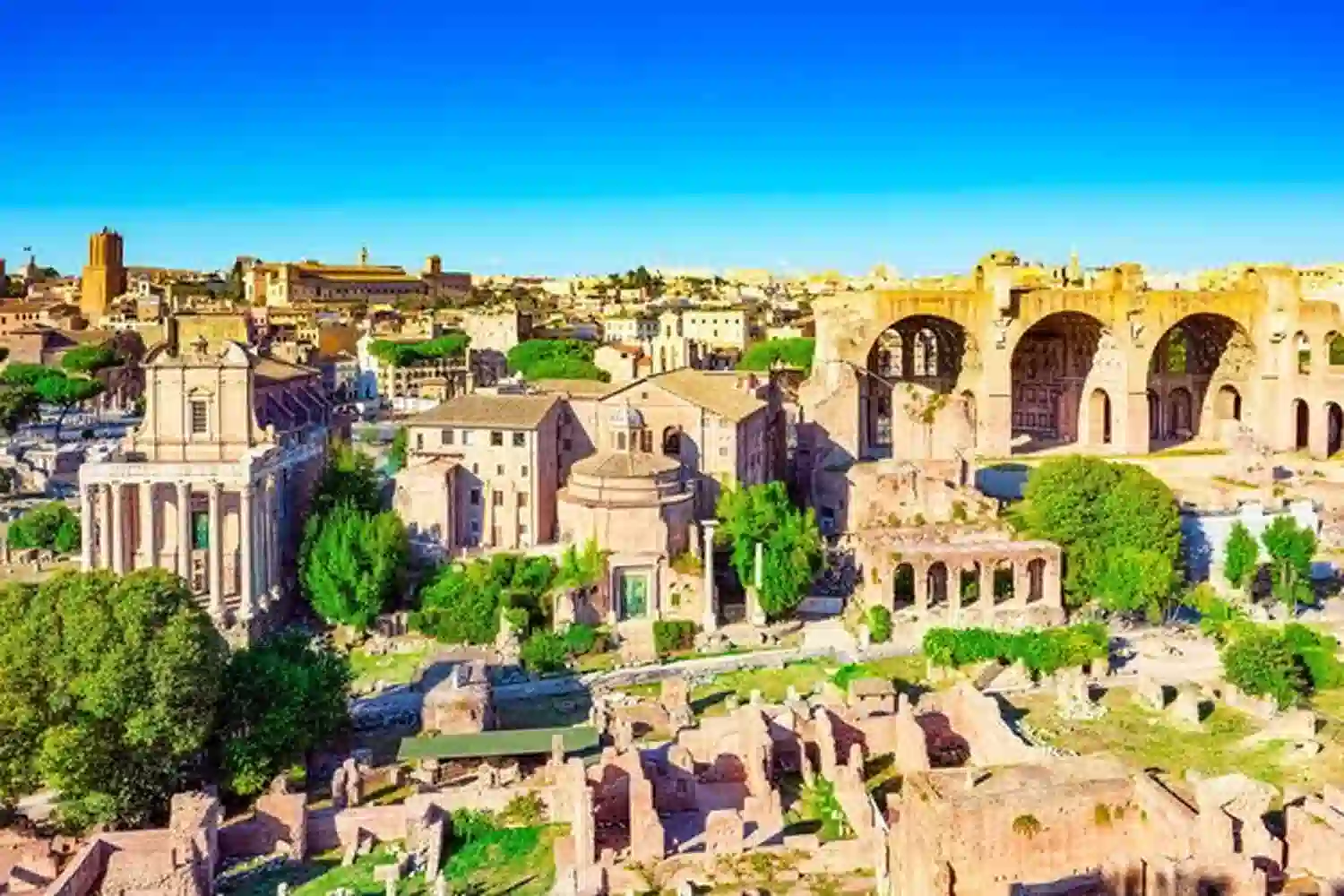
Rome: The Eternal City’s Ancient Treasures
Ancient Ruins in Rome
- Colosseum: A 1st-century amphitheater hosting 50,000 spectators, now drawing 7.6 million visitors yearly. UNESCO-listed, it symbolizes Roman engineering.
- Roman Forum: The political and religious heart of ancient Rome, with ruins like the Temple of Saturn, visited by 4.5 million annually.
- Palatine Hill: The mythical founding site of Rome, featuring imperial palaces, attracting 3 million tourists yearly.

Museums in Rome
- Vatican Museums: Housing 70,000 artworks, including the Sistine Chapel, they attract 6 million visitors yearly with Michelangelo’s frescoes.
- Capitoline Museums: The world’s oldest public museum (1471), showcasing Roman artifacts like the She-Wolf statue, with 1.3 million annual visitors.
- National Roman Museum: Spread across four sites, it displays 100,000+ artifacts, including mosaics, visited by 800,000 yearly.
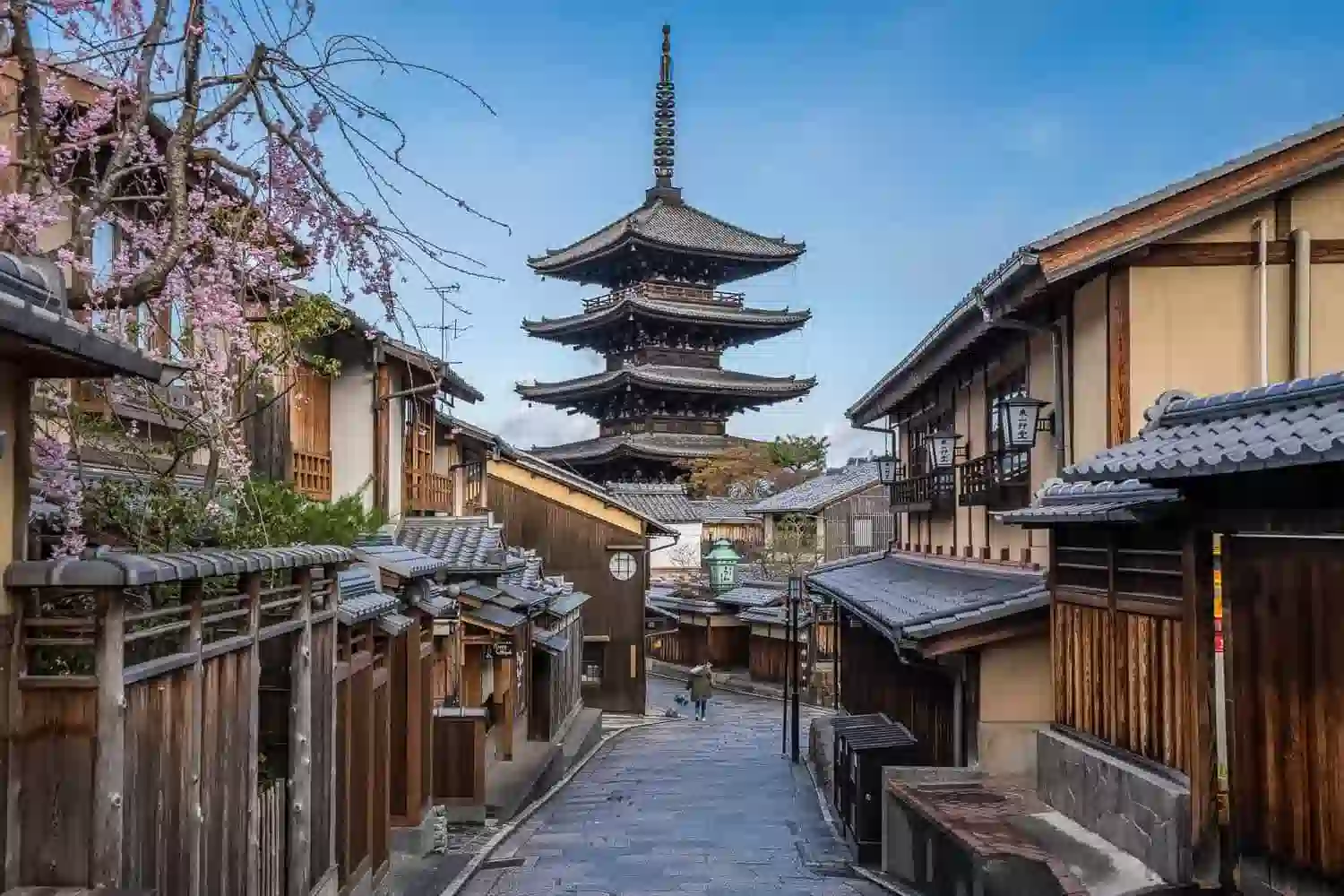
Kyoto: Japan’s Cultural Heart
Ancient Ruins in Kyoto
- Fushimi Inari Taisha: A 711 AD shrine with 10,000 torii gates, drawing 2.7 million visitors yearly for its spiritual ambiance.
- Kinkaku-ji (Golden Pavilion): A 1397 Zen temple covered in gold leaf, attracting 1.5 million tourists annually, UNESCO-listed.
- Nijo Castle: A 1603 shogunate residence with preserved gardens, hosting 1.2 million visitors yearly.
Museums in Kyoto
- Kyoto National Museum: Featuring 12,000 Japanese artworks, including samurai armor, it draws 400,000 visitors yearly.
- Kyoto Museum of Crafts and Design: Showcasing 74 traditional crafts, like kimono textiles, visited by 200,000 annually.
- Museum of Kyoto: Chronicling 1,200 years of Kyoto’s history with 5,000 artifacts, attracting 150,000 tourists yearly.
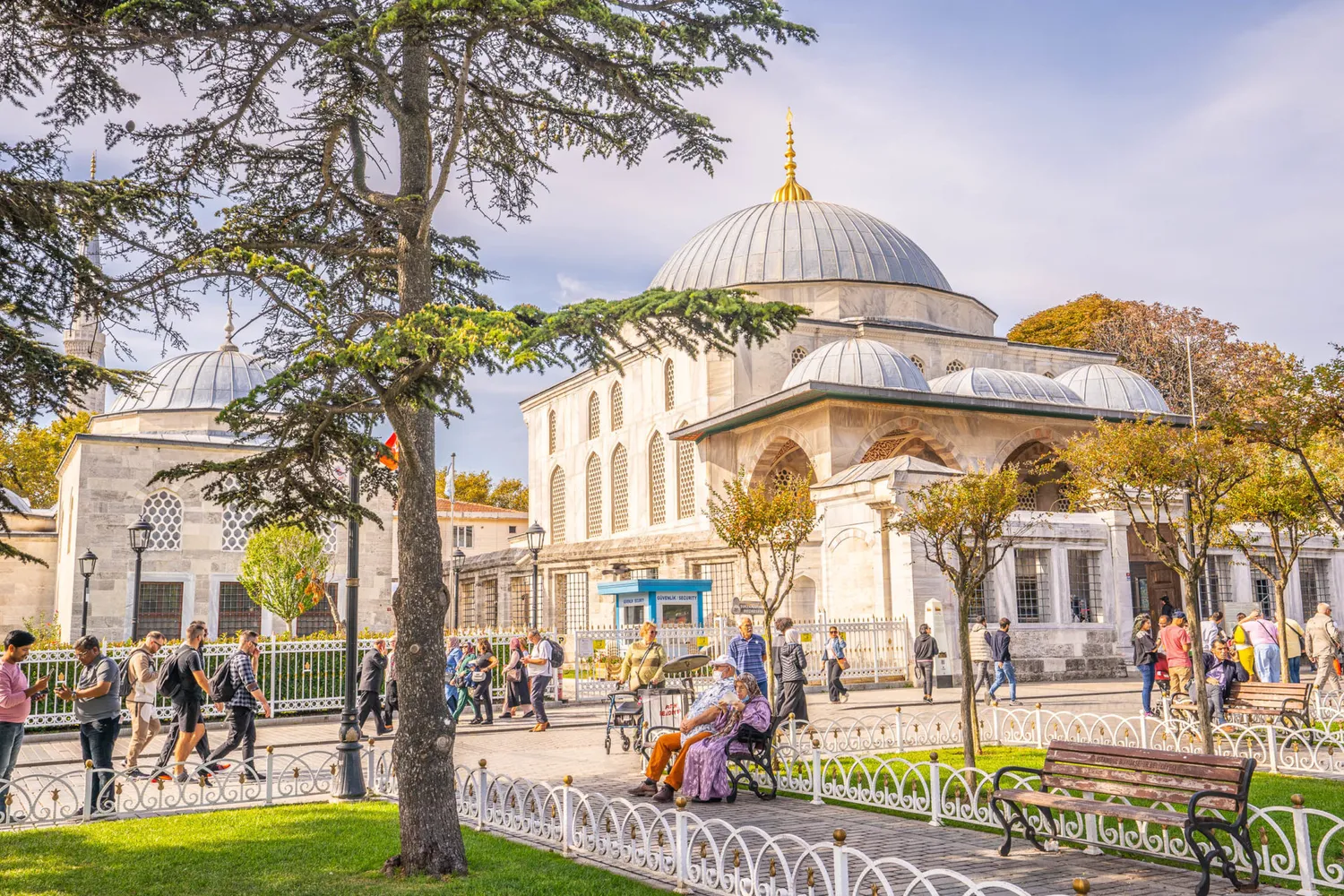
Istanbul: Bridge of Civilizations
Ancient Ruins in Istanbul
- Hagia Sophia: A 537 AD Byzantine cathedral-turned-mosque, now a museum, drawing 3.5 million visitors yearly, UNESCO-listed.
- Basilica Cistern: A 6th-century underground reservoir with 336 columns, visited by 2 million annually.
- Topkapi Palace: A 15th-century Ottoman residence, housing imperial treasures, attracting 2.5 million tourists yearly.
Museums in Istanbul
- Istanbul Archaeology Museums: With 1 million artifacts, including the Alexander Sarcophagus, it draws 500,000 visitors yearly.
- Museum of Turkish and Islamic Arts: Housing 40,000 items like carpets and calligraphy, visited by 300,000 annually.
- Pera Museum: Featuring Ottoman art and the “Tortoise Trainer” painting, attracting 200,000 tourists yearly.
Comparison Table: Ruins and Museums
| City | Key Ruin | Annual Visitors (Millions) | Key Museum | Annual Visitors (Millions) |
|---|---|---|---|---|
| Rome | Colosseum | 7.6 | Vatican Museums | 6.0 |
| Kyoto | Fushimi Inari Taisha | 2.7 | Kyoto National Museum | 0.4 |
| Istanbul | Hagia Sophia | 3.5 | Istanbul Archaeology Museums | 0.5 |
Why These Cities Stand Out
- Historical Depth: Rome’s ruins span 2,000 years, Kyoto’s temples reflect 1,200 years, and Istanbul bridges 1,500 years of empires.
- Cultural Significance: 70% of visitors seek UNESCO sites, with these cities hosting 15 combined.
- Artifact Collections: Museums like the Vatican and Istanbul Archaeology hold over 100,000 artifacts each.
- Tourism Revenue: Rome generates $10 billion, Istanbul $8 billion, and Kyoto $3 billion annually from cultural tourism.
- Visitor Experience: Guided tours, available in 80% of these sites, enhance understanding of historical context.
Qualitative Insights: Voices from the Sites
A Roman archaeologist shared, “The Colosseum’s stones tell stories of gladiators and emperors.” A Kyoto curator noted, “Our museum preserves Japan’s soul through art.” An Istanbul guide said, “Hagia Sophia’s domes blend Christian and Islamic heritage.” These perspectives deepen the cultural experience.
Economic and Cultural Impact
These sites sustain local economies, with Rome’s Colosseum generating $1 billion in ticket revenue yearly. Preservation efforts, costing $500 million annually across these cities, ensure longevity. However, overtourism, with 70% of visitors concentrated in peak seasons, strains infrastructure.
Planning Your Cultural Visit
- Timing: Visit in spring or fall to avoid 30% higher crowds in summer.
- Tickets: Pre-book for sites like the Vatican Museums to skip lines, saving 2 hours on average.
- Guided Tours: 85% of tourists prefer expert-led tours for ruins like the Roman Forum.
- Museum Passes: City passes in Rome and Istanbul save 20% on entry fees.
- Sustainability: Support eco-friendly tours to reduce the 10% annual wear on sites like Hagia Sophia.
Challenges Facing These Sites
- Overtourism: Rome’s Colosseum limits visitors to 3,000 hourly to manage crowds.
- Preservation Costs: Kyoto’s temples require $50 million yearly for maintenance.
- Environmental Impact: Istanbul’s Basilica Cistern faces flooding risks, costing $10 million in repairs.
- Cultural Sensitivity: 15% of visitor feedback cites disrespect, like inappropriate attire at sacred sites.
Future of Cultural Tourism
By 2030, cultural tourism is expected to grow 12%, with augmented reality tours enhancing 50% of museum visits. Investments in sustainable tourism, like Kyoto’s $100 million preservation fund, aim to protect 75% more artifacts.
Travel with Jaynevy Tours
Discover these ancient ruins and museums with Jaynevy Tours. From Mount Kilimanjaro treks to Zanzibar beaches and Serengeti safaris, we offer curated cultural journeys. Book today!
Frequently Asked Questions
What are the must-see ancient ruins in Rome?
Key ruins in Rome include the Colosseum, Roman Forum, and Palatine Hill, showcasing ancient Roman architecture and history.
Which museums in Kyoto are best for cultural artifacts?
The Kyoto National Museum and Kyoto Museum of Crafts and Design house ancient Japanese art, textiles, and ceramics.
What are the top ancient sites in Istanbul?
Hagia Sophia, Topkapi Palace, and the Basilica Cistern are iconic, reflecting Byzantine and Ottoman heritage.
When is the best time to visit these cultural sites?
Spring (April-May) and fall (September-October) offer mild weather and fewer crowds for exploring ruins and museums.
How can I plan a cultural trip to these cities?
Book guided tours with Jaynevy Tours, purchase museum passes, and visit during off-peak hours for an immersive experience.