
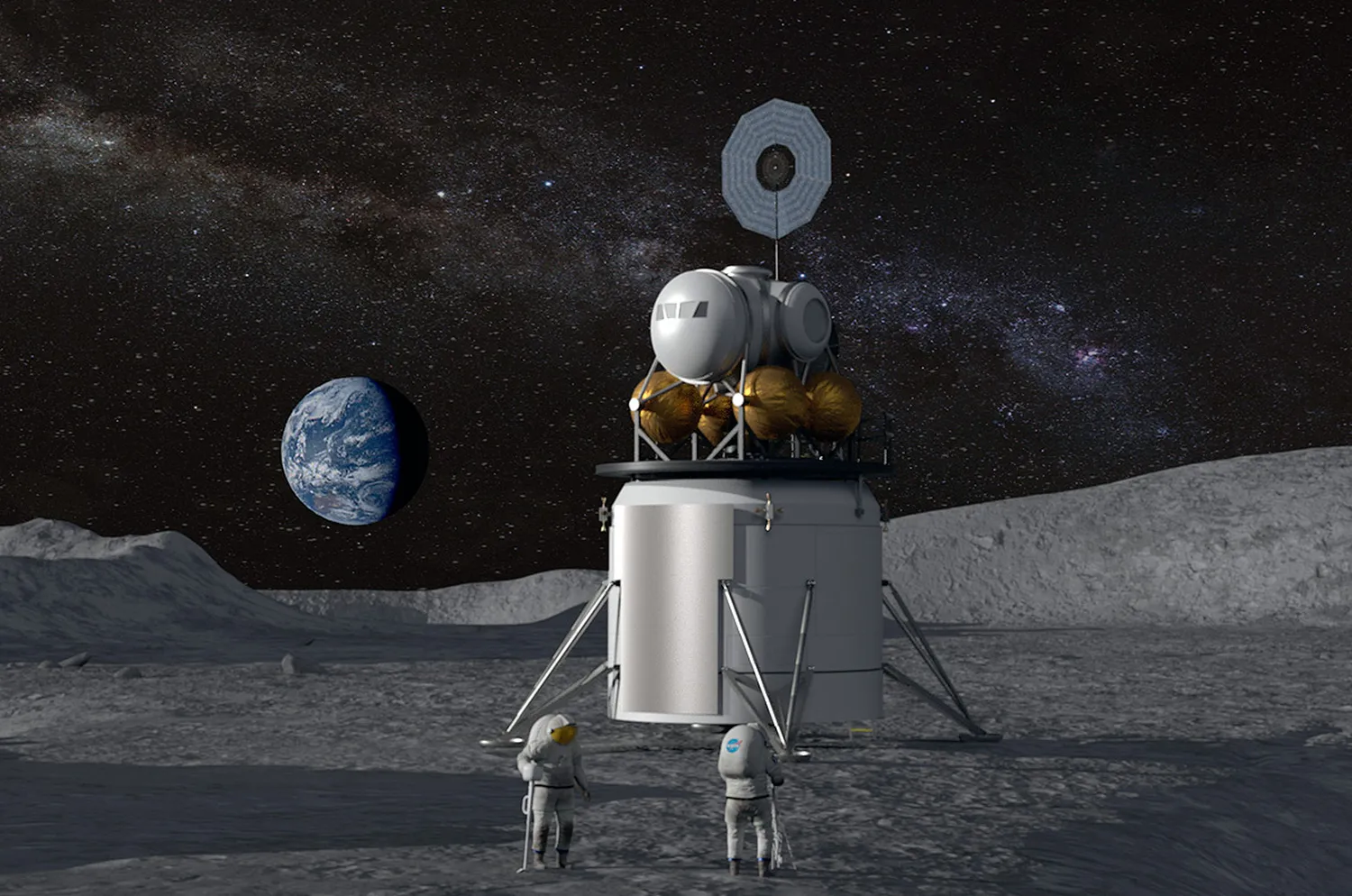
What Is the NASA Artemis Program?
The NASA Artemis Program is NASA’s bold initiative to return humans to the Moon and build a lasting presence there. Unlike quick visits in the past, this program focuses on sustainable exploration that opens doors to deeper space travel. It brings together governments, private companies, and scientists from around the world to tackle big challenges like living and working on the Moon. For beginners, think of it as the next chapter after the famous Apollo missions — but with smarter technology, more inclusive teams, and a clear path toward sending people to Mars one day.
Why NASA Is Returning to the Moon Through the Artemis Program
Humans last walked on the Moon in 1972. Since then, we’ve learned a lot about space, but many questions remain. The NASA Artemis Program aims to answer them by exploring new areas of the Moon, especially the south pole where water ice could provide resources for future bases. Scientists want to study the Moon’s geology, test how humans handle long stays away from Earth, and develop tools for living off the land. Ultimately, these steps help prepare for the much longer and more difficult journey to Mars. The program also creates economic opportunities through new space technologies that benefit life on Earth.
Simple Explanation: How the NASA Artemis Program Works
At its heart, the NASA Artemis Program uses powerful rockets and spacecraft to carry astronauts safely to the Moon and back. The giant Space Launch System (SLS) rocket lifts the Orion spacecraft into space. Orion can carry up to four astronauts and has advanced life support systems designed for deep space. Future missions will include lunar landers built by commercial partners to take crews from orbit down to the surface. The program builds step by step — starting with tests, then crewed flights around the Moon, and eventually landings and base construction. International partners like the Canadian Space Agency and European Space Agency contribute key parts, making it a true global effort.
Key Technology in the NASA Artemis Program
- Space Launch System (SLS): The most powerful rocket ever built, capable of sending heavy payloads toward the Moon.
- Orion Spacecraft: The crew vehicle that protects astronauts during launch, travel, and re-entry.
- Human Landing System (HLS): Commercial landers that will ferry astronauts between lunar orbit and the surface.
- Lunar Gateway (evolving plans): A small space station in lunar orbit that supports longer missions.
Major Missions in the NASA Artemis Program
The NASA Artemis Program unfolds through a series of increasingly complex missions. Artemis I was an uncrewed test flight in 2022 that successfully sent Orion around the Moon. Artemis II, launched in 2026, carried four astronauts on a lunar flyby — the first crewed mission beyond low Earth orbit in over 50 years. Future flights will include actual landings, habitat testing, and scientific exploration. Each mission gathers data to make the next one safer and more productive.
Artemis Missions Overview Table
| Mission | Year | Type | Key Goal |
|---|---|---|---|
| Artemis I | 2022 | Uncrewed | Test SLS and Orion |
| Artemis II | 2026 | Crewed Flyby | Human deep space test |
| Artemis III | 2027+ | Crewed Landing Prep | Lander docking tests |
| Artemis IV & V | 2028+ | Crewed Landing | Surface exploration |
Quantitative Facts About the NASA Artemis Program
- Rocket Power: SLS delivers up to 39 million newtons of thrust at liftoff.
- Crew Capacity: Orion spacecraft designed to carry four astronauts for up to three weeks.
- Distance Record: Artemis II broke previous human distance records by traveling beyond 250,000 miles from Earth.
- Program Cost: Early estimates placed cumulative spending through the mid-2020s in the tens of billions, reflecting major investment in new technology.
- Partnerships: Involves multiple international space agencies and commercial companies for landers and habitats.
Qualitative Insights: What Makes Artemis Special for Beginners
One of the most exciting aspects of the NASA Artemis Program is its focus on inclusion. It plans to land the first woman and the first person of color on the Moon, inspiring a whole new generation — often called the Artemis Generation. The program also emphasizes sustainability by learning to use lunar resources like water ice for fuel and oxygen. This “living off the land” approach is crucial for longer trips to Mars, where resupply from Earth will be much harder. Astronauts will conduct science on the Moon that simply isn’t possible from robotic probes alone, giving us deeper understanding of our solar system.
Benefits and Challenges of the NASA Artemis Program
The program promises scientific discoveries, new technologies that improve life on Earth (such as better materials and medical advances), and economic growth through commercial space industry jobs. Challenges include tight schedules, technical hurdles with new rockets and landers, and the high costs of deep space travel. NASA and its partners continue to solve these through rigorous testing and international teamwork. The long-term vision — a sustainable human presence on the Moon as a stepping stone to Mars — motivates everyone involved.
How the NASA Artemis Program Prepares Us for Mars
Every lesson learned on the Moon helps pave the way for Mars. Living in lunar habitats will teach us about radiation protection, life support systems, and psychological effects of isolation. Testing rovers, suits, and resource extraction on the Moon provides practical experience before attempting the much longer journey to the Red Planet. In many ways, the NASA Artemis Program is not just about going back to the Moon — it’s about learning how to live and explore across the solar system.
Explore the Spirit of Discovery with Jaynevy Tours
The same sense of wonder that drives the NASA Artemis Program also inspires travel here on Earth. Whether you dream of vast savannas or towering mountains, Jaynevy Tours can help you experience Tanzania’s natural wonders — from Serengeti safaris to Mount Kilimanjaro climbs and Zanzibar beach getaways. Let exploration fuel your next adventure!
Frequently Asked Questions
What is the NASA Artemis Program explained simply?
The NASA Artemis Program is NASA’s plan to return humans to the Moon, establish a sustainable presence there, and use what we learn to prepare for sending astronauts to Mars in the future. It builds on the Apollo missions but includes new technology, international partners, and diversity goals like landing the first woman and first person of color on the Moon.
Why is the program called Artemis?
Artemis is named after the Greek goddess of the Moon and the twin sister of Apollo. Just as the Apollo program took the first humans to the Moon, Artemis represents the next chapter in lunar exploration with modern goals and technology.
What are the main goals of the NASA Artemis Program?
Key goals include landing astronauts on the Moon (starting with the lunar south pole), creating long-term bases for scientific research, testing technologies for deep space travel, fostering international and commercial partnerships, and gathering knowledge needed for future human missions to Mars.
What is the difference between Artemis and the Apollo program?
Apollo focused on short visits to the Moon in the 1960s and 1970s. Artemis aims for sustainable exploration with reusable systems, lunar bases, international collaboration, and preparation for Mars. It also emphasizes diversity and long-term economic benefits from space resources.
What major missions are part of the NASA Artemis Program?
Artemis I (2022, uncrewed test), Artemis II (2026, crewed lunar flyby), Artemis III (planned lunar landing demonstration), and future missions like Artemis IV and V that will expand lunar presence and test landers and habitats.