
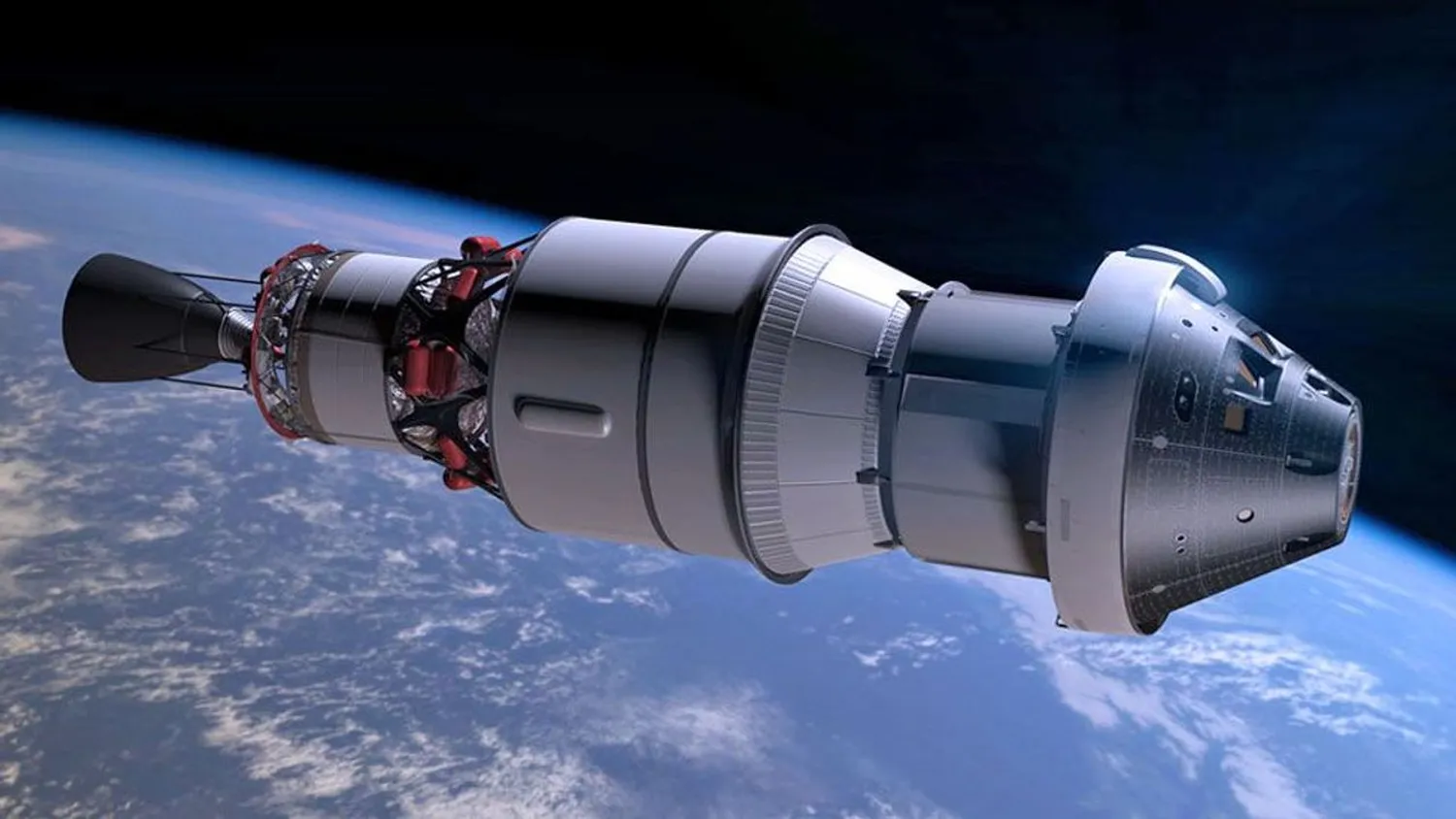
Introduction to Orion Spacecraft Features
The Orion spacecraft stands as NASA’s most advanced crewed vehicle for journeys beyond low Earth orbit. Its thoughtful design blends proven shapes from the past with modern engineering to create a reliable home for astronauts traveling to the Moon. Every Orion spacecraft feature focuses on keeping the crew safe, comfortable, and productive during long-duration missions in the harsh environment of deep space. From powerful abort systems during launch to gentle splashdown on Earth, Orion represents decades of innovation aimed at expanding humanity’s reach in the solar system.
Overall Design and Structure of the Orion Spacecraft
Orion consists of several key parts working together seamlessly. The cone-shaped crew module houses the astronauts and serves as the only part that returns to Earth. Attached to it is the European Service Module, which supplies propulsion, power, and essential resources. A launch abort system sits on top during ascent to provide emergency escape capability. The entire stack launches atop the powerful Space Launch System rocket. This modular approach allows engineers to optimize each section for its specific role while ensuring the whole spacecraft can handle the stresses of launch, deep space travel, and high-speed atmospheric re-entry.
Crew Module: Heart of the Orion Spacecraft Features
The crew module offers a spacious and comfortable environment for up to four astronauts. With roughly 316 to 330 cubic feet of habitable volume, it provides about 57% more living space than the Apollo command module. This extra room allows for better movement, private sleeping quarters, and even a dedicated toilet facility. The module features modern glass cockpit displays, ergonomic seating designed to fit 99% of the human population, and advanced avionics with multiple redundant computers. These Orion spacecraft features ensure astronauts can monitor systems, perform manual piloting when needed, and stay connected with Earth even at lunar distances.
Key Interior Orion Spacecraft Features
- Advanced life support systems that recycle air and manage humidity and temperature.
- Radiation monitoring and shielding to protect the crew from solar events.
- Storage for food, water, and scientific equipment.
- Windows for Earth and lunar observation during the mission.
European Service Module: Power and Propulsion Technology
The European Service Module, built by the European Space Agency, plays a critical role in Orion spacecraft technology. It houses the main engine for orbital maneuvers, smaller thrusters for fine control, and large solar arrays that generate up to 11 kilowatts of electrical power. The module also stores propellant, water, oxygen, and nitrogen while providing thermal control to keep systems at the right temperature. This international partnership adds reliability and efficiency, allowing Orion to perform complex trajectory changes and sustain the crew for extended periods away from Earth.
Heat Shield and Re-Entry Capabilities
One of the most impressive Orion spacecraft features is its heat shield — the largest ablative heat shield ever built for a crewed vehicle. It protects the crew module during the fiery return from the Moon at speeds around 25,000 mph and temperatures reaching 5,000°F. The advanced material slowly ablates (burns away) to carry heat away from the spacecraft. After re-entry, parachutes and airbags help the module land gently in the ocean. This technology ensures safe return even after traveling hundreds of thousands of miles through space.
Launch Abort System and Safety Features
Safety sits at the core of every Orion spacecraft feature. The launch abort system can pull the crew module away from a failing rocket in milliseconds, using powerful solid rockets to carry astronauts to a safe distance for parachute landing. Inside the spacecraft, fully redundant systems for power, computers, propulsion, and life support provide backup options if primary systems encounter issues. These layered safety measures give astronauts and mission controllers confidence during every phase of flight.
Quantitative Specifications of Orion Spacecraft Technology
| Specification | Value | Notes |
|---|---|---|
| Crew Capacity | 4 astronauts | Designed for deep space |
| Mission Duration | Up to 21 days | Independent flight |
| Habitable Volume | ~316-330 ft³ | 57% more than Apollo |
| Heat Shield Diameter | 16.5 ft | Largest ablative shield |
| Re-entry Speed | ~25,000 mph | Lunar return |
Qualitative Advantages of Orion Spacecraft Technology
Beyond the numbers, Orion brings a new level of comfort and capability to human spaceflight. Astronauts can enjoy more room to move around, better views of Earth and the Moon, and modern interfaces that feel familiar yet highly advanced. The spacecraft’s ability to support manual control gives crews greater autonomy during critical phases. Its design also accommodates a diverse range of body sizes and supports longer missions, making it ideal for the sustained exploration goals of the Artemis program and eventual trips to Mars.
Comparison with Previous Spacecraft
Orion builds on the legacy of Apollo while incorporating decades of new lessons. It offers significantly more interior space, modern solar power instead of older fuel cells, and far more computing power with redundant systems. The addition of the European Service Module provides enhanced propulsion and resource management not available in the same way on earlier vehicles. These improvements make Orion more capable, safer, and better suited for the challenges of deep space travel in the 21st century.
Role in Future Exploration
The Orion spacecraft features and technology serve as the foundation for NASA’s Artemis program and beyond. By successfully carrying crews around the Moon and eventually landing on its surface, Orion helps test systems and gather experience needed for longer journeys to Mars. Its modular design and international collaboration also open doors for commercial partnerships and new scientific opportunities in deep space.
Experience the Spirit of Exploration with Jaynevy Tours
The same curiosity that drives development of the Orion spacecraft also inspires incredible adventures right here on Earth. Whether you want to witness vast wildlife migrations or conquer challenging peaks, Jaynevy Tours offers unforgettable experiences in Tanzania — from Serengeti safaris and Mount Kilimanjaro climbs to relaxing Zanzibar beach holidays. Let exploration guide your next journey!
Frequently Asked Questions
What are the main Orion spacecraft features?
The Orion spacecraft features a pressurized crew module for four astronauts, a European Service Module for propulsion and power, an advanced heat shield for high-speed re-entry, a launch abort system, and redundant life support systems capable of sustaining a crew for up to 21 days in deep space.
How does Orion spacecraft technology differ from Apollo?
Orion offers about 57% more habitable volume than Apollo, modern digital avionics with five redundant computers, solar arrays instead of fuel cells, a larger ablative heat shield, and the European Service Module providing enhanced propulsion and power. It is designed for longer, more sustainable deep space missions.
What life support systems does the Orion spacecraft have?
Orion includes advanced environmental control and life support systems that manage oxygen, water, carbon dioxide removal, temperature, and humidity. It also features radiation monitoring and protection, making it suitable for extended time beyond low Earth orbit.
How does the Orion spacecraft handle re-entry from the Moon?
The Orion spacecraft uses the world’s largest ablative heat shield to withstand temperatures up to 5,000°F (2,760°C) during high-speed re-entry from lunar distances at approximately 25,000 mph. The crew module is the only part that returns to Earth.
What is the role of the European Service Module in Orion spacecraft technology?
The European Service Module provides propulsion, electrical power through solar arrays, thermal control, and consumables like water and oxygen. It enables the spacecraft to perform maneuvers and sustain the crew during deep space travel.