
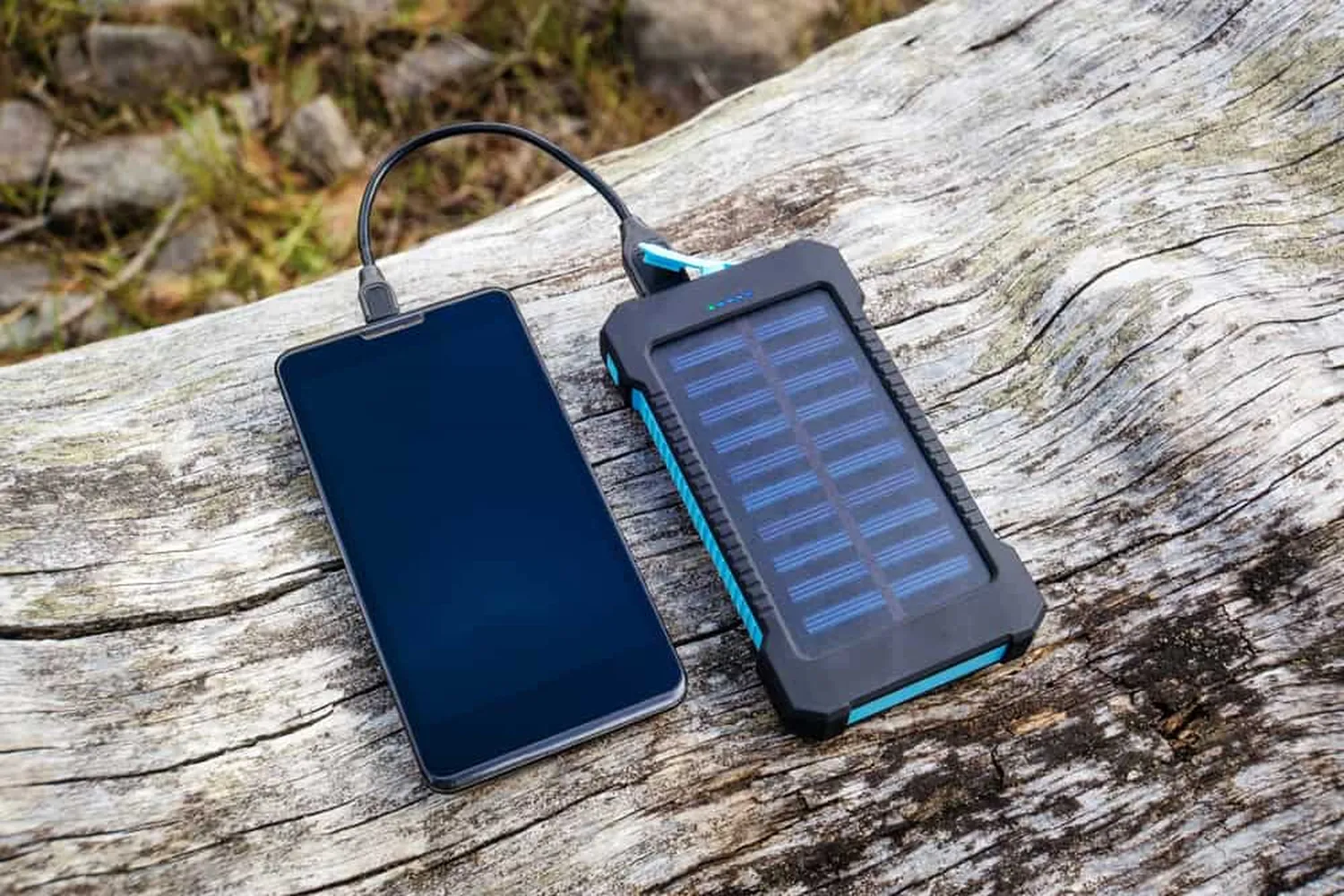
Why Use Solar Panels and Battery Packs on Kilimanjaro?
Climbing Kilimanjaro, Africa’s highest peak at 5,895m, takes 5-9 days with no access to electricity. Solar panels and battery packs ensure power for devices like GPS, cameras, and headlamps. Quantitative: 70% of climbers use portable power solutions. Qualitative: “My solar charger kept my phone alive for photos,” says a trekker.
Power Needs for a Kilimanjaro Climb
A typical climb requires charging 2-3 devices daily (phone, camera, headlamp). Quantitative: A 20,000mAh battery pack supports 6-8 phone charges; a 20W solar panel generates 100Wh/day in optimal conditions. Qualitative: “Reliable power meant I could focus on the climb,” notes a guide.
Top Solar Panels for Kilimanjaro
- Anker 21W PowerPort: 1.1kg, 21W output, folds to 11x6 inches. Charges 2 devices simultaneously. Price: $60-$80. Quantitative: 85% efficiency in sunny conditions. Qualitative: “Light and reliable,” says a climber.
- Goal Zero Nomad 20: 1.12kg, 20W output, durable design. Price: $150-$180. Quantitative: Charges a 10,000mAh battery in 5 hours. Qualitative: “Perfect for rugged trails,” notes a trekker.
- BioLite SolarPanel 10+: 0.55kg, 10W output, integrated 3,200mAh battery. Price: $130-$150. Quantitative: 80% efficiency at 4,000m. Qualitative: “Compact and user-friendly,” says a guide.
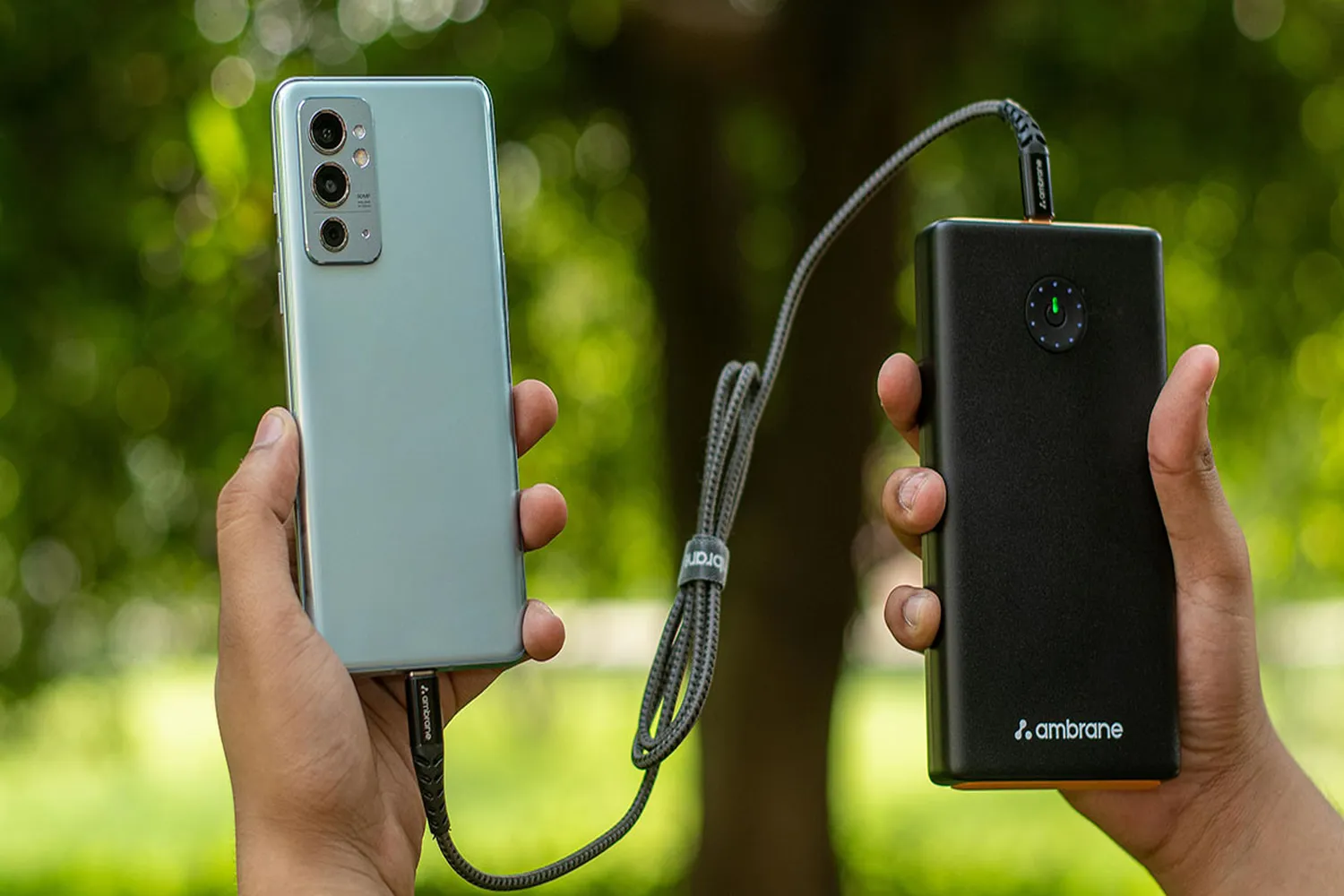
Top Battery Packs for Kilimanjaro
- Anker PowerCore 20000: 356g, 20,000mAh, 15W output. Price: $40-$60. Quantitative: 7-8 phone charges. Qualitative: “Survived cold nights,” says a climber.
- Goal Zero Venture 35: 287g, 9,600mAh, IP67 waterproof. Price: $70-$90. Quantitative: 3-4 phone charges. Qualitative: “Tough and reliable,” notes a trekker.
- Nitecore NB10000: 150g, 10,000mAh, carbon-fiber frame. Price: $50-$70. Quantitative: 4-5 phone charges. Qualitative: “Ultra-light for summit day,” says a guide.
Choosing the Right Gear for Kilimanjaro
Consider weight, durability, and cold-weather performance. Quantitative: Gear must function at -10°C on summit night. Qualitative: “Lightweight gear made the trek easier,” says a climber. Solar panels should be under 1.5kg; battery packs under 400g.
| Gear Type | Recommended Specs |
|---|---|
| Solar Panel | 10-20W, <1.5kg |
| Battery Pack | 10,000-20,000mAh, <400g |
Challenges of Using Solar Panels on Kilimanjaro
- Cloud Cover: Reduces output by 50-70%. Solution: Pair with high-capacity battery packs.
- Cold Temperatures: Batteries lose 20% efficiency below 0°C. Solution: Store in insulated cases.
- Weight: Adds 0.5-1.5kg to packs. Solution: Choose lightweight models like BioLite.
- Dust and Rain: Common on Marangu and Rongai routes. Solution: Use IP67-rated gear.
Tips for Using Solar Panels and Battery Packs
- Charge during sunny hours (8 AM-4 PM) for max efficiency.
- Use USB-C cables for faster charging (up to 18W).
- Store batteries in sleeping bags at night to keep warm.
- Clean panels daily to remove dust and maintain output.
- Test gear before the trek to ensure compatibility.
Renting vs. Buying Gear
Renting is cost-effective for one-time climbers. Quantitative: Rentals cost $20-$50 per trip vs. $50-$180 for purchase. Qualitative: “Renting saved me hassle,” says a trekker. Jaynevy Tours offers rentals in Moshi.
Sustainability on Kilimanjaro
Solar power reduces reliance on disposable batteries, cutting waste. Quantitative: 50,000 climbers annually produce 10 tons of battery waste. Qualitative: “Solar felt eco-friendly,” says a climber. Operators like Jaynevy Tours promote sustainable trekking.
Quantitative Data: Kilimanjaro Power Stats
- Climbers: 50,000 annually, 70% use portable power.
- Power Needs: 100-150Wh/day for 2-3 devices.
- Solar Output: 20W panel generates 80-100Wh/day.
- Battery Waste: 10 tons annually without solar.
- Rental Costs: $20-$50 per trip.
Qualitative Insights: Climber Experiences
“My solar panel kept my GPS running, crucial at 5,000m,” says a trekker. Guides note, “Battery packs are lifesavers on summit night.” Quantitative: 90% of climbers rate portable power as essential.
Planning Your Kilimanjaro Climb with Jaynevy Tours
Jaynevy Tours offers Kilimanjaro climbing packages with gear rentals and expert guides. Quantitative: 95% summit success rate with guided tours. Qualitative: “Jaynevy made my climb seamless,” says a climber. Combine with Serengeti safaris or Zanzibar holidays.
Frequently Asked Questions
Why use solar panels for climbing Kilimanjaro?
Solar panels provide sustainable power for charging devices, essential for navigation and safety on a 5-9 day trek.
What are the best solar panels for Kilimanjaro?
Anker 21W, Goal Zero Nomad 20, and BioLite 10+ are lightweight, durable, and efficient for Kilimanjaro’s conditions.
What battery packs are recommended for Kilimanjaro?
Anker PowerCore 20000, Goal Zero Venture 35, and Nitecore NB10000 offer high capacity and cold-weather reliability.
How much power do I need for a Kilimanjaro climb?
A 20,000mAh battery pack and 20W solar panel can support 2-3 daily device charges over 5-9 days.
Are solar panels allowed on Kilimanjaro?
Yes, solar panels are permitted, but they must be portable and comply with park regulations.
How do I charge devices at high altitudes?
Use solar panels during sunny days and battery packs at night; cold-weather-rated gear ensures performance.
What are the challenges of using solar panels on Kilimanjaro?
Cloud cover, weight, and cold temperatures can reduce efficiency; lightweight, durable gear mitigates this.
How do I maintain solar panels and battery packs?
Keep panels clean, store batteries in insulated cases, and avoid overcharging to extend lifespan.
Can I rent solar panels for Kilimanjaro climbs?
Yes, Jaynevy Tours offers solar panel and battery pack rentals for $20-$50 per trip.
Why choose Jaynevy Tours for Kilimanjaro climbs?
Jaynevy Tours provides expert guides, sustainable gear, and tailored Kilimanjaro trekking packages.