
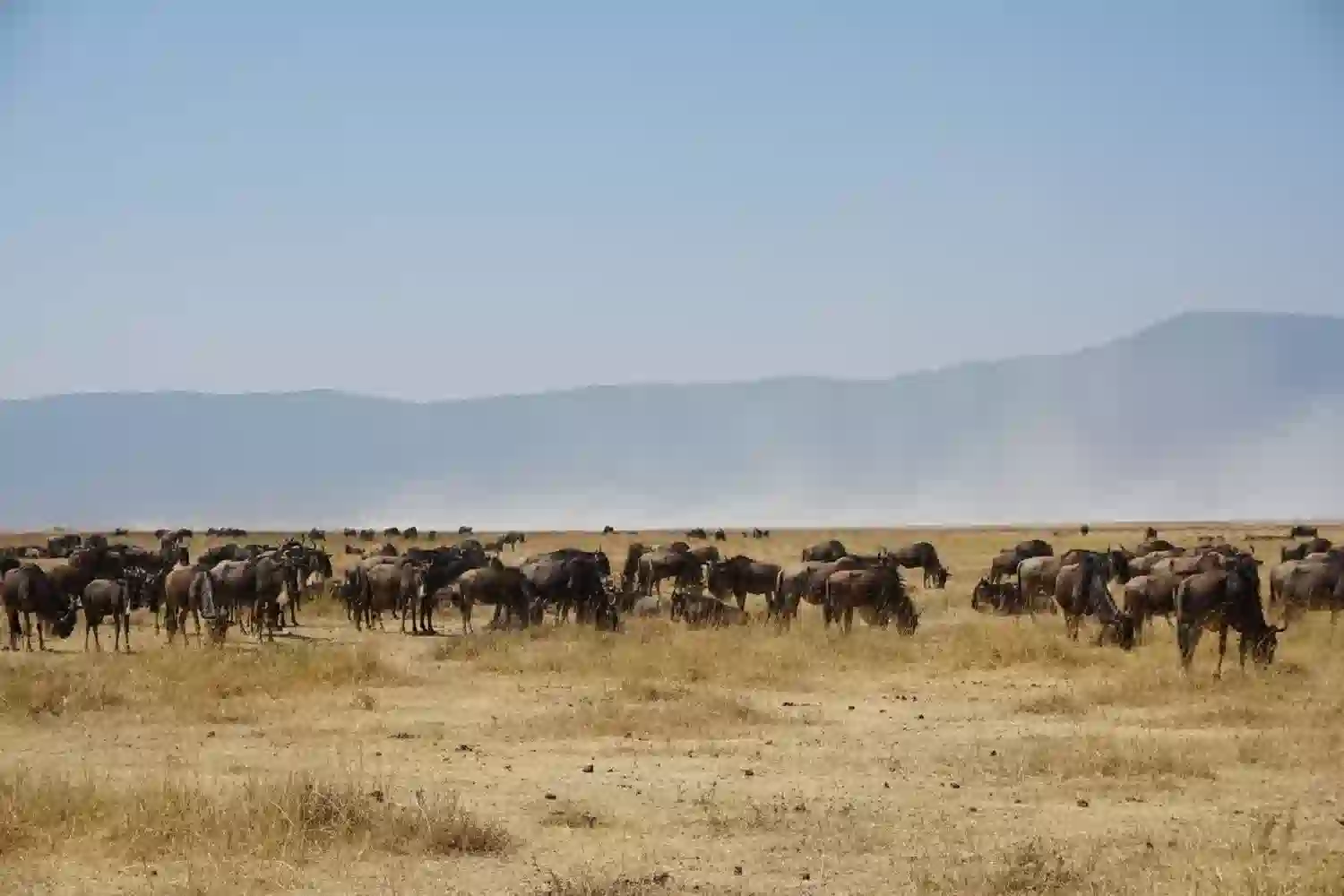
What is the Serengeti Great Migration?
The Great Migration involves 1.5-2 million wildebeest, 500,000 zebras, and 200,000 gazelles moving across Tanzania’s Serengeti and Kenya’s Maasai Mara in a 1,800-mile loop, driven by seasonal rains. Quantitative: Attracts 350,000 tourists yearly, generating $2 billion. Qualitative: “A life-changing spectacle,” says a solo traveler.
Why Solo Travel to the Serengeti Migration?
Solo travel offers freedom to explore at your pace. Quantitative: 20% of Serengeti visitors are solo travelers. Qualitative: “It’s empowering to navigate the wild alone,” notes a backpacker. Group tours provide camaraderie for solo adventurers.
Top Tips for Solo Serengeti Migration Safaris
- Join Group Tours: Budget-friendly, starting at $1,500 for 5 days, with 80% of solo travelers choosing this option for safety and socializing.
- Choose the Right Time: July-Sep for river crossings, Jan-Mar for calving. Quantitative: 60% of visitors prefer Jul-Sep.
- Pack Smart: Lightweight clothing, binoculars, camera, insect repellent, malaria pills. Qualitative: “Binoculars were my best friend,” says a solo traveler.
- Stay Connected: Local SIM cards (Vodacom, $10-$20) for basic coverage; Wi-Fi is rare in camps.
- Book Early: Camps fill 6-12 months in advance during peak migration. Quantitative: 90% of Jul-Sep slots booked by March.
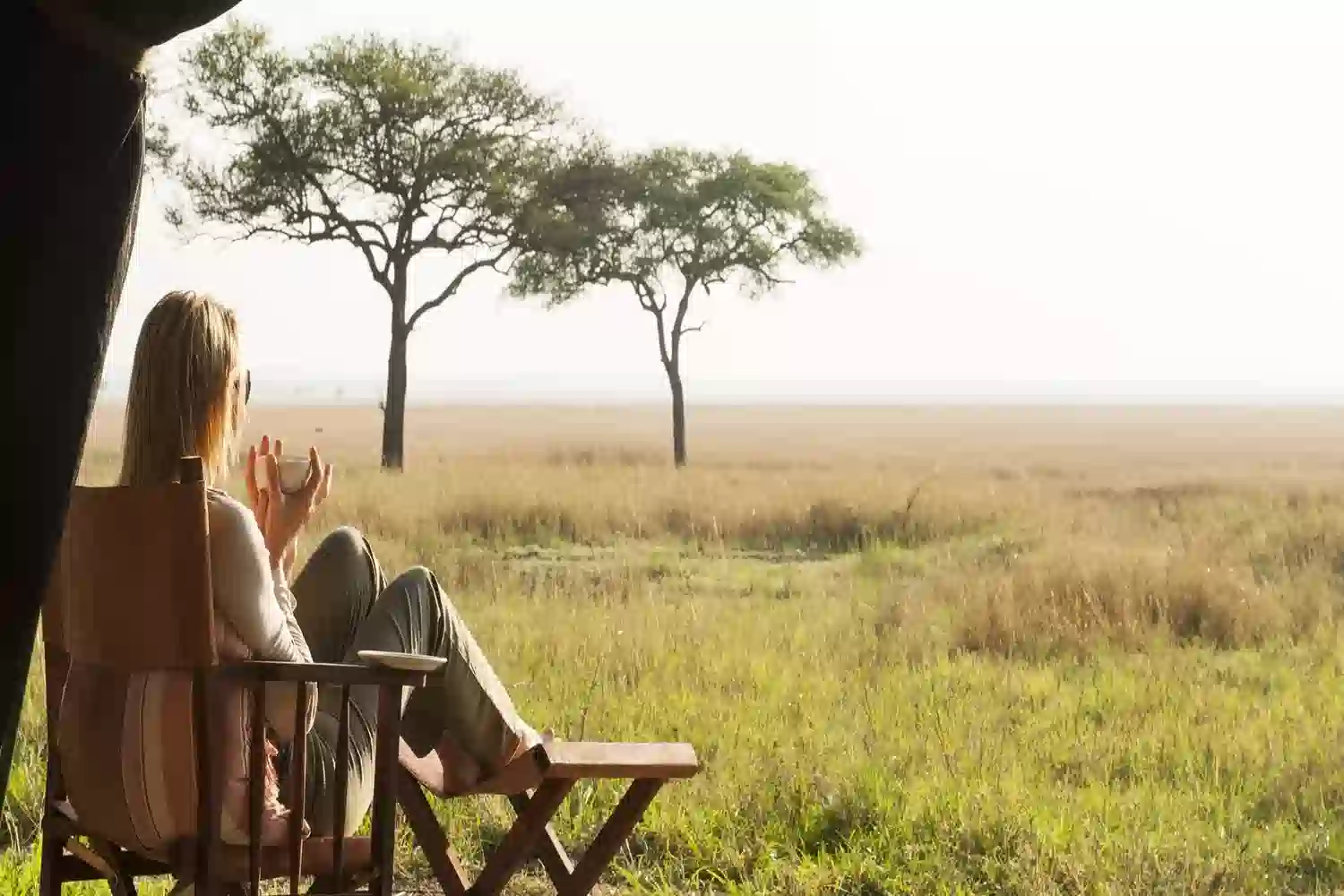
Safety Tips for Solo Travelers
Solo travel is safe with precautions. Quantitative: 350,000 tourists visit annually with minimal incidents. Qualitative: “Guides ensure safety,” says a ranger. Tips include:
- Always stay with a licensed guide during game drives.
- Avoid walking alone at night in camps; use escorted transfers.
- Carry a first-aid kit and know emergency contacts (+255678992599 for Jaynevy Tours).
- Follow park rules to avoid wildlife risks; 3,000 lions roam the Serengeti.
Group Tours vs. Independent Travel
Group tours are ideal for solo travelers. Quantitative: 70% of solo visitors join groups, saving 20-30% vs. private tours. Qualitative: “Group tours felt like family,” says a backpacker. Independent travel suits experienced adventurers but costs more ($3,000+ for 5 days).
Cost Breakdown for Solo Travelers
| Item | Cost (USD) |
|---|---|
| Budget Group Tour | $1,200-$2,000 |
| Mid-Range Tour | $2,500-$4,000 |
| Luxury Tour | $5,000-$8,000 |
| Visa | $50-$100 |
| SIM Card | $10-$20 |
Accommodation Options for Solo Travelers
Solo-friendly lodges and camps offer single rooms or shared tents. Quantitative: Prices start at $100/night for budget camps, $300 for mid-range. Qualitative: “Shared tents built friendships,” says a traveler. Popular options include Serengeti Serena Safari Lodge and mobile tented camps.
Logistics for Serengeti Backpacking Migration
Quantitative: Fly into Kilimanjaro Airport, then transfer to Arusha (1-hour drive, $50). Qualitative: “Arusha is a vibrant hub,” says a solo traveler. From Arusha, join a group tour or rent a 4x4 with a driver ($150/day). Visas cost $50-$100, obtainable online.
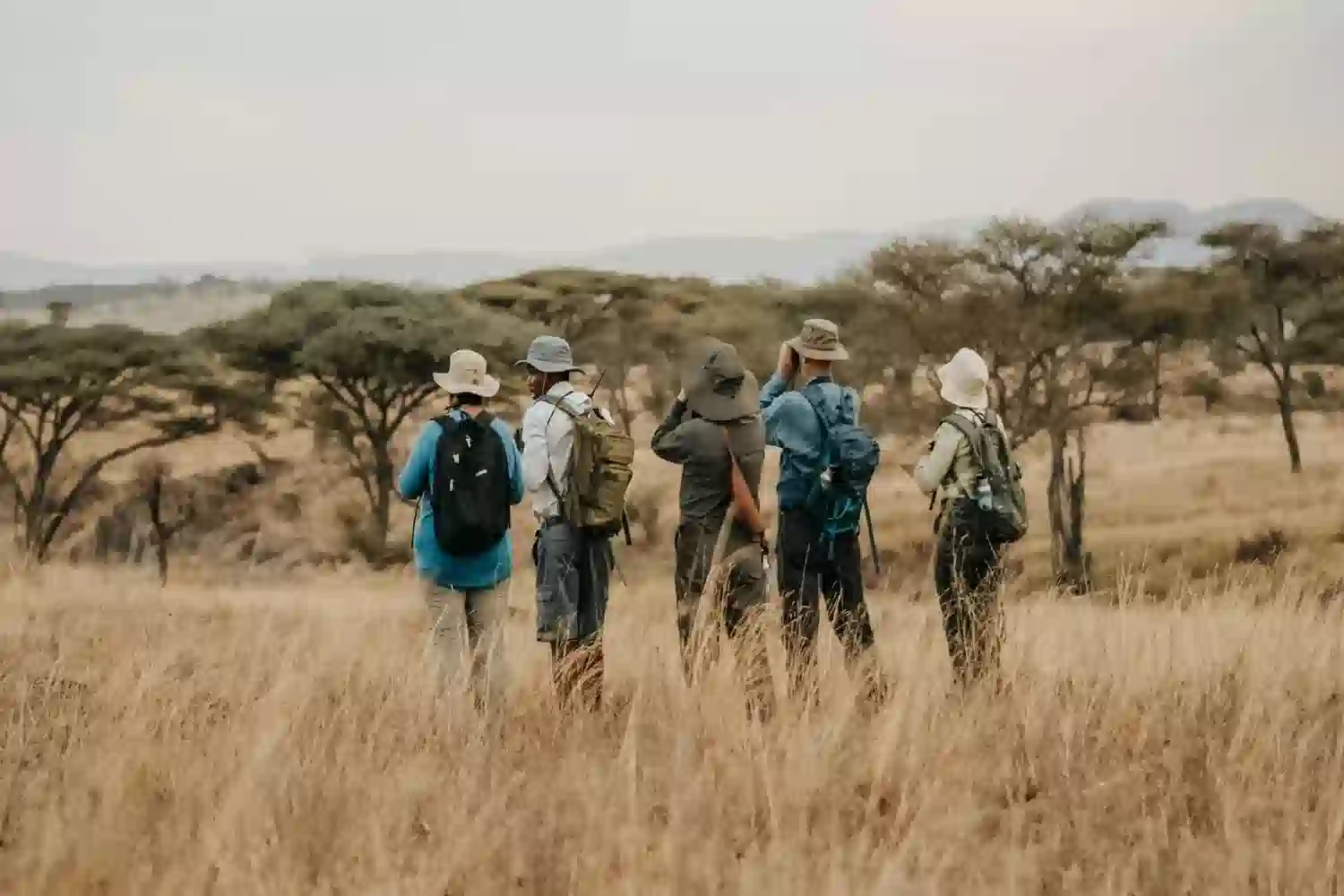
Wildlife You’ll See as a Solo Traveler
Expect 1.5-2 million wildebeest, 500,000 zebras, and predators like 3,000 lions and 2,500 crocodiles. Quantitative: 250,000 wildebeest die annually, sustaining ecosystems. Qualitative: “The river crossings are heart-pounding,” says a solo visitor.
Qualitative Insights: Solo Traveler Experiences
“Joining a group tour made me feel secure and connected,” says a 30-year-old backpacker. Rangers note, “Solo travelers often form lifelong bonds on safaris.” Quantitative: 85% of solo travelers rate the experience 5 stars.
Conservation and Solo Travel
Your trip supports conservation. Quantitative: Tourism funds $350 million in anti-poaching efforts. Qualitative: “Solo travel feels purposeful knowing it protects wildlife,” says a traveler. Choose eco-friendly operators like Jaynevy Tours.
Quantitative Data: Solo Safari Stats
- Tourists: 350,000 annually, 20% solo travelers.
- Cost: $1,200-$8,000 for 5-7 days.
- Wildlife: 1.5-2M wildebeest, 500,000 zebras.
- Conservation Funding: $350M from tourism.
- Booking Lead Time: 6-12 months for peak season.
Why Choose Jaynevy Tours for Solo Safaris?
Jaynevy Tours specializes in solo Serengeti migration safaris, offering group tours, expert guides, and flexible itineraries. Combine with Kilimanjaro climbs or Zanzibar holidays. Book today!
Frequently Asked Questions
Is it safe to travel solo to the Serengeti migration?
Yes, with guided tours and precautions, solo travel is safe. Over 350,000 tourists visit annually with no major incidents.
What’s the best time for a solo Serengeti migration safari?
July to September for river crossings or January to March for calving season, depending on your interests.
Can solo travelers join group tours for the migration?
Yes, group tours are ideal for solo travelers, offering camaraderie and cost-sharing, starting at $1,500 for 5 days.
What should solo travelers pack for the Serengeti?
Pack lightweight clothing, binoculars, a camera, insect repellent, and malaria medication.
How much does a solo Serengeti migration safari cost?
Budget tours start at $1,200, mid-range at $2,500, and luxury at $5,000 for a 5-7 day trip.
Do I need a visa for a Serengeti migration safari?
Yes, most solo travelers need a Tanzania visa, costing $50-$100, obtainable online or on arrival.
How do I stay connected while traveling solo in the Serengeti?
Use local SIM cards like Vodacom for $10-$20; Wi-Fi is limited in remote camps.
Are there solo-friendly accommodations in the Serengeti?
Yes, lodges and camps offer single rooms or shared tents, starting at $100 per night.
What wildlife will I see during the migration?
Expect 1.5-2M wildebeest, 500,000 zebras, lions, cheetahs, and crocodiles during the migration.
Why choose Jaynevy Tours for a solo migration safari?
Jaynevy Tours offers tailored solo Serengeti migration safaris with expert guides and group options.