
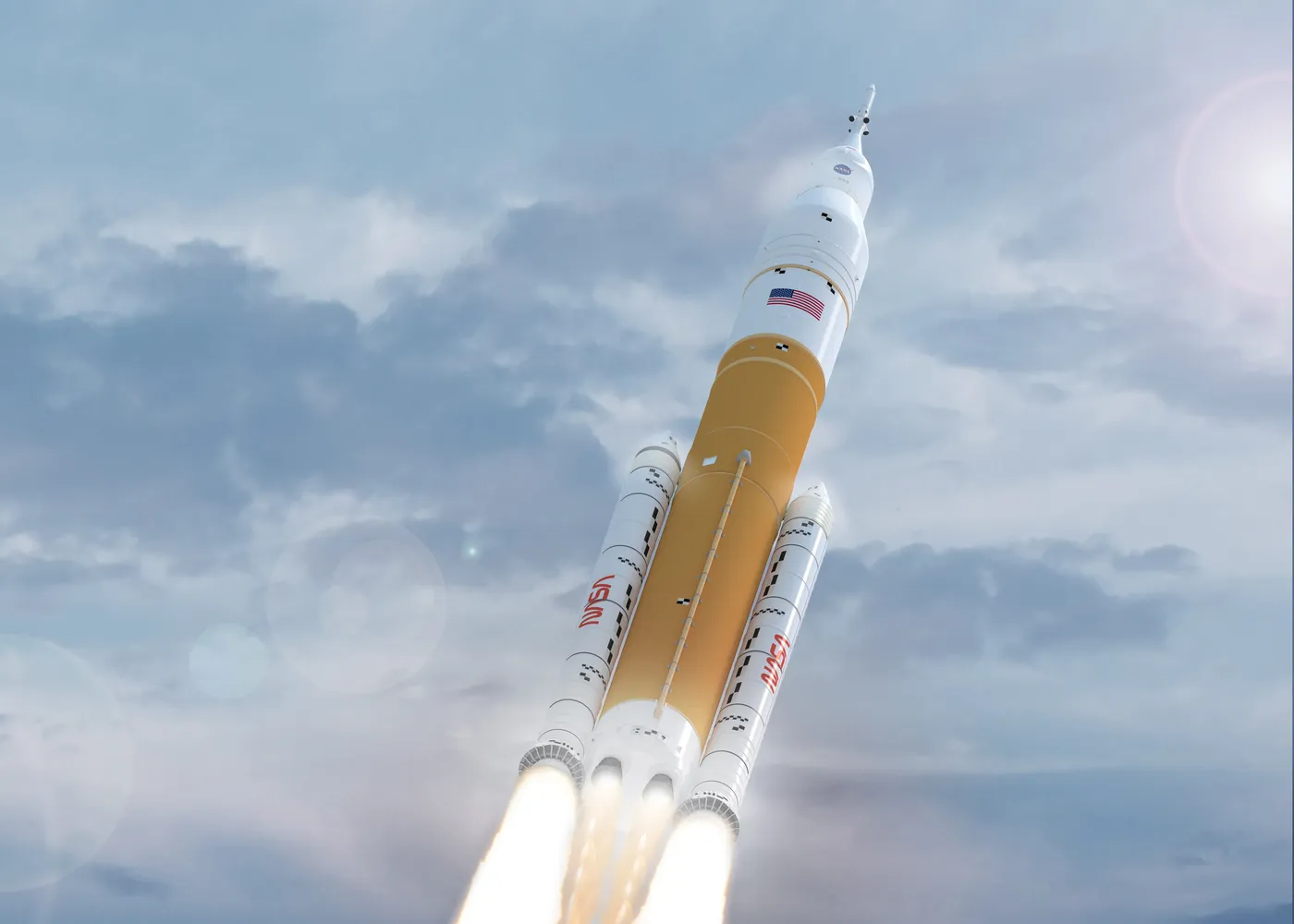
Understanding the Power of the Space Launch System SLS Rocket
The Space Launch System SLS rocket represents a new era of exploration with unmatched lifting capability. Standing taller than the Statue of Liberty and generating tremendous force at liftoff, this rocket combines proven shuttle heritage with modern engineering to send Orion spacecraft and heavy payloads directly toward the Moon in a single launch. The SLS rocket power comes from a carefully balanced mix of liquid engines and solid boosters, delivering the raw energy needed to escape Earth’s gravity and begin the long journey into deep space. For anyone fascinated by rocketry, the SLS stands out as the most powerful vehicle ever built to carry humans.
Core Stage and RS-25 Engines: The Heart of SLS Rocket Power
At the center of the SLS rocket sits the massive core stage, which houses four RS-25 engines. These high-performance liquid hydrogen and liquid oxygen engines, originally developed for the Space Shuttle, provide about 2 million pounds of thrust during the climb to orbit. The core stage itself towers over 200 feet tall and stores hundreds of thousands of gallons of super-cold propellants. This powerful combination gives the SLS rocket the sustained thrust needed after the initial boost from the solid rocket boosters, allowing precise control and efficient acceleration toward lunar trajectories.
Solid Rocket Boosters: Massive Initial Thrust
Two five-segment solid rocket boosters flank the core stage and deliver the majority of the SLS rocket power in the first two minutes of flight. Each booster produces up to 3.6 million pounds of thrust, together accounting for roughly 75% of the total liftoff thrust. These boosters, the largest and most powerful ever flown, provide the explosive push that gets the entire stack moving upward at incredible speed. Their design builds on Space Shuttle technology but includes important upgrades for greater performance and reliability.
Key Specifications and Performance of the SLS Rocket
The Block 1 configuration of the SLS rocket stands approximately 322 feet tall and weighs about 5.75 million pounds when fully fueled. At liftoff, it produces 8.8 million pounds of thrust — 15% more than the legendary Saturn V. This immense power allows the rocket to accelerate to nearly 17,000 miles per hour in just over eight minutes as it reaches Earth orbit. The design is evolvable, with future Block 1B and Block 2 versions promising even greater payload capacity and capability for more ambitious missions.
SLS Rocket Specs Comparison Table
| Parameter | Block 1 Value | Notes |
|---|---|---|
| Liftoff Thrust | 8.8 million lbs | 15% more than Saturn V |
| Height | ~322 ft (98 m) | Taller than Statue of Liberty |
| Payload to Moon | ~59,500 lbs (27 t) | Orion + cargo |
| Core Stage Engines | 4 × RS-25 | ~2 million lbs thrust |
| Boosters | 2 × 5-segment | ~7.2 million lbs combined |
Payload Capacity and Mission Capabilities
One of the standout features of the SLS rocket power is its ability to send large payloads directly to the Moon without multiple launches. In the initial Block 1 setup, it can deliver more than 59,500 pounds to lunar orbit, including the Orion spacecraft and additional cargo. Future evolutions with the Exploration Upper Stage will increase this capacity significantly, enabling more ambitious crewed landings, habitat deliveries, and scientific missions. This single-launch capability reduces complexity and risk compared to assembling vehicles in orbit.
Qualitative Insights: What Makes SLS Rocket Power Special
Beyond raw numbers, the SLS rocket offers unmatched energy for deep space missions. Its high departure energy allows spacecraft to reach the Moon faster and with more mass than other current rockets. The combination of liquid engines for efficiency and solid boosters for raw power creates a versatile system that can adapt to different mission needs. Astronauts benefit from the rocket’s ability to place Orion on a precise trajectory, while scientists gain the chance to send heavier instruments and rovers to explore new destinations. The SLS represents American engineering at its finest, blending heritage with innovation to open the solar system.
Factors Contributing to SLS Rocket Performance
- Proven RS-25 engines with a perfect flight record from the Shuttle era.
- Upgraded five-segment solid rocket boosters for maximum initial thrust.
- Large core stage propellant tanks holding over 733,000 gallons of cryogenic fuel.
- Advanced avionics and control systems for precise guidance during ascent.
- Evolvable architecture allowing future upgrades for even greater capability.
Comparison with Historical Rockets
The SLS rocket power surpasses previous vehicles in several important ways. It produces 15% more thrust at liftoff than the Saturn V while offering modern safety features and greater flexibility. Unlike many current commercial rockets that require orbital refueling for deep space missions, SLS can send heavy payloads on direct trajectories to the Moon in one go. This efficiency makes it the backbone of NASA’s Artemis program and a key enabler for sustainable lunar exploration and eventual crewed missions to Mars.
Role in NASA’s Artemis Program and Future Exploration
The SLS rocket plays a central role in returning humans to the Moon and establishing a long-term presence there. By providing the power needed to launch Orion and heavy cargo, it supports crewed flybys, landings, and the construction of lunar infrastructure. Lessons learned from early flights will help refine the rocket for even more demanding missions, including sending astronauts toward Mars. The SLS rocket power symbolizes humanity’s renewed commitment to pushing the boundaries of space exploration.
Experience Exploration on Earth with Jaynevy Tours
The same spirit of discovery that powers the Space Launch System SLS rocket also inspires incredible adventures here on our planet. Plan your next journey with Jaynevy Tours and explore Tanzania’s breathtaking landscapes — from thrilling Serengeti safaris and challenging Mount Kilimanjaro climbs to relaxing Zanzibar beach holidays. Turn your sense of wonder into real-world memories!
Frequently Asked Questions
What is the thrust power of the Space Launch System SLS rocket?
The SLS rocket generates 8.8 million pounds of thrust at liftoff in its Block 1 configuration — about 15% more than the Saturn V rocket. This comes from two five-segment solid rocket boosters (providing roughly 75% of the thrust) and four RS-25 core stage engines.
How tall is the SLS rocket and what are its main specs?
The Block 1 SLS stands approximately 322 feet (98 meters) tall, weighs about 5.75 million pounds when fully fueled, and features a core stage 212 feet tall with a diameter of 27.6 feet. It can send over 59,500 pounds (27 metric tons) to the Moon.
What engines power the Space Launch System SLS rocket?
The core stage uses four RS-25 liquid hydrogen/liquid oxygen engines that produce about 2 million pounds of thrust combined. The two solid rocket boosters each generate up to 3.6 million pounds of thrust, making SLS the most powerful rocket ever flown with humans.
How does SLS rocket power compare to other rockets?
SLS delivers more liftoff thrust than any previous rocket used for human spaceflight, including 15% more than Saturn V. Its evolving Block 1B and Block 2 configurations will increase payload capacity significantly, supporting larger missions to the Moon and Mars.
What payload capacity does the SLS rocket have?
In its initial Block 1 configuration, SLS can deliver more than 59,500 pounds (27 metric tons) to lunar orbit or trans-lunar injection. Future Block 1B increases this to around 84,000–92,500 pounds, with Block 2 planned for even greater capability up to 101,000 pounds or more.