
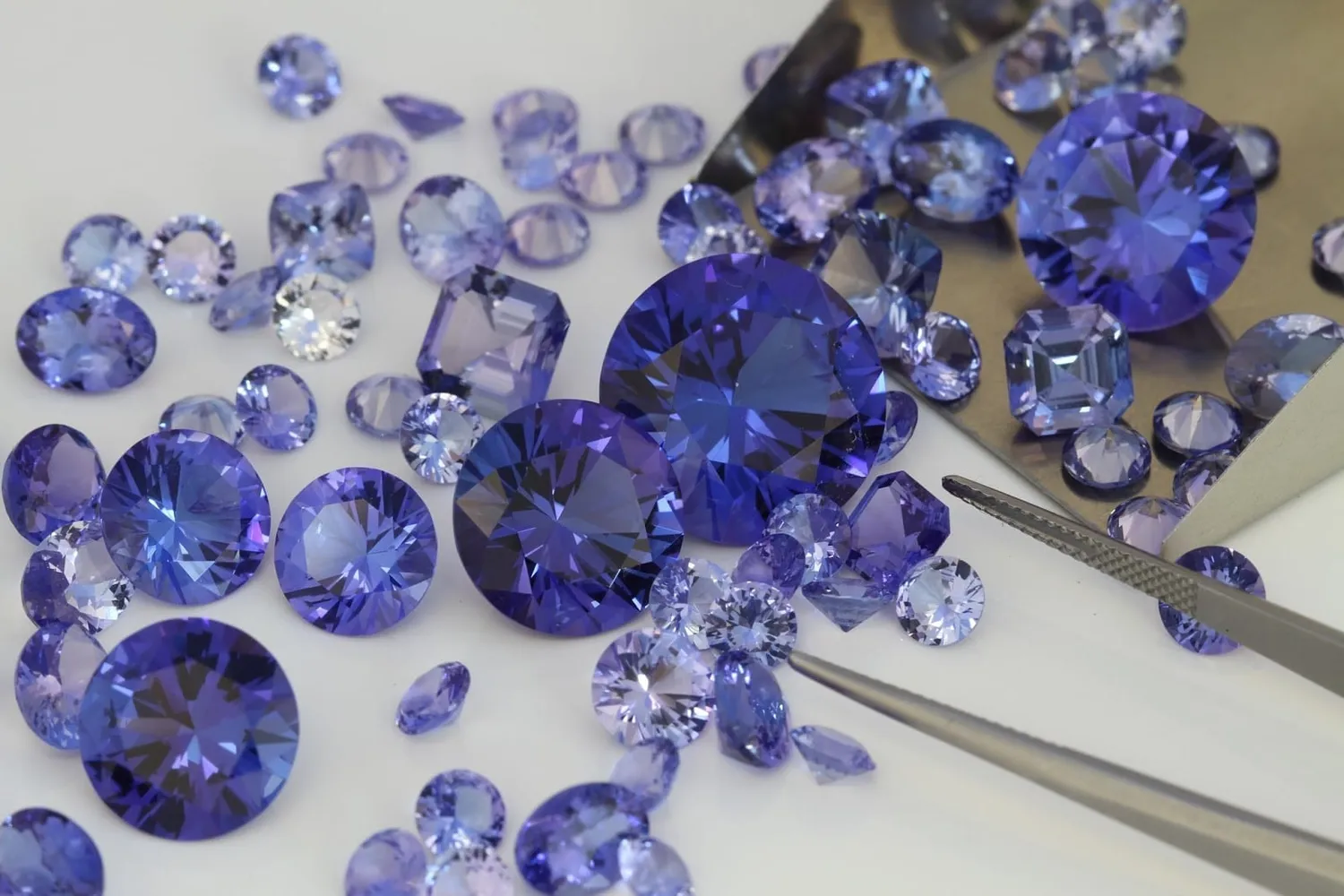
Tanzanite – the rarest and most fascinating gemstone on Earth – is found only in one small area of Tanzania. This complete guide covers all about Tanzanite minerals: from its dramatic 1967 discovery to modern mining techniques, unique optical properties, investment potential, and everything in between.
The History of Tanzanite Minerals (1967 – Present)
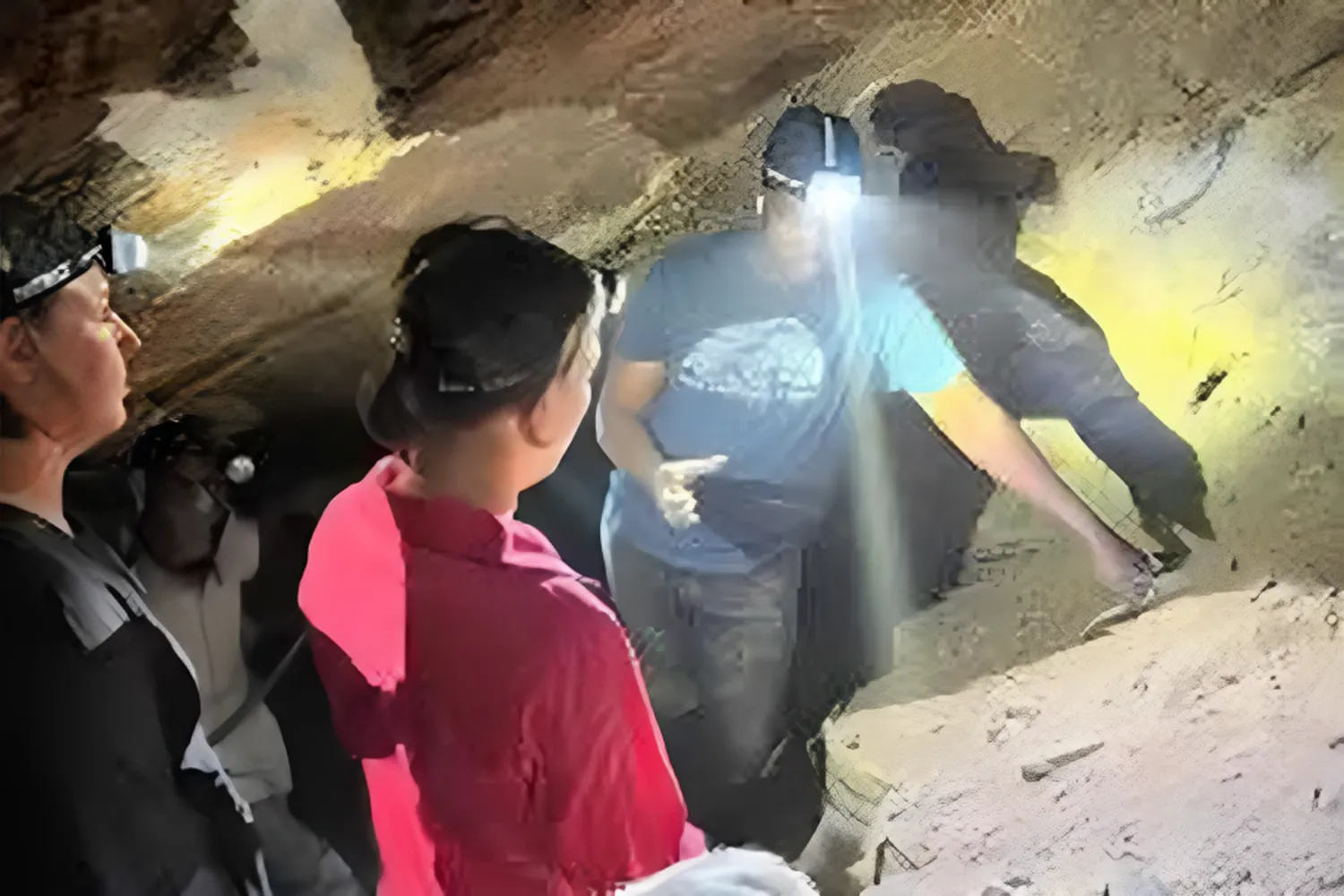
The story of Tanzanite minerals began in 1967 when Maasai herders in the Merelani Hills, northern Tanzania, noticed brilliant blue crystals sparkling after a bush fire. Manuel de Souza, a Goan tailor and prospector, registered the first mining claims. The gem was initially mistaken for sapphire, but in 1968, Henry Platt of Tiffany & Co. named it “Tanzanite” after its country of origin – the only gem ever named after a country.
- 1967 – First discovery by Jumanne Ngoma and others
- 1968 – Tiffany & Co. launches Tanzanite globally
- 1990 – Tanzanite declared Tanzania’s national gemstone
- 2002 – AGTA accepts Tanzanite as an official December birthstone
- 2024 – Over 95% of the world’s supply still comes from a 7 km² zone
Quick Facts About Tanzanite Minerals
| Mineral Name | Zoisite (blue-violet variety) |
| Chemical Formula | Ca₂Al₃(SiO₄)₃(OH) |
| Hardness (Mohs) | 6.0 – 7.0 |
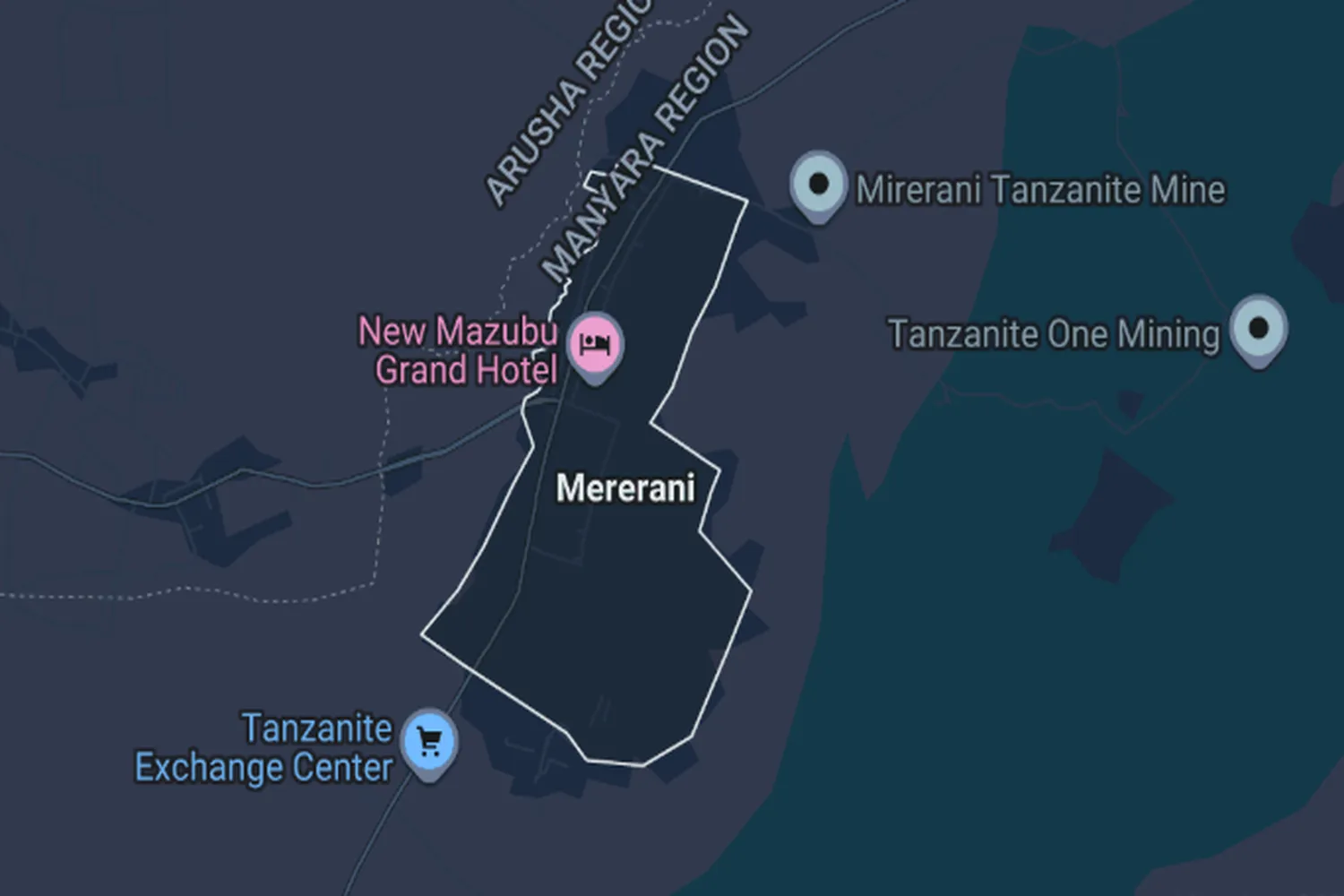
| Only Location | Merelani Hills, Manyara Region, Tanzania |
| Mining Area | Approximately 7 km² (4 blocks: A, B, C, D) |
| Estimated Reserves Left | 20–30 years at current rate |
| Rarity vs Diamond | 1,000 times rarer |
Where Tanzanite Minerals Are Mined: The Merelani Hills, Tanzania
Tanzanite is mined exclusively in the Merelani Hills, Simanjiro District, Manyara Region, 70 km southeast of Arusha. The deposit is divided into four blocks (A, B, C, D). Block C, operated by TanzaniteOne (now part of Richland Resources and later Petra Diamonds), is the largest organized operation.
What Do Tanzanite Minerals Look Like in Nature?
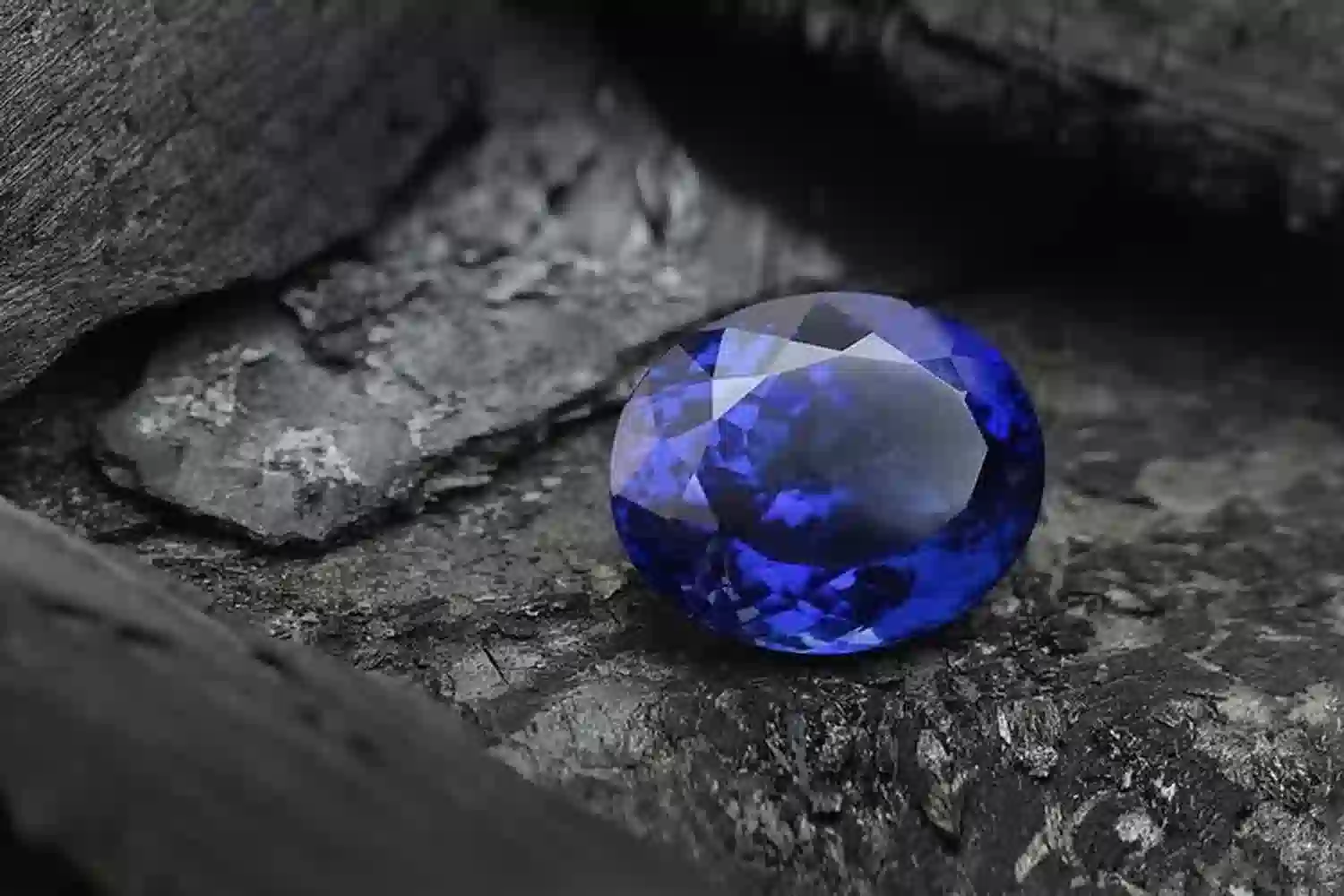
Rough Tanzanite crystals are usually brownish-red or greenish when extracted. The famous blue-violet color is revealed only after heat treatment at 500–600°C. Tanzanite is strongly pleochroic – showing blue, violet, and burgundy depending on viewing angle – a feature shared by only a few gems.
Unique Characteristics of Tanzanite Minerals
- Strong trichroism (three colors)
- Heat-treated to achieve blue-violet color
- 1,000× rarer than diamond
- Found in graphite-rich gneiss with tsavorite and prehnite
- Vickers hardness: 120–135 (softer than sapphire)
- Refractive index: 1.691–1.700
Minerals Associated with Tanzanite Deposits
The presence of these minerals often indicates potential Tanzanite zones:
- Graphite – primary indicator rock
- Tsavorite (green grossular garnet)
- Prehnite
- Diopside
- Chrysoprase
- Axinite
- Quartz and kyanite
Surface Indicators of Tanzanite Mineral Presence
- Black graphite schist outcrops
- Green grossular (tsavorite) fragments
- Specific vegetation patterns (certain acacia species)
- White quartz veins with green staining
How Tanzanite Minerals Are Extracted
Both artisanal and mechanized methods are used:
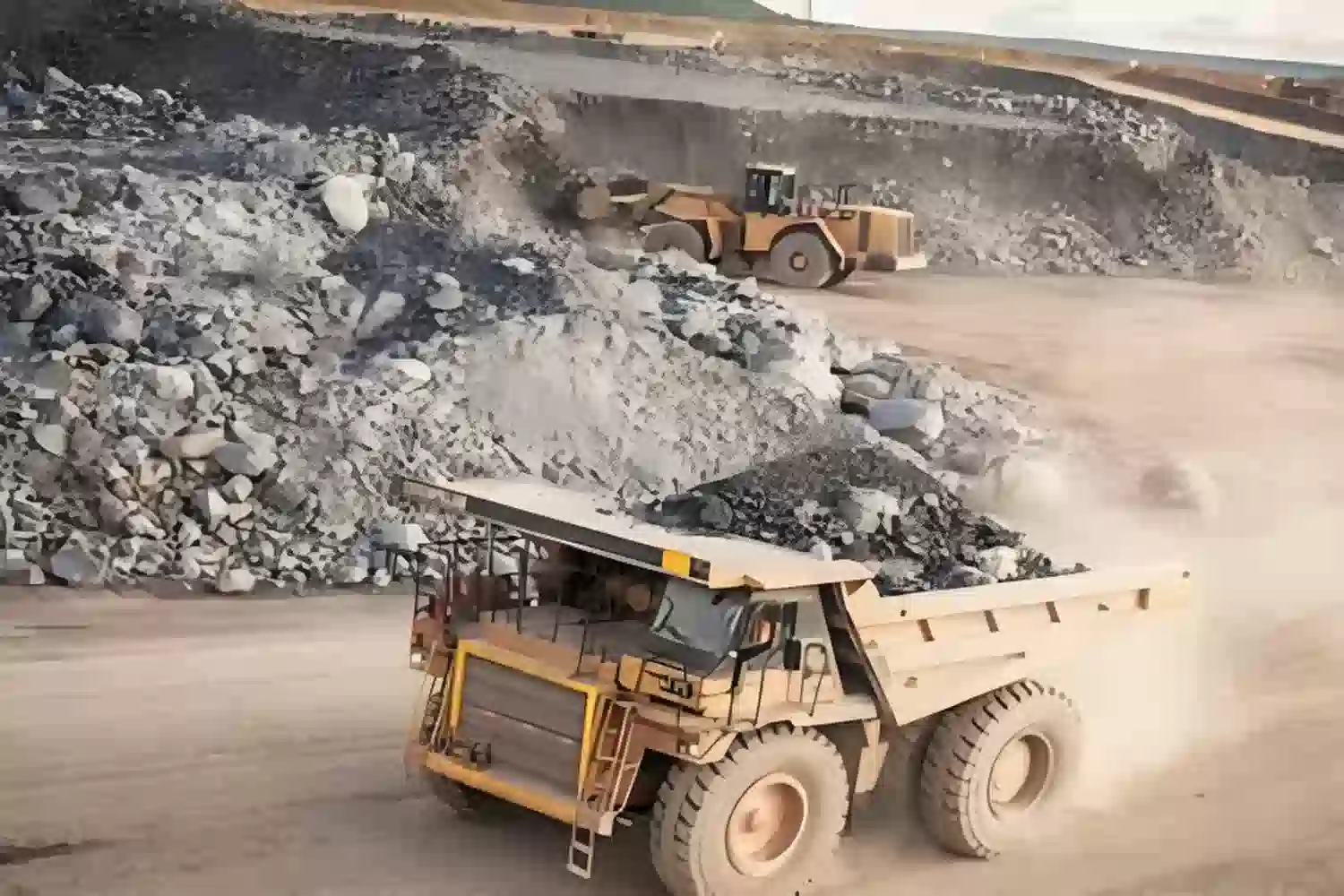
- Shaft sinking (up to 600 m deep)
- Hand picking in narrow tunnels
- Mechanical excavation in Block C
- High-pressure water hosing
- Sorting and heat treatment in Arusha
Uses and Global Market of Tanzanite Minerals
99% of Tanzanite is used in jewelry. Top markets: USA (70%), India, China, Europe. In 2023, export value exceeded $120 million. Top quality stones over 10 carats can reach $8,000+ per carat.
How to Invest in Tanzanite Minerals
- Buy certified rough or cut stones from reputable dealers
- Partner with licensed Tanzanian mining companies
- Invest in Tanzanite-focused funds (limited options)
- Purchase from Arusha or Dar es Salaam gem markets with GIL certificate
- Focus on deep blue, VVS clarity, over 5 carats
Challenges and Disadvantages of Tanzanite Mining
- Deep, dangerous shafts (flooding and collapse risks)
- Child labor and informal mining issues
- Smuggling and illegal trade
- Finite resource – expected depletion in 20–30 years
- Environmental impact (deforestation, water use)
Frequently Asked Questions About Tanzanite Minerals
Where is the only place Tanzanite is found?
Only in the Merelani Hills, Manyara Region, northern Tanzania – a 7 km² area.
Is Tanzanite rarer than diamond?
Yes – approximately 1,000 times rarer by known reserves.
Why is Tanzanite always heat treated?
Natural rough is brown/red; heating at 500–600°C removes brown tones and reveals blue-violet color.
Can I visit Tanzanite mines in Tanzania?
Yes! Jaynevy Tours offers safe, guided Tanzanite mining tours to Merelani.
How long will Tanzanite mining last?
Experts estimate commercial mining may end in 20–30 years.
What minerals are found with Tanzanite?
Graphite, tsavorite, prehnite, diopside, axinite, and quartz.