
What You Need to Know: Mahale Mountains National Park is reached by light aircraft and a boat ride along Lake Tanganyika. You trek with a ranger to a habituated chimpanzee community and spend up to an hour with them. The best time is July to October, when the chimps often come lower down. The conservation fee is higher than in most parks, about US$94.40 per adult per day. Trips are quoted for your dates, flights and camps, because the western parks are reached by light aircraft and have only a few camps.
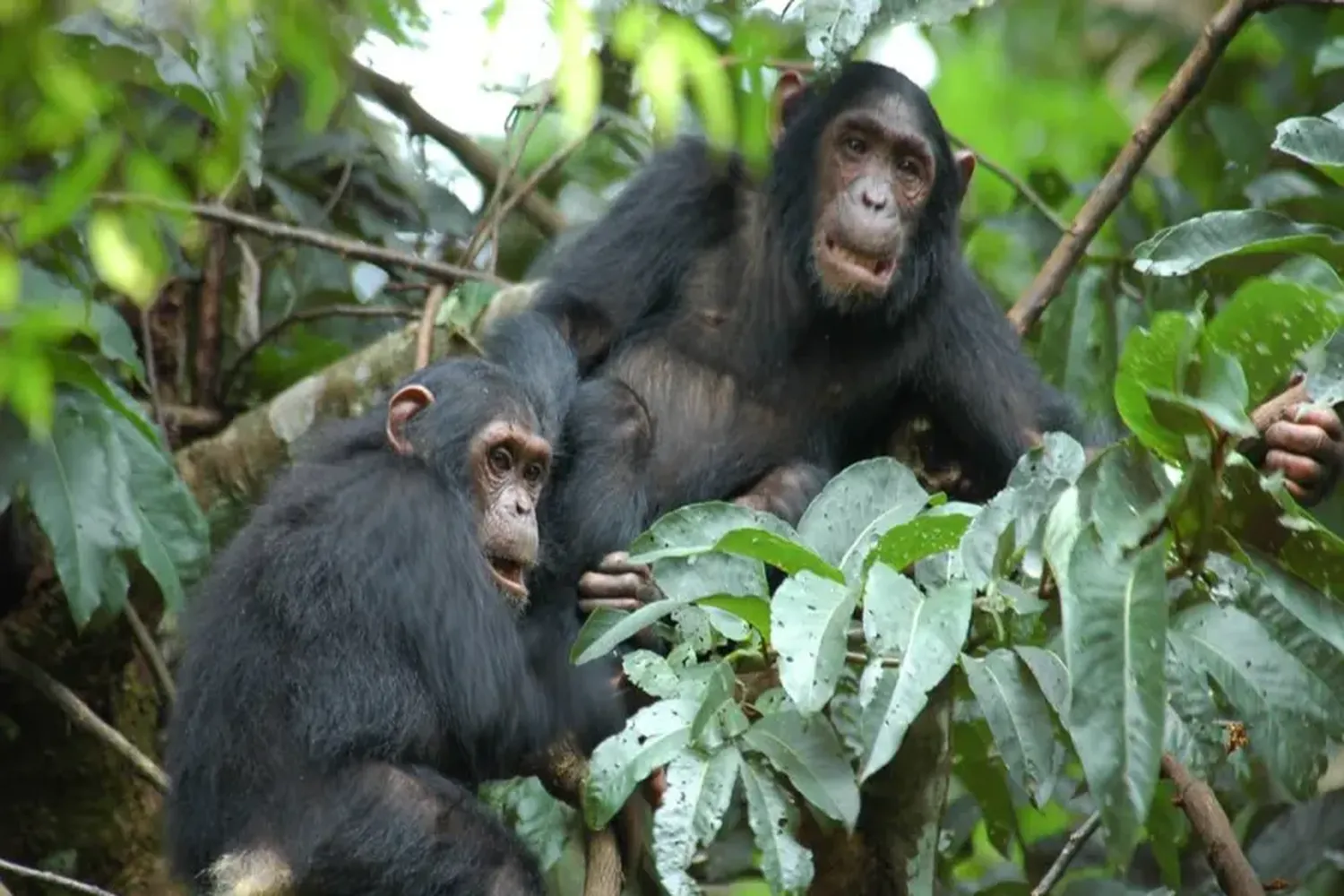
Chimpanzee Trekking in Mahale
Mahale covers about 1,600 km² of mountains and forest. Researchers have studied its chimpanzees since the 1960s, and one large community, the M group, is habituated to people. Trackers find the chimps early each morning; you then walk with a ranger, sometimes for a few minutes, sometimes for several hours up steep forest slopes, and spend up to one hour watching them.
- Wear a face mask near the chimps, as required, to protect them from human illness
- Keep a distance of several meters, and no flash photography
- Visitors with a cold or fever cannot trek
- Treks need reasonable fitness: the slopes are steep and humid
Life on Lake Tanganyika
Lake Tanganyika is the longest freshwater lake in the world and the second deepest. Its water is clear enough for snorkeling among colorful cichlid fish, and the camps sit on sandy beaches. Dhow trips, kayaking and fishing fill the afternoons after a trek.
Getting to Mahale, and How Long to Stay
There are no roads into Mahale. Light aircraft fly to the Mahale airstrip, usually from Arusha, Katavi or Kigoma, and a boat takes you down the lake shore to the camps, about 1.5–2 hours. We book flights with Auric Air, Coastal Aviation, ZanAir and Rainbow Air Charter.
| From | How | Time |
|---|---|---|
| Katavi | Light aircraft, then boat | About 1 hour + 1.5–2 hours |
| Arusha | Light aircraft, then boat | Most of a day |
| Kigoma | Boat or light aircraft | Several hours by boat |
Stay at least three or four nights, so you have several chances to find the chimps.
Mahale Park Fees
| Fee | 2026 rate |
|---|---|
| Mahale conservation fee | About US$94.40 per adult per 24 hours (incl. VAT); confirmed in your quotation |
When Is the Best Time to Visit Mahale?
July to October is the dry season and the best time: the chimps often feed lower down, and the trails are drier. The wet season, November to April, brings tougher trekking; some camps close from about March to May.
How We Run a Mahale Trip
We run our southern and western safaris ourselves, with our own team, and book the light-aircraft flights for you. Jaynevy Tours is a licensed Tanzanian tour operator (TALA licence 014271), based in Moshi.
A 30% deposit confirms your safari and the balance is paid on arrival. Refunds: 100% if you cancel 60 days or more before arrival, 90% at 30–59 days, 60% at 15–29 days, 25% at 10–14 days, and nothing under 10 days.
A Sample Stay at Mahale
| Day | Plan |
|---|---|
| 1 | Fly to Mahale airstrip, boat to camp along the lake, sunset on the beach |
| 2 | Morning chimp trek, afternoon kayak or snorkel |
| 3 | Second chimp trek, dhow trip at sunset |
| 4 | Morning swim, boat and flight out |
What to Pack for Mahale
- Long pants, long sleeves and sturdy shoes for steep, humid trails
- A face mask for the chimp trek
- Swimwear and snorkel gear for the lake
- A light rain jacket and insect repellent
- Soft bags for the light aircraft
Why Mahale Is Special
Mahale combines three things rarely found together: wild chimpanzees, forested mountains rising to over 6,600 ft (2,000 m), and the clear water of Lake Tanganyika, one of the oldest and deepest lakes in the world. There are no roads, very few visitors and only a handful of camps, so the experience feels remote and personal.
Days follow a simple rhythm: chimp trekking in the morning, then swimming, kayaking or relaxing on the beach, and sunset on a dhow. It is one of Africa's great wildlife experiences.
Wildlife Beyond the Chimpanzees
Mahale's forests also hold red colobus and red-tailed monkeys, blue duikers, many forest birds and, in the lake, hundreds of species of colorful cichlid fish, many found nowhere else. Snorkeling in the clear water is a highlight after a trek.
Getting the Most from a Mahale Trip
Stay at least three nights so you have several chances to find the chimps. Trek in the morning, when they are active, and rest or swim in the afternoon heat. Bring a face mask, long sleeves and good shoes, and pack light for the flights. If you can, add Katavi for big game before or after.
Common Questions About Mahale
Will I see chimpanzees in Mahale?
Sightings are very likely over a stay of three or more nights, but never guaranteed.
Mahale or Gombe?
Mahale is more remote, with a larger community and more wilderness; Gombe is smaller and easier to reach from Kigoma. See our Gombe guide.
How do I get to Mahale?
By light aircraft to the Mahale airstrip, then a boat along Lake Tanganyika to the camps.
Can you swim in Lake Tanganyika at Mahale?
Yes: the water is clear and the camps have beaches; ask staff about safe spots.
How long is a chimp trek in Mahale?
From under an hour to several hours, depending on where the chimps are.
Is Mahale expensive?
Yes, because of the flights and few camps; combining it with Katavi makes the trip more worthwhile.
Can I snorkel in Lake Tanganyika?
Yes, at Mahale's beaches, among colorful cichlid fish.
Can children go chimp trekking in Mahale?
Age limits apply to chimp trekking; we confirm the current rule for your children when we book.
The Bottom Line
Mahale is Africa's most beautiful place to see chimpanzees: mountains, forest and a crystal-clear lake. Plan three or four nights, July to October, ideally with Katavi.
Send us your dates, the number of travelers and the parks you are interested in through the booking form, on WhatsApp +255 678 992 599 or by email to jaynevytours@gmail.com, and our team will reply with a written quotation.