
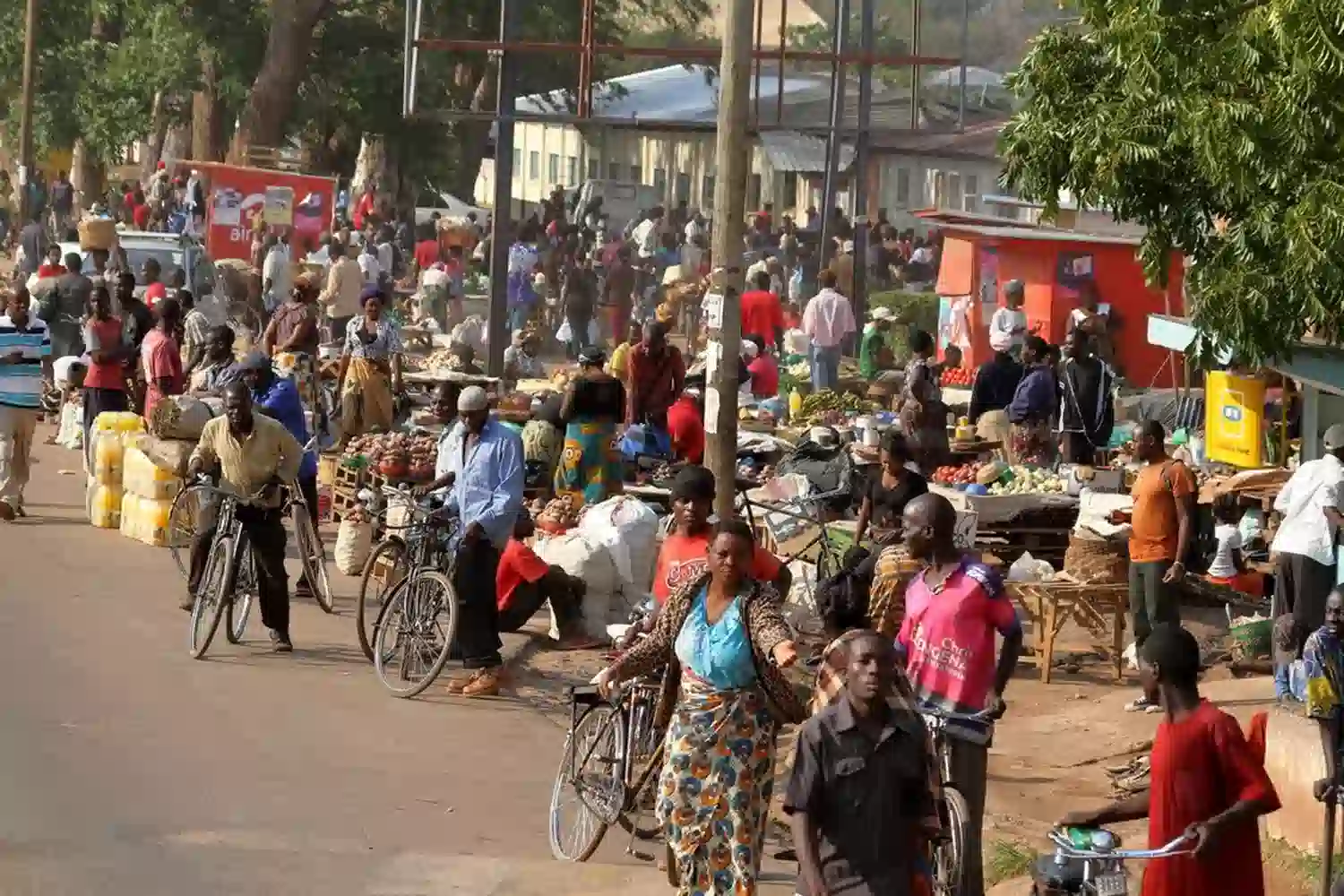
Identifying the Poorest Country in Africa
Determining the poorest country in Africa involves analyzing metrics such as GDP per capita, Human Development Index (HDI), and the percentage of the population living below the poverty line. As of 2026, Burundi emerges as the poorest nation based on these indicators, a status influenced by decades of conflict, political instability, and limited infrastructure development.
BURUNDI: The Poorest Country
Burundi, located in East Africa, has a GDP per capita of approximately $238 (World Bank, 2024 estimate), the lowest in Africa, reflecting its severe economic challenges as of 12:14 PM EAT on Thursday, June 26, 2026. Over 75% of its 12.6 million people live below the $2.15 daily poverty line, according to the World Bank’s latest data, a statistic that underscores the depth of deprivation across the nation. The country faces multifaceted challenges, with the aftermath of a devastating civil war from 1993 to 2005 leaving deep scars, displacing over 1.2 million people and destroying critical infrastructure such as schools, hospitals, and roads. This conflict, rooted in ethnic tensions between Hutu and Tutsi communities, disrupted agricultural production, which employs 90% of the workforce, and led to a loss of human capital due to an estimated 300,000 deaths.
Agriculture remains the backbone of Burundi’s economy, with over 80% of the population engaged in subsistence farming of crops like coffee, tea, and bananas. However, low productivity is a persistent issue, driven by poor soil fertility, lack of modern farming tools, and reliance on rain-fed agriculture, making the country highly vulnerable to climate variability such as droughts and floods that have reduced yields by up to 40% in recent years. Land scarcity is another critical factor, with a population density of 463 people per square kilometer—among the highest in Africa—putting immense pressure on arable land and contributing to food insecurity that affects 60% of the population.
Healthcare in Burundi is woefully inadequate, with only one doctor per 25,000 people and a mere 2% of the national budget allocated to health services. Malaria, HIV/AIDS, and malnutrition are rampant, with 58% of children under five suffering from stunted growth due to chronic undernutrition. Access to clean water is limited, reaching just 68% of the population, which exacerbates waterborne diseases. Education fares little better, with a literacy rate of 66% and only 60% of children completing primary school, hindered by a lack of resources and ongoing insecurity in rural areas.
Political instability continues to impede progress, with disputed elections and governance issues since 2015 leading to sanctions and reduced foreign aid, which accounts for 40% of the national budget. The capital, Gitega, and other urban centers suffer from underinvestment, with less than 5% of roads paved and electricity access confined to 11% of households, mostly in urban areas. Despite these challenges, community resilience and small-scale initiatives, such as cooperative farming and microfinance projects supported by NGOs, offer glimmers of hope, though systemic change remains elusive without sustained international support and internal reforms.

Other Low-Income Countries
While Burundi tops the list, other nations face similar struggles. Here’s a detailed look:
SOUTH SUDAN
South Sudan, the world's youngest nation since gaining independence in 2011, struggles with a GDP per capita of approximately $380, reflecting its economic fragility. The poverty rate exceeds 82%, a dire statistic fueled by decades of ongoing conflict, including a brutal civil war that erupted shortly after independence, displacing over 4 million people. The country's economy is heavily reliant on oil, which constitutes nearly 98% of government revenue, but production has been hampered by pipeline disruptions, global price volatility, and internal strife.
Infrastructure remains rudimentary, with less than 10% of roads paved and electricity access limited to major urban centers like Juba, leaving rural areas in darkness. Agricultural output is stifled by insecurity and flooding, with over 60% of the population facing acute food insecurity. Humanitarian aid is a lifeline for millions, yet challenges persist due to logistical barriers and corruption, exacerbating the cycle of poverty.
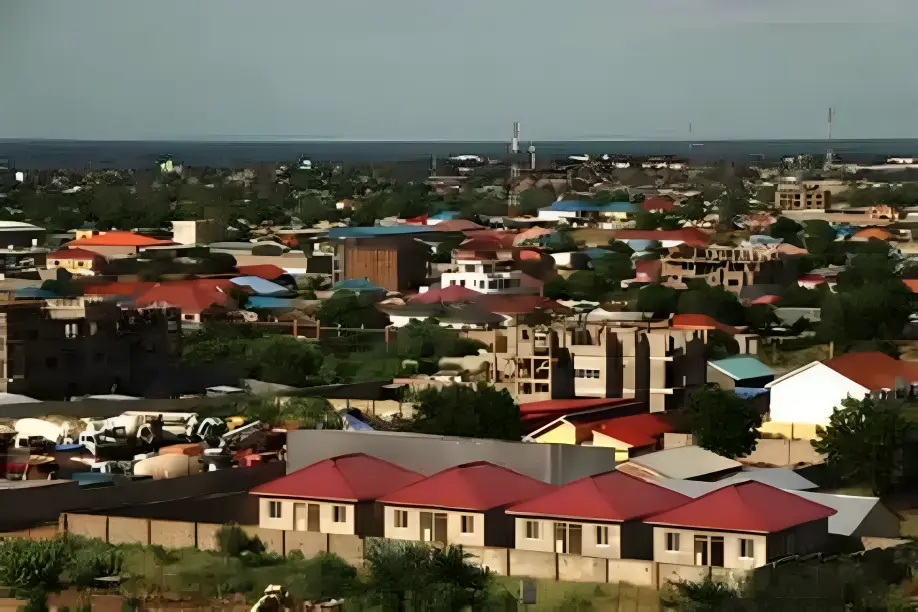
CENTRAL AFRICAN REPUBLIC (CAR)
The Central African Republic (CAR) records a GDP per capita of $573, yet 71% of its 5.6 million inhabitants live below the poverty line, a situation worsened by chronic political instability and resource exploitation. Since 2012, the country has been mired in a civil conflict between government forces and various armed groups, displacing over 700,000 people internally and pushing another 600,000 into neighboring countries. Rich in diamonds, gold, and timber, CAR's resources are often illegally exploited, with profits rarely benefiting the local population due to weak governance and corruption.
Healthcare is severely underfunded, with only one doctor per 20,000 people, and education access is limited, with a literacy rate of just 37%. The lack of infrastructure, including a mere 700 kilometers of paved roads, isolates communities and hinders trade, while frequent violence disrupts farming, leaving many dependent on food aid.
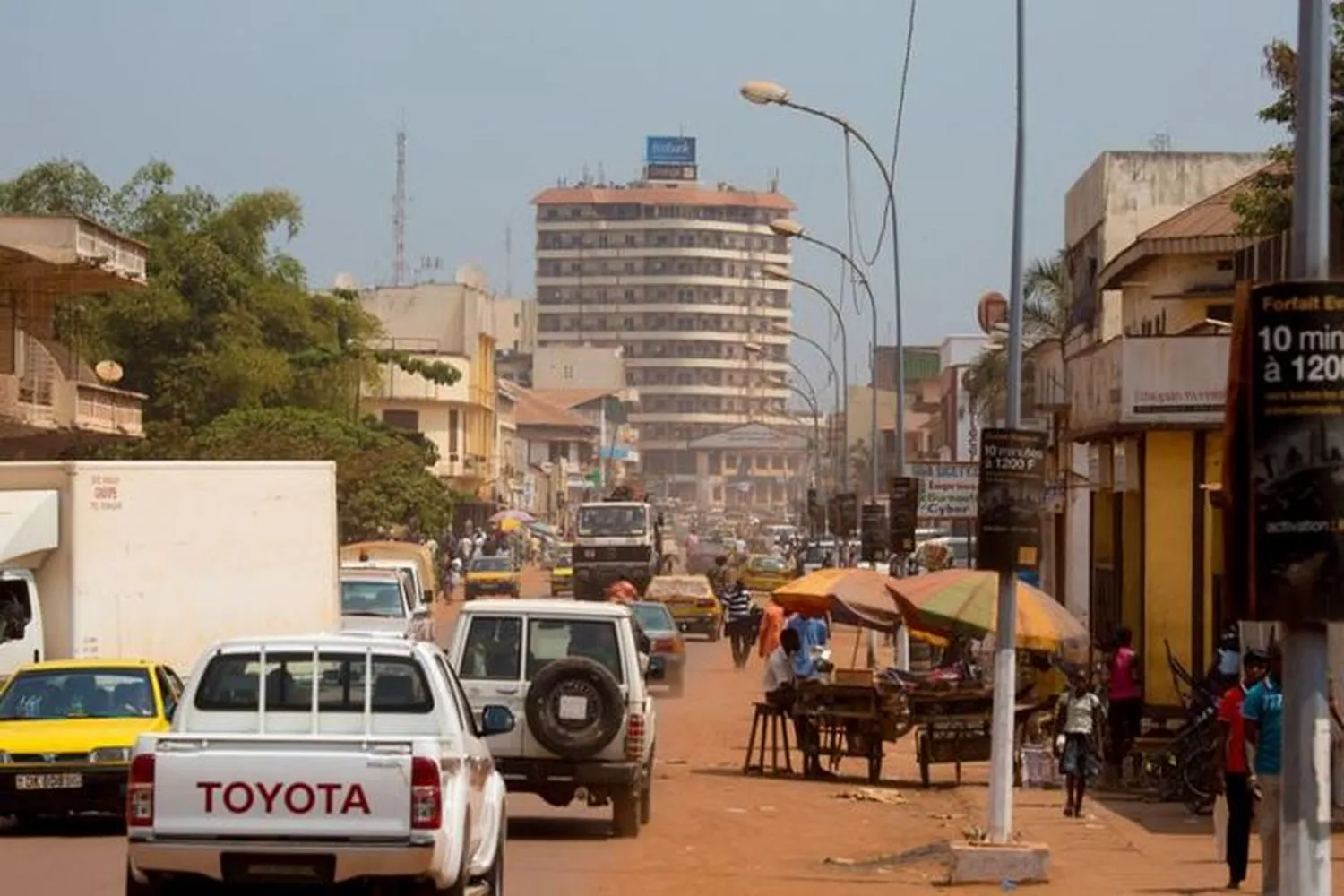
MADAGASCAR
Madagascar, an island nation off Africa's southeast coast, has a GDP per capita of $568, with 75% of its 29.6 million people living in poverty, a plight intensified by recurring cyclones and chronic food insecurity. The country is prone to natural disasters, with cyclones like Idai and Enawo causing billions in damages and displacing hundreds of thousands annually, destroying crops and homes. Agriculture, employing 80% of the workforce, is the backbone of the economy, but low productivity due to poor soil quality and outdated farming techniques limits growth.
Malnutrition affects 47% of children under five, exacerbated by erratic rainfall and deforestation, which has reduced forest cover by over 40% in recent decades. Political instability, including coups and disputed elections, has deterred foreign investment, while tourism potential remains underexploited due to inadequate infrastructure.
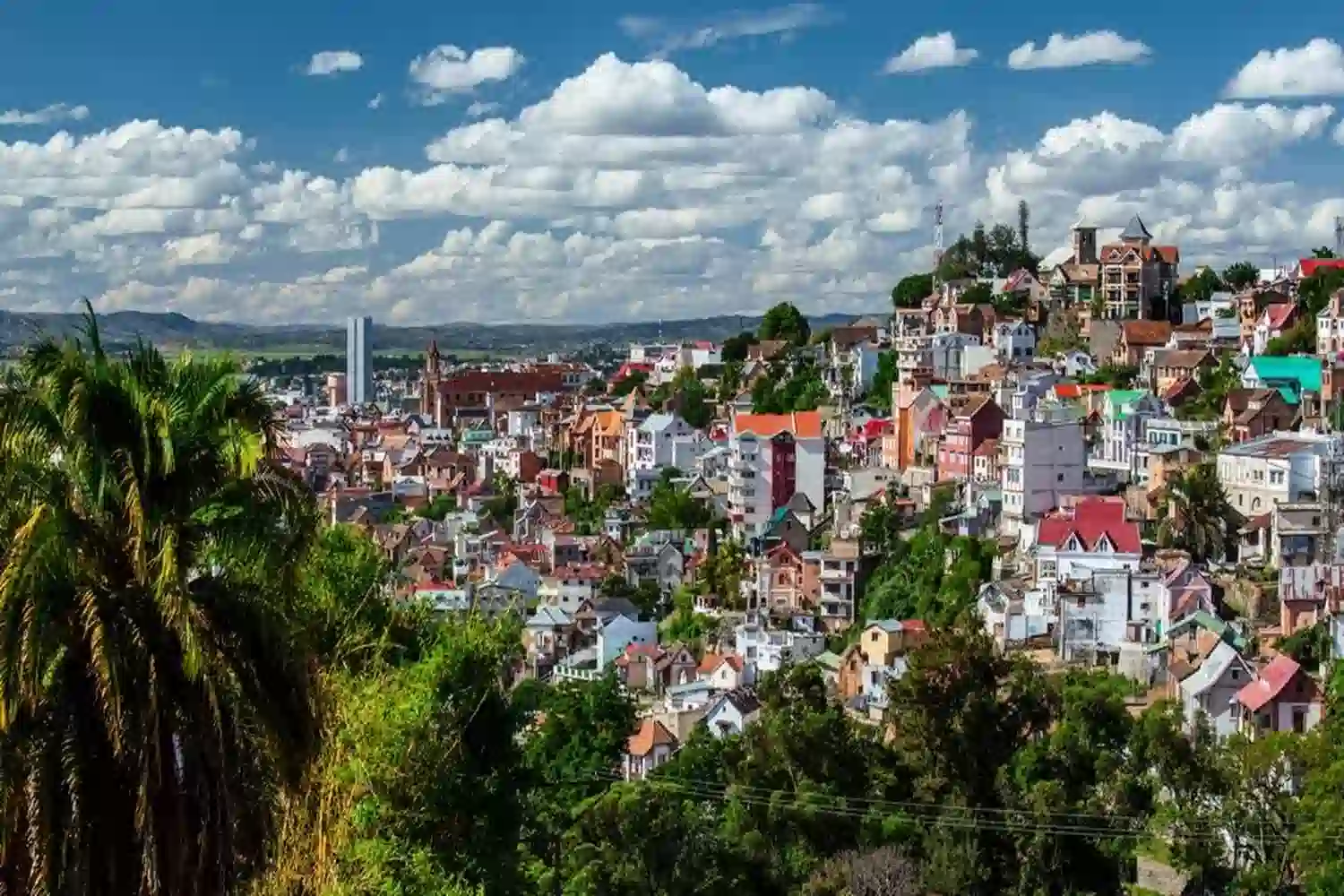
MOZAMBIQUE
Mozambique boasts a GDP per capita of $637, but 63% of its 33.9 million population faces poverty, driven by natural disasters, economic inequality, and a history of conflict. The country is vulnerable to cyclones, floods, and droughts, with Cyclone Kenneth in 2019 affecting over 300,000 people and costing $1 billion in damages. Economic inequality is stark, with wealth concentrated in urban areas like Maputo, while rural regions lack basic services—only 25% have access to electricity.
The economy depends on agriculture and mining, but insurgencies in the gas-rich Cabo Delgado region since 2017 have disrupted development projects worth $60 billion. Unemployment hovers around 24%, and despite foreign aid and investment, corruption and poor governance hinder equitable growth.
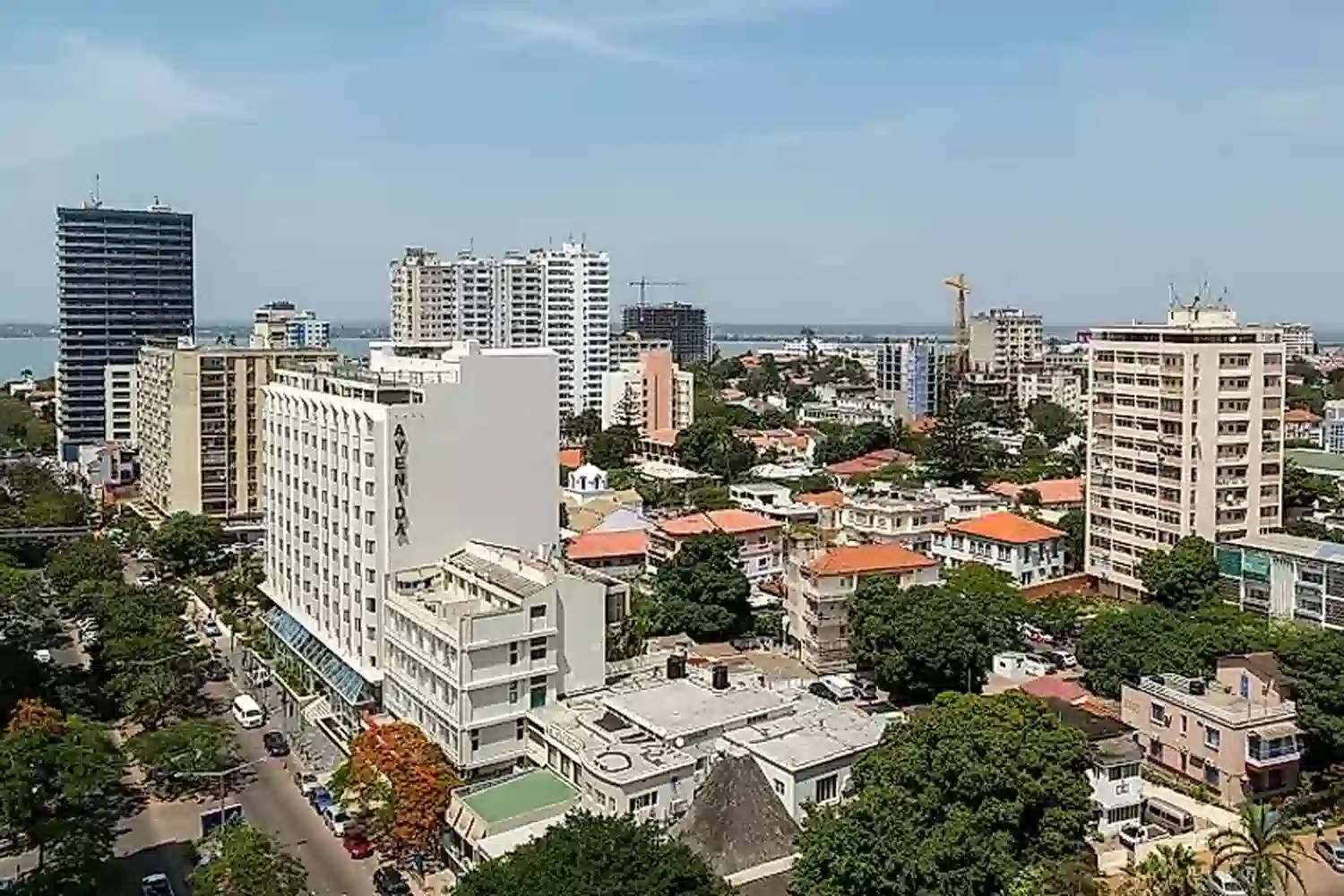
MALAWI
Malawi's GDP per capita stands at $645, yet 70% of its 20.4 million people live below the poverty line, a condition rooted in its heavy reliance on subsistence farming. Over 85% of the population depends on agriculture, particularly maize, but yields are vulnerable to erratic weather patterns, including droughts and floods that have reduced harvests by up to 30% in recent years.
Infrastructure is underdeveloped, with only 6,000 kilometers of paved roads and electricity reaching just 11% of rural households. Education and healthcare are strained, with a literacy rate of 62% and one doctor per 50,000 people. Economic diversification is limited by low industrial capacity, and while tobacco exports provide revenue, global price drops hurt farmers, perpetuating poverty cycles.
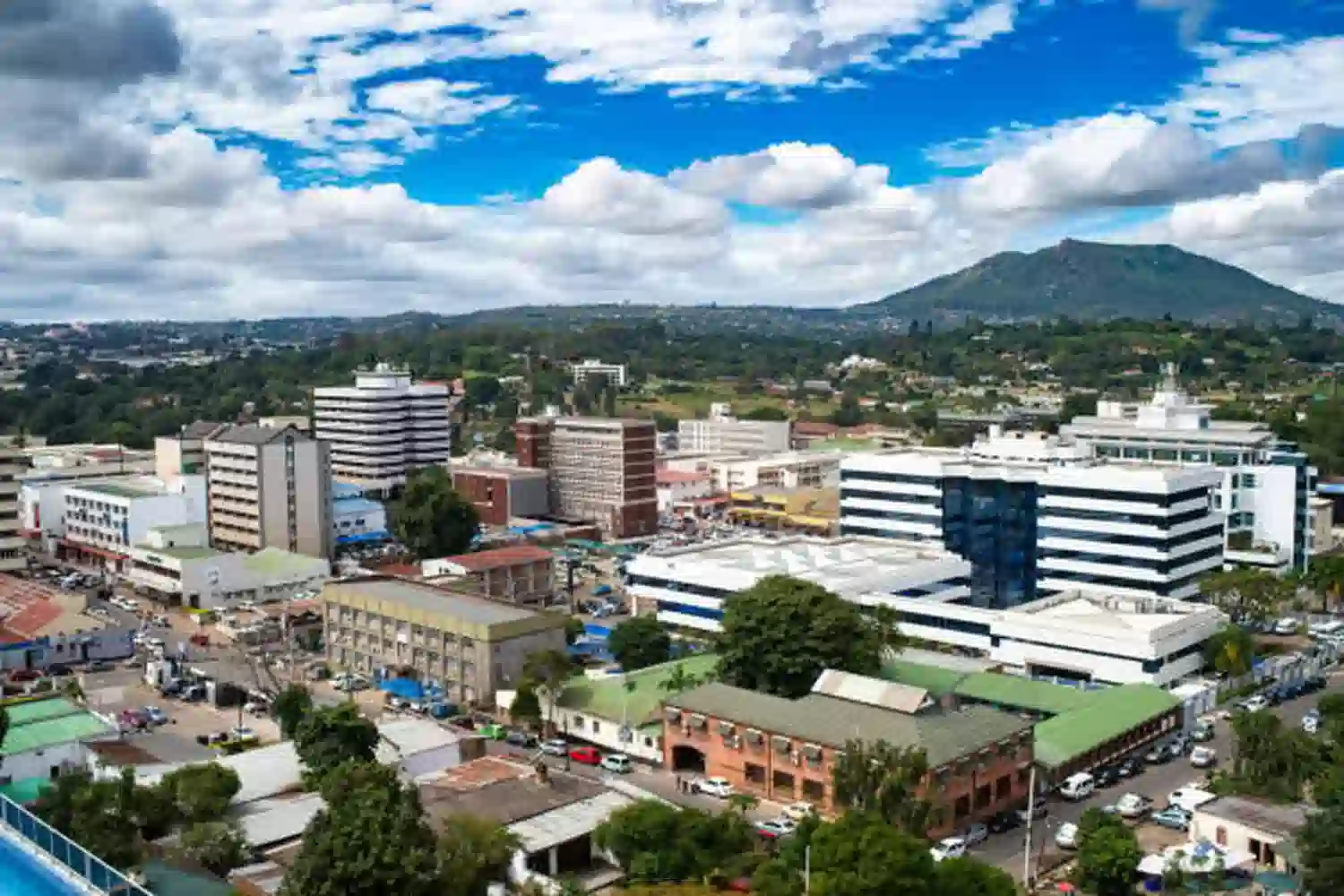
NIGER
Niger, a landlocked West African country, records a GDP per capita of $535, with 50% of its 26 million people in poverty, driven by environmental degradation and rapid population growth. The Sahel region's desertification has reduced arable land, affecting 80% of the population dependent on subsistence farming and livestock.
With a fertility rate of 7 children per woman, resources are stretched thin, straining education and healthcare systems—only 36% of children complete primary school. Frequent droughts and locust invasions disrupt food security, while insecurity from Boko Haram in the southeast adds to economic woes. Infrastructure is sparse, with just 3,800 kilometers of paved roads.
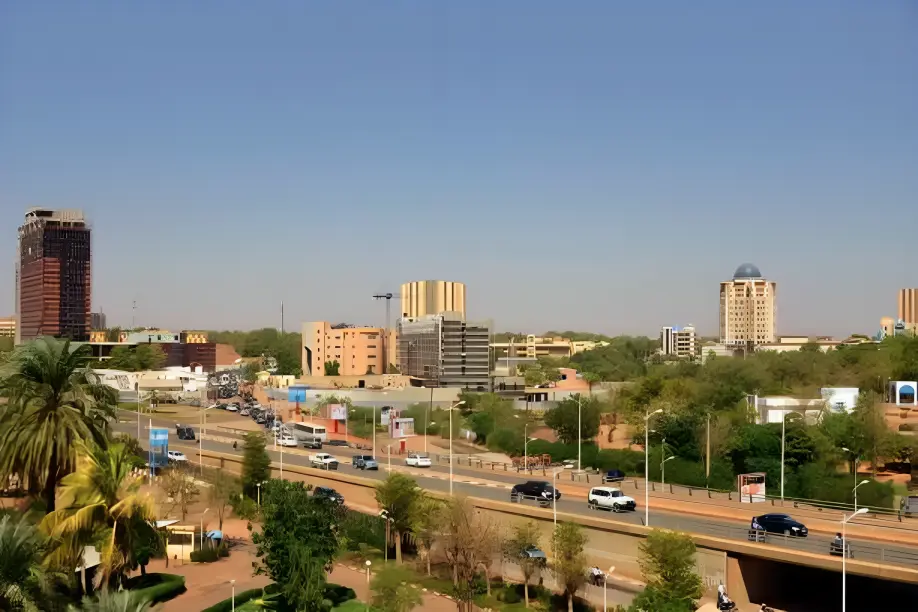
CHAD
Chad's GDP per capita is around $697, but 40% of its 18 million people live in poverty, exacerbated by a harsh climate and political turmoil. Located in the Sahel, the country faces desert expansion and recurrent droughts, reducing agricultural yields for 80% of its rural population.
Oil exports provide revenue, but benefits are uneven due to corruption and mismanagement, with infrastructure like roads and electricity lagging—only 5% of rural areas have power. Conflict with Boko Haram and intercommunal violence has displaced 400,000 people, disrupting markets and farming. Healthcare is minimal, with one doctor per 30,000 people.
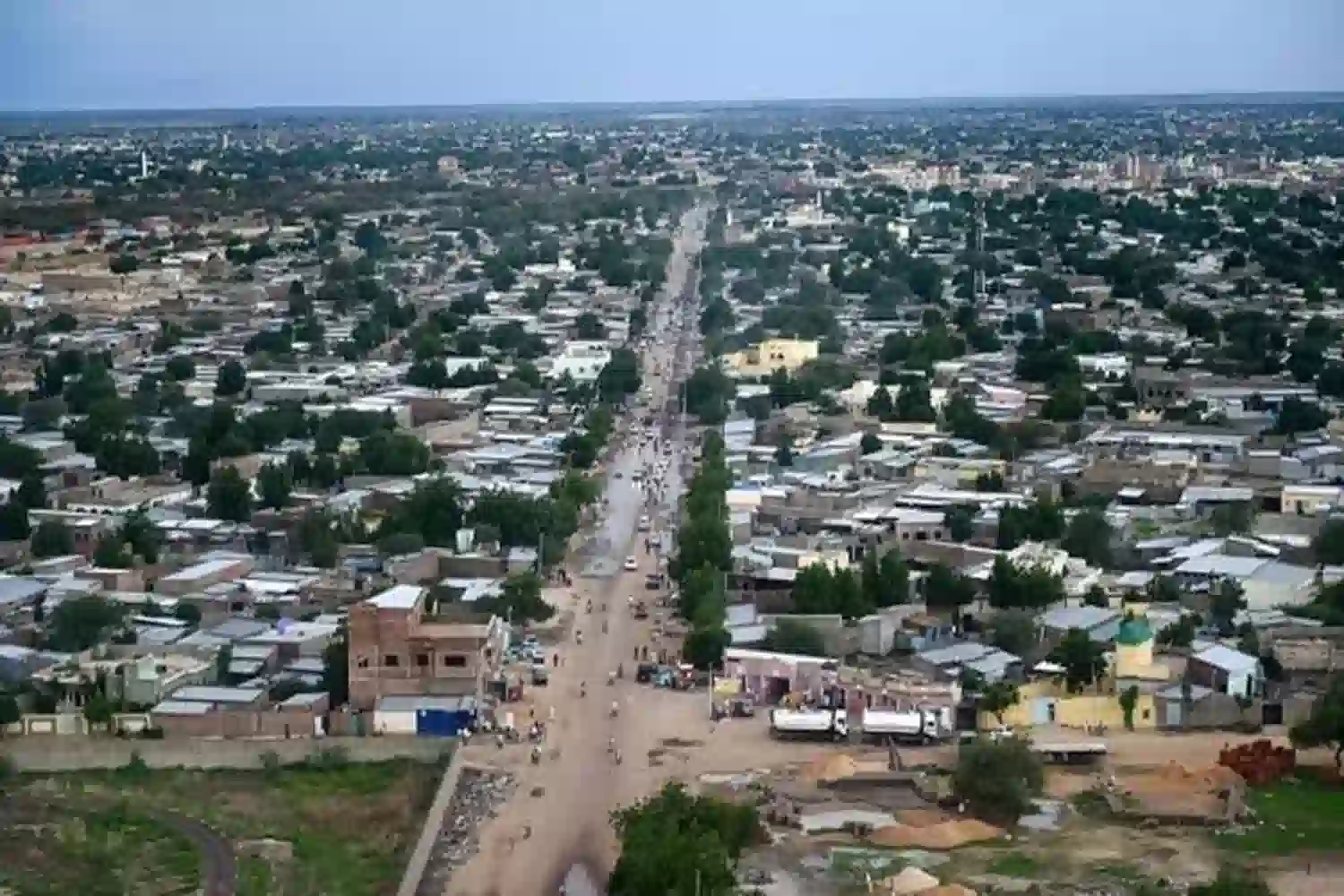
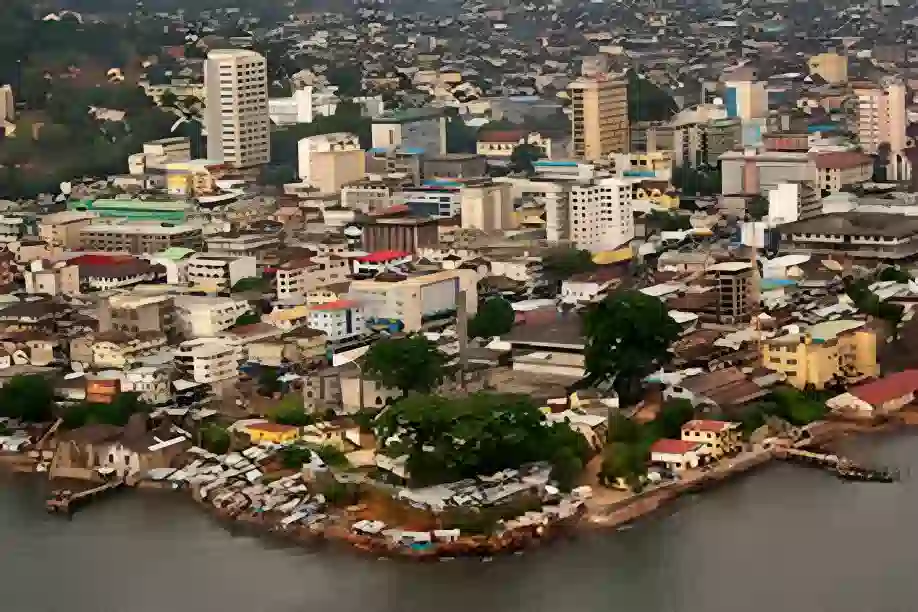
SIERRA LEONE
Sierra Leone has a GDP per capita of $461, with 60% of its 8.6 million people in poverty, a legacy of its 1991-2002 civil war. The conflict destroyed infrastructure, leaving only 8% of roads paved and electricity access at 15%. Agriculture and mining (diamonds) dominate, but low productivity and illegal mining limit gains.
Post-war recovery is slow, with unemployment at 15% and youth joblessness higher. Ebola in 2014-2016 set back health gains, with 60% of children still malnourished. Education access is improving, but literacy remains at 48%.
SOMALIA
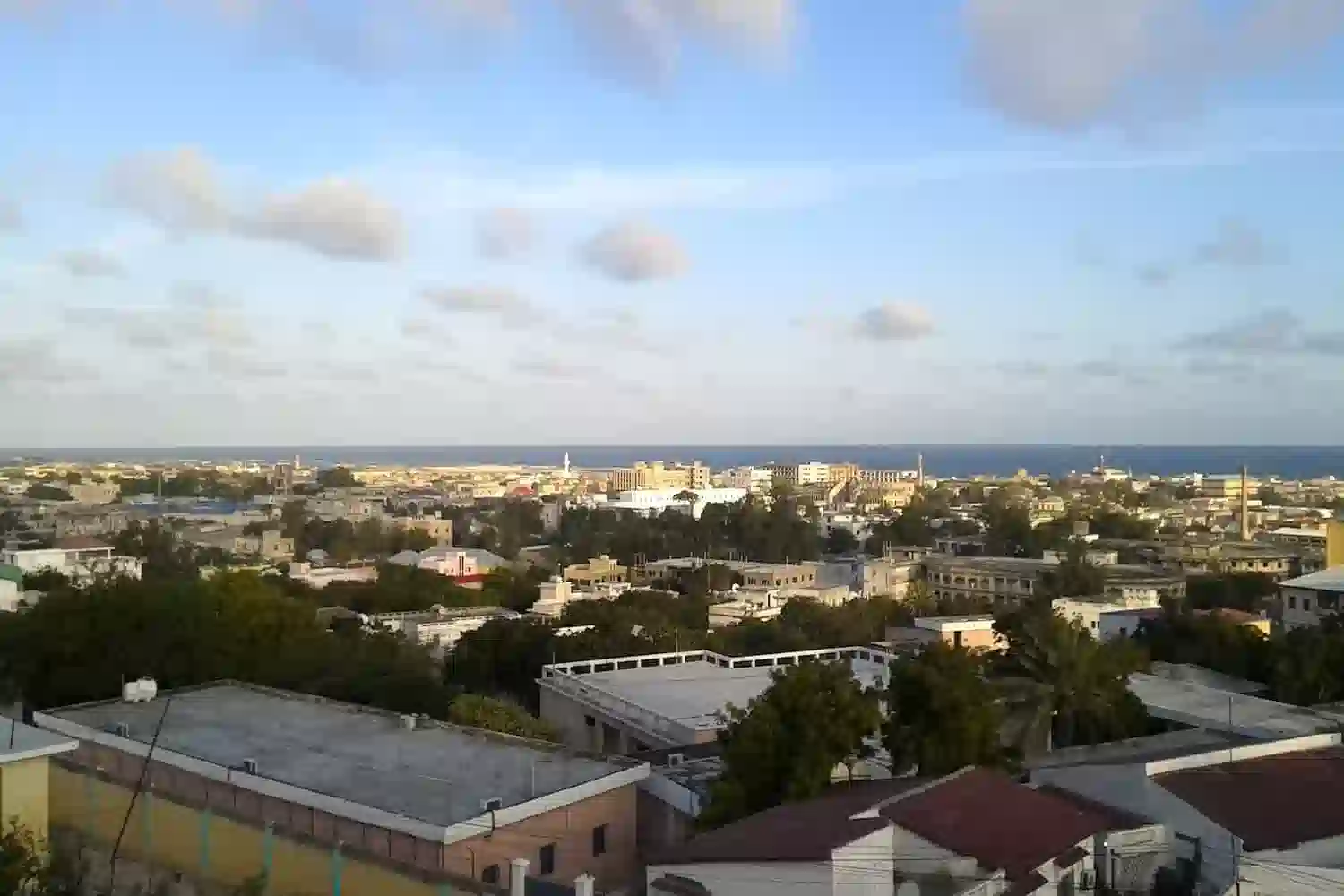
Somalia’s GDP per capita is $766, with 43% of its 17 million people living on less than $1 daily, due to decades of conflict and drought. The civil war since 1991 has fragmented governance, with Al-Shabaab controlling rural areas, disrupting trade and agriculture. Livestock is key, but droughts have killed 2 million animals since 2017.
Remittances from the diaspora provide 40% of GDP, but infrastructure is nearly nonexistent—only 1,000 kilometers of roads are paved. Humanitarian crises affect 6 million, with famine risks looming.
Comparative Poverty Statistics Table
| Country | GDP per Capita (USD) | Poverty Rate (% below $2.15/day) |
|---|---|---|
| Burundi | 238 | 75% |
| South Sudan | 380 | 82% |
| Central African Republic | 573 | 71% |
| Madagascar | 568 | 75% |
| Mozambique | 637 | 63% |
| Malawi | 645 | 70% |
| Niger | 535 | 50% |
| Chad | 697 | 40% |
| Sierra Leone | 461 | 60% |
| Somalia | 766 | 43% |
Causes of Poverty in Africa
- Political Instability: Conflicts in South Sudan and CAR have disrupted economies and displaced millions.
- Agricultural Dependence: Over 70% of Burundians rely on subsistence farming, vulnerable to climate shocks.
- Limited Infrastructure: Poor roads and electricity access hinder economic growth in Madagascar and Malawi.
- Health Challenges: High malaria and HIV rates in Mozambique exacerbate poverty.
- Climate Change: Droughts and floods in the Horn of Africa region impact food security.
Efforts and Hope for Improvement
Initiatives by the African Union and international aid organizations are targeting poverty reduction. Burundi’s government is investing in agriculture, while South Sudan seeks peace to stabilize its economy. NGOs are improving healthcare in CAR, and microfinance programs in Madagascar empower local entrepreneurs.
Explore Tanzania Tour Destinations
While understanding poverty across Africa provides valuable context, Tanzania offers a vibrant contrast with its rich tourism landscape. Transitioning from the challenges faced by the continent’s poorest nations, Tanzania invites you to explore its iconic destinations. From the majestic Mount Kilimanjaro to the pristine beaches of Zanzibar, and the wildlife safaris in the Serengeti. So, Jaynevy Tours provides expertly guided tours to experience Tanzania’s natural wonders. Discover more about these destinations and plan your adventure today!
Frequently Asked Questions
Which is the poorest country in Africa?
Burundi is currently the poorest country in Africa, with a GDP per capita of $238 and 75% of its population living below the $2.15 daily poverty line.
What causes poverty in African countries?
Poverty stems from political instability, agricultural dependence, limited infrastructure, health crises, and climate change impacts.
How does Burundi compare to other poor countries?
Burundi has the lowest GDP per capita ($238) compared to South Sudan ($380) and CAR ($573), with a higher poverty rate than most.
Are there efforts to reduce poverty in Africa?
Yes, the African Union, NGOs, and governments are implementing agricultural, healthcare, and microfinance programs to alleviate poverty.
What is the HDI of the poorest countries?
The HDI ranges from 0.381 (South Sudan) to 0.501 (Madagascar), indicating low human development across these nations.