

Understanding Dangerous Animals
Dangerous animals pose threats through venom, physical strength, aggression, or disease transmission. This guide, based on 2024 data from wildlife organizations and IUCN reports, ranks the top 10 most dangerous animals, combining quantitative data like annual fatalities with qualitative insights from safari guides and travelers.
Top 10 Most Dangerous Animals in 2026
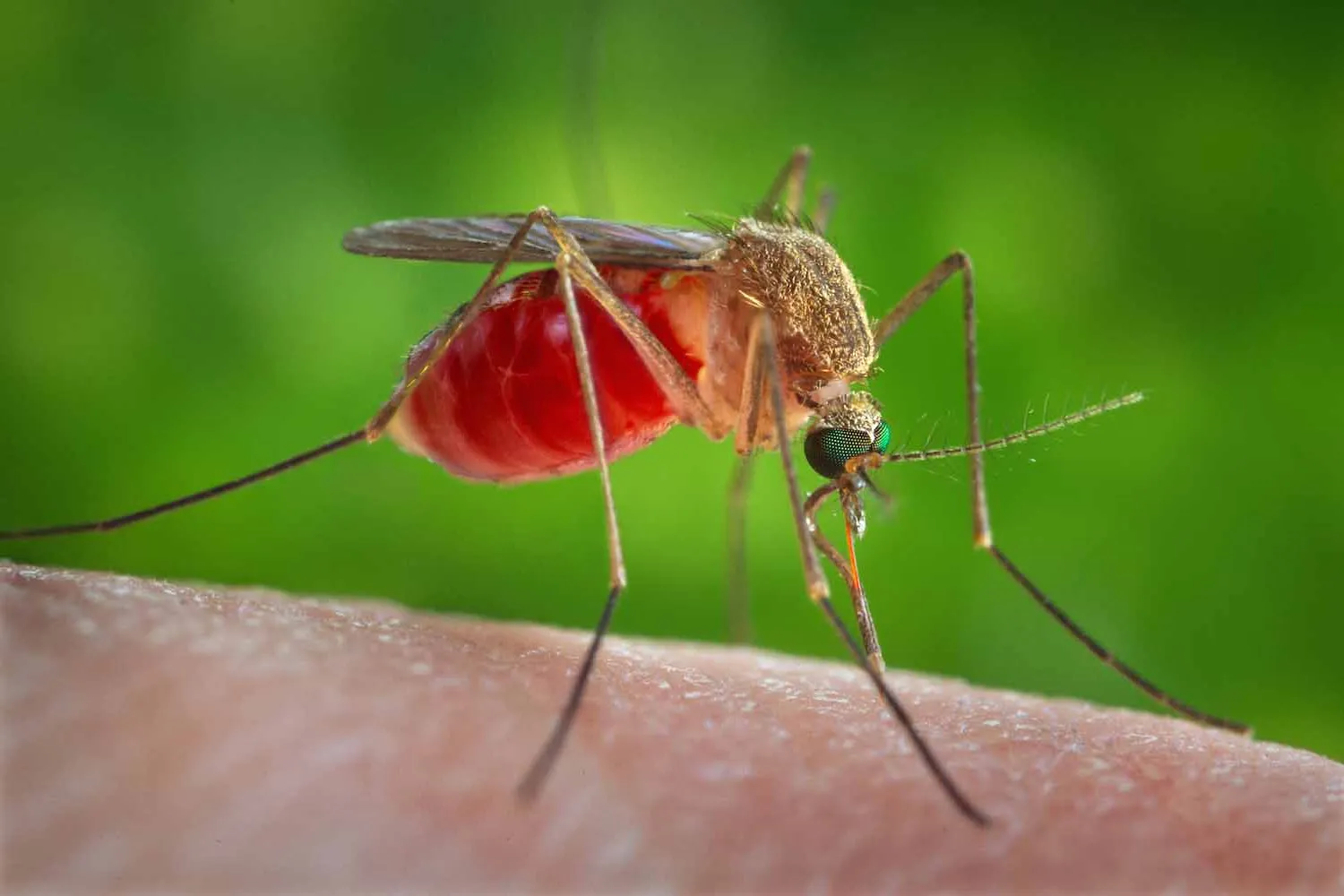
1. Mosquito
Mosquitoes, particularly Anopheles and Aedes species, cause over 700,000 deaths annually by transmitting malaria, dengue, and Zika. Found in tropical regions like Sub-Saharan Africa and Southeast Asia, they thrive in humid environments. A guide in Tanzania notes, “Mosquito nets are a must in rural areas.”
2. Inland Taipan
The inland taipan, or small-scaled snake, of Australia has venom capable of killing 100 humans with one bite. Its LD50 toxicity score of 0.025 mg/kg makes it the world’s most venomous snake, though human encounters are rare due to its remote desert habitat.

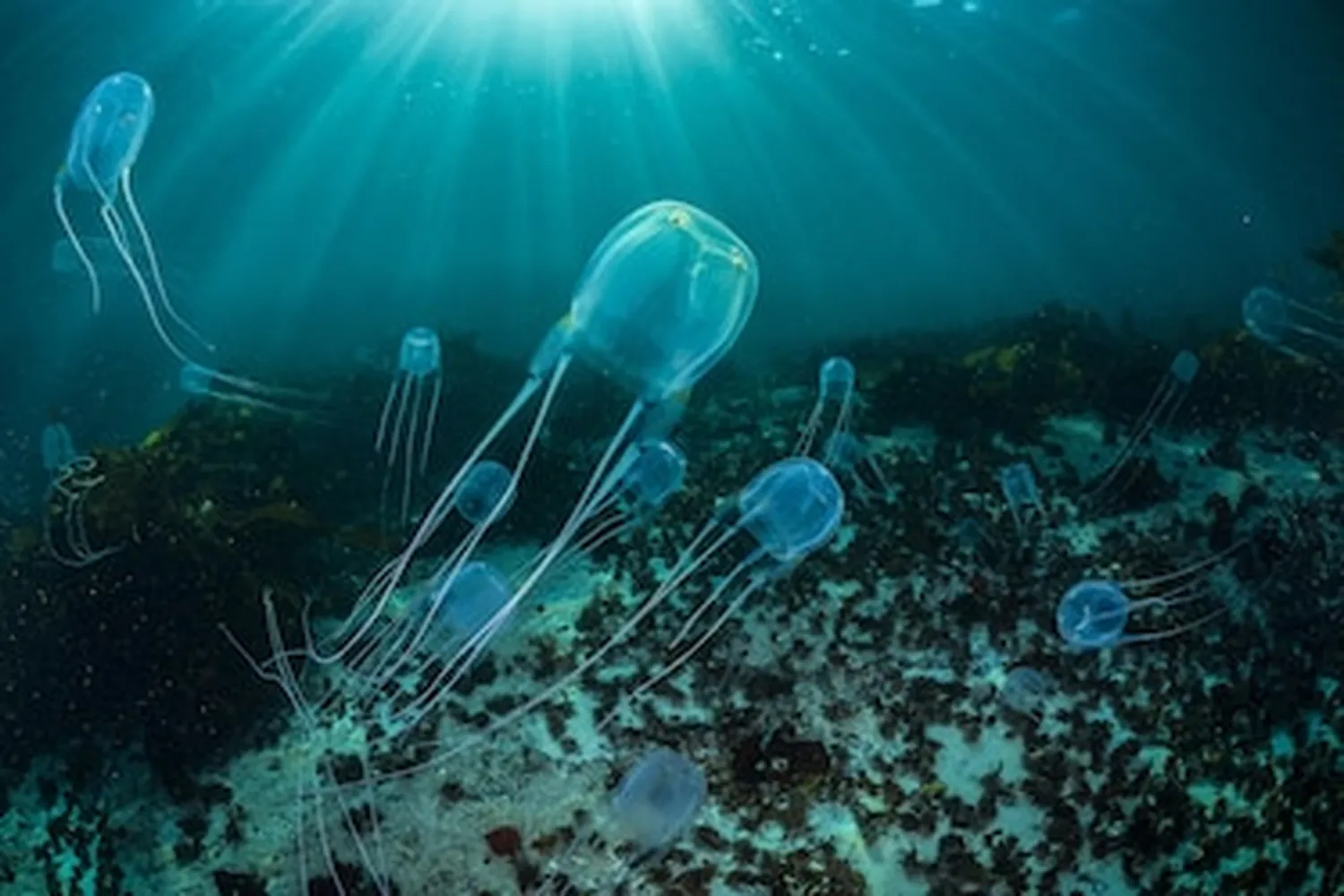
3. Box Jellyfish
Box jellyfish, found in Indo-Pacific waters, cause around 40 deaths yearly with venom that attacks the heart and nervous system. Their 60 tentacles, each up to 3 meters long, deliver stings with a 50% fatality rate if untreated.
4. Saltwater Crocodile
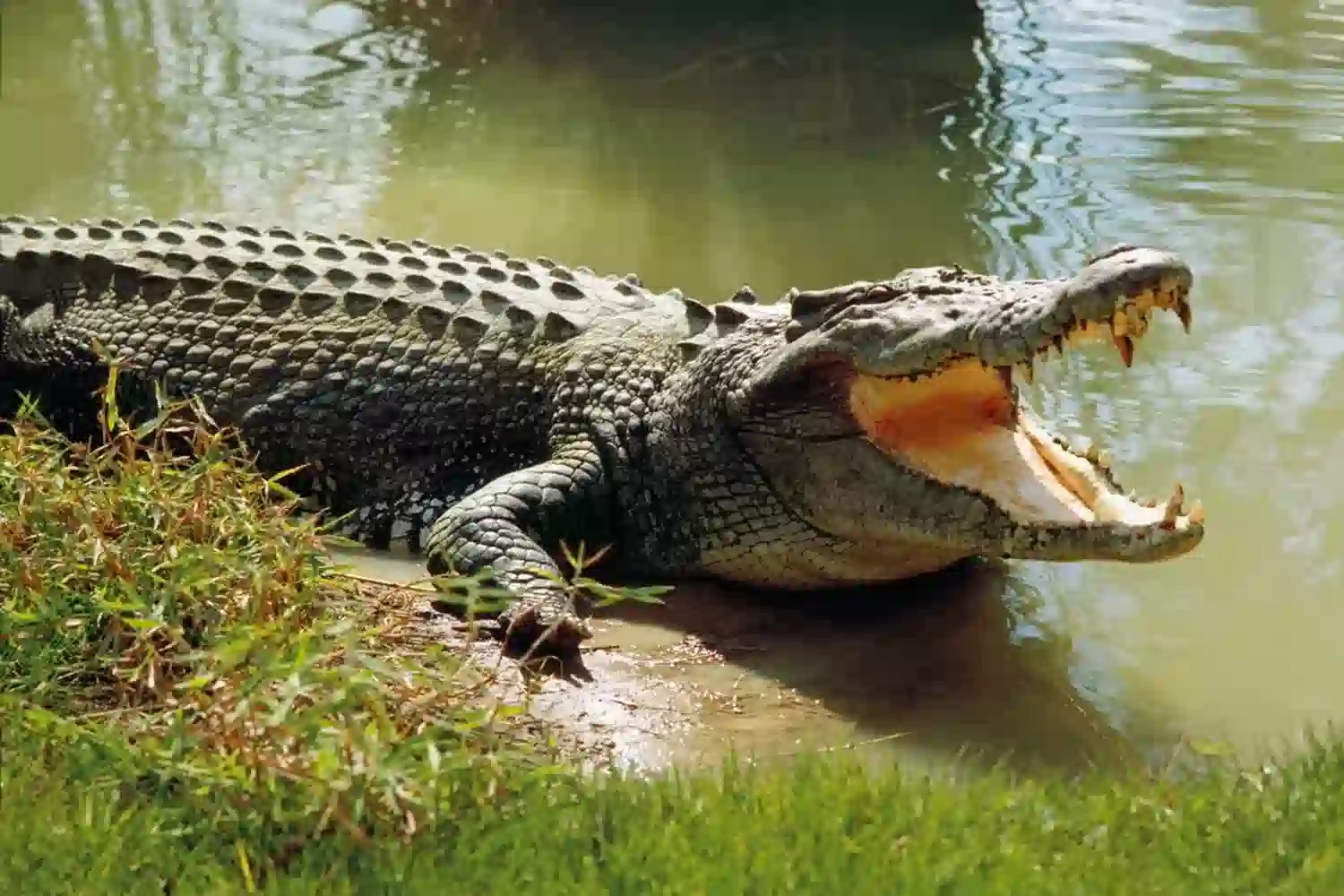
Saltwater crocodiles in Australia and Southeast Asia kill about 1,000 people annually. Growing up to 7 meters and weighing 2,000 kg, their bite force of 3,700 pounds makes them deadly in rivers and estuaries.
5. African Lion
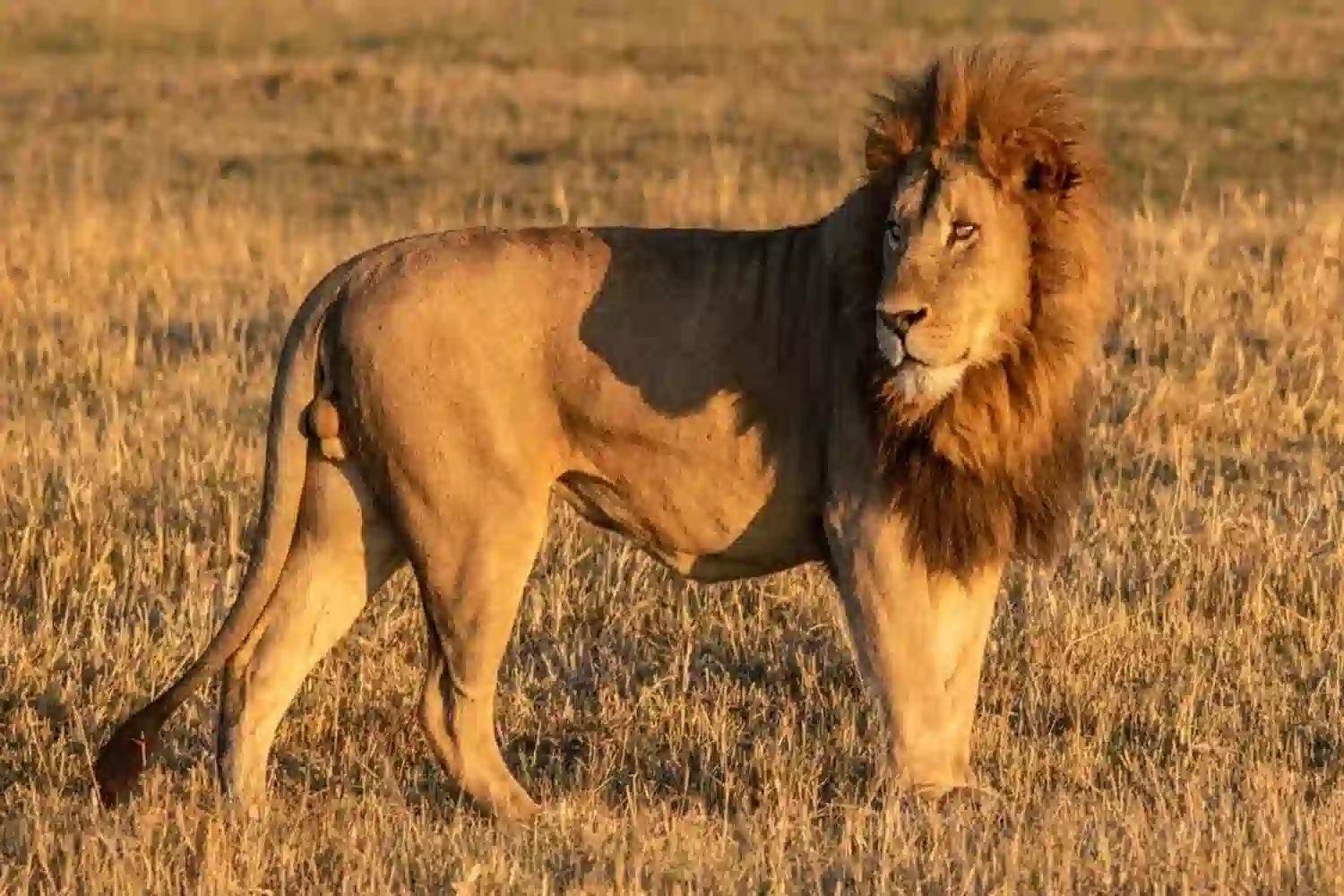
Lions in Sub-Saharan Africa cause 250 deaths yearly. Their strength (1,000 kg bite force) and pack behavior make them formidable. A Tanzanian ranger shares, “Never approach a pride on foot.”
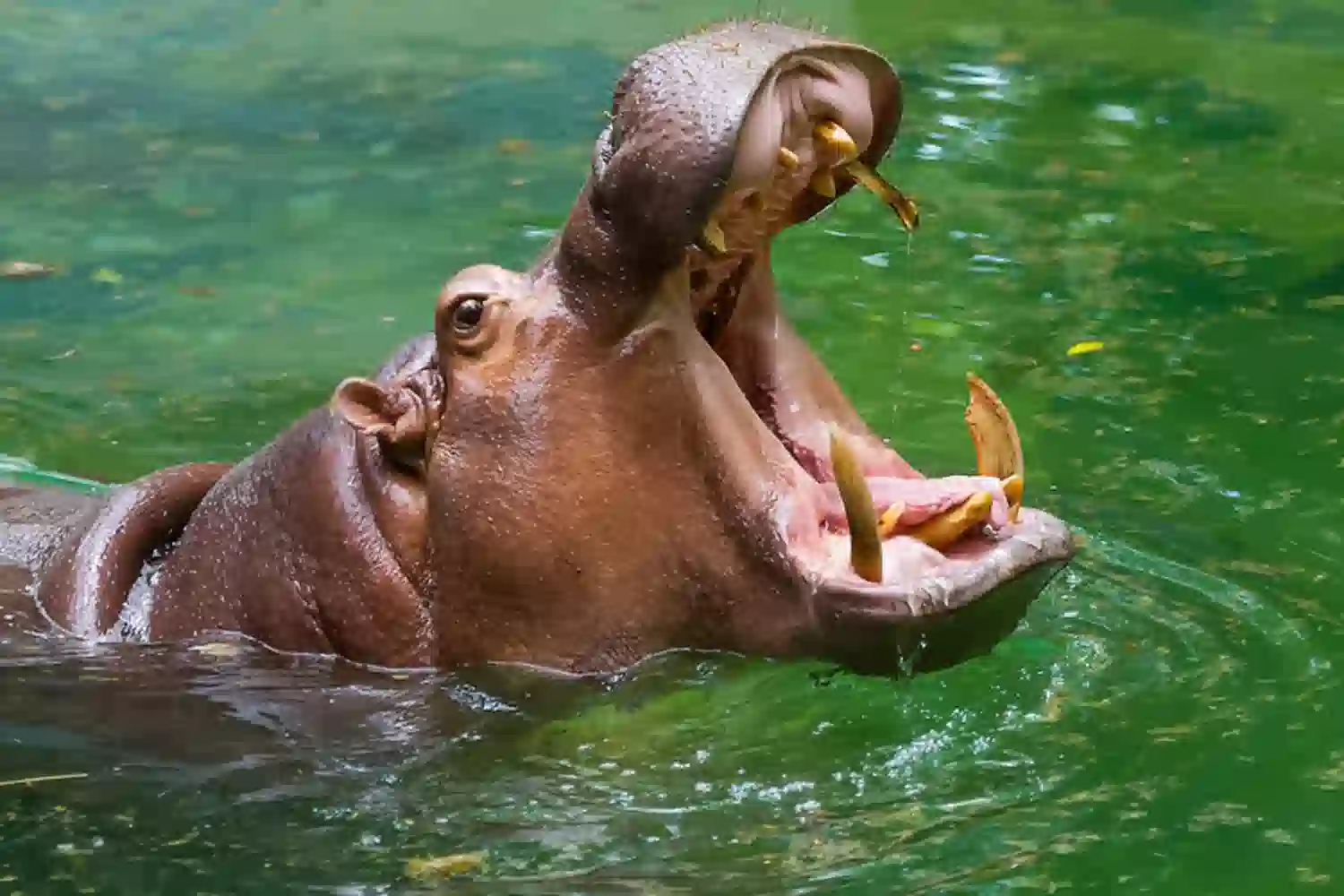
6. Hippopotamus
Hippos, found in African rivers, kill about 500 people annually. Weighing up to 4,500 kg, their aggressive territorial behavior and 50 cm canines make them unpredictable, especially in water.
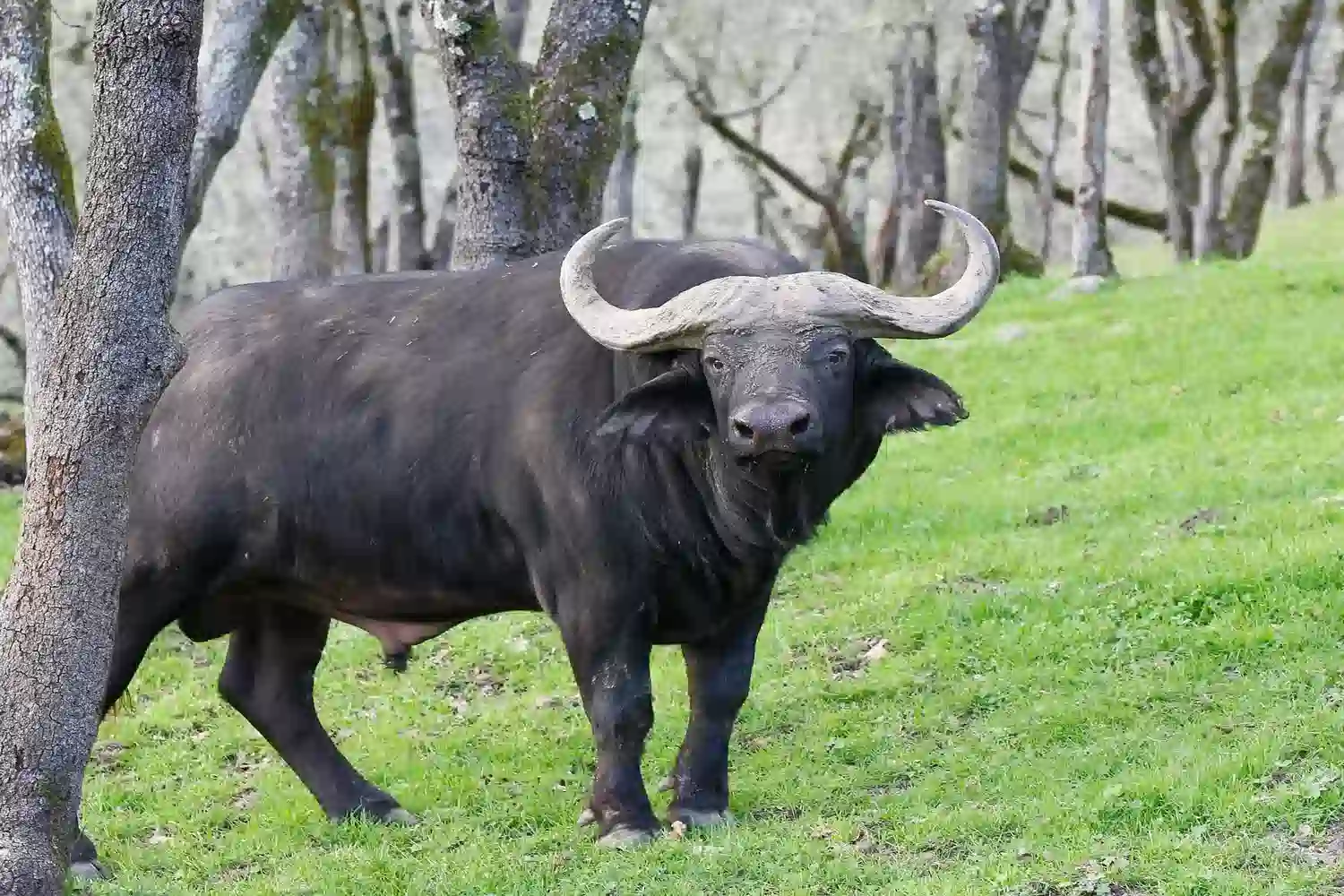
7. Cape Buffalo
Cape buffalo in Africa cause 200 deaths yearly. Known as “Black Death,” these 900 kg animals charge at 50 km/h, often in herds, posing risks during safaris.
8. Cone Snail
Cone snails in tropical oceans deliver venom via a harpoon-like tooth, causing 10-20 deaths annually. Their neurotoxins can paralyze within minutes, with no antivenom available.

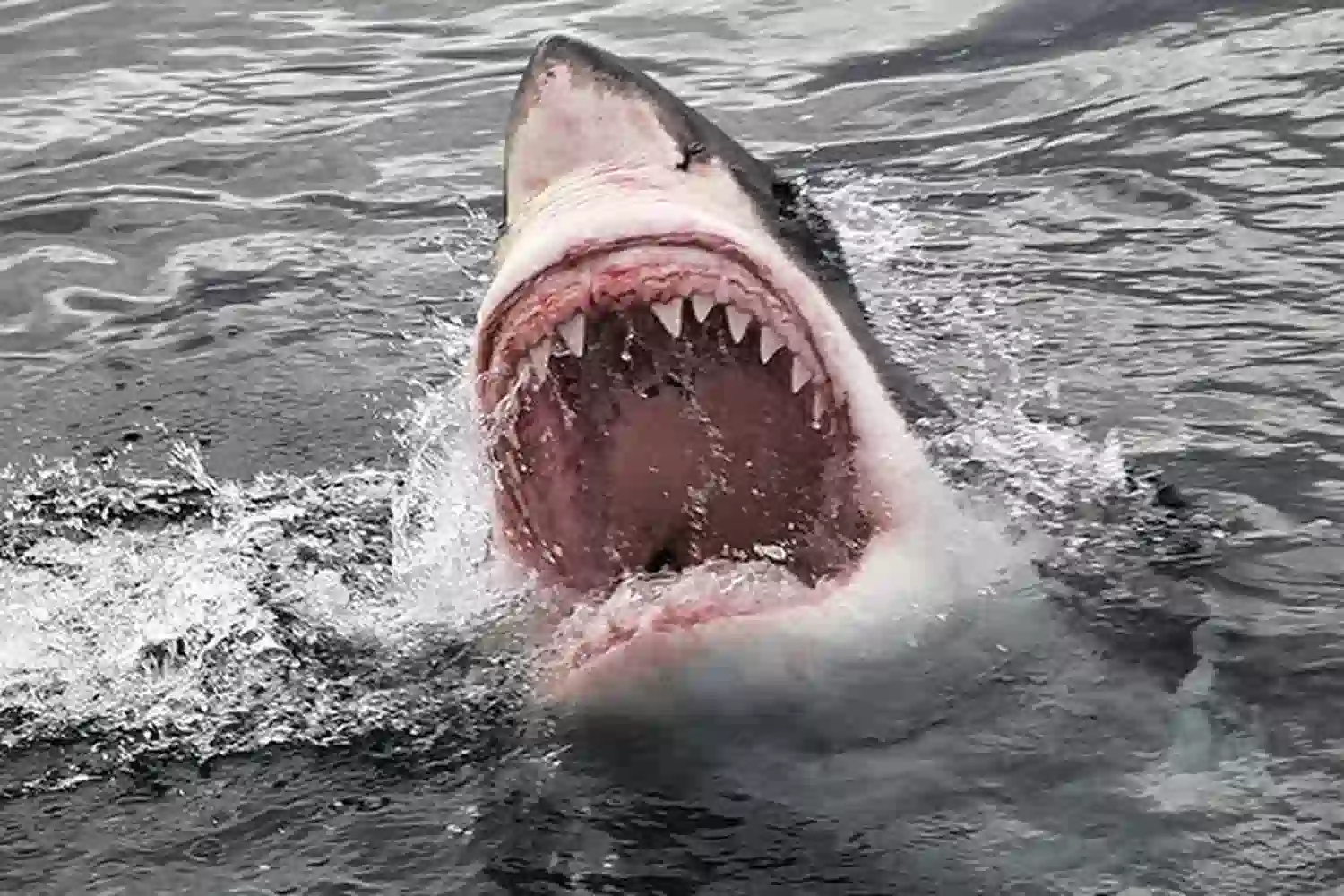
9. Great White Shark
Great white sharks, found globally, cause 5-10 fatal attacks yearly. Their 4,000-pound bite force and size (up to 6 meters) make them ocean apex predators, though attacks are often exploratory.
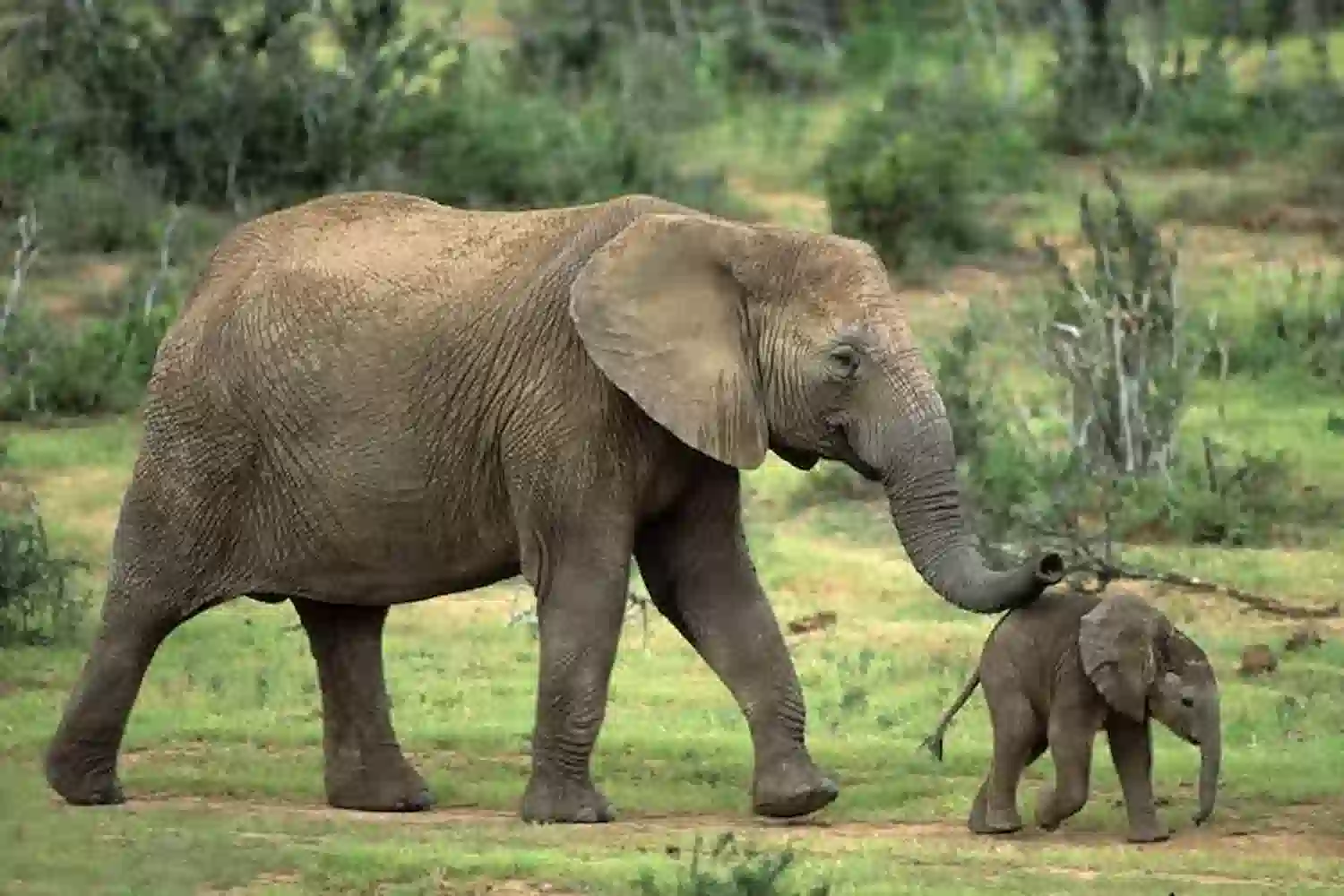
10. African Elephant
Elephants, despite their gentle reputation, kill about 100 people yearly in Africa and Asia. Weighing up to 14,000 kg, their charges at 40 km/h can be deadly when provoked.
Dangerous Animals Statistics Table
| Animal | Annual Fatalities | Primary Habitat | Key Threat |
|---|---|---|---|
| Mosquito | 700,000 | Tropical regions | Disease transmission |
| Inland Taipan | <10 | Australian deserts | Venom |
| Box Jellyfish | 40 | Indo-Pacific oceans | Venom |
| Saltwater Crocodile | 1,000 | Australia, SE Asia | Physical attack |
| African Lion | 250 | Sub-Saharan Africa | Physical attack |
| Hippopotamus | 500 | African rivers | Physical attack |
| Cape Buffalo | 200 | Sub-Saharan Africa | Physical attack |
| Cone Snail | 10-20 | Tropical oceans | Venom |
| Great White Shark | 5-10 | Global oceans | Physical attack |
| African Elephant | 100 | Africa, Asia | Physical attack |
Factors Contributing to Animal Danger
- Venom Potency: Snakes like the inland taipan and cone snails have lethal toxins.
- Aggression: Hippos and buffalo are territorial, attacking when threatened.
- Disease Transmission: Mosquitoes spread deadly pathogens like malaria.
- Physical Strength: Crocodiles and elephants overpower with sheer force.
- Proximity to Humans: Lions and sharks encounter humans in shared habitats.
Qualitative Insights: Wildlife Encounters
Safari guide Juma from Tanzania shares, “Hippos are unpredictable; keep your distance near rivers.” Australian diver Sarah notes, “Box jellyfish stings are excruciating; always wear protective suits.” These perspectives highlight the real-world risks and precautions needed.
Conservation and Safety
Many dangerous animals, like lions and elephants, are threatened species. Conservation efforts, such as those in Tanzania’s Serengeti, protect them while ensuring safe tourism. Poaching has reduced elephant populations by 30% since 2000, emphasizing the need for ethical safaris.
Safety Tips for Travelers
- Use Expert Guides: On safaris, guides know animal behaviors and safe routes.
- Wear Protective Gear: Use insect repellent and stinger suits in tropical areas.
- Avoid Risky Areas: Stay away from hippo-filled rivers or shark-prone waters.
- Respect Wildlife: Keep a safe distance and follow park rules.
- Stay Informed: Research local wildlife risks before traveling.
Explore Tanzania’s Wildlife with Jaynevy Tours
Tanzania hosts several of these animals, like lions, hippos, and buffalo, in its iconic Serengeti and Ngorongoro Crater. Join Jaynevy Tours for safe, guided safaris to witness these majestic yet dangerous creatures, or relax on Zanzibar’s beaches.
Frequently Asked Questions
What is the most dangerous animal in the world?
The mosquito is considered the most dangerous due to its role in spreading diseases like malaria, causing over 700,000 deaths annually.
Why are some animals more dangerous than others?
Factors like venom potency, aggression, disease transmission, and human proximity make certain animals more dangerous.
How can travelers stay safe from dangerous animals?
Use guides, follow safety protocols, avoid risky areas, and carry protective gear like insect repellent.
Where are these dangerous animals found?
They inhabit diverse regions, from African savannas (lions, hippos) to oceans (box jellyfish) and tropical areas (mosquitoes, snakes).
Can dangerous animals be conserved safely?
Yes, through protected reserves and ethical tourism, like safaris, which balance safety and conservation.