
What You Need to Know: Udzungwa Mountains National Park is about 1.5 hours from Mikumi and 5–6 hours from Dar es Salaam. The Sanje waterfall hike takes about 4 hours; the 3-day trek to Mwanihana Peak (7,054 ft / 2,150 m) costs from US$1,446 per person for 2 travelers sharing, with camping, meals, an armed ranger, porters, cook and park fees included. Entry costs about US$35.40 per adult per day.
Why Visit Udzungwa?
Udzungwa is part of the Eastern Arc Mountains, one of Africa's biodiversity hotspots. The park covers about 1,990 km², rising from lowland forest at about 980 ft (300 m) to over 8,200 ft (2,500 m). Two of its primates live nowhere else: the Udzungwa red colobus and the Sanje mangabey. There are no roads inside: you explore on foot with a ranger or guide.
Udzungwa Hiking Trails
| Trail | Length | Highlights |
|---|---|---|
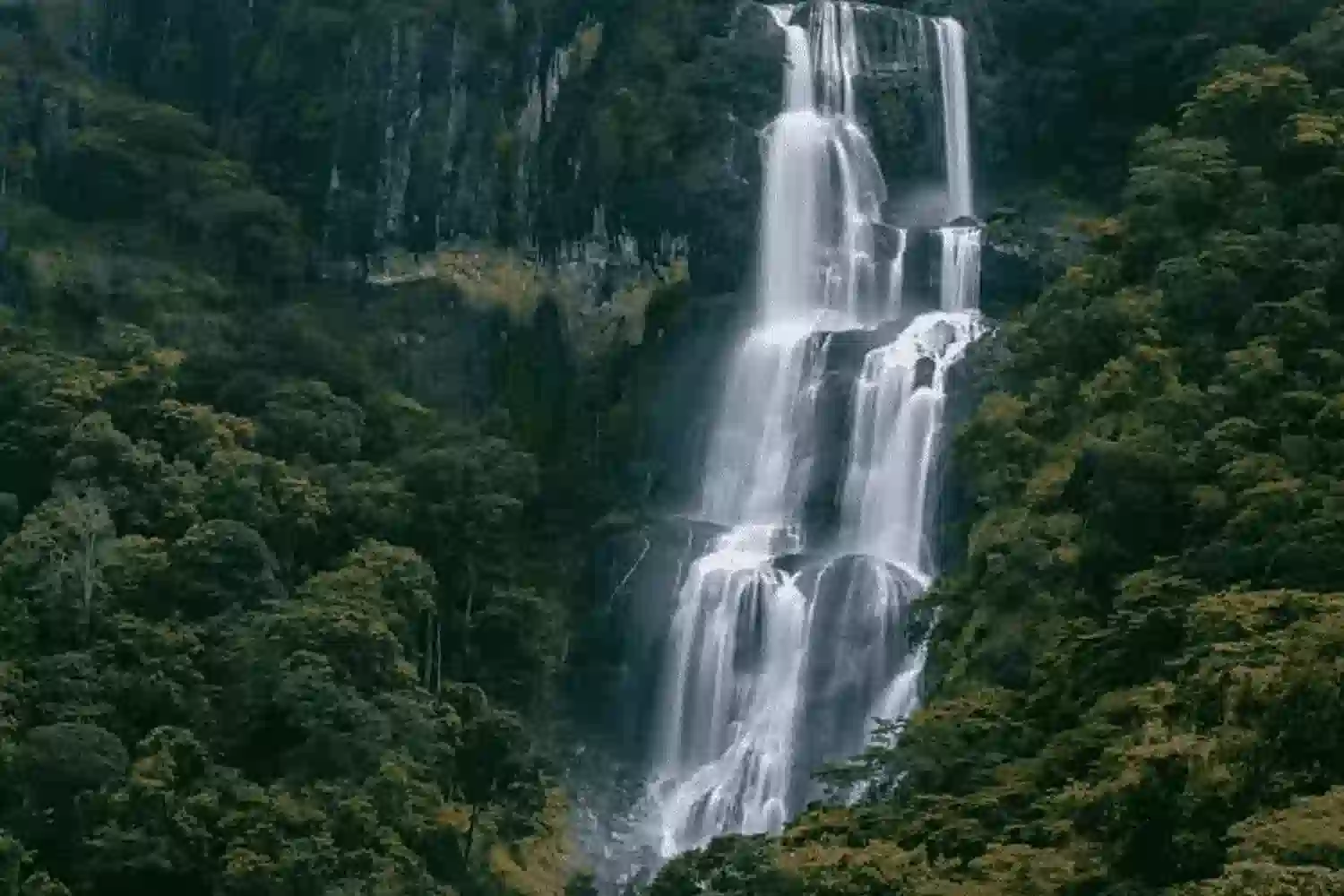
| Sanje waterfall | About 4 hours | A 560 ft (170 m) waterfall, pools to swim in, views over the Kilombero Valley |
| Prince Bernhard waterfall | Under 1 hour | A short walk near the park headquarters |
| Mwanihana Peak | 3 days | A 7,054 ft (2,150 m) peak reached through bamboo and montane forest |
| Lumemo trail | 2–5 days | Remote forest, rarely walked |
The 3-Day Mwanihana Peak Trek
Day 1: transfer to the main gate and trek through lowland forest to Njia Panda Camp, with an armed ranger; porters and the cook carry the luggage and set up camp. Day 2: climb through bamboo and montane forest to Mwanihana Peak (7,054 ft / 2,150 m), with views over the forest and the Kilombero Valley, and return to camp. Day 3: descend to the gate, with an optional detour to swim at Sanje waterfall, and transfer back.
The trek costs from US$1,446 per person for 2 travelers sharing, including camping, all meals, the ranger, porters and cook, park and camping fees, and transfers from Morogoro. Bring your own boots and rain gear.
Udzungwa's Primates Found Nowhere Else
- Udzungwa red colobus: endemic, seen often on the Sanje trail
- Sanje mangabey: endemic and endangered, discovered by scientists only in 1979
- Black-and-white colobus, blue monkeys and yellow baboons
- The grey-faced sengi, a giant elephant shrew found only here
How to Get to Udzungwa
| From | How | Time |
|---|---|---|
| Mikumi | By road to Mang'ula | About 1.5 hours |
| Morogoro | By road | About 3 hours |
| Dar es Salaam | By road | 5–6 hours |
Udzungwa Park Fees
| Fee | 2026 rate |
|---|---|
| Udzungwa conservation fee | About US$35.40 per adult per 24 hours (incl. 18% VAT); children 5–15 about US$11.80 |
| Guide or ranger and camping fees | Charged by the park; included in our trek price |
When Is the Best Time to Visit Udzungwa?
June to October is the driest time and best for hiking. Waterfalls are fullest after the rains, from about March to June, but trails are slippery then. Bring rain gear at any time of year: it is a rainforest.
Combining Udzungwa with Mikumi
Udzungwa is about 1.5 hours from Mikumi, so most visitors pair a waterfall hike with game drives, then continue to Ruaha or back to Dar es Salaam.
Combine Udzungwa with Mikumi for a varied southern trip: game drives on the Mkata floodplain, then the Sanje waterfall hike or the Mwanihana trek. Bring good boots and rain gear, and allow at least one full day in the park.
How We Run an Udzungwa Trip
We run our southern and western safaris ourselves, with our own team, and book the light-aircraft flights for you. Jaynevy Tours is a licensed Tanzanian tour operator (TALA licence 014271), based in Moshi.
A 30% deposit confirms your safari and the balance is paid on arrival. Refunds: 100% if you cancel 60 days or more before arrival, 90% at 30–59 days, 60% at 15–29 days, 25% at 10–14 days, and nothing under 10 days.
Birds of Udzungwa
Udzungwa is a top birding area: more than 400 species, including forest specialties such as the Udzungwa forest partridge, discovered only in 1991 and found nowhere else. Early mornings on the forest trails are best.
Who Is Udzungwa For?
Udzungwa suits active travelers: hikers, birders and anyone who wants to see rare primates on foot. It is not a game-drive park, but it pairs perfectly with Mikumi for a southern trip that mixes safari and hiking. Families with older children enjoy the Sanje waterfall walk and the swim at the top.
Where to Stay Near Udzungwa
Accommodation near Udzungwa is simple: a few lodges and guesthouses near the park headquarters at Mang'ula, and campsites inside the park for multi-day treks. Many visitors stay at Mikumi and drive over for the day.
Common Questions About Udzungwa
How hard is the Sanje waterfall hike?
Moderate: about 4 hours on steep, sometimes slippery steps, with a swim at the top as a reward.
How much is the Mwanihana trek?
From US$1,446 per person for 2 travelers sharing, for the 3-day trek with camping, meals, ranger, porters and cook.
Are there big animals in Udzungwa?
Elephants and buffaloes live in the forest but are rarely seen; the park is about primates, birds and hiking.
Can I visit Udzungwa and Mikumi together?
Yes: they are about 1.5 hours apart.
Do I need a guide in Udzungwa?
Yes. All hikes in the park are with a park guide or ranger.
Is Udzungwa good for beginners?
Yes, on the shorter trails such as the Sanje waterfall; the multi-day treks need more fitness.
Can I visit Udzungwa on a day trip from Mikumi?
Yes: it is about 1.5 hours away.
What should I bring for the Sanje waterfall hike?
Good walking shoes, swimwear, water, snacks, insect repellent and a rain jacket.
Are the Udzungwa primates easy to see?
The red colobus is often seen on the Sanje trail; the Sanje mangabey is shyer and harder to find.
The Bottom Line
Udzungwa is Tanzania's best park for forest hiking and rare primates. Do the Sanje waterfall in a day, or the 3-day Mwanihana trek, and combine it with Mikumi.
Send us your dates, the number of travelers and the parks you are interested in through the booking form, on WhatsApp +255 678 992 599 or by email to jaynevytours@gmail.com, and our team will reply with a written quotation.