

Why Choose a Walking Safari in Tanzania?
Walking safaris offer an intimate connection with Tanzania’s wilderness, allowing you to experience wildlife and landscapes up close. Qualitatively, travelers describe the thrill of tracking animals on foot as transformative. Quantitatively, Tanzania’s 22 national parks attract 1.5 million tourists annually, with walking safaris growing 12% yearly due to their immersive nature.
Top Walking Safari Destinations
Tanzania’s parks offer 90%+ wildlife sighting success on guided walks, with diverse ecosystems perfect for adventurers.
Serengeti National Park
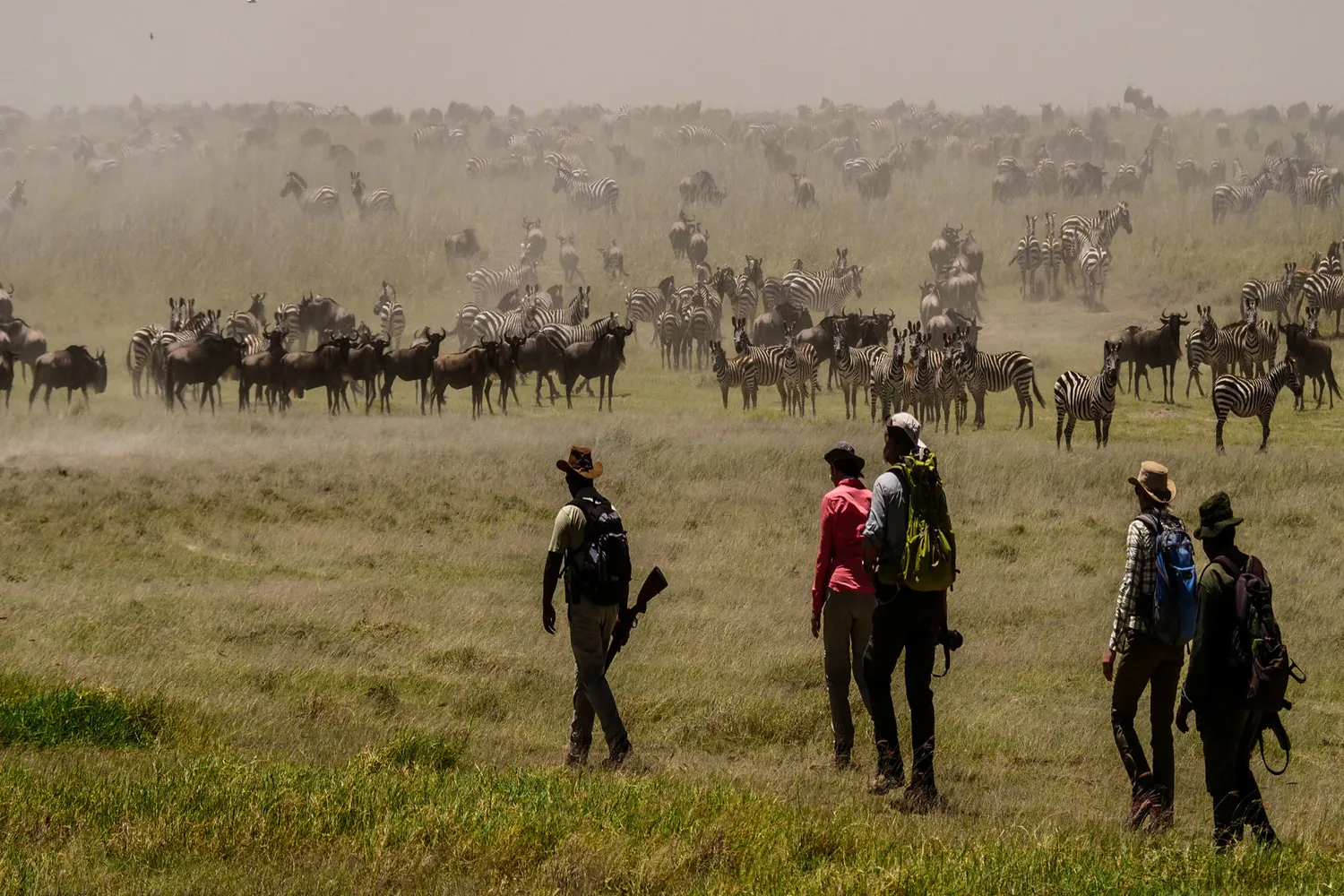
Spanning 14,763 km², Serengeti’s guided walks reveal 1.5 million wildebeest, 3,000 lions, and 500+ bird species. Short walks (2-3 hours) focus on smaller fauna and tracks.
Selous Game Reserve
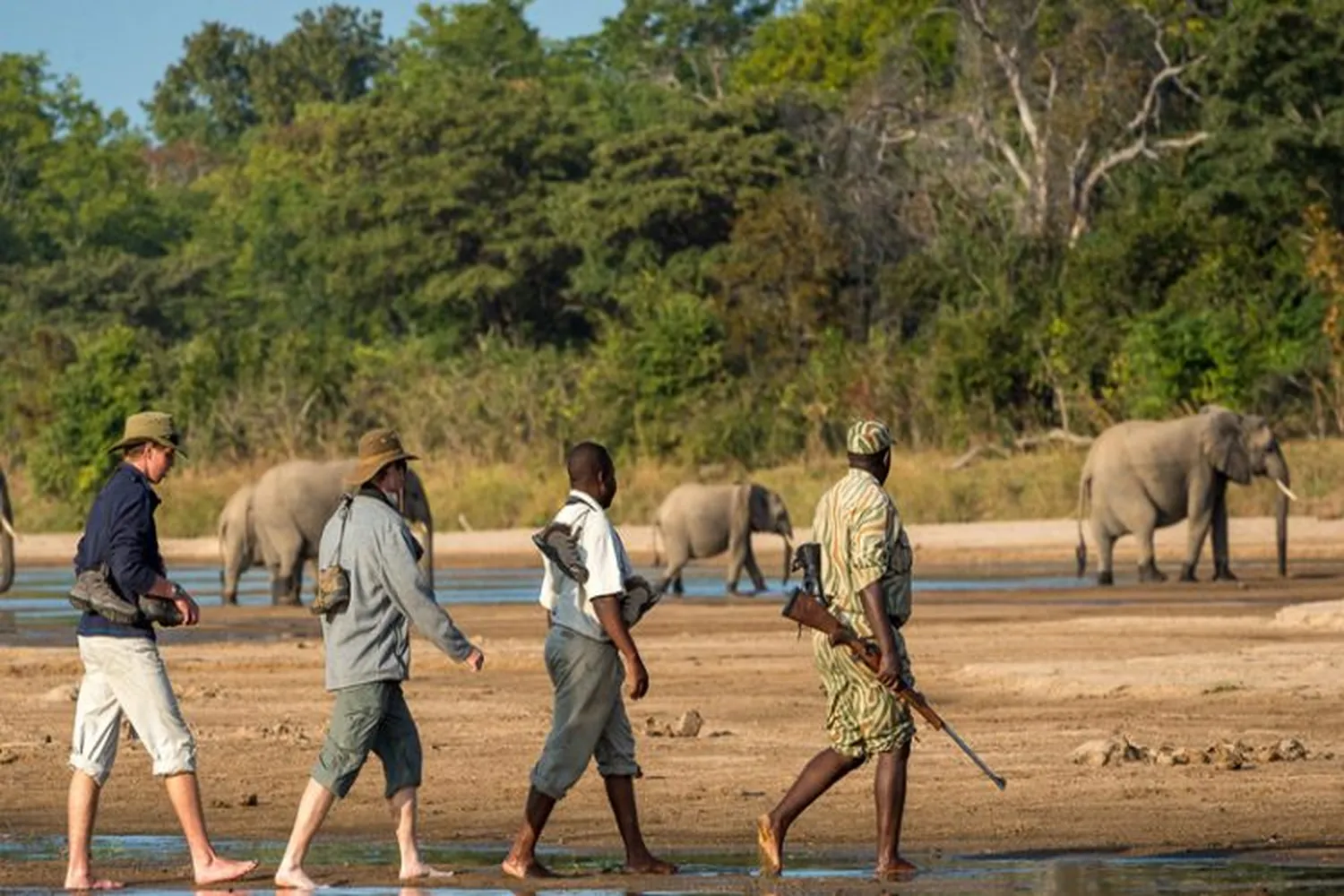
At 50,000 km², Selous offers secluded walks with fewer tourists, spotting elephants (13,000) and rare wild dogs. Riverbank treks add variety.
Ruaha National Park
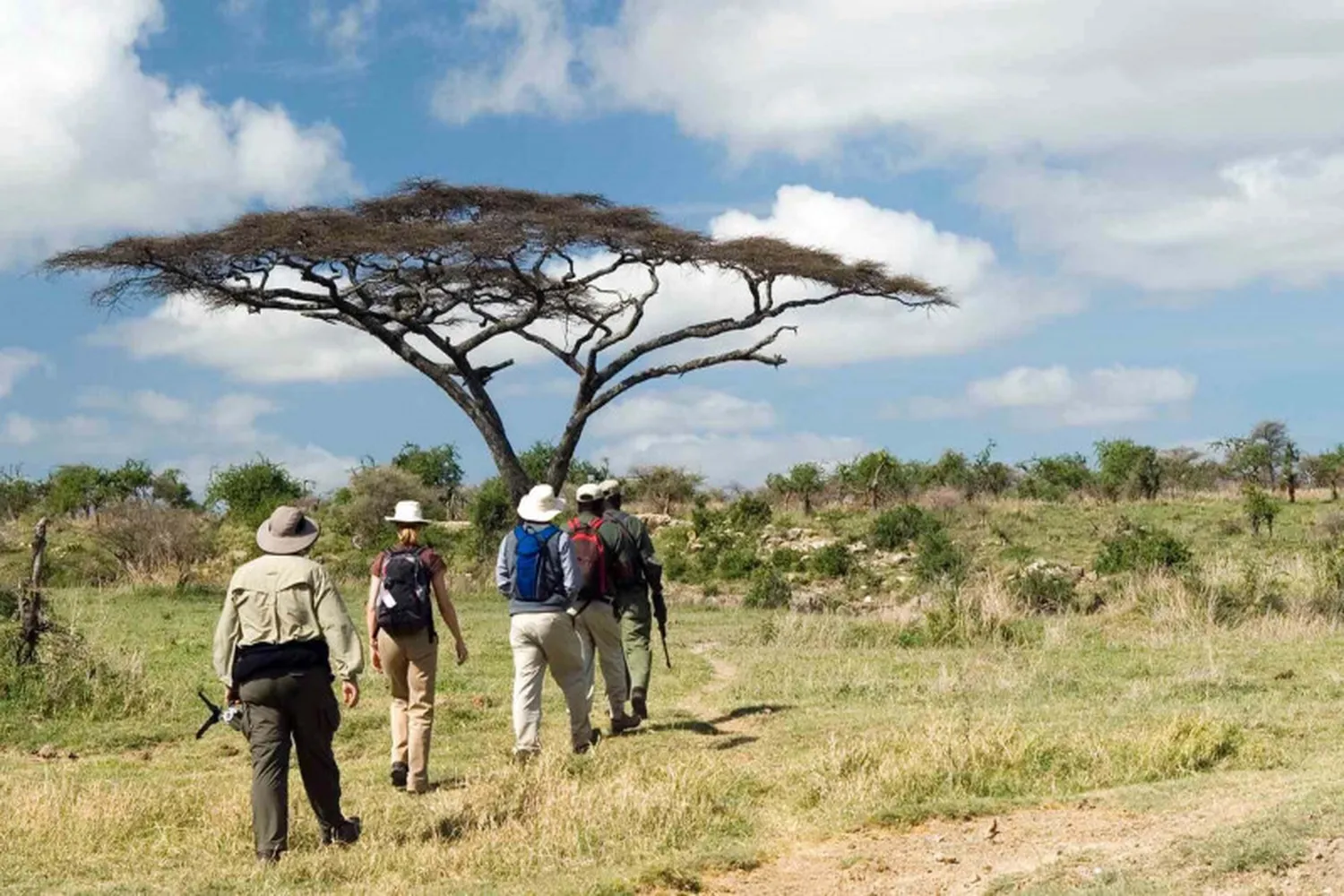
Covering 20,226 km², Ruaha’s rugged terrain hosts 10,000 elephants and 570+ bird species. Walks explore baobab forests and riverbeds.
Arusha National Park
This 137 km² park near Mount Meru offers gentle walks through forests and wetlands, with 400+ bird species and colobus monkeys.
Key Wildlife to Spot on Foot
- Antelopes: Impala and dik-dik, abundant in Serengeti and Ruaha.
- Elephants : Close encounters with herds in Selous (13,000).
- Birds: 1,100+ species, including lilac-breasted rollers and hornbills.
- Tracks: Learn to identify lion and leopard prints with guides.
- Small Fauna: Mongooses and hyraxes, often missed on vehicle safaris.
Top Walking Safari Parks Table
| Park | Key Wildlife | Walk Duration |
|---|---|---|
| Serengeti | Wildebeest, lions | 2-4 hrs |
| Selous | Elephants , wild dogs | 3-5 hrs |
| Ruaha | Elephants, birds | 2-4 hrs |
| Arusha | Monkeys, birds | 1-3 hrs |
Best Time for Walking Safaris in 2026
June to October offers dry terrain and clear trails, with 85% wildlife sighting success. November to April provides lush scenery but wetter conditions, ideal for birdwatching.
Walking Safari Costs
Costs vary by park and accommodation. Park fees ($60-$80/day) fund conservation, protecting 34 endemic bird species and 3,000 lions.
| Level | Per Day (USD) | Inclusions |
|---|---|---|
| Budget | 250-500 | Camping, group walks |
| Luxury | 700-1,500+ | Lodges, private guides |
Total for 7 days: Budget $1,750+, Luxury $4,900+ per person.
Sample Walking Safari Itineraries
5-Day Walking Safari Adventure
- Day 1: Arrive Arusha, relax.
- Day 2: Arusha National Park for forest walks.
- Days 3-4: Serengeti for guided wildlife treks.
- Day 5: Return to Arusha.
10-Day Ultimate Walking Safari
- Days 1-3: Serengeti for walks and game drives.
- Days 4-6: Ruaha for rugged terrain treks.
- Days 7-9: Selous for riverbank walks.
- Day 10: Return to Dar es Salaam.
Accommodation Options
Budget campsites offer rustic charm, while luxury lodges like Selous Serena Camp and Ruaha River Lodge provide comfort after walks. Fly-camping in Serengeti adds adventure.
What to Expect on a Walking Safari
Qualitative: The adrenaline of tracking wildlife on foot, guided by expert rangers. Quantitative: 50-70 species spotted daily, with walks covering 5-10 km.
Safety on Walking Safaris
Armed rangers and guides ensure 99% safety, with strict protocols. Stay close to guides and avoid sudden movements near wildlife.
Wildlife and Nature Highlights
Observe 1.5 million wildebeest in Serengeti, 13,000 elephants in Selous, and rare wild dogs. Learn about flora like acacias and baobabs.
Conservation Impact
Walking safari fees contribute 25% to park budgets, supporting anti-poaching and habitat preservation for Tanzania’s 1,100+ bird species.
Essential Packing List
- Sturdy hiking boots
- Neutral clothing (khaki, green)
- Binoculars for wildlife spotting
- Reusable water bottle
- Sunscreen, hat, and insect repellent
Health and Fitness Requirements
Moderate fitness is needed for 2-4 hour walks over uneven terrain. Consult guides for shorter options if needed.
How to Book Your Walking Safari
Contact Jaynevy Tours for tailored packages. Visas: $50 online. Flights to Kilimanjaro (JRO) or Dar es Salaam (DAR).
Enhance Your Walking Safari
Combine with game drives, cultural visits to Maasai villages, or a Zanzibar beach extension for a complete adventure.
Explore Tanzania with Jaynevy Tours
From walking safaris to Kilimanjaro treks and Zanzibar beaches, Jaynevy Tours offers immersive adventures. Book your 2026 walking safari now!
Frequently Asked Questions
What is a walking safari in Tanzania?
A walking safari involves guided treks through Tanzania’s wilderness to observe wildlife and nature up close.
Which parks are best for walking safaris in 2026?
Serengeti, Selous, Ruaha, and Arusha National Parks offer safe and scenic walking safari experiences.
Is a walking safari in Tanzania safe?
Yes, with armed rangers and expert guides, walking safaris are safe, with strict safety protocols.
What is the best time for a walking safari?
June to October offers dry terrain and optimal wildlife sightings, while November to April is lush.
How much does a walking safari cost?
Costs range from $250-$500 per day for budget to $700-$1,500+ for luxury, including guides and fees.
What wildlife can I see on a walking safari?
Antelopes, zebras, elephants, and 1,100+ bird species, with rare sightings of lions and leopards.
What should I pack for a walking safari?
Sturdy boots, neutral clothing, binoculars, water bottle, and sunscreen for comfort and safety.
How fit do I need to be for a walking safari?
Moderate fitness is required for 2-4 hour walks, with options for shorter or longer treks.
Can I combine walking safaris with other activities?
Yes, combine with game drives, cultural tours, or Zanzibar beach trips for a diverse adventure.
How do walking safaris support conservation?
Fees fund park maintenance and anti-poaching, protecting Tanzania’s wildlife and habitats.