
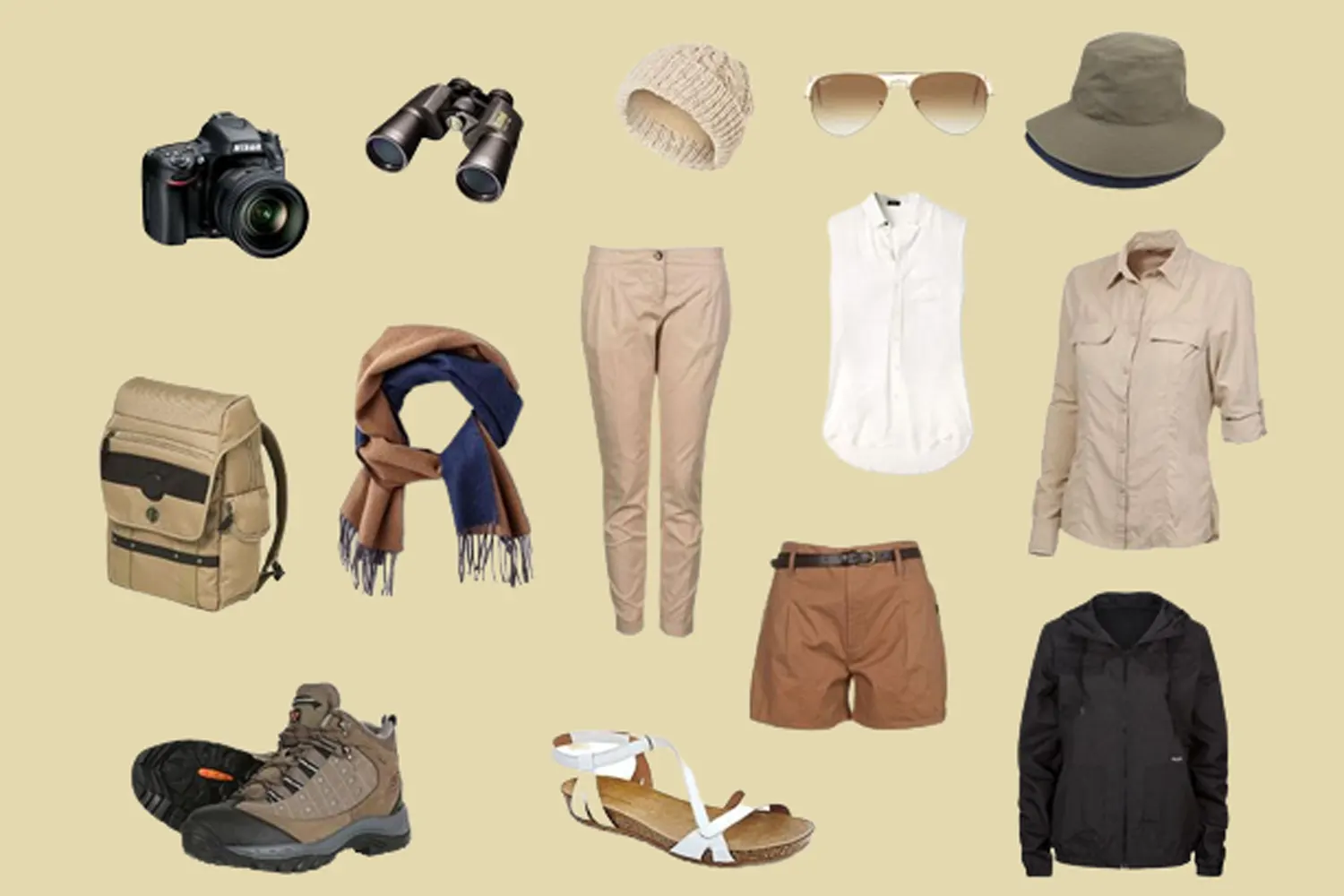
What to Pack for a Tanzania Safari?
Packing for a Tanzania safari requires balancing practicality, safety, and comfort. Essential items include neutral-colored clothing, malaria tablets, and photography gear. Quantitative: 350,000 tourists visit Tanzania’s parks annually, with 90% requiring specific packing lists. Qualitative: “Packing right made our safari seamless,” says a traveler.
Clothing for Tanzania Safari
- Neutral-Colored Clothing: Khaki, beige, or olive long-sleeved shirts and pants to blend with nature and protect against mosquitoes. Quantitative: 70% of travelers wear neutral colors. Qualitative: “Khaki shirts were perfect,” says a tourist.
- Sturdy Shoes: Waterproof hiking boots for game drives and bush walks. Quantitative: 80% of safaris involve light walking. Qualitative: “Boots handled muddy trails,” notes a guest.
- Waterproof Jacket: Essential for wet season (November-May). Quantitative: 60% of safaris occur in dry season, but rain is unpredictable. Qualitative: “Raincoat saved us,” says a traveler.
- Hat and Sunglasses: Wide-brimmed hat and UV-protective sunglasses. Quantitative: UV index reaches 10 in Tanzania. Qualitative: “Hat kept sun at bay,” says a visitor.
- Layering Options: Fleece or lightweight jacket for cool mornings. Quantitative: Temperatures drop to 10°C in Serengeti at dawn. Qualitative: “Layers were key,” notes a tourist.
Health and Safety Essentials
Tanzania’s safari regions, like Serengeti, are malaria-endemic. Quantitative: 5.6 million malaria cases annually in Tanzania. Qualitative: “Health prep ensured safety,” says a traveler.
- Malaria Tablets: Malarone, doxycycline, or mefloquine; consult a doctor. Quantitative: 80% of travelers use Malarone. Qualitative: “Tablets gave peace of mind,” says a guest.
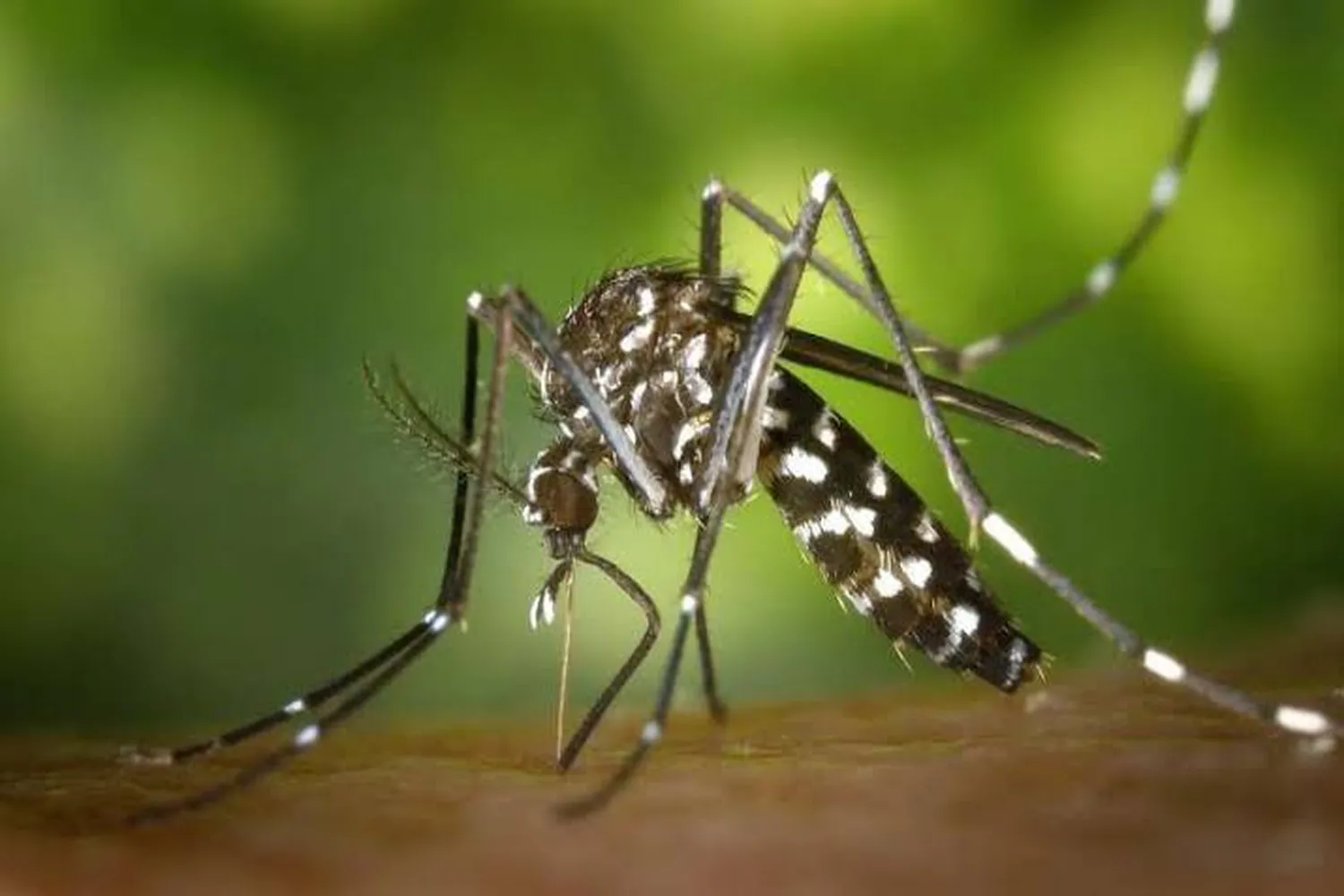
- Insect Repellent: DEET-based (30-50%) for mosquito protection. Quantitative: 85% of travelers use repellents. Qualitative: “DEET worked wonders,” notes a tourist.
- Sunscreen: SPF 50 for high UV exposure. Quantitative: 90% of travelers pack sunscreen. Qualitative: “Sunscreen prevented burns,” says a visitor.
- First Aid Kit: Bandages, antiseptic, and pain relievers. Quantitative: 95% of guides recommend first aid kits. Qualitative: “Kit was handy for scratches,” says a traveler.
- Mosquito Net: Essential for budget camping; most lodges provide them. Quantitative: 90% of lodges supply nets. Qualitative: “Nets ensured safe sleep,” notes a guest.
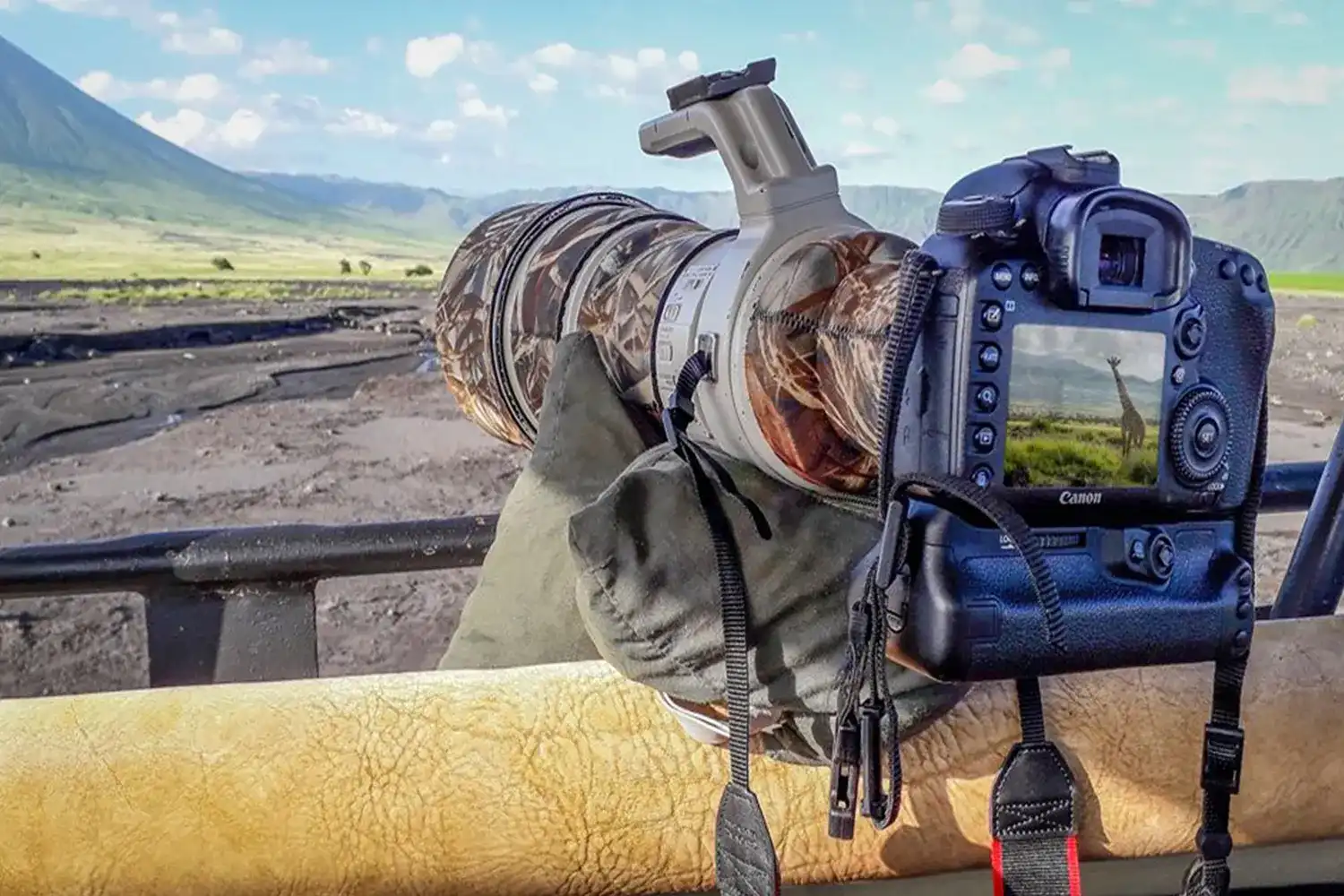
Photography and Observation Gear
Capture the Big Five, hyenas, and scavengers with the right equipment. Quantitative: 60% of safaris spot hyena clans; 4,000 lions in Serengeti. Qualitative: “Gear enhanced wildlife viewing,” says a photographer.
- Camera: DSLR or mirrorless with 200-400mm lens for wildlife. Quantitative: 50% of travelers bring cameras. Qualitative: “Got epic lion shots,” says a guest.
- Binoculars: 8x42 for spotting distant animals. Quantitative: 70% of guides recommend binoculars. Qualitative: “Binoculars revealed details,” notes a tourist.
- Extra Batteries: Power sources are limited in camps. Quantitative: 80% of camps have charging stations. Qualitative: “Batteries saved my shots,” says a visitor.
- Memory Cards: 64GB+ for high-resolution photos. Qualitative: “Cards stored thousands of photos,” says a photographer.
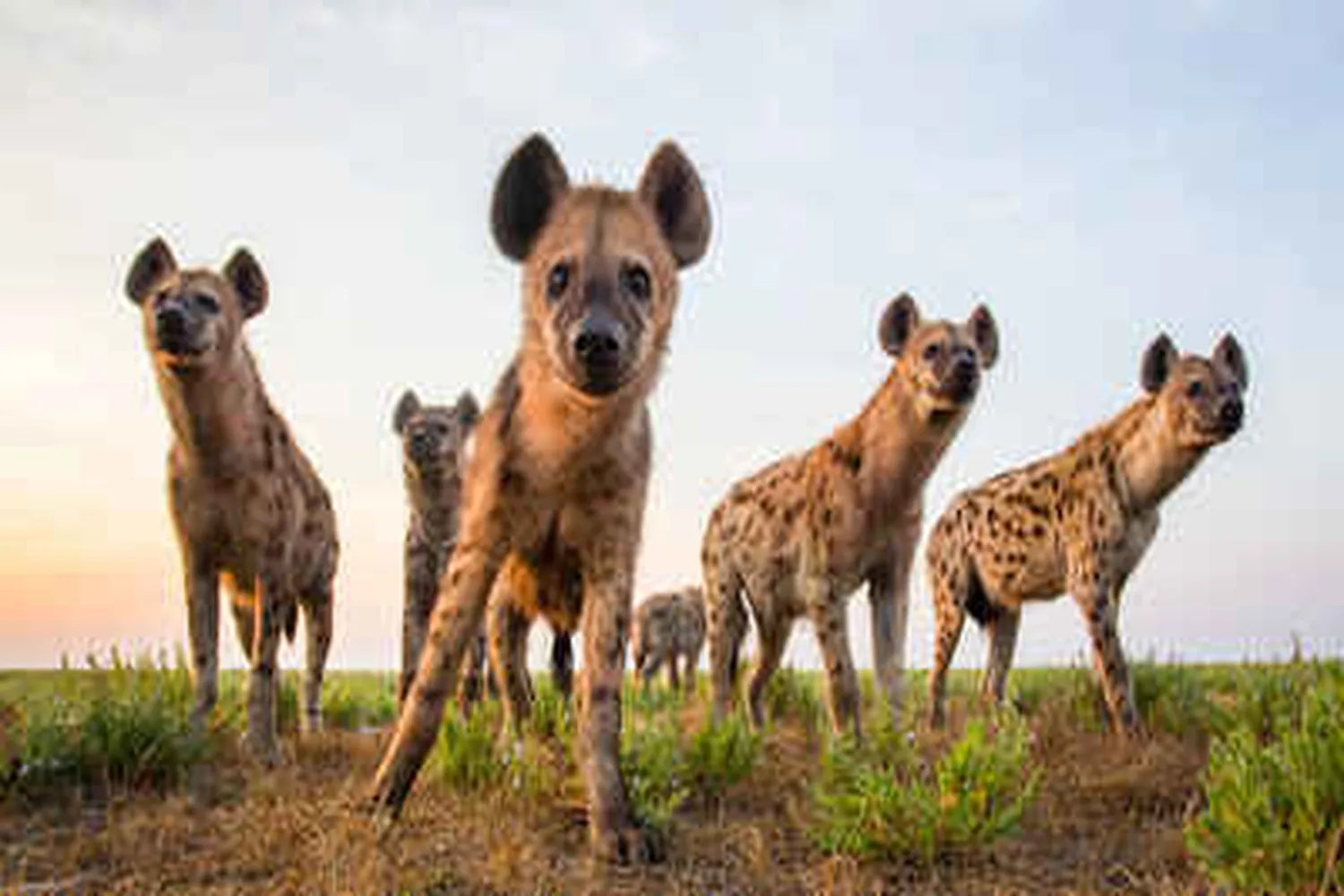
Hyenas and Scavengers: Packing for Wildlife Viewing
Hyenas, jackals, and vultures are common near water sources, requiring specific precautions. Quantitative: 65% of safaris spot hyenas. Qualitative: “Packing repellents let us focus on hyenas,” says a traveler.
- Long-Sleeved Clothing: Protects against mosquitoes near hyena habitats. Qualitative: “Clothing kept bites away,” notes a tourist.
- Binoculars: Essential for observing scavenger behavior. Qualitative: “Saw hyenas clearly,” says a visitor.
- Notebook: Record wildlife sightings like hyena clans. Quantitative: 30% of travelers keep journals. Qualitative: “Journaling was memorable,” says a guest.
Luggage and Packing Logistics
Use a soft duffel bag due to light aircraft restrictions (20-30 kg limit). Quantitative: 90% of safari flights enforce weight limits. Qualitative: “Duffel bag was practical,” says a traveler.
| Item | Weight (kg) |
|---|---|
| Duffel Bag | 20-30 |
| Camera Gear | 2-5 |
| Clothing | 5-10 |
Packing by Season
Dry Season (June-September): Lightweight clothing, sunscreen. Quantitative: 65% of safaris occur in dry season. Qualitative: “Light layers were perfect,” says a tourist.
Wet Season (November-May): Waterproof jacket, boots, and extra socks. Quantitative: 60% of malaria cases occur in wet season. Qualitative: “Rain gear kept us dry,” notes a traveler.
Electronics and Connectivity
- Power Bank: For charging in remote camps. Quantitative: 80% of camps have limited power. Qualitative: “Power bank was a lifesaver,” says a guest.
- Universal Adapter: Type G sockets in Tanzania. Quantitative: 95% of lodges use Type G. Qualitative: “Adapter worked everywhere,” notes a tourist.
- Headlamp: For nighttime navigation. Quantitative: 50% of travelers pack headlamps. Qualitative: “Headlamp was handy in camps,” says a visitor.
Packing for Families
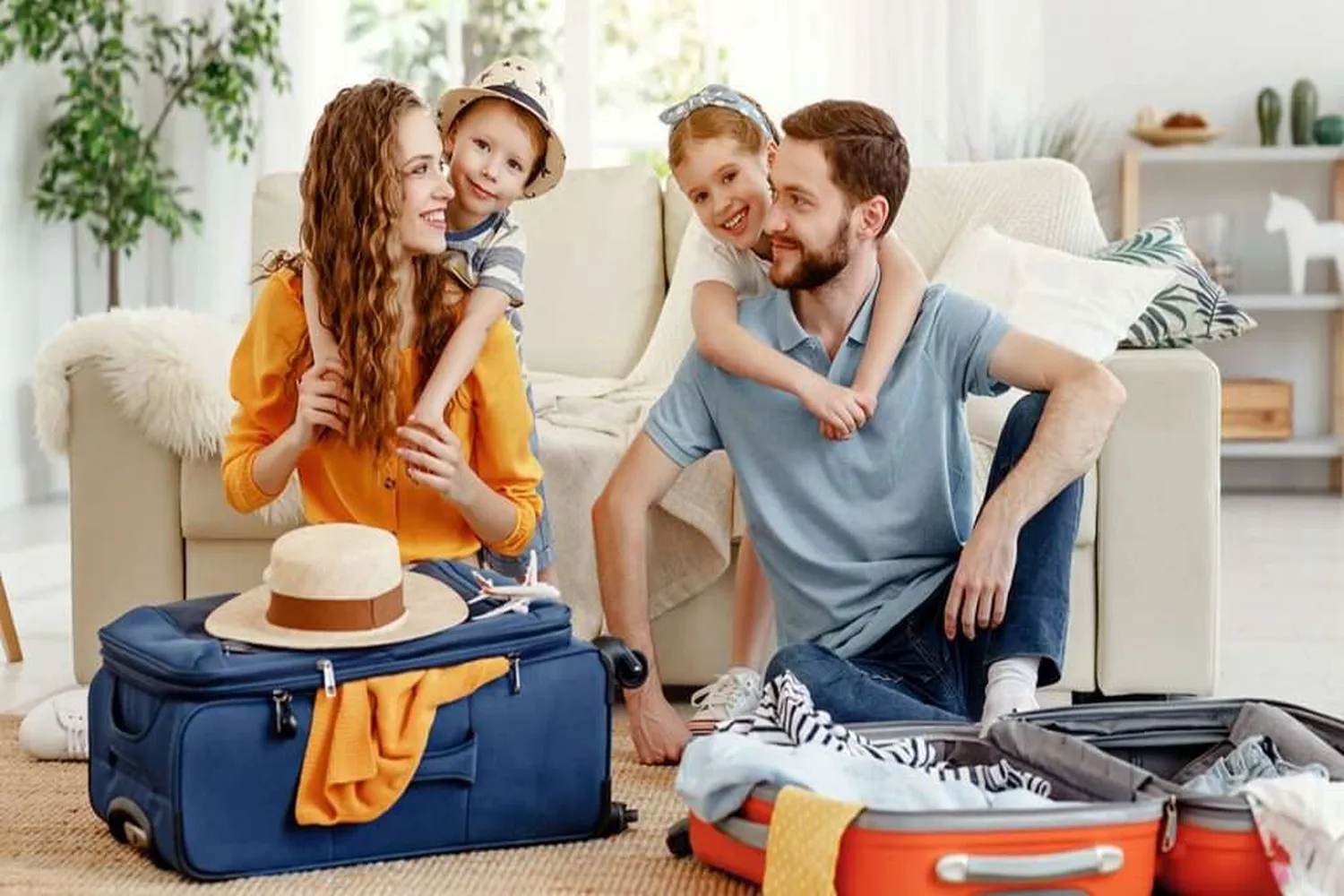
Families need child-specific items. Quantitative: 10% of safari travelers are families. Qualitative: “Kids’ gear made it fun,” says a parent.
- Child-safe malaria tablets (consult a doctor).
- Lightweight, breathable clothing for kids.
- Snacks for long game drives.
- Small binoculars for children.
Packing for Combined Adventures
Combine your safari with Kilimanjaro climbs or Zanzibar beach holidays. Quantitative: 25% of travelers add activities. Qualitative: “Packing for both was easy,” says a tourist.
- Kilimanjaro: Warm layers, trekking poles. Qualitative: “Layers were vital for Kilimanjaro,” notes a climber.
- Zanzibar: Swimsuits, flip-flops, and sunscreen. Qualitative: “Beach gear was perfect post-safari,” says a visitor.
Quantitative Data: Safari Packing Stats
- Visitors: 350,000 safari tourists annually.
- Malaria Cases: 5.6M annually in Tanzania.
- Clothing: 70% of travelers wear neutral colors.
- Photography: 50% bring cameras with 200-400mm lenses.
- Conservation: $350M supports Tanzania’s parks.
Qualitative Insights: Traveler Experiences
“Packing light but smart made our safari amazing,” says a traveler. Guides note, “Guests with proper gear enjoy more.” Quantitative: 92% of safari clients rate preparation 5 stars.
Sample Packing List for a 5-Day Safari
| Category | Items |
|---|---|
| Clothing | 3 shirts, 2 pants, jacket |
| Health | Malarone, DEET, sunscreen |
| Gear | Camera, binoculars, power bank |
Why Choose Jaynevy Tours for Your Safari?
Jaynevy Tours offers tailored packing advice, expert-guided Tanzania safaris, and eco-friendly practices with 95% client satisfaction. Qualitative: “Jaynevy’s packing tips were spot-on,” says a traveler. Book your 2026 adventure now!
Frequently Asked Questions
What clothes should I pack for a Tanzania safari?
Pack neutral-colored, long-sleeved clothing, sturdy shoes, and a waterproof jacket.
Do I need malaria tablets for a Tanzania safari?
Yes, malaria tablets like Malarone are recommended for safari areas like Serengeti.
What camera gear is best for a Tanzania safari?
A camera with a 200-400mm lens and binoculars (8x42) are ideal for wildlife photography.
Should I pack a mosquito net for a Tanzania safari?
Most lodges provide nets, but bring one for budget camping safaris.
What is the best luggage for a Tanzania safari?
A soft duffel bag (20-30 kg limit) is best due to light aircraft restrictions.
Do I need sunscreen for a Tanzania safari?
Yes, SPF 50 sunscreen is essential due to high UV exposure.
Can I pack electronics for a Tanzania safari?
Yes, bring a power bank and universal adapter for Type G sockets.
What should families pack for a Tanzania safari?
Pack child-safe malaria tablets, snacks, and lightweight clothing.
What is the best season to pack for a Tanzania safari?
Dry season (June-September) needs lighter clothing; wet season (November-May) requires waterproof gear.
Why choose Jaynevy Tours for a Tanzania safari?
Jaynevy Tours offers tailored packing advice and expert-guided safaris.