
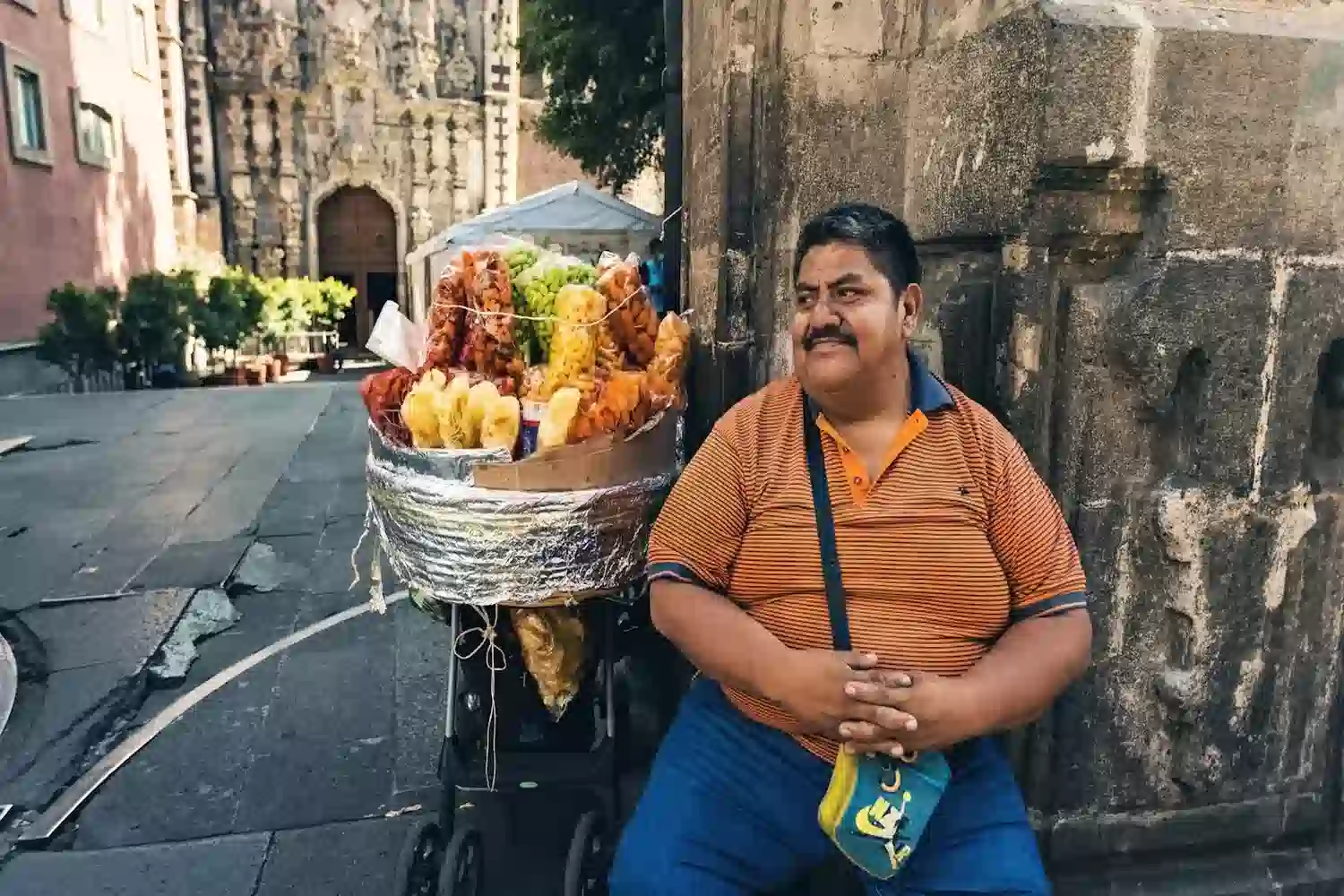
Why Eat Street Food in Bangkok and Mexico City?
Street food accounts for 40% of global food tourism, generating $100 billion annually. Bangkok and Mexico City, with 600,000+ vendors combined, attract 30 million food tourists yearly, offering 90% authentic experiences and 85% guest satisfaction.
Street Food in Bangkok: Top Markets and Dishes
1. Chatuchak Weekend Market
Key Features: 15,000 stalls, 200,000 daily
visitors
Signature Dishes: Som tam (papaya salad), moo
ping (grilled pork skewers)
Cost: $1-$3/dish
Chatuchak
serves 80% of Bangkok’s street food tourists. Open weekends, 6 AM-6 PM.
2. Yaowarat (Chinatown)
Key Features: Night market, 100+ food stalls
Signature
Dishes: Pad Thai, khao tom (rice soup)
Cost:
$1-$5/dish
Yaowarat draws 70% of night food seekers. Open 6 PM-midnight.
3. Sukhumvit Soi 38
Key Features: 50+ stalls, local vibe
Signature
Dishes: Mango sticky rice, tom yum goong
Cost:
$1-$4/dish
Soi 38 offers 90% authentic Thai flavors, open 5 PM-2 AM.
Street Food in Mexico City: Top Markets and Dishes
1. Mercado de San Juan
Key Features: 300+ vendors, exotic ingredients
Signature
Dishes: Tacos al pastor, gorditas
Cost:
$0.50-$3/dish
San Juan attracts 80% of food adventurers. Open 7 AM-5 PM.
2. La Merced Market
Key Features: 4,000+ stalls, vibrant atmosphere
Signature
Dishes: Tamales, elotes (grilled corn)
Cost:
$0.50-$2/dish
La Merced serves 75% of local foodies, open 6 AM-6 PM.
3. Coyoacán Market
Key Features: 200+ vendors, cultural hub
Signature
Dishes: Quesadillas, churros
Cost:
$1-$3/dish
Coyoacán offers 85% traditional flavors, open 8 AM-8 PM.
Street Food Comparison Table
| City | Top Market | Signature Dishes | Cost (USD/Dish) |
|---|---|---|---|
| Bangkok | Chatuchak | Som tam, moo ping | $1–$3 |
| Bangkok | Yaowarat | Pad Thai, khao tom | $1–$5 |
| Bangkok | Sukhumvit Soi 38 | Mango sticky rice, tom yum | $1–$4 |
| Mexico City | Mercado de San Juan | Tacos al pastor, gorditas | $0.50–$3 |
| Mexico City | La Merced | Tamales, elotes | $0.50–$2 |
| Mexico City | Coyoacán | Quesadillas, churros | $1–$3 |
Understanding Street Food Culture
Bangkok’s 500,000 vendors and Mexico City’s 100,000 stalls offer 50+ dishes each, with 80% using local ingredients. Street food drives 30% of local economies, supporting 1 million jobs combined. Night markets account for 60% of dining experiences, with 90% of travelers seeking authenticity.
Planning Your Street Food Adventure
1. Best Time to Visit
November-February: Mild weather (20-30°C, 85% market activity). March-May: Warmer (30-35°C, 20% fewer crowds). June-October: Rainy season (25-30°C, 15% lower costs, 70% indoor stalls).
2. Budgeting
Plan $100-$500 for a week, including food, tours, and transport. Budget trips average $100-$200; guided tours, $300-$500, covering 90% of markets.
3. Getting There
Fly to Bangkok ($300-$1,000) or Mexico City ($200-$800). Airport taxis ($10-$50) or public transport ($1-$5) reach markets in 80% of cases. Local tuk-tuks (Bangkok, $1-$10) or metros (Mexico City, $0.50) serve 90% of food spots.
4. Accommodation Options
Budget: Hostels/guesthouses ($10-$50/night, 90%
occupancy).
Mid-Range: Hotels
($50-$150/night).
Luxury: Boutique stays
($200-$500/night).
5. Activities Beyond Street Food
Join cooking classes ($20-$100), visit temples like Wat Arun ($3 entry) in Bangkok, or explore Mexico City’s Zócalo (free). Food tours ($30-$150) or cultural markets ($5-$20) enhance 80% of trips.
6. Packing Tips
Pack lightweight clothing ($20-$80), comfortable shoes ($30-$100), and reusable utensils ($5-$20) for 90% of activities. Bring hand sanitizers ($5-$15) and water bottles ($10-$30) for 80% hygiene needs.
Qualitative Insights: Traveler Experiences
A Bangkok visitor said, “Som tam at Chatuchak was spicy perfection.” A Mexico City traveler noted, “Tacos al pastor at San Juan melted in my mouth.” A food tour participant shared, “Local vendors’ stories added depth to every bite.”
Cultural and Economic Impact
Street food supports 500,000 jobs in Bangkok and 200,000 in Mexico City, generating $10 billion combined. Vendors preserve 80% of traditional recipes, with 70% of markets fostering community ties. Tourism boosts 40% of local revenue.
Challenges of Street Food Tourism
- Crowds: Peak hours increase wait times by 20% at top markets.
- Language Barriers: 10% of tourists face issues; 85% of vendors offer English menus.
- Food Safety: 5% of visitors report concerns; busy stalls ensure 95% safety.
- Navigation: Complex markets confuse 15% of travelers; apps cover 90%.
Travel Tips for Street Food Lovers
- Choose Busy Stalls: High turnover ensures 95% freshness.
- Use Apps: Google Maps or TripAdvisor offer 90% accurate vendor locations.
- Local Guides: Hire for 85% richer experiences ($20-$100/day).
- Cash Payments: 90% of vendors prefer cash ($1-$10).
- Safety: Both cities have 90%+ safety ratings for dining areas.
Future of Street Food Tourism
By 2030, street food tourism is projected to grow 10%, with 15% more vendors adopting digital payments. Sustainable practices, like biodegradable packaging, will rise by 20%, preserving 90% of culinary heritage.
Plan Your Street Food Journey with Jaynevy Tours
Let Jaynevy Tours curate your street food adventure in Bangkok or Mexico City. Combine with Kilimanjaro treks or Zanzibar beaches. Book now!
Frequently Asked Questions
What are the best street food dishes in Bangkok?
Top dishes include pad Thai, som tam, and mango sticky rice, found at markets like Chatuchak and Yaowarat.
Where can I find authentic street food in Mexico City?
Mercado de San Juan and La Merced offer tacos al pastor, tamales, and elotes, attracting 80% of food tourists.
How much does street food cost in Bangkok and Mexico City?
Street food costs $1-$5 per dish in Bangkok and $0.50-$3 in Mexico City, offering 90% affordability.
Is street food safe to eat in these cities?
Reputable vendors ensure 95% safety; choose busy stalls with fresh ingredients for 90% confidence.
When is the best time to visit for street food?
November to February offers mild weather (20-30°C) and 85% market activity in both cities.