
Historical Context of Poverty in Africa
Africa’s poverty is deeply rooted in its colonial past. From the 19th century, European powers carved up the continent, exploiting resources like gold, diamonds, and rubber while establishing extractive economies that prioritized metropolitan interests. By 1960, when most African nations gained independence, they inherited fragmented societies, artificial borders, and economies dependent on raw material exports. This legacy created structural inequalities, with wealth concentrated in urban elites and foreign companies, leaving rural populations marginalized. For instance, in the Democratic Republic of Congo, colonial extraction of minerals like cobalt continues to shape modern resource conflicts, with 74% of the population living below the $2.15 poverty line (World Bank, 2024).
Economic Challenges Facing Africa
Africa’s economies are often characterized by low diversification, with many nations reliant on a single commodity—oil in South Sudan, copper in Zambia, or coffee in Burundi. This mono-economy model exposes countries to global price volatility. For example, a 20% drop in oil prices in 2023 reduced South Sudan’s GDP growth by 1.5%. Additionally, limited industrialization—Africa accounts for just 1.9% of global manufacturing—restricts job creation, with unemployment rates averaging 7.1% continent-wide. Foreign debt, averaging 60% of GDP in sub-Saharan Africa, further strains budgets, diverting funds from healthcare and education to debt servicing.
Quantitative Data: Economic Indicators
| Country | GDP per Capita (USD, 2024) | Poverty Rate (% below $2.15/day) | HDI (2024) |
|---|---|---|---|
| Burundi | 238 | 75% | 0.426 |
| South Sudan | 380 | 82% | 0.381 |
| Central African Republic | 573 | 71% | 0.404 |
| Madagascar | 568 | 75% | 0.501 |
| Mozambique | 637 | 63% | 0.446 |
Political Instability and Governance
Political instability is a major driver of poverty. Conflicts in countries like South Sudan and Somalia have displaced millions, with 4 million and 2.9 million internally displaced persons, respectively. Corruption further erodes progress, with Transparency International’s 2024 Corruption Perceptions Index ranking Somalia (180/180) and South Sudan (177/180) among the most corrupt globally. Weak governance leads to mismanagement of resources, as seen in Nigeria, where oil wealth fails to translate into broad-based development, with 40% of the population in poverty despite $400 billion in oil revenue since the 1970s.
Environmental and Climate Impacts
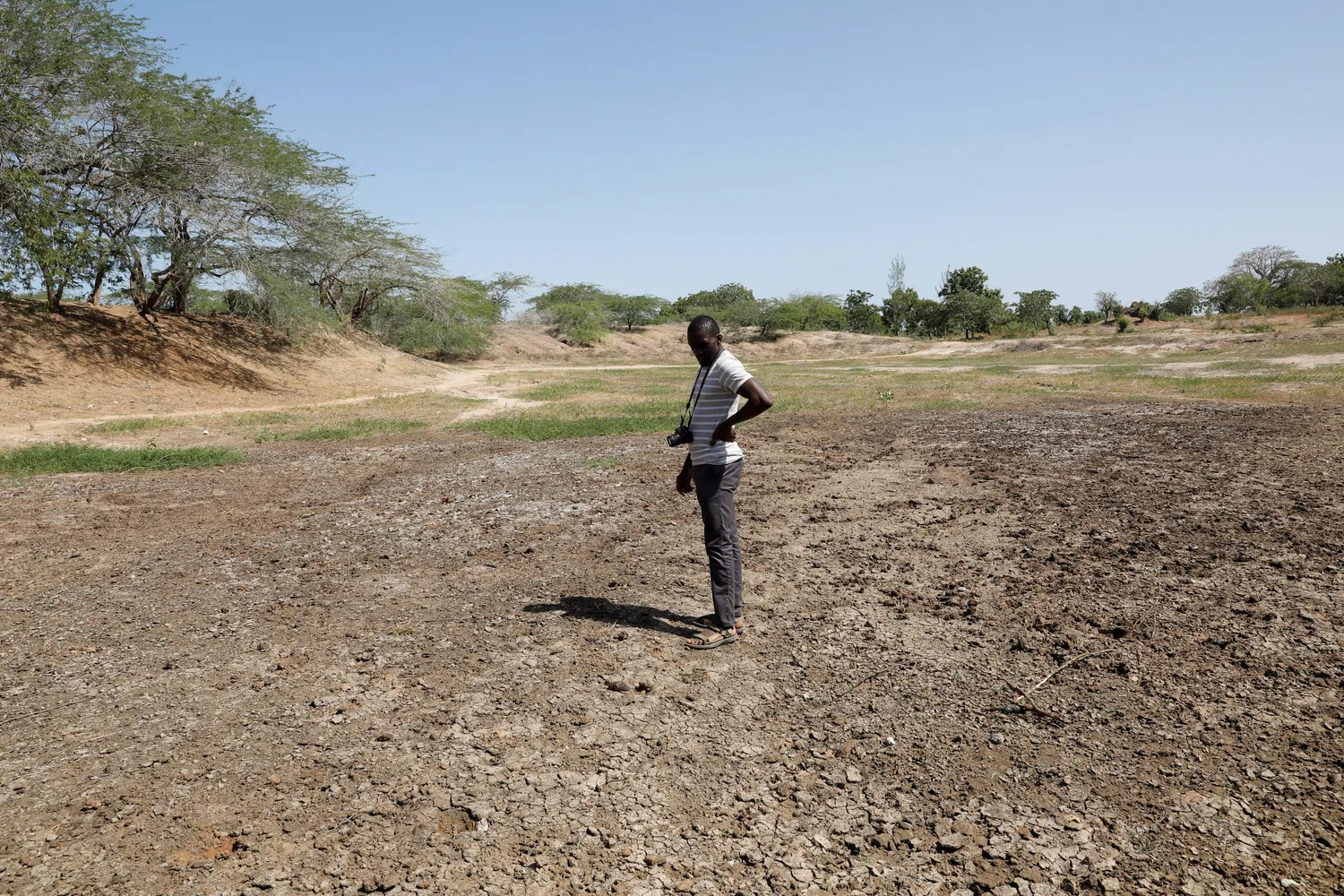
Climate change exacerbates poverty through frequent droughts, floods, and cyclones. In the Horn of Africa, droughts since 2020 have affected 20 million people, reducing agricultural yields by 30%. Madagascar’s recurring cyclones, such as Cyclone Batsirai in 2022, displaced 150,000 people and caused $500 million in damages. Desertification in the Sahel, affecting countries like Niger and Chad, has reduced arable land by 20% over the past decade, threatening livelihoods for 80% of rural populations dependent on agriculture.
Social Factors: Health and Education
Health crises like HIV/AIDS, malaria, and malnutrition hinder economic progress. In Malawi, 47% of children under five suffer from stunting due to malnutrition. Healthcare access is limited, with Africa averaging 1 doctor per 5,000 people compared to the global average of 1 per 1,000. Education is equally strained, with a continent-wide literacy rate of 66%. In Niger, only 36% of children complete primary school, limiting human capital development and perpetuating poverty cycles.
Qualitative Insights: Voices from the Ground
Local perspectives highlight resilience amid challenges. In Burundi, farmers like Aline Nkurunziza describe struggles with land scarcity: “We share one acre among five families, and rains are unpredictable.” In South Sudan, aid worker John Deng notes, “Conflict disrupts markets, but community cooperatives are helping families rebuild.” These stories underscore the human toll of systemic issues and the potential for grassroots solutions.
Efforts to Combat Poverty
- Agricultural Modernization: Programs like the African Union’s Comprehensive Africa Agriculture Development Programme aim to boost yields by 6% annually through improved seeds and irrigation.
- Microfinance: In Madagascar, microfinance initiatives have empowered 200,000 women entrepreneurs since 2020.
- Education Investments: Rwanda’s free primary education policy has increased enrollment to 97% since 2015.
- Renewable Energy: Solar projects in Kenya provide electricity to 70% of rural households, up from 20% in 2010.
- Peacebuilding: South Sudan’s 2020 peace agreement, though fragile, has reduced conflict-related deaths by 30%.
Case Study: Burundi’s Struggle and Resilience
Burundi, with a GDP per capita of $238, exemplifies Africa’s poverty challenges. Its economy relies on agriculture (90% of the workforce), but low productivity and land scarcity limit growth. Political turmoil since 2015 has reduced foreign aid by 25%, yet community-led cooperatives are increasing coffee yields by 15% through better farming techniques. This resilience highlights the potential for localized solutions to address systemic issues.
Comparative Analysis: Africa vs. Global Poverty
Sub-Saharan Africa accounts for 60% of the world’s extreme poor (389 million people) despite having 17% of the global population. In contrast, East Asia’s poverty rate dropped from 80% in 1981 to 3% in 2023 due to industrialization and governance reforms. Africa’s slower progress stems from its unique challenges, including higher conflict prevalence and climate vulnerability.
Explore Tanzania’s Vibrant Tourism
While poverty remains a challenge, Africa’s beauty shines through in destinations like Tanzania. From the Mount Kilimanjaro treks to Zanzibar’s pristine beaches and Serengeti safaris, Jaynevy Tours offers immersive experiences to explore Africa’s natural wonders. Plan your journey today!
Frequently Asked Questions
Why is Africa still poor despite its resources?
Africa’s poverty persists due to colonial legacies, political instability, corruption, and resource mismanagement. Despite abundant natural resources, weak governance and external exploitation limit economic benefits.
What are the main causes of poverty in Africa?
Key causes include political conflicts, reliance on subsistence agriculture, inadequate infrastructure, health crises like HIV/AIDS, and climate change impacts such as droughts and floods.
Which African countries are the poorest in 2026?
Burundi, South Sudan, and the Central African Republic are among the poorest, with GDP per capita of $238, $380, and $573, respectively, and high poverty rates.
What efforts are being made to reduce poverty in Africa?
The African Union, NGOs, and governments promote agricultural modernization, healthcare improvements, education access, and microfinance to empower communities and reduce poverty.
How does climate change affect poverty in Africa?
Climate change exacerbates poverty through droughts, floods, and cyclones, which disrupt agriculture, increase food insecurity, and displace populations in vulnerable regions like the Sahel and Horn of Africa.