
Understanding African Migration
African migration, both within the continent and beyond, is a significant phenomenon, with over 40 million Africans living outside their home countries in 2024 (IOM). Migration is driven by a mix of economic, social, political, and environmental factors, shaping the lives of millions and influencing global demographics. This guide explores these drivers, backed by data and qualitative insights.
Key Drivers of African Migration
1. Economic Hardship
Quantitative Data: Over 400 million Africans live below the $2.15 daily poverty line (World Bank, 2024). Countries like Burundi ($238 GDP per capita) and South Sudan ($380) face extreme poverty, pushing 75-82% of their populations to seek better opportunities.
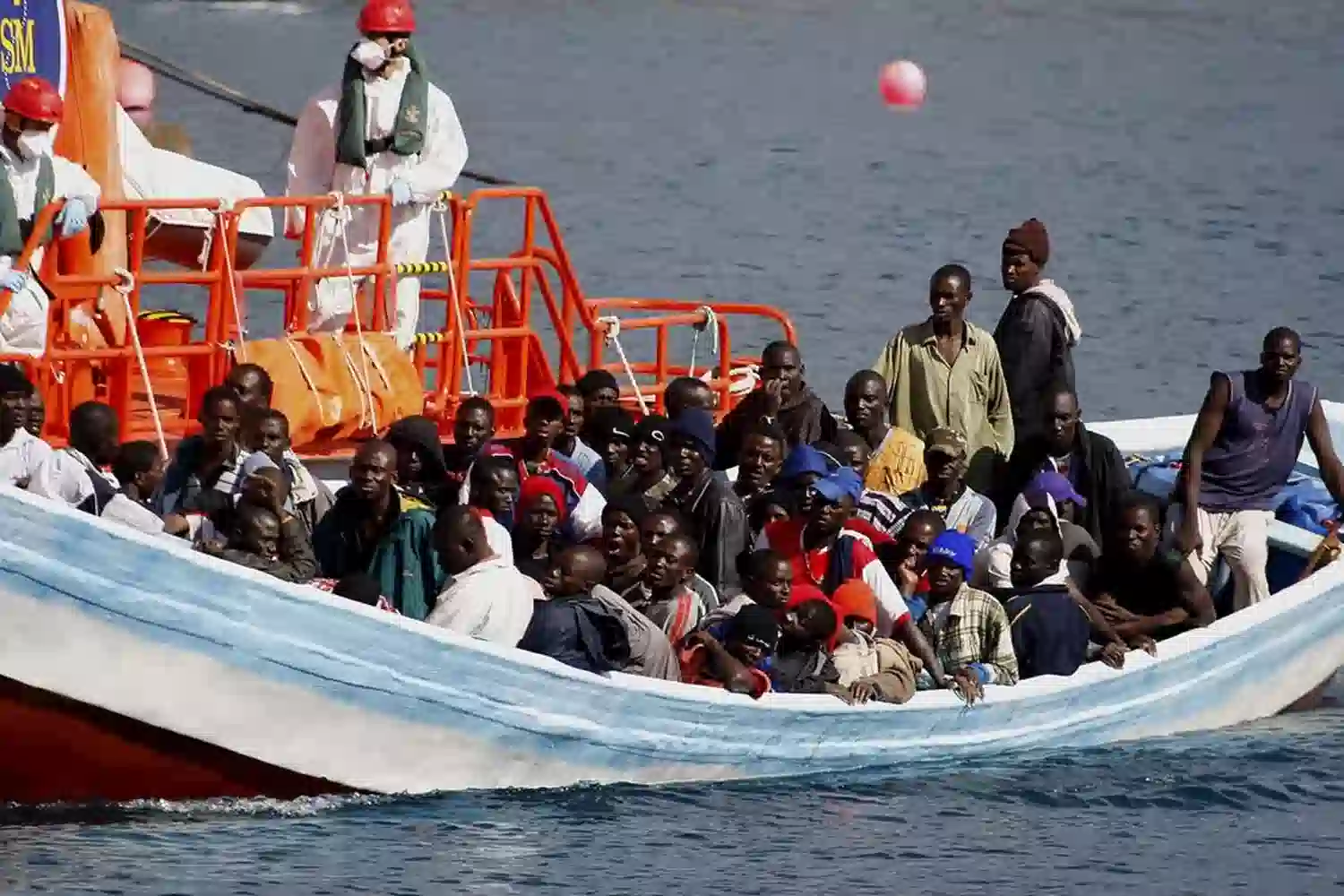
Qualitative Insight: Limited job opportunities, especially for youth (40% unemployment in Nigeria), drive migration to urban centers or abroad. X posts (2024) highlight stories of young Nigerians migrating to Europe for work, often via dangerous Mediterranean routes.
2. Conflict and Political Instability
Quantitative Data: Conflicts displaced 32 million people in Africa by 2024 (UNHCR). South Sudan has 4 million displaced, Somalia 3.8 million, and the DRC 6.2 million.
Qualitative Insight: Civil wars, ethnic violence, and political repression force millions to flee. For instance, Somalia’s Al-Shabaab insurgency since 1991 has disrupted livelihoods, pushing refugees to Kenya’s Dadaab camp. X discussions (2024) note fear of persecution as a key motivator for asylum seekers.
3. Climate Change and Environmental Stress
Quantitative Data: Climate disasters displaced 7 million Africans in 2024 (IDMC). The Sahel region faces desertification, affecting 80% of Niger’s farming population, while Horn of Africa droughts impact 20 million in Somalia and Ethiopia.
Qualitative Insight: Floods and droughts destroy crops, forcing rural communities to urban areas or abroad. In Madagascar, cyclones like Idai displaced 200,000 in 2024, with X users emphasizing the loss of livelihoods as a migration trigger.
4. Education and Better Opportunities
Quantitative Data: Africa’s literacy rate averages 66%, with countries like Sierra Leone at 48%. Over 30% of African youth lack access to higher education (UNESCO, 2024).
Qualitative Insight: Many migrate to access better schools or jobs. South Africans and Nigerians often move to the UK or US for universities, with X posts citing “brain drain” as a concern for losing talent.
5. Social and Cultural Factors
Quantitative Data: Remittances from African migrants reached $95 billion in 2024, supporting 20% of Somalia’s GDP.
Qualitative Insight: Family expectations and cultural aspirations drive migration, with many seeking to support relatives back home. X narratives highlight stories of Ghanaians in the US sending funds to build family homes.
Migration Statistics Table
| Country | Displaced Population (M) | Poverty Rate (% below $2.15/day) | Youth Unemployment (%) |
|---|---|---|---|
| South Sudan | 4.0 | 82% | 38% |
| Somalia | 3.8 | 43% | 35% |
| DRC | 6.2 | 65% | 42% |
| Nigeria | 2.7 | 40% | 40% |
| Ethiopia | 2.5 | 31% | 27% |
Migration Patterns and Destinations
Intra-African Migration: 80% of African migrants move within the continent, with South Africa hosting 4 million migrants, mainly from Zimbabwe and Mozambique.
International Migration: Europe (10 million African migrants) and the US (2 million) are key destinations. The Mediterranean route saw 150,000 crossings in 2024, with 2,500 deaths reported (IOM). Gulf countries like the UAE attract 1.5 million African workers, especially from Ethiopia and Kenya.
Challenges of Migration
- Dangerous Journeys: Smugglers exploit migrants, with 70% of Mediterranean crossers reporting abuse (UNHCR).
- Xenophobia: South Africa’s 2024 anti-migrant protests highlight tensions, as seen in X posts.
- Brain Drain: Loss of skilled workers, like 20,000 Nigerian doctors abroad, impacts healthcare.
- Policy Barriers: Strict visa regimes in Europe limit legal migration, pushing illegal routes.
Efforts to Address Migration Causes
The African Union’s Agenda 2063 promotes economic growth to reduce migration pressures. NGOs like Oxfam support climate-resilient farming, while peacekeeping in Somalia and South Sudan aims to stabilize regions. Microfinance in Nigeria has empowered 1 million entrepreneurs, reducing economic migration (World Bank, 2024).

Tourism as an Alternative
While migration is driven by necessity, Africa’s tourism sector offers economic opportunities that could reduce outflows. Tanzania’s Serengeti, Mount Kilimanjaro and Zanzibar attracted 1.5 million tourists in 2024, generating $3 billion. Jaynevy Tours offers packages to explore these vibrant destinations, supporting local economies.
Frequently Asked Questions
Why do so many Africans migrate?
Africans migrate due to poverty, conflict, unemployment, climate change, and pursuit of better opportunities.
Which African countries have the highest migration rates?
South Sudan, Somalia, and Nigeria see high migration due to conflict and economic challenges.
How does climate change drive African migration?
Droughts and floods displace millions, particularly in the Sahel and Horn of Africa, forcing migration.
What role does unemployment play in African migration?
High youth unemployment, like 40% in Nigeria, pushes many to seek jobs abroad.
Are there solutions to reduce African migration?
Economic development, conflict resolution, and climate adaptation can reduce migration pressures.