
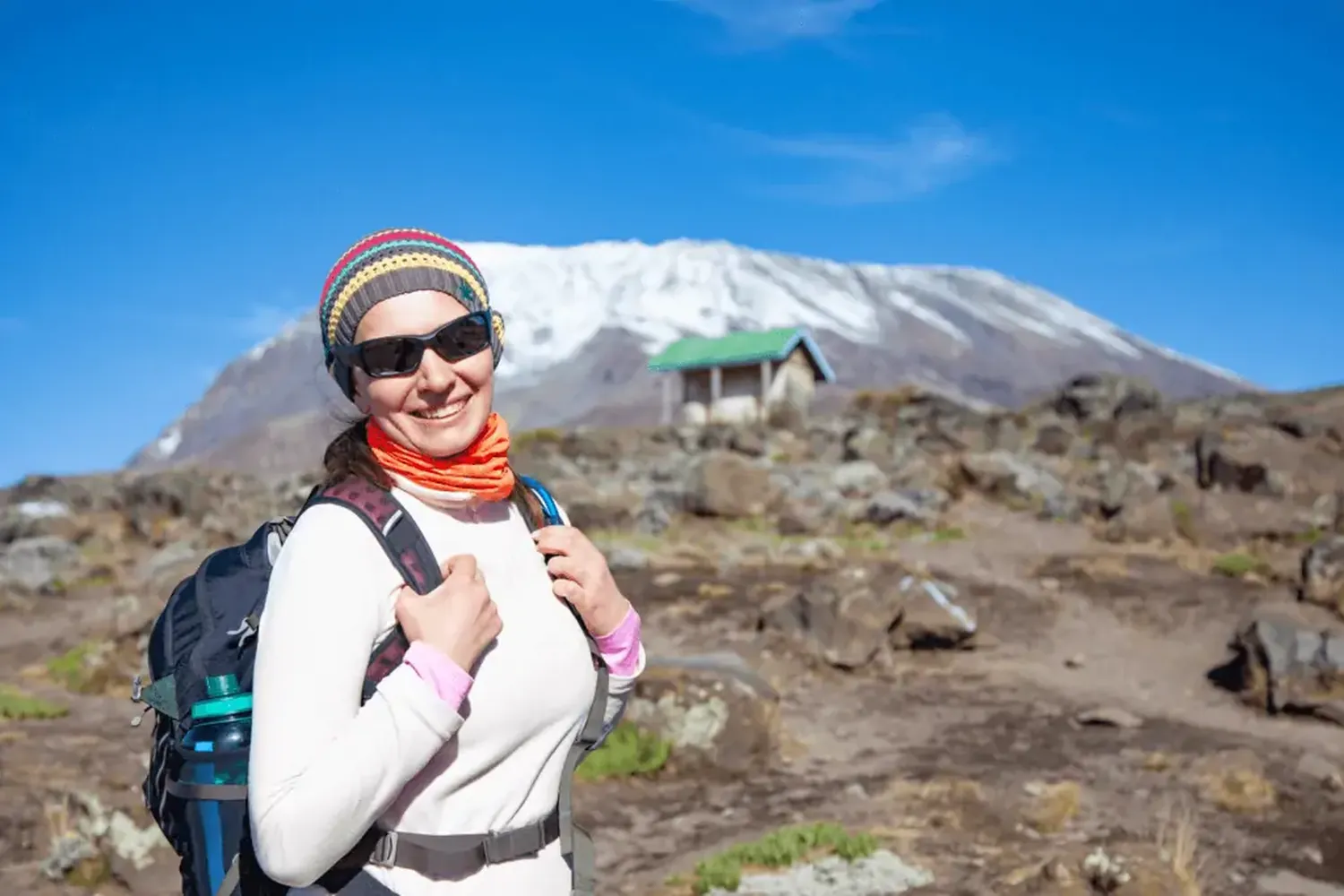
Why a Women-Specific Packing List for Kilimanjaro?
Climbing Mount Kilimanjaro, Africa’s highest peak at 5,895 meters, is a challenging yet rewarding adventure. Women face unique needs, such as specific clothing sizes, hygiene considerations, and gear tailored for comfort. This guide ensures female climbers are well-prepared, with over 40% of Kilimanjaro climbers being women, according to park statistics.
Essential Women’s Packing List for Kilimanjaro
Clothing
- Base Layers: Moisture-wicking tops and bottoms (2-3 sets, women’s fit).
- Insulating Layers: Fleece jacket and down jacket for high altitudes.
- Outer Layers: Waterproof, breathable jacket and pants (Gore-Tex recommended).
- Hiking Pants: Women-specific, lightweight, quick-dry (2 pairs).
- Sports Bras: 2-3 high-support, moisture-wicking bras.
- Socks: 4-5 pairs of merino wool socks for warmth and blister prevention.
- Headwear: Warm beanie, sun hat, and buff for dust protection.
- Gloves: Lightweight liners and insulated gloves for summit night.
Footwear
- Hiking Boots: Women-specific, waterproof, broken-in boots with ankle support.
- Camp Shoes: Lightweight sandals or sneakers for camp.
- Gaiters: To protect against dust and scree on trails.
Gear and Equipment
- Backpack: Women-specific 30-40L daypack for personal items.
- Sleeping Bag: Rated to -10°C for summit night (down or synthetic).
- Trekking Poles: Collapsible, lightweight for knee support (used by 80% of climbers).
- Headlamp: With extra batteries for night summit.
- Water System: 3L hydration bladder or bottles with purifiers.
- Duffel Bag: 80-100L for porters to carry (max 15 kg).
Personal and Hygiene Items
- Menstrual Products: Menstrual cup, tampons, or pads (pack out waste).
- Biodegradable Wipes: For hygiene in limited water conditions.
- Toiletries: Travel-size toothpaste, toothbrush, and biodegradable soap.
- Sunscreen: SPF 50+ for high UV exposure at altitude.
- Lip Balm: SPF 30+ to prevent chapping.
- Hand Sanitizer: For hygiene on the trail.
- Portable Toilet: Optional for privacy during group climbs.
Other Essentials
- First Aid Kit: Bandages, blister pads, pain relievers, and Diamox for altitude sickness.
- Snacks: High-energy bars, nuts, and dried fruit (2-3 kg total).
- Documents: Passport, permits, and insurance details.
- Camera/Phone: With portable charger for photos.
Packing List Table
| Category | Item | Quantity | Notes |
|---|---|---|---|
| Clothing | Base Layers (Women’s Fit) | 2-3 sets | Moisture-wicking, quick-dry |
| Clothing | Sports Bras | 2-3 | High-support, breathable |
| Footwear | Hiking Boots | 1 pair | Women-specific, waterproof |
| Gear | Backpack (30-40L) | 1 | Women-specific for comfort |
| Hygiene | Menstrual Products | As needed | Pack out all waste |
| Other | Trekking Poles | 1 pair | Reduces knee strain |
Quantitative Data: Women on Kilimanjaro
Over 40,000 climbers attempt Kilimanjaro annually, with women comprising 40% (approximately 16,000). Success rates for women are around 65%, slightly lower than the overall 70% due to physical and acclimatization challenges. Women-specific gear improves comfort, with 85% of female climbers reporting better experiences with fitted clothing and backpacks.
Qualitative Insights: Female Climber Experiences
A female trekker shared, “Women-specific boots and a fitted backpack made the climb more comfortable, especially on steep sections.” Another noted, “Managing hygiene was challenging, but wipes and a menstrual cup were lifesavers.” Guides emphasize that women often excel in mental resilience, with 90% of female climbers completing routes like Machame with proper preparation.
Choosing the Right Route for Women
Kilimanjaro offers seven routes, but two are particularly suitable for women:
- Marangu Route: Known as the “Coca-Cola Route,” it offers hut accommodations, ideal for hygiene and comfort (65% female climbers choose this).
- Machame Route: Scenic with tent camping, popular for its gradual ascent (25% female climbers).
Hygiene and Comfort Tips for Women
Hygiene on Kilimanjaro is challenging due to limited water. Women should:
- Use biodegradable wipes for daily cleaning.
- Carry menstrual products and sealable bags for waste disposal.
- Opt for portable toilets for privacy, used by 30% of female climbers.
- Wear breathable, quick-dry clothing to stay comfortable.
Challenges for Women Climbers
- Altitude Sickness: Affects 50% of climbers; women report higher susceptibility.
- Physical Strain: Steep trails like Barranco Wall challenge endurance.
- Hygiene: Limited facilities require careful planning.
- Pack Weight: Porters carry up to 15 kg, but personal daypacks (5-7 kg) can strain smaller frames.
Training for Women Climbers
Women should train 3-6 months in advance with cardio (running, cycling) and strength exercises (squats, lunges). Data shows 75% of trained female climbers reach Uhuru Peak. A climber noted, “Hiking with a weighted backpack prepared me for the real thing.”
Safety and Support
Kilimanjaro National Park mandates licensed guides, with 95% of operators providing female-friendly support like private tent areas. Women-only group climbs, offered by 20% of tour operators, foster camaraderie and safety.
Plan Your Kilimanjaro Climb with Jaynevy Tours
Ready to conquer Kilimanjaro? Jaynevy Tours offers women-friendly packages with expert guides and tailored gear. Explore Kilimanjaro treks, Zanzibar holidays, or Serengeti safaris. Contact us today!
Frequently Asked Questions
What should women pack for a Kilimanjaro climb?
Women should pack layered clothing, sturdy hiking boots, a women-specific backpack, hydration systems, and personal hygiene items tailored for the climb.
How much does a Kilimanjaro climbing pack weigh for women?
A women’s Kilimanjaro pack typically weighs 10-15 kg, depending on gear and personal items, with porters carrying most of the load.
Are women-specific gear items necessary for Kilimanjaro?
Women-specific gear, like fitted backpacks and clothing, enhances comfort but isn’t mandatory; standard gear can work with proper sizing.
How do women manage hygiene on Kilimanjaro?
Women can use biodegradable wipes, portable toilets, and menstrual products like cups or pads, with waste carried off the mountain.
What are the best routes for women climbing Kilimanjaro?
Marangu and Machame routes are popular for women due to their gradual ascents and support facilities, offering safer climbs.