
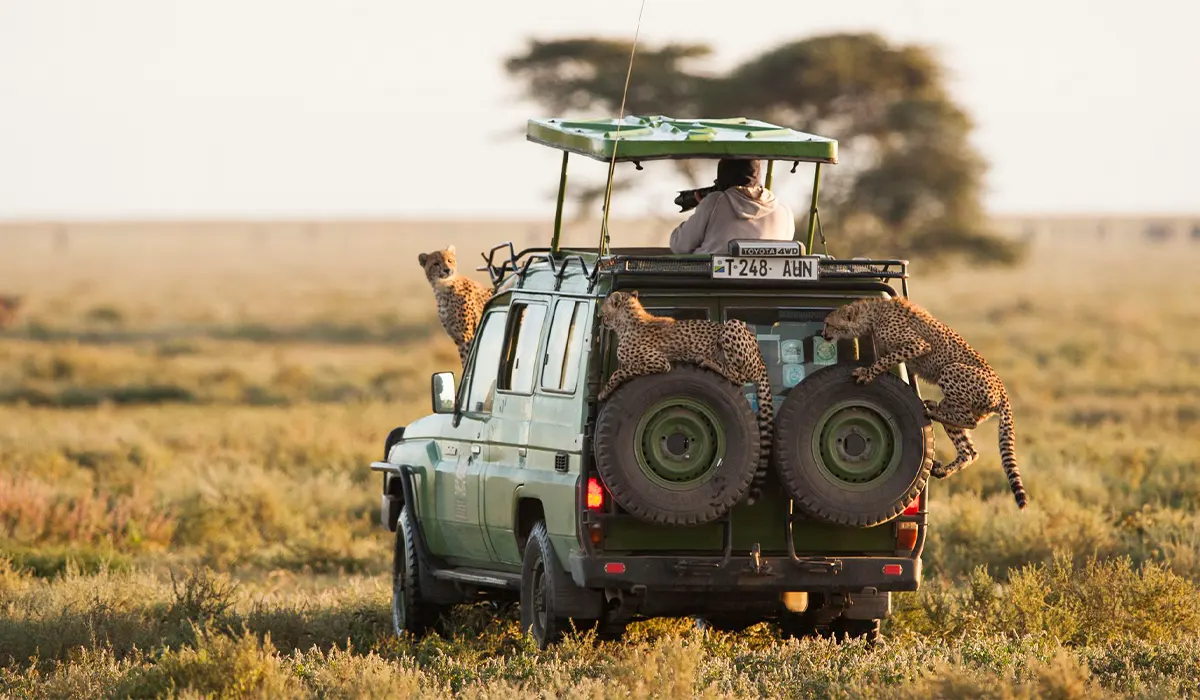
What You Need to Know: Serengeti National Park in northern Tanzania covers about 14,750 km² of grassland, kopjes and river woodland and is famous for the Great Migration and its big cats. The central Serengeti around Seronera has wildlife all year; the southern plains are best from December to March, the north from July to October. Non-residents pay US$82.60 per 24 hours. By road it is a full day from Arusha; by air about an hour.
The Main Areas of the Serengeti
The Serengeti divides into four areas that matter for a safari: the central Seronera valley, the southern plains around Ndutu, the Western Corridor and the northern Serengeti along the Mara River.
The central area has resident wildlife all year, especially big cats. The south, west and north each have their best season, when the migrating herds pass through.
| Area | What it is known for | Best for |
|---|---|---|
| Central (Seronera) | River valleys and kopjes with resident lions, leopards and cheetahs | Any month; first-time visitors |
| Southern plains and Ndutu | Short-grass plains where the herds give birth | Calving season, January–February |
| Western Corridor | The Grumeti River, which the herds cross on their way north | Around the middle of the year |
| Northern (Kogatende, Mara River) | Mara River crossings | The dry season, roughly July–October |
| Eastern plains (Namiri) | Open plains, good for cheetah | Travelers wanting fewer vehicles |
Most short safaris use the central Serengeti, because it is closest to the road from Ngorongoro and good all year.
Where Are the Herds in Each Month?
In general, the herds are in the south from December to March, move west and north from April to July, cross into the north from July to October, and drift back south in November.
This is the usual pattern, not a timetable. The herds follow the rain and fresh grass, so their timing shifts from year to year. When you book, we plan your camp around the latest reports from our guides.
| Months | Where the herds usually are | What to expect |
|---|---|---|
| December – March | Southern plains and Ndutu | Calving, with January and February the peak; predators active |
| April – May | Moving north-west through the center | Long rains, green landscapes, fewer visitors |
| June – July | Western Corridor and moving north | Dry season begins; Grumeti crossings possible |
| July – October | Northern Serengeti | Mara River crossings; the busiest months |
| November | Moving back south | Short rains; quieter |
For a safari planned around the herds, see our Great Migration safari and the month-by-month migration guide.
How Do You Get to the Serengeti?
By road from Arusha through the Ngorongoro highlands, or by light aircraft to one of the Serengeti airstrips.
By road it is a full day. From Karatu to the central Serengeti is about 143 miles (230 km) and around 7 hours, with a stop at the Ngorongoro crater viewpoint, and you start game viewing once you enter the park. Flying takes about an hour from Arusha and saves that day. It is the better option for 2–3 day trips or trips to the far north.
| Option | Time | Best for |
|---|---|---|
| Road from Arusha via Ngorongoro | Most of a day | Safaris of 4 days or more, combined with Ngorongoro |
| Flight from Arusha | About an hour | Short trips and the northern Serengeti |
| Flight from Zanzibar | Longer, often with a stop | Adding a safari to a beach holiday |
Airstrips used for our safaris include Seronera (central), Kogatende (north), Lobo, Grumeti, Kirawira and Sasakwa. See getting to the Serengeti.
Where to Stay in the Serengeti
Choose your camp by area first and level second. A camp in the right area for your month saves hours of driving.
Camps inside the park put you close to the wildlife at dawn and dusk, the best times for game drives. Each night inside the park also adds a concession fee, which is included in our prices.
| Area | Examples we book |
|---|---|
| Central Serengeti | Mberesero Serengeti Central Lodge, Serengeti Classic View Camp, Serengeti Serena Lodge |
| Southern Serengeti and Ndutu | Serengeti Classic View Ndutu, Ndutu Wildland Camp, Malaika Ndutu Luxury Camp |
| Northern Serengeti | Olmorijo Camp, Nyikani Migration Camp, Malaika Mara River luxury Camp |
The full list by level is on our accommodation page, and seasonal advice is in where to stay in the Serengeti.
Besides the camps above, in the central Serengeti we also book Manya Luxury Camp, Mawe Tented Camp, Serengeti Tortilis Camp and Embalakai Serengeti Camp at mid-range, and Engiterata Adventure Campsite on a budget; in the north, GNU Migration Camp, Mara Mara Tented Lodge and River Camp. These are lodges we book, or similar: we aren't limited to them and can arrange other lodges to suit your priorities. See where to stay in the Serengeti.
Wildlife You Can Expect to See
Lions, elephants, giraffes, buffalo, hyenas, zebras and wildebeest are seen on most Serengeti safaris. Leopards and cheetahs need a little more luck.
Leopards rest in the trees along the Seronera river valley, and cheetahs hunt on the open eastern and southern plains. Rhinos are rare in the Serengeti, so for black rhino the Ngorongoro Crater is the better bet.
- Lions: common, especially around the kopjes
- Leopards: river woodland in the central Serengeti
- Cheetahs: open plains
- Elephants and buffalo: widespread
- Black rhino: rare here; see Ngorongoro
No sighting can be guaranteed. Spending more days in the park makes the biggest difference.
Can You Take a Balloon Flight Over the Serengeti?
Yes. A sunrise balloon flight over the central Serengeti can be added to any safari with a Serengeti night, for US$490 per person.
The flight leaves at dawn, so it replaces the first game drive of that morning. It must be booked in advance with your safari.
- Price: US$490 per person
- Time: sunrise
- Booking: add it when you book your safari
More detail on our Serengeti balloon page.
Serengeti Safaris We Run
You can visit the Serengeti on a 2-day fly-in from Arusha or Zanzibar, on a 4-day road safari with the Ngorongoro Crater, or on a longer safari of up to 10 days.
Prices are per person for 2 travelers at mid-range level, in a private vehicle with your own guide.
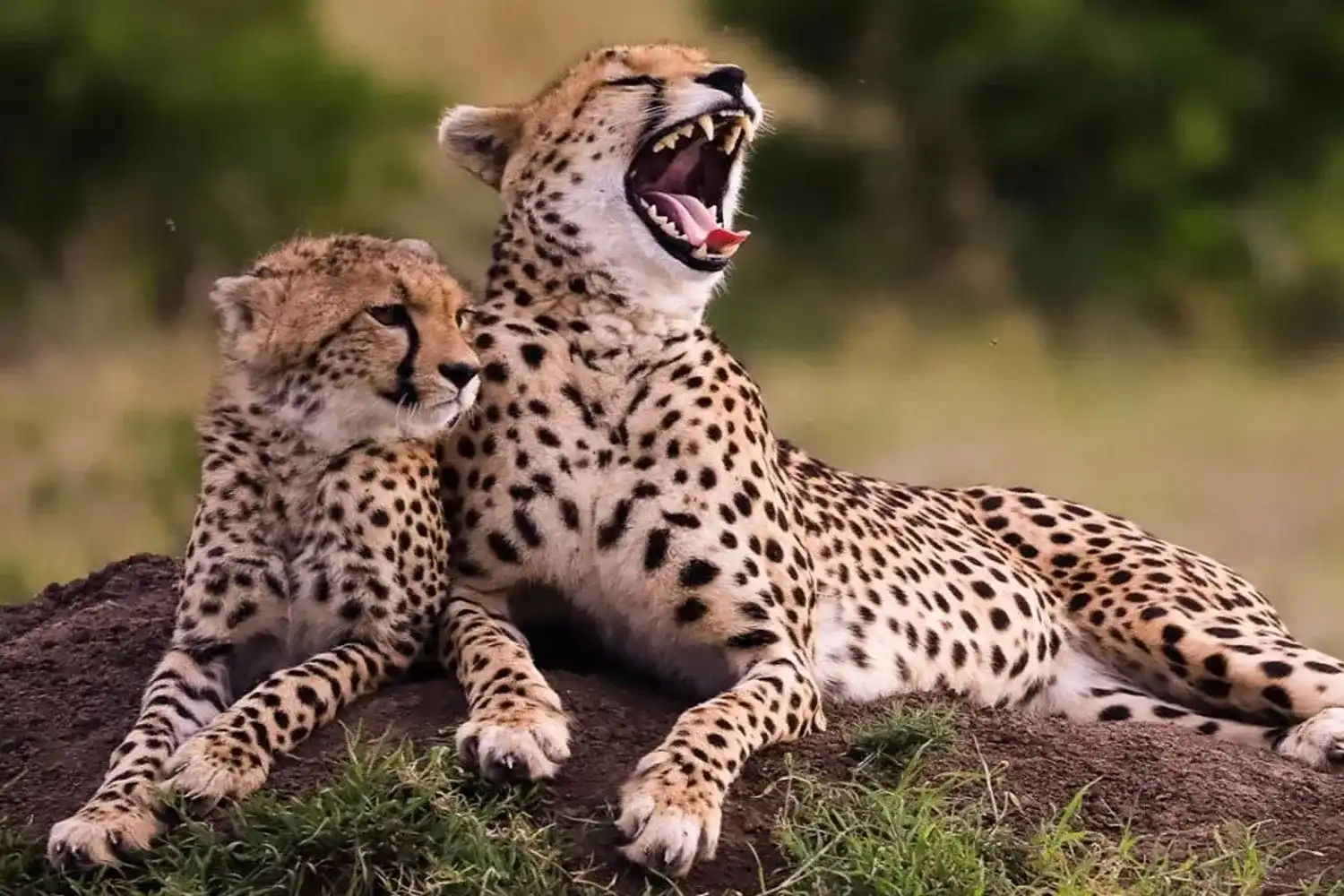
4-Day Serengeti and Ngorongoro
Two Serengeti nights and a crater morning
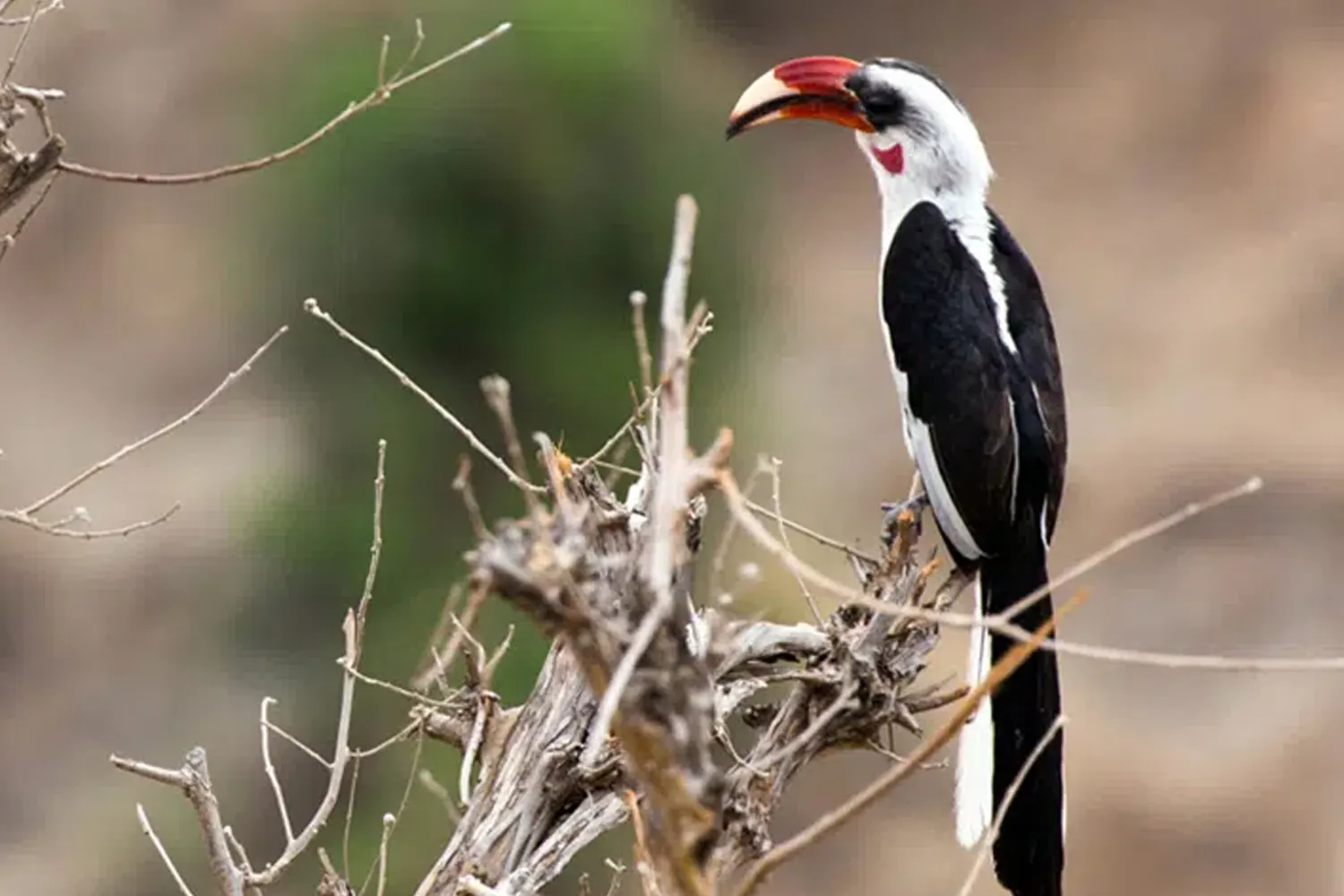
4-Day Tarangire, Serengeti and Ngorongoro
Three parks in four days

2-Day Serengeti Fly-In
Fly in from Arusha or Zanzibar for one night

3-Day Serengeti Fly-In
Two Serengeti nights, flying from Arusha
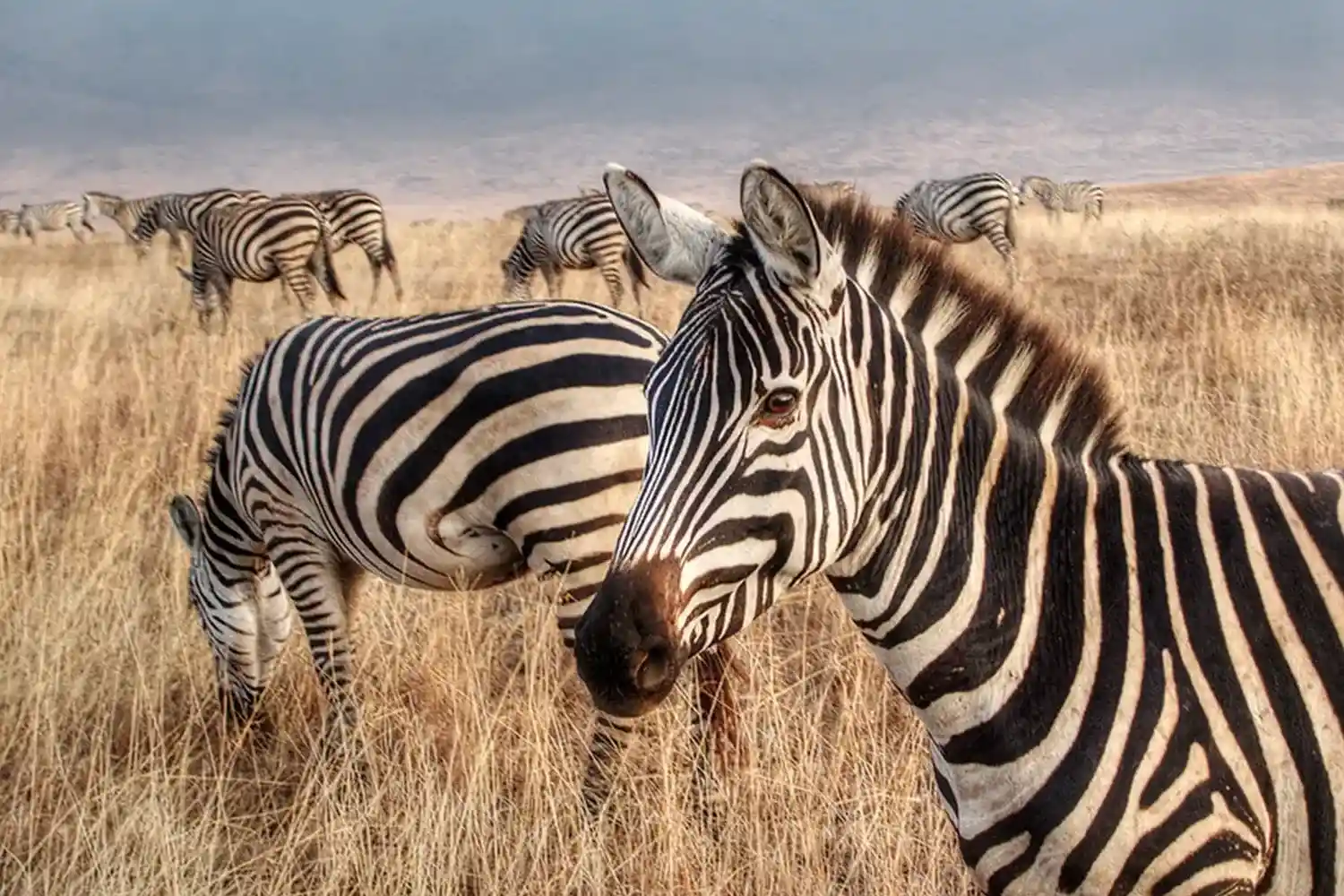
6-Day Northern Circuit Safari
Tarangire, Manyara, two Serengeti nights and the crater
10-Day Tanzania Private Safari
Five Serengeti nights, Lake Manyara and the crater
Prices are per person, 2 people sharing.
All our safaris are on the northern Tanzania safaris page.
Serengeti Park Fees in 2026
Non-resident adults pay US$82.60 per 24 hours to enter the Serengeti, and each night inside the park adds a concession fee that varies by season. Children aged 5 to 15 pay less, and under-5s enter free. You also pay Ngorongoro Conservation Area fees (US$70.80 per 24 hours) when you drive through it on the way in. All of these are included in our prices.
That is why Serengeti safaris cost more per day than safaris that sleep outside the parks, and why we recommend at least two nights once you are there: the drive in is the same, however long you stay.
How We Run Serengeti Safaris
You have a private 4x4 Land Cruiser with a pop-up roof, a window seat for everyone (at most 6 guests), Wi-Fi, charging points and a fridge for drinks. Our driver-guides graduated from the College of African Wildlife Management at Mweka and have five years of safari guiding. They speak English, and we can arrange French, Spanish, German or Chinese-speaking guides. Your guide plans each day around recent sightings and the season, so you start early, when cats are active, and spend the hot midday at camp or at a picnic site.
Fly-in safaris use scheduled flights with Auric Air and Coastal Aviation, and a sunrise balloon flight with Serengeti Balloon Safaris or Miracle Experience can be added for US$490. Every safari is covered by AMREF Flying Doctors for emergency evacuation.
Serengeti Questions Our Guests Ask
How many days do you need in the Serengeti?
Two nights is the minimum we suggest by road. Three or more lets you reach the area where the herds are in your month.
Is the Serengeti worth it on a short safari?
Yes, if you fly in. By road, a short trip spends much of its time driving.
Can you see Kilimanjaro from the Serengeti?
No. The mountain is far to the east. You see it from Moshi, Arusha and the road between them on clear mornings.
When is the best time for the calving season?
January and February, on the southern plains around Ndutu.
How big is the Serengeti?
About 14,750 km², roughly the size of Connecticut. Most short safaris stay in the central area around Seronera.
How much does it cost to enter the Serengeti?
US$82.60 per non-resident adult per 24 hours in 2026, plus a concession fee for each night inside the park. Our prices include them.