
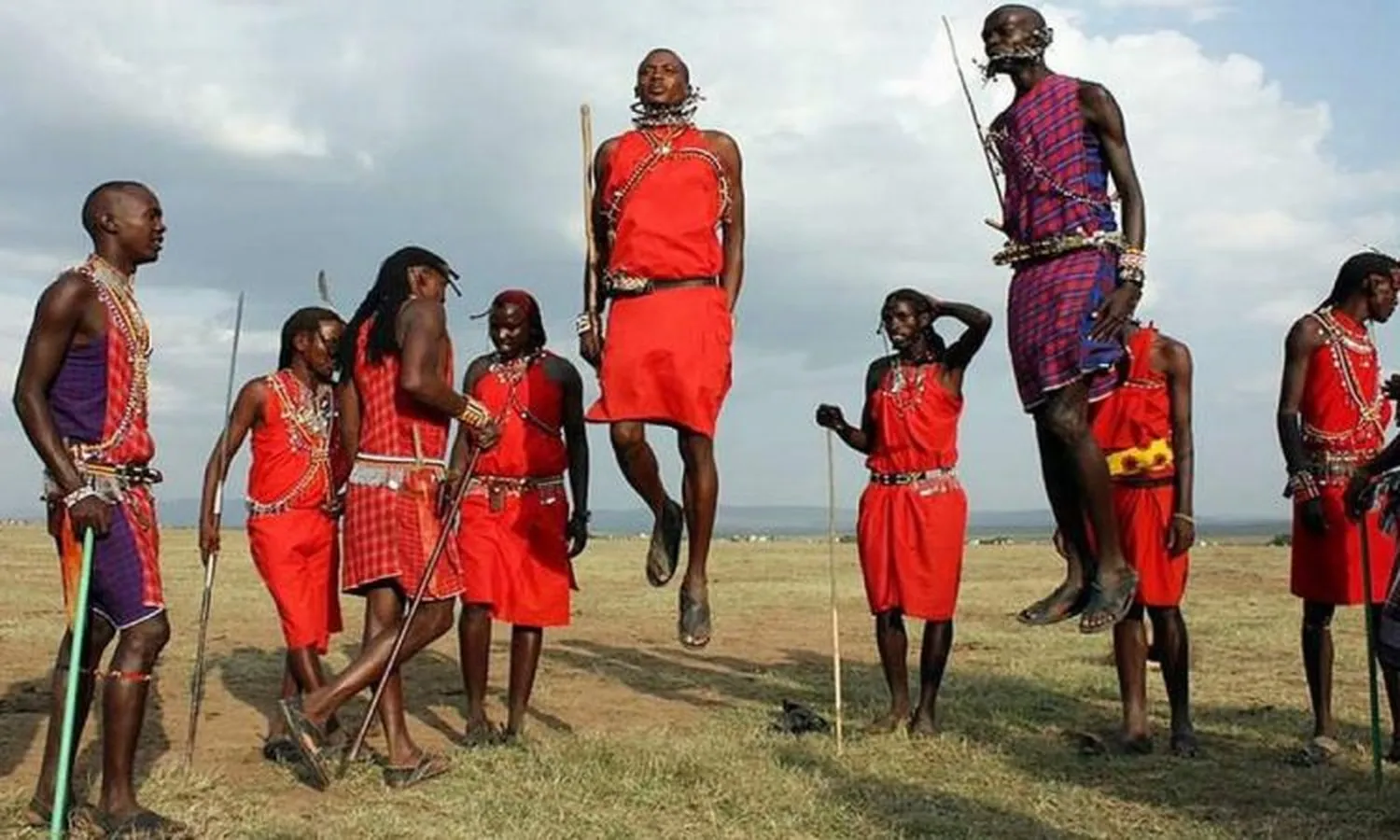
Quick Answer: What Is the Best 6-Day Tanzania Safari with a Maasai Cultural Visit?
For most first-time visitors, the best six-day plan is Tarangire on Day 1, Serengeti on Days 2–4, Ngorongoro Crater on Day 5, then a designated Maasai cultural boma visit and return to Arusha on Day 6. This keeps the wildlife core intact while giving the cultural experience its own time block. If culture is a major priority, extend the community visit and reduce one game-drive period rather than squeezing a long visit between park transfers.
| Day | Main area | Primary experience | Why it fits |
|---|---|---|---|
| 1 | Arusha → Tarangire | Elephants, baobabs, first game drive | High wildlife value without an extreme transfer day |
| 2 | Tarangire/Karatu → Serengeti | Scenic transit + afternoon game drive | Positions you inside the Serengeti for the next two days |
| 3 | Central Serengeti | Full-day game viewing | Big-cat and plains wildlife focus |
| 4 | Serengeti | Flexible game drives | Second full day reduces the risk of a rushed Serengeti stay |
| 5 | Serengeti → Ngorongoro | Morning wildlife + crater highlands | Moves gradually toward the cultural/Crater zone |
| 6 | Ngorongoro / cultural boma → Arusha | Crater or cultural stop depending sequence | Culture can be integrated without a separate long detour |
Why Add a Maasai Cultural Visit to a Wildlife Safari?
Most Northern Circuit itineraries are built around wildlife, but the Ngorongoro landscape is also a lived cultural landscape. UNESCO describes the Ngorongoro Conservation Area as a multiple-use area established in 1959, where wildlife coexists with semi-nomadic Maasai pastoralists practising traditional livestock grazing. The World Heritage property covers about 809,440 hectares. That context matters: the Maasai are not an attraction placed beside the parks; communities are part of the human history and present-day landscape of northern Tanzania.
A responsible visit adds a different layer to the safari. You may learn about cattle and pastoral livelihoods, family compounds, beadwork, food, oral traditions, social organisation and how communities navigate life near protected landscapes. The value comes from conversation and context, not from collecting a checklist of staged performances.
What Does a Designated Cultural Boma Visit Actually Involve?
The exact program varies by host community. NCAA officially lists visits to designated Maasai bomas among tourism activities in the Ngorongoro Conservation Area. At cultural bomas, visitors may be introduced to houses and household organisation, traditional food, dance, storytelling and locally made crafts. The Seneto Cultural Boma, for example, began in 1992 and is described by the Ngorongoro-Lengai Geopark as the oldest of five cultural bomas in the geopark.
That official model is useful because it gives communities a structured way to participate in tourism. According to the geopark, entrance payments at Seneto go into a boma basket fund used for participating members, cattle purchases and benefits shared with the wider village. This is stronger evidence of community participation than vague claims that “all tourism money goes directly to locals.”
| Possible activity | What you may learn | Good visitor behaviour |
|---|---|---|
| Welcome and introductions | Names, greetings, host roles | Listen before photographing |
| Household/boma walk | Family space, livestock and daily routines | Follow the host’s access rules |
| Dance or song | Performance traditions and social context | Participate only when invited |
| Beadwork/crafts | Design, skills and local enterprise | Buy only if you genuinely want to |
| Storytelling/questions | Pastoral life and contemporary change | Ask respectfully; avoid intrusive questions |
Photography Rules: One Detail Many Safari Pages Miss
Do not assume that seeing people from the safari vehicle means they are available for photographs. NCAA visitor guidelines specifically state that photographing local people is prohibited outside designated Cultural Bomas in the Ngorongoro Conservation Area. Inside an approved cultural boma, photography may be part of the hosted visit, but basic courtesy still matters: ask before close portraits, respect anyone who declines and follow your community guide’s instructions.
This is also a useful way to distinguish a respectful cultural visit from opportunistic roadside photography. If the itinerary simply says “stop for Maasai photos” without naming a recognised visit, explaining local permissions or identifying who hosts the experience, ask the operator for more detail.
Detailed 6-Day Itinerary: Wildlife + Maasai Cultural Experience
Day 1: Arusha to Tarangire National Park
Leave Arusha after breakfast and drive toward Tarangire. The park is an effective first safari day because the route is manageable and the landscape is immediately distinctive: baobab country, the Tarangire River system and open woodland. Spend the afternoon game driving, with particular attention to elephant family groups, giraffes, buffalo, antelope and predators when conditions are favourable. Overnight either near the park or toward Karatu depending on the lodge plan.
Day 2: Tarangire or Karatu to Serengeti
Drive through the highlands and Ngorongoro Conservation Area toward the Serengeti. This is not merely an airport-style transfer; the landscapes change steadily from cultivated highlands to open plains. Enter Serengeti with enough daylight for an afternoon game drive. If you want to include a cultural visit earlier in the itinerary, this is possible, but it can reduce your first Serengeti game-drive window.
Day 3: Central Serengeti Full-Day Game Viewing
Use a full day around the Seronera ecosystem and surrounding plains. Central Serengeti is especially useful on a six-day itinerary because it supports strong year-round wildlife viewing rather than depending entirely on the location of the Great Migration. Start early if you want to target predator activity, then adapt the route based on recent sightings, water conditions and your guide’s field knowledge.
Day 4: Second Serengeti Day
A second full Serengeti day is one of the most important quality decisions in this itinerary. It gives you flexibility to explore a different habitat instead of repeating the previous route and protects the safari from becoming a sequence of long drives between gates. Depending on season, this day can be shifted toward migration-related zones, but avoid promising a particular river crossing or herd location many months in advance.
Day 5: Serengeti to Ngorongoro Highlands
Take a final morning game drive while leaving the Serengeti, then continue toward Ngorongoro. You can either descend into the crater this day and reserve Day 6 for culture, or overnight on/near the crater and descend early the next morning. The correct sequence depends on lodge location, crater permit timing, your onward plan and how much cultural time you want.
Day 6: Ngorongoro Crater + Designated Maasai Cultural Boma + Arusha
For a compact itinerary, start early for crater wildlife viewing, then continue to a confirmed cultural boma before returning to Arusha. If the cultural visit is a major reason for the trip, reverse the sequence or place the boma visit on Day 5 so the conversation is not rushed by a late drive back. The goal is not to claim you can “experience Maasai culture in one hour,” but to create a focused introduction that fits honestly inside a wildlife safari.
How Much Time Should You Give the Cultural Visit?
There is no universal duration. For a six-day wildlife-first safari, about 60–120 minutes is a practical planning window for a hosted introduction. A deeper cultural program can take half a day or longer and should be treated as a real itinerary component, not squeezed between crater descent and a six-hour transfer.
| Visit length | Best for | Main trade-off |
|---|---|---|
| 45–60 min | Brief introduction | Limited conversation; can feel rushed |
| 1–2 hours | Most 6-day safari itineraries | Good balance with wildlife schedule |
| Half day | Culture-focused travellers | Reduces game-drive or transfer flexibility |
| Full day+ | Deeper community-based travel | Better planned as a 7+ day itinerary |
Wildlife Facts: What the Safari Side Adds
The cultural component should not make the wildlife claims less rigorous. UNESCO describes Serengeti National Park as roughly 1.5 million hectares and one of the great wildlife migration landscapes, with around two million wildebeest moving through the wider ecosystem together with hundreds of thousands of zebra and gazelles. The exact herds you see on a six-day trip depend on rainfall and season.
Ngorongoro adds a different ecological setting. The conservation area is globally important for biodiversity and high wildlife density, while the crater provides a compact game-viewing environment. These figures are landscape-level statistics; they are not a guarantee that every safari will see every flagship species.
Best Time for a 6-Day Safari with a Maasai Visit
The cultural visit is generally possible year-round, so season choice should mostly be driven by wildlife, roads, accommodation availability and budget. The Maasai visit should then be confirmed for your exact travel date and host community.
| Period | Wildlife/road character | Cultural-visit planning |
|---|---|---|
| June–October | Drier roads, strong general game viewing, peak demand | Easy to combine but book early |
| November–December | Short rains possible, greener landscapes | Usually workable; retain timing flexibility |
| January–March | Calving-season interest in southern ecosystem | Can pair well with Ngorongoro/highland routing |
| April–May | Heavier rains, lower demand, some road challenges | Confirm road access and community logistics |
How Much Does a 6-Day Tanzania Safari with a Cultural Maasai Visit Cost?
There is no single honest price because the cultural stop is only one part of a safari dominated by vehicle, accommodation, park, conservation and guide costs. Jaynevy Tours currently publishes a comparable six-day Northern Circuit package from Arusha from around USD 2,150 per person for mid-range travel. The broader Tanzania safari cost guide currently places many 2026/2027 safaris around USD 250–350 per person per day for budget travel, USD 350–550 for mid-range and USD 600–1,200 for luxury, with ultra-luxury higher.
The cultural visit can add a local entrance/community fee and extra guide or routing time. Do not use an old generic “village fee” from a blog as your final number. Ask for the exact boma, current fee and whether it is already included in your quotation.
| Cost driver | Why it changes price | What to ask |
|---|---|---|
| Private vs shared vehicle | Vehicle/guide costs are divided differently | Is the safari fully private? |
| Accommodation | Camping, lodges and premium camps vary greatly | Exact lodge/camp names? |
| Season | Peak lodge rates and availability differ | Any seasonal supplement? |
| Cultural boma | Community fee and route may differ | Which boma and is entry included? |
| Crater activity | Ngorongoro has separate conservation/vehicle costs | Are all crater-related fees included? |
Private Safari vs Group Joining for the Cultural Experience
A private vehicle makes cultural timing easier because you can decide how long to stay and how much of the day to allocate to conversation. A group-joining safari is usually more economical but has a fixed schedule. Jaynevy’s existing 6-day Tanzania sharing safari already includes a Maasai visit in its published itinerary, showing that culture can be included even in a budget-oriented group format.
| Factor | Private safari | Group joining |
|---|---|---|
| Cultural visit timing | More flexible | Usually fixed |
| Questions/conversation | Easier to extend | Shared with group |
| Wildlife stops | Tailored to your interests | Group decisions |
| Per-person cost | Usually higher for 1–2 travellers | Usually lower |
| Best for | Couples, families, photographers, culture-focused guests | Budget-conscious social travellers |
How to Make the Visit Respectful Rather Than Performative
- Use a designated or community-hosted visit. Ask who receives the fee and who manages the experience.
- Do not photograph people from the road. Follow NCAA rules and your guide’s instructions.
- Ask before portraits. Permission is part of respectful interaction even where photography is permitted.
- Do not pressure children to pose. Avoid turning a community visit into a staged photo session.
- Buy crafts voluntarily. A purchase should be a fair exchange, not an obligation created by the tour.
- Avoid sweeping claims. One boma does not represent every Maasai family, age group or community.
- Leave room for present-day life. Maasai communities are contemporary communities, not frozen historical exhibits.
What Should Be Included in the Written Safari Quote?
A useful quote should allow you to compare operators line by line. At minimum, confirm:
- Private or group-joining 4×4 safari vehicle.
- Professional driver-guide and requested language.
- Five safari nights and exact accommodation names/category.
- National park and Ngorongoro conservation/crater fees.
- Meals and drinking water during safari days.
- The exact cultural boma or community visit.
- Whether cultural entry/community fees are included.
- Arusha or Moshi pickup and return arrangements.
- Optional activities and any separate charges.
Where Should the Maasai Visit Fit: Ngorongoro, Monduli or Another Community?
For a six-day Northern Circuit safari, Ngorongoro is usually the most efficient place for a structured Maasai cultural stop because the wildlife route already passes through or near the conservation area. NCAA operates designated cultural-tourism products there, and the landscape itself demonstrates the unusual multiple-use model in which conservation, tourism and pastoral livelihoods exist in the same wider area. UNESCO first recognised Ngorongoro for natural values in 1979 and the property was also recognised for cultural values in 2010, which helps explain why a cultural stop belongs naturally in this route rather than feeling unrelated to the safari.
Monduli or communities closer to Arusha can work better when you want a longer cultural program before or after the safari. The advantage is time: you can spend several hours with hosts without worrying about Serengeti gate timing or a crater permit. The disadvantage is that it adds a separate route segment if your six days are already fully allocated to parks. A good operator should therefore match the cultural location to your priorities instead of using the same village stop for every guest.
| Cultural-stop location | Main advantage | Main limitation | Best for |
|---|---|---|---|
| Ngorongoro designated boma | Fits naturally into Northern Circuit routing | Time may be constrained by crater/transfer schedule | Wildlife-first 6-day safaris |
| Monduli / Arusha-region community | Easier to allocate a longer visit | Can add a separate transfer | Travellers prioritising culture |
| Custom community-based program | Potential for deeper interaction | Requires more planning and verification | Repeat visitors and slow-travel guests |
Questions to Ask Before Booking the Cultural Component
The phrase “Maasai village visit included” is not enough information for a high-quality booking decision. Ask the operator for operational details in the same way you would ask which Serengeti camp or safari vehicle is included. These questions help separate a thoughtful community experience from a rushed roadside stop:
- What is the name or location of the community/boma? If the operator cannot identify it at all, ask why.
- Is it a designated cultural boma or another community-hosted program? Either can work, but the arrangement should be clear.
- How long is allocated? A 15-minute stop and a two-hour hosted visit should not be marketed as the same experience.
- Who guides the visit? Ideally, a community host or locally connected guide should lead the cultural interpretation.
- Is the community/entrance fee included? Confirm whether payment is part of the package or paid locally.
- What are the photography rules? This is especially important in Ngorongoro, where NCAA has specific restrictions outside designated Cultural Bomas.
- Are craft purchases optional? Guests should never be pressured into buying souvenirs.
- What happens if the community is unavailable? The itinerary should explain the alternative rather than silently substituting an unrelated stop.
What “Authentic” Should Mean on This Safari
“Authentic” is an overused travel word. A respectful cultural visit does not need to prove authenticity by presenting a community as untouched by modern life. People may use mobile phones, attend school, run businesses, speak several languages and still maintain important pastoral, family, artistic or ceremonial traditions. A stronger safari page acknowledges that culture changes and that different Maasai communities can have different practices and tourism relationships.
For travellers, this means approaching the visit with curiosity rather than expectations created by films or social media. Ask what cattle mean in the local context, how education and conservation affect daily life, how beadwork is organised, or what younger community members hope for. The most memorable part may be a conversation rather than a dance. That is why this itinerary protects actual time for the visit instead of treating it as a five-minute photo stop.
Common Mistakes When Booking a “Maasai Safari”
- Choosing a package because it says “tribe visit” without details. Ask where the visit happens and who hosts it.
- Trying to fit too many parks into six days. Wildlife quality usually improves when Serengeti gets at least two nights.
- Treating every cultural interaction as a photo stop. The strongest visits allow dialogue and local guidance.
- Assuming community fees are the same everywhere. Confirm the current fee and whether it is included.
- Using unsupported statistics about Maasai population or tourism revenue. Prefer official NCAA/UNESCO context over viral blog numbers.
- Ignoring photography rules. NCAA rules are specific about photographing local people outside designated cultural bomas.
Is This 6-Day Safari Right for You?
This itinerary is a strong fit for travellers who want Serengeti and Ngorongoro but do not want the trip to be wildlife-only. It also works well for first-time visitors, couples and families who value context and conversation. If your main goal is deep cultural immersion, six days is short: consider adding one or two days rather than sacrificing all the Serengeti time.
For route comparisons, see the Tanzania safari from Arusha guide, the 6-day Serengeti safari, the Serengeti National Park guide and the Ngorongoro Crater planning guide. For a dedicated community experience, compare the Maasai village cultural visit.
Frequently Asked Questions
Can a 6-day Tanzania safari include a Maasai cultural visit?
Yes. A six-day Northern Circuit safari can include a designated Maasai cultural boma visit without removing the main Serengeti and Ngorongoro highlights, provided it is placed logically in the route.
What is the best 6-day itinerary for wildlife and a Maasai visit?
Tarangire on Day 1, Serengeti on Days 2–4, Ngorongoro on Day 5 and a designated Maasai cultural visit plus return to Arusha on Day 6 is a practical wildlife-first structure.
How long should a Maasai cultural visit take?
About 60–120 minutes works well for many six-day itineraries. Longer visits deserve their own half-day or full day rather than being squeezed between transfers.
Can I take photos during a Maasai village visit?
Follow local rules. NCAA prohibits photographing local people outside designated Cultural Bomas in the conservation area. Inside a hosted boma, ask before close portraits and follow the community guide.
Is the visit available year-round?
Usually, yes. Exact community availability, road conditions and itinerary timing should still be confirmed for your dates.
How much does the safari cost?
A comparable current six-day mid-range Northern Circuit package from Arusha is published from about USD 2,150 per person. Your cultural visit, group size, dates and accommodation determine the final quote.
Does the cultural visit replace a game drive?
Not necessarily. A focused visit can be fitted around the Ngorongoro/return day, but a deeper cultural experience will require trading some wildlife time.
Is the visit suitable for children?
Yes, when the program is age-appropriate and presented as a learning experience rather than staged entertainment.
Should I bring gifts?
Do not hand out random gifts unless the host community or local guide recommends a structured approach. Buying locally made crafts can be a more respectful form of support.
Sources and Data Notes
Key factual references for this guide include the Ngorongoro Conservation Area Authority’s tourism activities, visitor guidelines and Ngorongoro-Lengai Geopark information on Seneto Cultural Boma; UNESCO’s Ngorongoro Conservation Area description; Google Search Central/Search Status documentation for current SEO guidance; and current Jaynevy Tours package pages for published planning prices. Prices and operational details can change, so the written quotation for your travel dates remains the final source for inclusions and fees.
Final Planning Advice
A good 6-day Tanzania safari with a cultural Maasai visit should feel like one coherent journey, not a wildlife package with a village stop bolted onto the end. Protect at least two strong Serengeti days, keep Ngorongoro logistics realistic, use a designated or clearly community-hosted cultural experience, respect photography rules and ask exactly how the cultural fee is handled. That combination gives you both the ecological scale of northern Tanzania and a more grounded understanding of the people who live within the wider landscape.