
7-Day Serengeti and Ngorongoro Safari
Our 7-Day Serengeti and Ngorongoro Safari travels from Arusha to the seasonal Ndutu plains, central Serengeti and Ngorongoro Crater for extended game drives across three connected wildlife areas. We arrange your private 4x4 safari vehicle, professional driver-guide, accommodation, meals, park entry, crater descent and road transfers, with an optional pre-safari airport pickup and Arusha night. The price of this 7-Day Serengeti and Ngorongoro Safari starts from USD 3,218 per person. Migration movements and individual sightings depend on rainfall and natural wildlife behavior and cannot be guaranteed. The final package price and confirmed inclusions are provided in your written quotation.
7-Day Serengeti and Ngorongoro Safari Overview
This is a seasonal wildlife itinerary with three nights planned around Ndutu, one in central Serengeti National Park, one near the Ngorongoro Crater rim and one final night outside the protected areas. The exact Ndutu camp location matters because the wider ecosystem crosses the Serengeti–Ngorongoro boundary.
The route is best suited to travelers interested in the southern plains during the green season, while still including central Serengeti and a full Ngorongoro Crater game drive. A pre-safari arrival night in Arusha is separate from the seven safari days and must be confirmed in your quotation.
Local expert insight: Arusha to Ndutu commonly requires a long road day, and gate procedures or wet-season roads can extend the journey. We do not promise a fixed five-hour transfer or a fixed herd location.
Decision guidance: choose this route for a deeper Ndutu focus. For travel outside the southern migration season, ask us to shift more nights into central, western or northern Serengeti. Next, review the calculated starting price.
How Much Does the 7-Day Serengeti Safari Cost?
The price of our 7-Day Serengeti and Ngorongoro Safari starts from USD 3,218 per person. The calculation assumes one traveler, mid-range accommodation, four nights inside Ngorongoro Conservation Area, one night inside Serengeti and two nights outside protected areas, including the pre-safari Arusha night. The final amount changes with group size, dates, exact Ndutu camp location and accommodation category.
What's Included in Your Written Quotation
- Airport transfers and pre-safari Arusha night when confirmed
- Private 4x4 safari vehicle and professional driver-guide
- Park, conservation and confirmed concession fees
- Ngorongoro Crater descent and game drive
- Accommodation for the confirmed overnight pattern
- Meals and drinking water specified in the itinerary
- Game drives and road transfers described below
What's Excluded
- International and domestic flights
- Visa, personal travel insurance and personal purchases
- Tips and unlisted meals or drinks
- Serengeti balloon flight and other optional activities
- Unconfirmed upgrades or seasonal supplements
We identify the exact camps and fee zones before confirmation. Once the price is clear, the day-by-day plan explains how the safari operates.
7-Day Serengeti and Ngorongoro Safari Itinerary
Pre-Safari Arrival: Kilimanjaro Airport to Arusha
When this service is confirmed, a Jaynevy Tours representative meets you at Kilimanjaro International Airport and transfers you to your Arusha hotel. We arrange a safari briefing before departure so you can confirm luggage, pickup time, dietary needs and the final camp sequence.
This arrival service is not counted as one of the seven safari days. Airport pickup, the Arusha hotel and meals are included only when listed in your written quotation; we do not promise continuous personal guide availability during the hotel stay.
Day 1: Arusha to the Ndutu Plains
We collect you from your Arusha lodging early and drive toward the Ndutu area. This is a long transfer through the Ngorongoro Conservation Area; gate procedures, road conditions and wildlife stops determine the actual journey time.
On arrival in Ndutu, road and gate timing permitting, we begin an afternoon game drive with a picnic lunch. The southern plains form part of the wider Serengeti ecosystem. Ndutu can play an important role in the Annual Serengeti Migration, but herd numbers and locations change with rainfall. From roughly December to March, wildebeest may gather and calve on the southern plains; neither the herds nor predator action can be guaranteed.
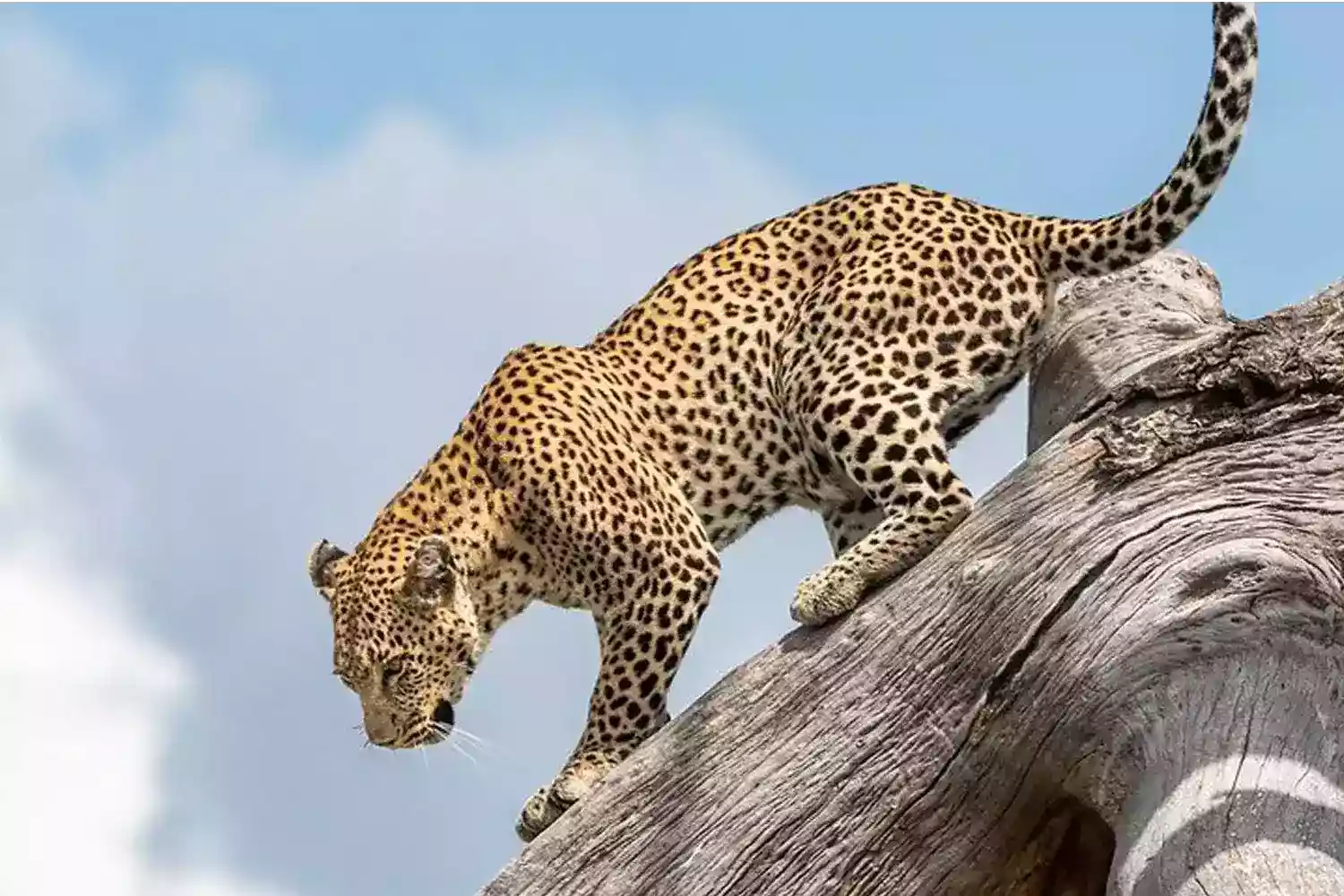
Water and grazing around Lake Ndutu and Lake Masek can attract varied wildlife. Possible cats include Leopards , Lions, cheetah, caracal, serval and wildcat, although smaller species are difficult to spot. We finish at the accommodation confirmed for your fee zone, with dinner and overnight.
Day 2: Full-Day Ndutu Game Drive
After breakfast, we spend the day exploring the Ndutu region, which includes habitats within the Serengeti National Park ecosystem and the Ngorongoro Conservation Area. Your driver-guide selects routes using current road and wildlife information rather than following a guaranteed herd position.
From roughly December to March, the southern plains may support calving within the Great Migration. Predators may follow the herds, but births and hunts are unpredictable. We pause for lunch and return to the confirmed accommodation before park or conservation-area operating limits require.
Day 3: Second Full Day in the Ndutu Area
A second full day gives us more flexibility to explore the Serengeti Migration ecosystem without repeating a fixed circuit. Depending on rainfall, wildlife may be concentrated near lakes and short-grass plains or dispersed across a wider area.
The second Ndutu day lets your guide respond to fresh sightings, road access and the previous day's coverage. We include a picnic or camp lunch as confirmed, then return for dinner and overnight without promising a fixed end time.
Day 4: Ndutu to Central Serengeti
After breakfast, we travel north through the plains toward central Serengeti, using the transfer as a game drive. We allow time for gate procedures, wildlife stops and a picnic lunch rather than treating this as a fixed-time road transfer.
The Serengeti is home to the Big Five ( Lions , Leopards , Elephants , Buffaloes , and Rhino) may be seen across the wider ecosystem, but completing a Big Five checklist is never guaranteed. Granite kopjes provide useful places to scan for lion, leopard and smaller animals.
We stop for a picnic lunch and continue toward your central Serengeti camp or lodge for dinner and overnight, as named in the quotation.
Day 5: Serengeti to the Ngorongoro Highlands
After breakfast, we take a final Serengeti game drive and picnic lunch before heading toward the Ngorongoro Crater rim. Road and wildlife stops affect the transfer time, so the previously stated 2.5-hour estimate should not be treated as guaranteed.
We reach the Ngorongoro highlands for dinner and overnight at the camp or lodge confirmed in writing. A rim property and an outside-NCA property carry different fees and driving implications.
Day 6: Ngorongoro Crater Game Drive
You will start your day early, with a prompt breakfast before descending into the crater floor around 6:30 AM. The Ngorongoro Crater, which is the world's most extensive dormant volcanic caldera, remains unblemished and unoccupied. With a massive floor spanning about 260 square kilometers and over 2,000 feet deep, the crater offers broad views across the caldera.
The crater game drive normally lasts several hours within the operating window. You may see African Elephants, Buffaloes, hippo, hyena and lion. Black rhino or cheetah may be seen, but no species is guaranteed. After a picnic lunch and further game viewing, we ascend and continue to the accommodation named in your quotation.
Day 7: Final Game Drive and Departure Transfer
After breakfast, we complete the final activity confirmed in your itinerary and begin the road transfer toward Arusha or Kilimanjaro International Airport. This concludes your Serengeti Safari. Because road and gate conditions can affect arrival time, we confirm the safest onward-flight connection before you book.
After the seven-day route is clear, the next decision is choosing dates that match the seasonal focus of the itinerary.
Best Time for This Ndutu and Serengeti Safari
This Ndutu-focused version is most relevant from approximately December to March, when migrating wildebeest may use the southern short-grass plains and calving commonly occurs. April can still be productive, but rain and herd movement make conditions more variable. For June to October, we normally recommend relocating more nights to other Serengeti regions.
| Period | Typical focus | Planning note |
|---|---|---|
| December–March | Ndutu and southern plains | Strongest fit for this itinerary; herd location still varies |
| April–May | Green season and changing herd movement | Rain can affect roads and daily routing |
| June–October | Central, western or northern Serengeti | Ask us to redesign the overnight pattern |
Local expert insight: migration timing is controlled by rain and fresh grazing, not a fixed calendar. Choose dates first, then let us place the camps where the route is operationally sensible.
Wildlife You May See in Ndutu, Serengeti and Ngorongoro
Depending on season and location, you may see wildebeest, zebra, gazelle, giraffe, elephant, buffalo, hippo, hyena and varied birdlife. Lion and cheetah are often associated with open plains; leopard and black rhino are possible but less predictable. No species, hunt, birth or migration event can be guaranteed.
- Southern-plains grazers and seasonal calving activity
- Central Serengeti kopjes and predator habitat
- Ngorongoro Crater's mixed resident wildlife
- Resident and seasonal birdlife across lake and grassland habitats
Decision guidance: book this trip for varied habitats and patient observation, not for a checklist that depends on guaranteed sightings.
Safari Safety and Participation Requirements
Most viewing takes place inside a 4x4 safari vehicle, but the trip includes long drives, rough roads, early starts and repeated entry into wildlife areas. We plan the route and vehicle logistics; park authorities and your driver-guide control access and safety decisions on the day.
- Stay inside the vehicle unless your guide confirms a safe place to exit
- Never feed, call or approach wildlife
- Tell us about mobility, medical or dietary needs before booking
- Use seat belts where fitted and secure loose camera equipment
- Keep onward travel flexible after the final road transfer
What to Pack for a 7-Day Serengeti Safari
Bring neutral clothing in removable layers, closed shoes, sun protection, insect repellent, personal medication and a small day bag. Ndutu and Ngorongoro mornings can be cool, while midday game drives may be warm and dusty.
- Light shirts and trousers plus a warm fleece or jacket
- Hat, sunglasses and sunscreen
- Binoculars and dust protection for cameras
- Refillable bottle and prescribed medication
- Soft-sided luggage suitable for limited vehicle space
Accommodation During the Safari
The calculated starting price assumes mid-range lodging, including the pre-safari Arusha night, four nights in the Ndutu/Ngorongoro fee zone, one Serengeti night and one final night outside protected areas. The exact camps determine concession and park fees, so we name every property and meal plan in the written quotation.
Decision guidance: mid-range camps balance location and comfort. Budget or luxury changes are possible, but moving a camp across a park boundary can change both the price and daily driving time.
Who This 7-Day Serengeti Safari Suits
This itinerary suits wildlife-focused travelers who want several game-drive days, accept early starts and are comfortable with rough-road transfers. It works especially well for photographers and returning safari guests interested in the southern Serengeti ecosystem.
It is less suitable for travelers wanting minimal driving or a year-round fixed route. Outside the Ndutu season, we recommend adjusting the camp pattern rather than keeping three southern-plains nights.
Frequently Asked Questions About the 7-Day Serengeti Safari
How much does the 7-day Serengeti safari cost?
The price of our 7-Day Serengeti and Ngorongoro Safari starts from USD 3,218 per person, based on one traveler using mid-range accommodation and the overnight pattern described in the itinerary. Group size, dates, exact Ndutu camp location and accommodation category can change the final quotation.
Is the pre-safari arrival night part of the seven safari days?
No. The airport pickup, Arusha hotel and briefing take place before Day 1. The seven safari days run from the Arusha departure to the final transfer on Day 7, and your quotation confirms whether the pre-safari hotel is included.
When is the best time for this Ndutu and Serengeti itinerary?
This specific Ndutu-focused route is most relevant from roughly December to March, when migrating herds may use the southern plains and calving commonly occurs. Rainfall controls the herds, so their exact location and any sighting cannot be guaranteed.
Are the Great Migration and Big Five guaranteed?
No. Migration movements and wildlife sightings depend on rainfall, water, season and natural behavior. Your driver-guide uses current local information to plan each game drive, but no animal or event can be promised.
Can this 7-day Serengeti safari be customized?
Yes. We can adjust the accommodation level, pace, pickup arrangements and regional focus before confirmation. Moving nights between Ndutu, central Serengeti and Ngorongoro changes park fees, driving time and price, so all revisions are shown in your written itinerary and quotation.
Is a Serengeti balloon flight included?
No. A hot air balloon flight is not included in the standard itinerary or starting price. We can quote it as an optional activity when the operating area, availability and passenger requirements are confirmed.