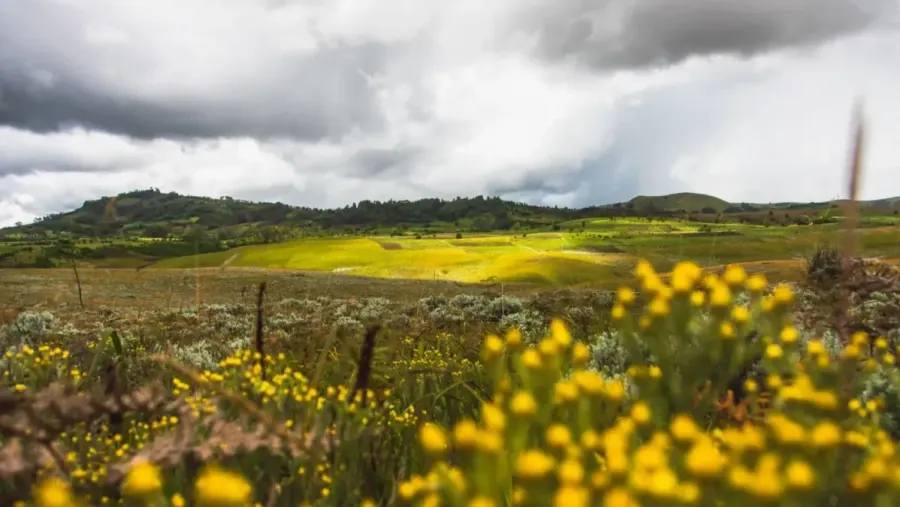
3-Day Kitulo National Park Adventure from Dar es Salaam
Enjoy a peaceful sunrise walk, explore the park's valleys, and capture breathtaking views on a 3-day adventure from Dar es Salaam to Kitulo National Park, known as the "Serengeti of Flowers"...

Experience the beauty of Kitulo National Park with Jaynevy Tours. Discover wildflowers, birdwatching, hiking, and local culture. Book your tour today!
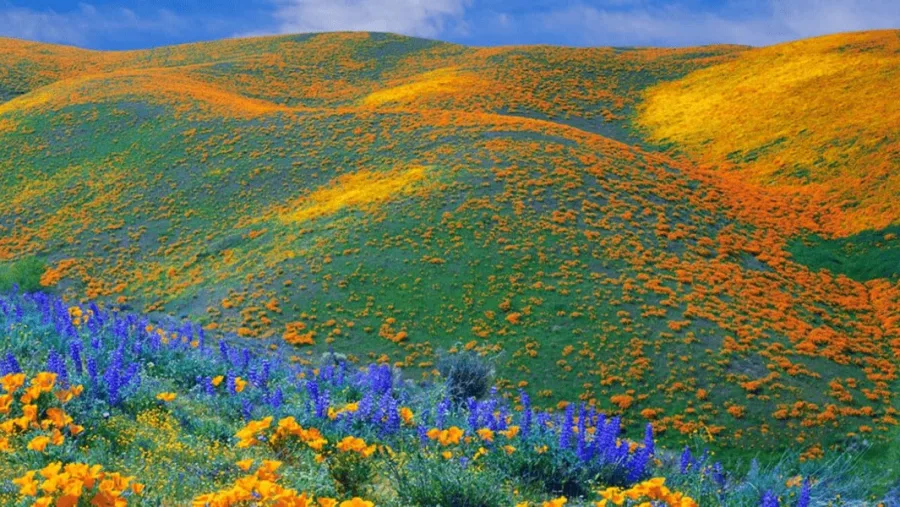
Kitulo National Park is an extraordinary destination for nature lovers. Unlike lowland savannah parks, Kitulo boasts montane grasslands, rolling hills, and expansive flower-covered meadows, offering a visual spectacle especially during the flowering season (December–March).
At Jaynevy Tours, we understand that every traveler has different goals, schedules, and interests. That’s why we offer flexible Kitulo National Park tour packages—from short day trips to multi-day explorations, each carefully curated to ensure you experience the best of this alpine paradise.
Whether you want a quick excursion to admire the flowers or a multi-day adventure combining Kitulo with other southern Tanzania attractions, we have a package tailored for you.
Enjoy a peaceful sunrise walk, explore the park's valleys, and capture breathtaking views on a 3-day adventure from Dar es Salaam to Kitulo National Park, known as the "Serengeti of Flowers"...
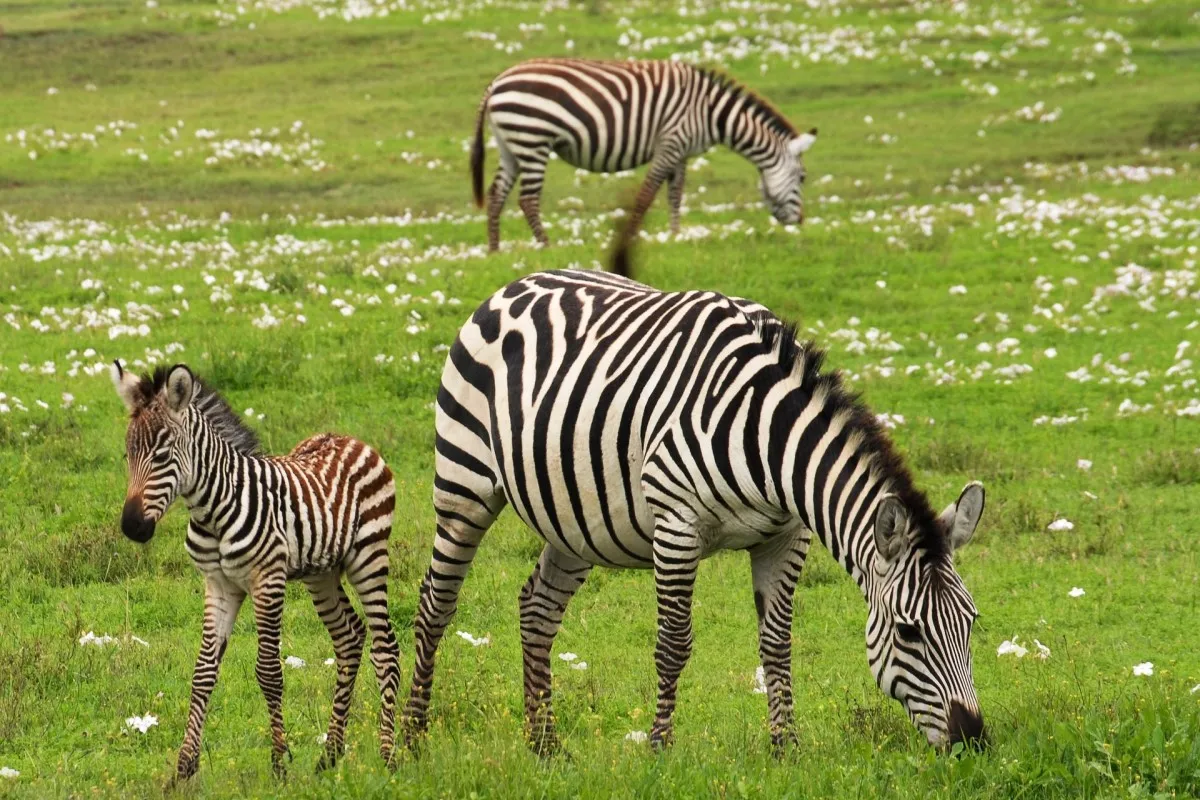
Experience guided game drives, scenic walks, and stunning sunset views on a 2-day journey to the breathtaking Kitulo National Park, renowned for its vibrant wildflowers and diverse landscapes...
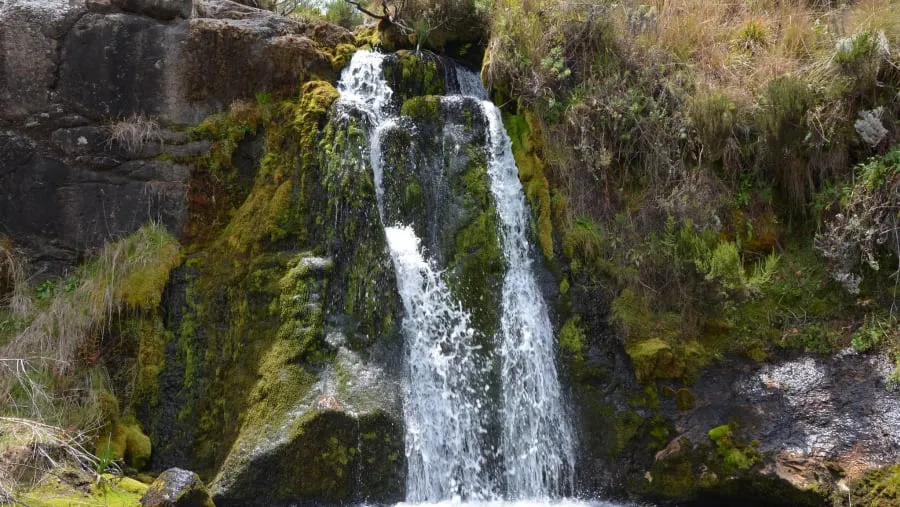
Discover a breathtaking alpine plateau filled with rare orchids and wildflowers, enjoy guided hikes to scenic ridges and waterfalls on a 4-day journey through Kitulo National Park, known as the "Serengeti of Flowers"...
If you’re seeking an off-the-beaten-path destination in Tanzania that combines breathtaking alpine landscapes, rare wildlife, and a serene atmosphere, Kitulo National Park should be at the top of your list. Known as the “Garden of God,” Kitulo National Park offers a unique escape from the more crowded parks like Serengeti and Ngorongoro.
Jaynevy Tours brings you the best Kitulo National Park tours, carefully designed for travelers who want to experience both adventure and tranquility. Whether you’re a passionate hiker, a birdwatcher, a photographer chasing wildflower blooms, or simply someone seeking a memorable nature escape, Kitulo delivers it all.
Unlike conventional safaris, Kitulo is renowned for its alpine meadows, endemic flora, and seasonal blooms, making every visit an immersive sensory experience. Our curated tours ensure you see the highlights while enjoying comfort, expert guidance, and authentic Tanzanian culture.
In this guide, you’ll discover everything you need to plan your visit: location, tour options, activities, pricing, best time to visit, itineraries, and expert tips from Jaynevy Tours.
Nestled in the southern highlands of Tanzania, Kitulo National Park is an extraordinary destination for nature lovers. Unlike lowland savannah parks, Kitulo boasts montane grasslands, rolling hills, and expansive flower-covered meadows, offering a visual spectacle especially during the flowering season (December–March).
Key highlights:
With fewer crowds than Tanzania’s major safari parks, Kitulo is ideal for travelers seeking tranquility, photography, and unique natural experiences.
Many travelers wonder, “Where is Kitulo National Park located?” Here’s a practical breakdown:
| Location Detail | Information |
|---|---|
| Country | Tanzania |
| Region | Southern Highlands |
| Nearest Towns | Mbeya (~60 km), Njombe (~70 km) |
| Altitude | 2,200–2,600 meters above sea level |
Travel context:
Quick tip: Visitors often combine Kitulo with nearby attractions such as Poroto Mountains, Livingstone Forest, or Ruaha National Park for multi-destination tours.
Getting to Kitulo is straightforward but requires some planning:
Pro Tip: Hiring a knowledgeable local guide ensures a smooth journey, enriches your experience with local knowledge, and helps you navigate trails efficiently.
Choosing the right tour can transform a simple visit into a memorable adventure. Kitulo National Park is not just another safari destination—it’s a unique alpine paradise in Tanzania that offers experiences unavailable anywhere else. Here’s why travelers consistently select Kitulo tours with Jaynevy Tours.
Kitulo National Park is famously called the “Garden of God”, and for good reason. Its alpine meadows and montane grasslands are home to hundreds of plant species, including over 85 species of orchids—many endemic to the region.
| Feature | Details |
|---|---|
| Total Plant Species | 350+ |
| Orchid Species | 85+ endemic species |
| Bird Species | 100+ (including endemic highland birds) |
| Mammals | Bushbucks, baboons, and small antelopes |
| Seasonal Highlight | Flowering season: December–March |
This rich biodiversity makes Kitulo ideal for:
With Jaynevy Tours, you’ll have access to experienced guides who explain the flora and fauna in depth, ensuring you understand what makes Kitulo so extraordinary.
Unlike Tanzania’s famous lowland safari parks, Kitulo offers high-altitude landscapes that are cool, refreshing, and visually breathtaking. Rolling hills, flower-strewn plains, and distant mountain peaks provide a perfect backdrop for:
The altitude ranges from 2,200 to 2,600 meters, offering crisp, clean air—a welcome contrast to the heat and dust of the savannah parks.
One of Kitulo’s biggest advantages is low visitor traffic. Unlike Serengeti or Ngorongoro, Kitulo provides:
This makes it perfect for travelers who prefer off-the-beaten-path adventures or are looking for Instagram-worthy experiences without throngs of tourists.
A Kitulo tour isn’t just about landscapes—it’s also about connecting with local communities. Visiting nearby villages, you can experience:
Jaynevy Tours ensures these cultural experiences are respectful, informative, and rewarding, providing a deeper understanding of the region.
Every traveler has different priorities—some want a half-day adventure, others a full immersive experience. Kitulo tours can be tailored for:
This flexibility ensures your schedule and interests are fully accommodated.
Kitulo is a dream destination for:
With Jaynevy Tours, guides can recommend the best times and locations for photography, ensuring you capture Kitulo’s beauty at its peak.
Sustainability is a core principle for Jaynevy Tours:
By booking with us, you’re not only having a world-class experience but also contributing to the protection of Tanzania’s alpine biodiversity.
| Feature | Kitulo National Park | Serengeti / Ngorongoro |
|---|---|---|
| Visitor Traffic | Low | High |
| Flora Diversity | 350+ plant species | Limited alpine flora |
| Altitude | 2,200–2,600 m | 1,000–2,000 m |
| Wildlife | Small mammals, birds | Big 5 & large herds |
| Cultural Experience | High (local villages) | Medium |
| Best Season | Dec–Mar (flowers) | Jun–Oct (dry season) |
This table makes it clear: Kitulo is perfect for travelers seeking unique landscapes, flowers, and quiet adventure, while the other parks are more classic safari destinations.
Visiting Kitulo National Park with Jaynevy Tours is more than just a sightseeing trip—it’s a full immersive experience that blends nature, culture, and adventure. Whether you’re on a short day tour or a multi-day excursion, Kitulo offers scenic trails, rare flora, birdwatching, and local cultural encounters.
Here’s what you can expect on a well-planned tour:
The park features a variety of hiking routes, suitable for different fitness levels. Trails pass through:
Hike Overview:
| Trail Type | Distance | Duration | Highlights |
|---|---|---|---|
| Short Loop | 2 km | 30–45 min | Flower meadows, scenic viewpoints |
| Full Hike | 5–7 km | 2–3 hours | Orchids, alpine streams, highland vistas |
| Extended Hike | 10 km | 4–5 hours | Endemic flora, photography spots, panoramic views |
Tip: Even short hikes provide incredible photographic opportunities, especially during the flowering season (Dec–Mar).
Kitulo National Park is famous for its botanical richness. On every tour, visitors can expect to see:
Jaynevy Tours guides will point out endemic species and explain their ecological importance, making your visit both educational and visually stunning.
Kitulo is a birdwatcher’s dream, home to more than 100 bird species, including highland endemics and migratory birds. Highlights include:
Pro Tip: Bring binoculars and a camera with a zoom lens. Our guides know the best locations to spot rare species.
Although Kitulo is not a classic safari park, it still offers encounters with:
These sightings are perfect for nature photographers and wildlife enthusiasts seeking something different from standard Tanzanian safari experiences.
A key part of every Kitulo National Park tour is engaging with local communities:
These cultural stops allow travelers to connect meaningfully with locals while supporting sustainable tourism.
Kitulo is an Instagram-worthy destination. Expect:
Tip: Jaynevy Tours ensures your itinerary allows optimal photo opportunities at the right time of day.
Many tours combine Kitulo with nearby hot springs such as Kikuletwa Hot Springs. These natural pools provide:
Planning your Kitulo adventure is easier when you know the costs upfront. At Jaynevy Tours, we aim for transparent pricing to help you budget effectively while ensuring you receive a high-quality, memorable experience.
The total cost of a tour depends on:
| Package Type | Group Size | Approx. Price (USD) |
|---|---|---|
| 1-Day Tour | 1–4 travelers | 120–150 |
| 1-Day Tour | 5–8 travelers | 90–120 per person |
| 2-Day Tour | 1–4 travelers | 250–300 |
| 2–3 Day Tour | 5–8 travelers | 200–250 per person |
| Combined Tour | 1–4 travelers | 450–600 |
Booking with Jaynevy Tours ensures a hassle-free experience. Typical inclusions:
To ensure clarity, here’s what you may need to budget separately:
Timing your visit to Kitulo National Park can dramatically enhance your experience. From breathtaking flower blooms to clear skies for photography, knowing the best season ensures you make the most of your adventure with Jaynevy Tours.
Kitulo is renowned for its alpine meadows and wildflower carpets. The park’s highlight is the flowering season, which occurs mainly between December and March. During this period:
This is the most popular season for botany enthusiasts, photographers, and nature lovers. Booking early ensures access to the best guides and accommodations.
The dry season, typically June to October, is excellent for:
While wildflower blooms are limited compared to peak season, the tranquil landscapes and cool alpine air make it ideal for hikers and off-the-beaten-path travelers.
The wet season (March–May) brings:
Some trails may be slippery or partially inaccessible, so it’s best to book a guided tour with Jaynevy Tours to ensure safety and full access.
Book your Visit to Kitulo National Park Tour in Tanzania today! Contact us via email at jaynevytours@gmail.com or WhatsApp at +255 678 992 599.