
Why Tanzania for Birdwatching Safaris?
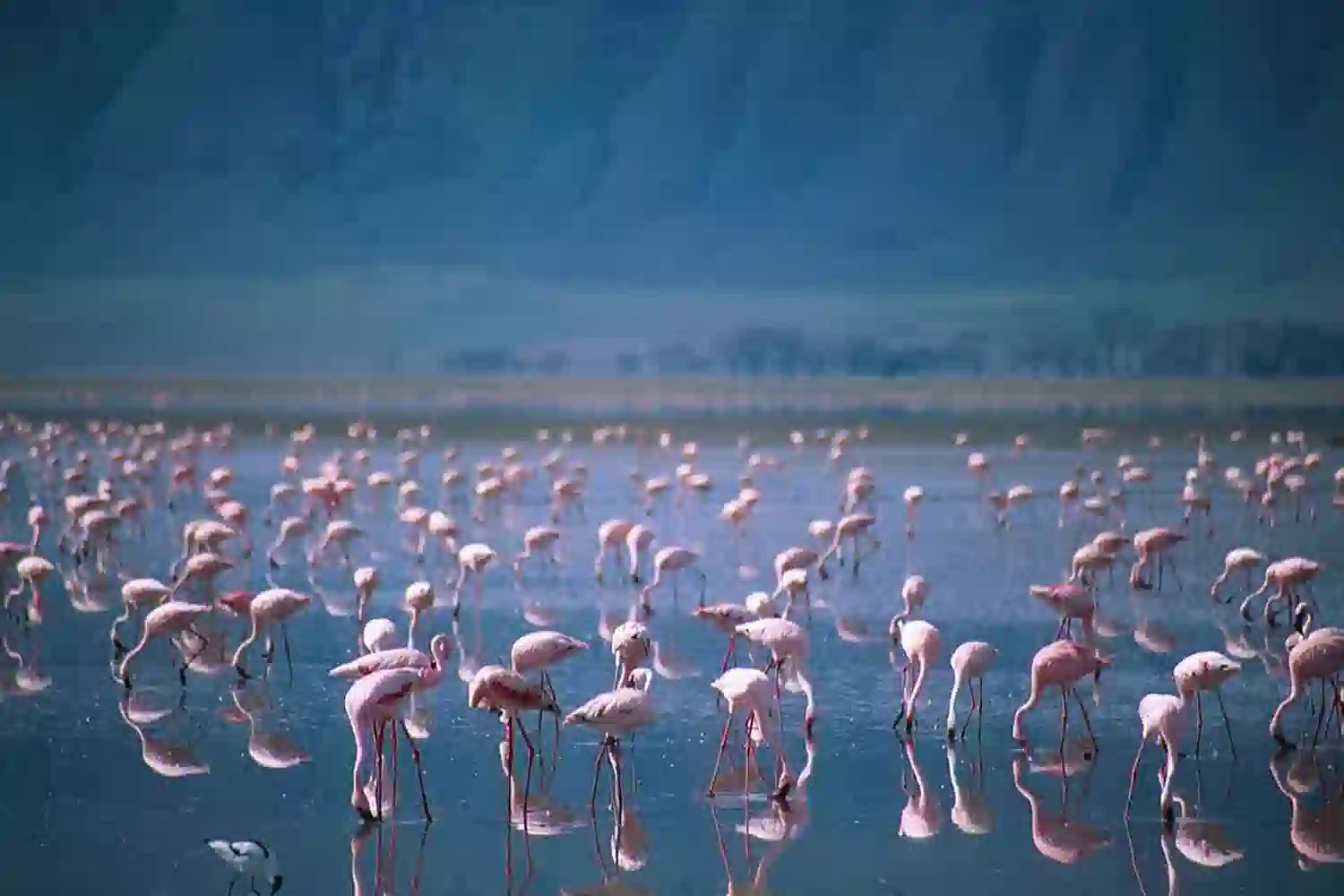
Tanzania is a birdwatcher’s paradise, hosting over 1,100 bird species, including 34 endemics and 200+ migratory species. Its diverse ecosystems—savannahs, wetlands, forests, and mountains—offer unparalleled birding opportunities. Qualitatively, the vibrant colors of lilac-breasted rollers and the spectacle of flamingo flocks captivate enthusiasts. Quantitatively, Tanzania’s 22 national parks cover 30% of its land, attracting 1.5 million tourists annually, with birdwatching tourism growing 10% yearly.
Top Birdwatching Destinations in Tanzania
Tanzania’s national parks and reserves offer 90%+ sighting success for diverse bird species during peak seasons. Here are the best spots:
Tarangire National Park
Spanning 2,850 km², Tarangire boasts 550+ bird species, including the endemic yellow-collared lovebird and ashy starling. Its baobab-dotted landscape and Tarangire River attract waterfowl like African fish eagles.
Serengeti National Park
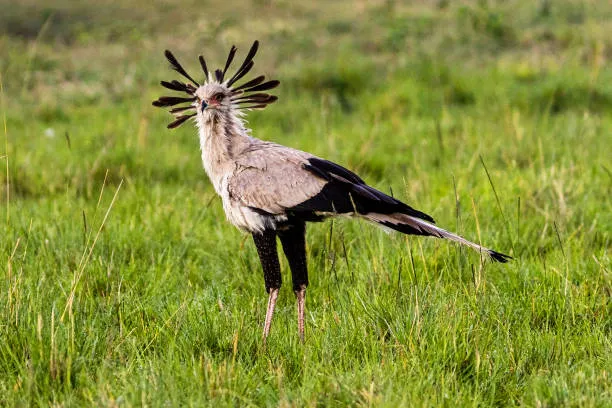
Covering 14,763 km², Serengeti is home to 500+ species, including Kori bustards and secretarybirds. The migration season (June-September) draws raptors like vultures following wildebeest herds.
Lake Manyara National Park
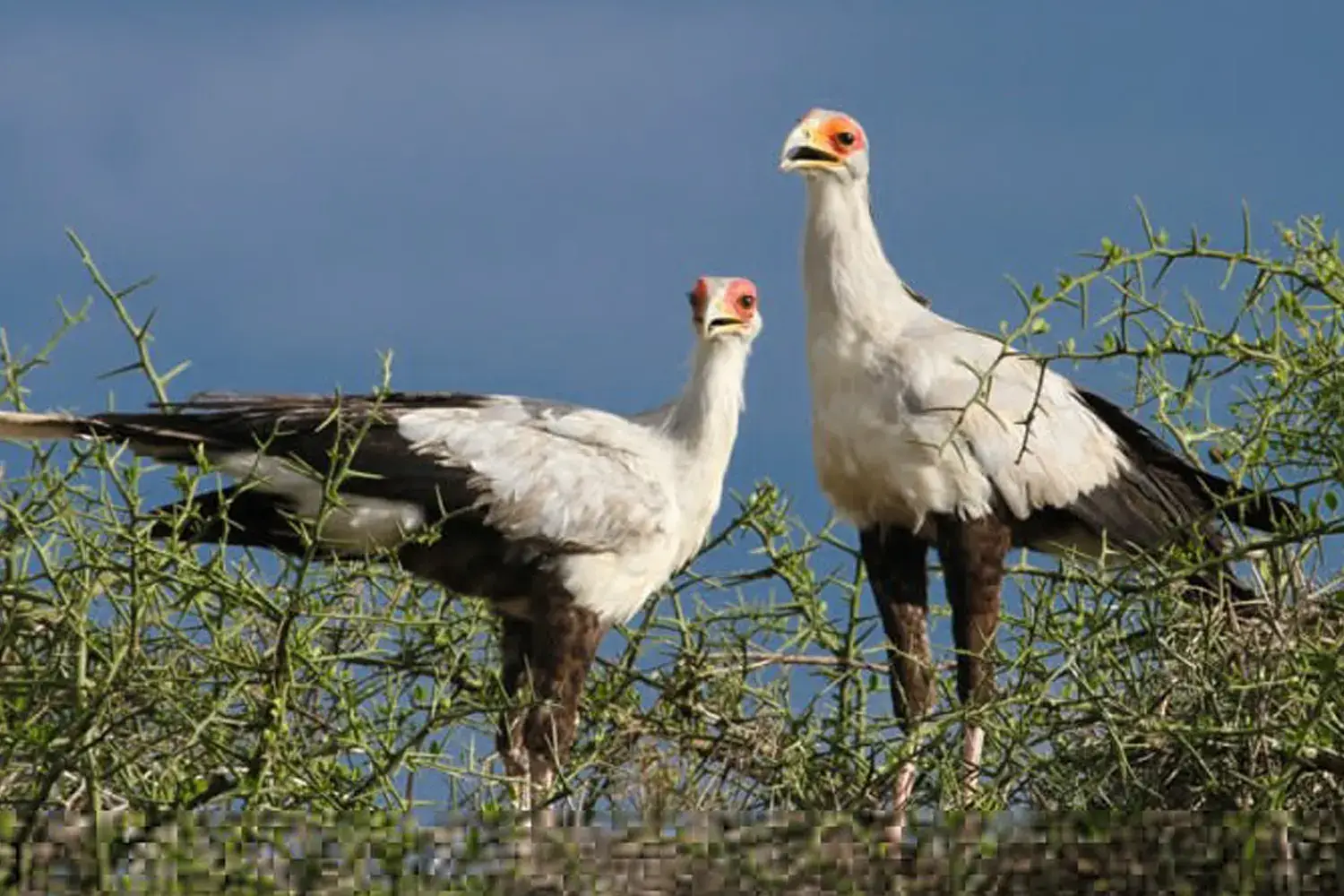
This 325 km² park is famous for 400+ species, including millions of flamingos and pelicans. Its alkaline lake and groundwater forests host hornbills and barbets.
Arusha National Park
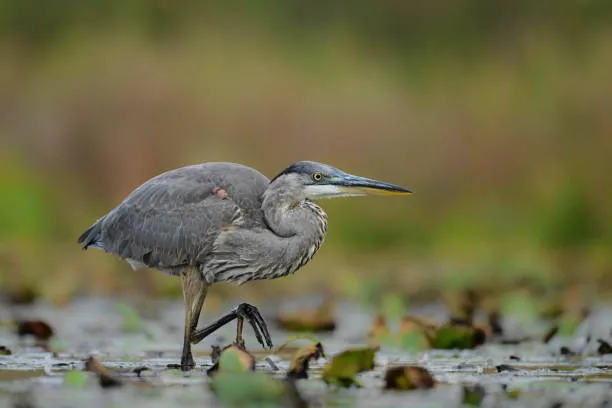
At 137 km², Arusha offers 400+ species, including the Hartlaub’s turaco and Narina trogon, in montane forests and wetlands near Mount Meru.
Ruaha National Park
Tanzania’s largest park (20,226 km²) hosts 570+ species, including the endemic Ruaha red-billed hornbill and Eleonora’s falcon, ideal for remote birding.
Key Bird Species to Spot
- Flamingos: Millions congregate at Lake Manyara and Natron, creating pink spectacles.
- Lilac-breasted Roller: Vibrant colors make it a photographer’s favorite.
- Grey-crowned Crane: Tanzania’s 10,000+ cranes are a majestic sight in wetlands.
- Endemics: Usambara weaver, Pemba green pigeon, and Kilimanjaro white-eye, unique to Tanzania.
- Raptors: Martial eagles and bateleurs, with 60+ raptor species across parks.
Top Birdwatching Parks Table
| Park | Species | Highlight |
|---|---|---|
| Tarangire | 550+ | Lovebirds, starlings |
| Serengeti | 500+ | Bustards, vultures |
| Lake Manyara | 400+ | Flamingos, pelicans |
| Arusha | 400+ | Turacos, trogons |
| Ruaha | 570+ | Endemic hornbills |
Best Time for Birdwatching in 2026
The wet season (November-April) is prime, with 200+ migratory birds from Europe and Asia arriving. Breeding plumage is vibrant, and 80% of species are active. The dry season (June-October) offers clearer views but fewer migrants.
Birdwatching Safari Costs
Costs vary by accommodation and group size. Park fees ($60-$80/day) support conservation, protecting 1,100+ species.
| Level | Per Day (USD) | Inclusions |
|---|---|---|
| Budget | 200-350 | Camping, shared drives |
| Mid-range | 400-600 | Lodges, guides |
| Luxury | 600-1,200+ | Tented camps, experts |
Total for 7 days: Budget $1,800+, Mid-range $2,800+, Luxury $4,200+ per person.
Sample Itineraries
7-Day Birdwatching Safari
- Day 1: Arrive Arusha, relax.
- Day 2: Arusha National Park for turacos.
- Day 3: Lake Manyara for flamingos.
- Days 4-5: Tarangire for lovebirds.
- Days 6-7: Serengeti for raptors, return to Arusha.
14-Day Ultimate Birding Tour
- Days 1-7: As above, plus Ngorongoro for cranes.
- Days 8-10: Ruaha for endemics.
- Days 11-14: Zanzibar for coastal species like Pemba green pigeon.
Accommodation Options
Budget campsites, mid-range lodges like Tarangire Safari Lodge, or luxury tented camps like &Beyond Lake Manyara Tree Lodge. Birding-specific lodges offer hideouts and expert guides.
What to Expect on a Birdwatching Safari
Qualitative: The thrill of spotting a rare Usambara weaver or the awe of flamingo flocks. Quantitative: 1,100+ species, with 50-100 spotted daily on guided tours.
Other Wildlife to See
Combine birding with Big Five sightings—lions (3,000 in Serengeti), elephants (5,000 in Tarangire), and rhinos in Ngorongoro.
Conservation and Birdwatching
Tourism funds 25% of park budgets, supporting habitat preservation for 34 endemic species and anti-poaching efforts.
Essential Birdwatching Equipment
- Binoculars (8x42 or 10x42)
- Field guide (e.g., “Birds of East Africa ”)
- Camera with 300mm+ zoom lens
- Notebook for species logging
- Neutral clothing, hat, sunscreen
Health and Safety Tips
Yellow fever vaccination required. Malaria prophylaxis recommended. Follow guides and avoid dense vegetation alone.
How to Book Your Safari
Contact Jaynevy Tours for tailored birding packages. Visas: $50 online. Flights to Kilimanjaro (JRO) or Dar es Salaam (DAR).
Enhance Your Birdwatching Experience
Add hot air balloon rides ($500-$600) for aerial views of flocks or Maasai village visits for cultural insights.
Explore Tanzania with Jaynevy Tours
From birdwatching safaris to Kilimanjaro climbs and Zanzibar beaches, Jaynevy Tours offers expert-guided adventures. Book your 2026 birding tour now!
Frequently Asked Questions
Why is Tanzania ideal for birdwatching safaris?
Tanzania hosts over 1,100 bird species, including 34 endemics, across diverse habitats like savannahs, wetlands, and forests.
What is the best time for birdwatching in Tanzania in 2026?
November to April, during the wet season, attracts migratory birds and offers vibrant breeding plumage.
Which national parks are best for birdwatching safaris?
Tarangire, Serengeti, Arusha, Lake Manyara, and Ruaha National Parks are top birding destinations.
How much does a birdwatching safari in Tanzania cost?
Costs range from $200-$350 per day for budget tours to $600-$1,200+ for luxury, depending on duration and accommodation.
What equipment is essential for a birdwatching safari?
Binoculars, a field guide, camera with zoom lens, neutral clothing, and a notebook are key for birding.
Are birdwatching safaris in Tanzania safe?
Yes, with experienced guides and proper precautions like malaria prophylaxis, birdwatching safaris are safe.
What are some iconic bird species to see in Tanzania?
Flamingos, lilac-breasted rollers, grey-crowned cranes, and endemic species like the Usambara weaver.
Can I combine birdwatching with other safari activities?
Yes, combine with Big Five safaris, cultural visits, or Zanzibar beach extensions for a diverse experience.
How long should a birdwatching safari itinerary be?
A 7-14 day itinerary covers multiple parks and maximizes bird species sightings.
How does birdwatching tourism support conservation?
Park fees and eco-tourism fund habitat preservation and anti-poaching, protecting Tanzania’s 1,100+ bird species.