
How is Tanzania Coffee – Complete Guide 2026
Tanzania is renowned for producing high-quality coffee, making it an important crop for the country’s economy. Understanding how is Tanzania coffee helps travelers, investors, and coffee enthusiasts appreciate its unique flavors, cultivation methods, and export value. This guide covers the types of Tanzanian coffee, production regions, processing methods, and tips for enjoying it.
1. History of Coffee in Tanzania
Coffee was introduced to Tanzania in the 19th century by Arab traders along the coast. Over time, it spread to the highland regions, where favorable climate and fertile soil allowed large-scale cultivation. Coffee quickly became a major export crop, contributing significantly to Tanzania’s economy.
2. Types of Coffee in Tanzania
Tanzania produces two main types of coffee:
- Arabica Coffee: Grown in highland regions like Kilimanjaro, Arusha, and Mbeya. Known for its mild flavor, bright acidity, and aromatic profile.
- Robusta Coffee: Cultivated in lower-altitude areas such as the southern regions. Known for its stronger, bold flavor and higher caffeine content.
3. Coffee Growing Regions
Key coffee-growing regions in Tanzania include:
- Kilimanjaro Region: Famous for premium Arabica beans with floral and citrus notes.
- Mbeya Region: Produces rich and full-bodied Arabica coffee.
- Arusha Region: Known for specialty coffee farms with unique flavors.
- Southern Highlands: Major Robusta coffee production area.
4. Coffee Cultivation and Harvesting
Tanzanian coffee is grown under favorable tropical conditions with rich volcanic soil. Farmers follow traditional cultivation methods:
- Planting in shaded areas to preserve flavor and aroma.
- Regular pruning and care to ensure healthy plants.
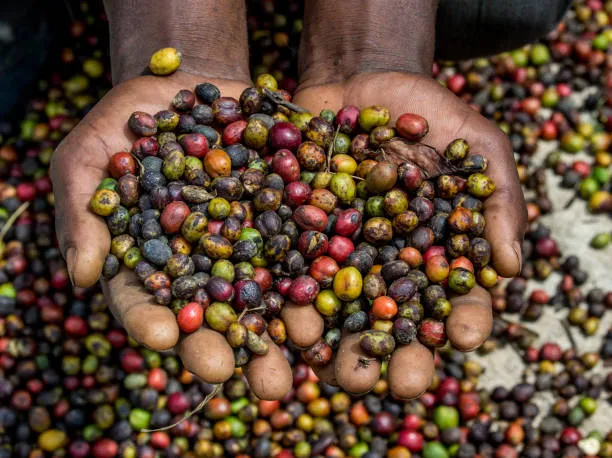
- Hand-picking ripe coffee cherries to maintain quality.
- Sorting and grading beans before processing.
5. Coffee Processing Methods
Tanzania coffee is processed using two main methods:
- Washed (Wet) Process: Common for Arabica beans, involving fermentation and washing for clean, bright flavors.
- Natural (Dry) Process: Common for Robusta beans, where cherries are sun-dried to enhance body and richness.
6. Tanzanian Coffee Flavor Profile
Tanzanian coffee is known for its distinct taste:
- Bright acidity with floral and citrus notes for Arabica.
- Full-bodied, strong, and earthy flavors for Robusta.
- Complex aroma and smooth finish, making it popular in international markets.
7. Coffee Exports and Economy
Coffee is a major export commodity in Tanzania, contributing to both local livelihoods and national revenue. Tanzania exports coffee to countries including the USA, Germany, Japan, and other international markets. Specialty coffee from regions like Kilimanjaro and Mbeya has a growing demand for premium quality.
8. Tips for Enjoying Tanzanian Coffee
- Buy coffee beans directly from Tanzanian farms for authentic flavor.
- Use freshly ground beans to preserve aroma and taste.
- Try specialty brews such as Kilimanjaro AA or Peaberry coffee for premium experience.
- Pair with local Tanzanian treats for a unique cultural experience.
9. Summary – How is Tanzania Coffee
Tanzanian coffee is celebrated for its rich flavors, unique aromas, and quality cultivation. Knowing how is Tanzania coffee grown, processed, and enjoyed allows enthusiasts, travelers, and investors to appreciate its global reputation. With its diverse regions, Arabica and Robusta varieties, and careful production methods, Tanzania remains a top coffee producer in Africa.
For more guides on Tanzanian coffee, culture, and travel experiences, visit www.jaynevytours.com.