
How Many Tribes Are There in Tanzania – Complete 2026 Guide
Tanzania is one of Africa’s most culturally diverse countries. Understanding how many tribes are in Tanzania helps travelers, students, and researchers appreciate the rich heritage of this nation. This guide explores the number of tribes, major ethnic groups, languages, and cultural highlights in 2026.
1. Overview of Tanzania’s Ethnic Diversity
Tanzania is home to more than 120 ethnic tribes, each with its own unique traditions, languages, and customs. The diversity stems from centuries of migration, trade, and historical kingdoms. The major ethnic groups are concentrated in different regions, while smaller tribes are often found in rural and remote areas.
2. Largest Tribes in Tanzania
Some of the largest and most well-known tribes in Tanzania include:
- Chaga: Found in the Kilimanjaro region; known for agriculture and coffee farming.
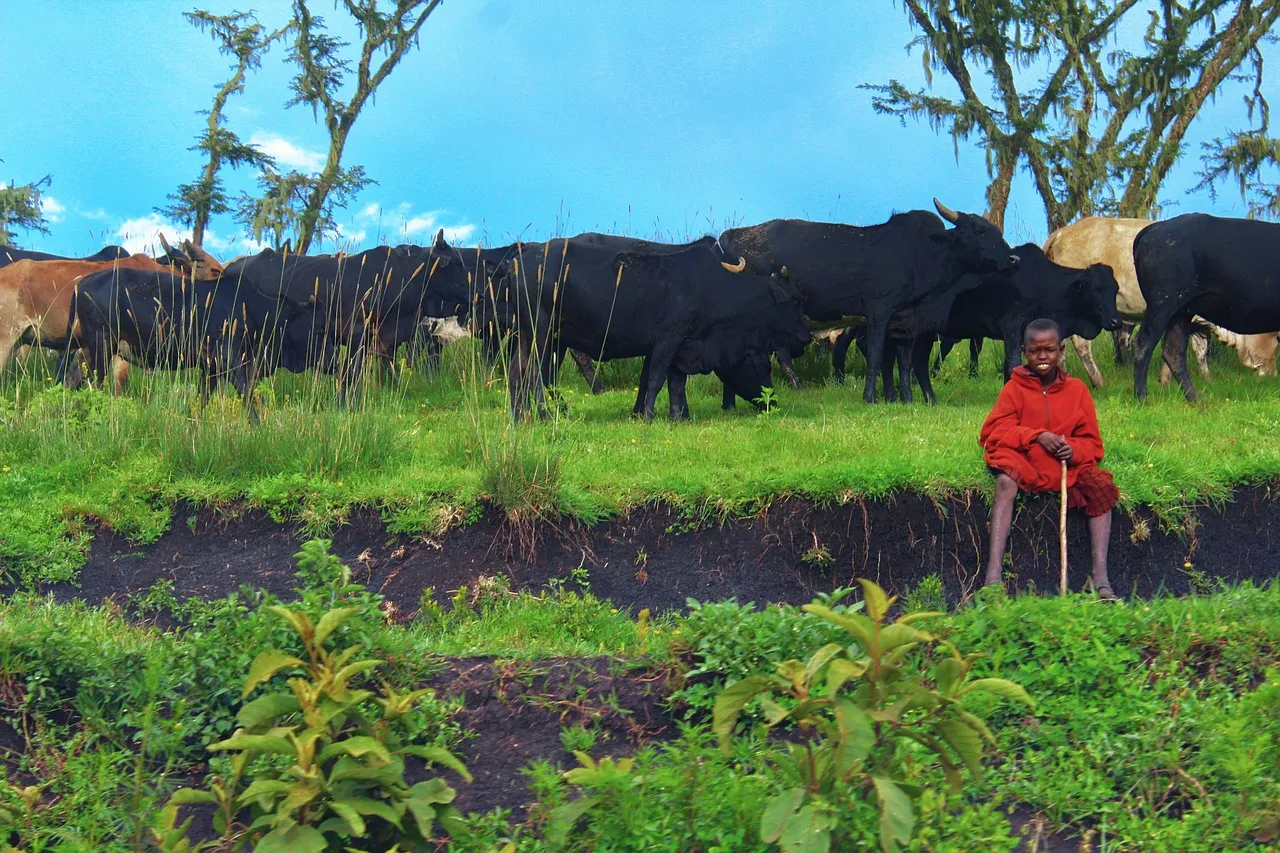
- Maasai: Nomadic pastoralists living in northern Tanzania; famous for their culture and attire.
- Sukuma: The largest tribe in Tanzania, mainly in the Mwanza and Shinyanga regions.
- Haya: Concentrated around the Kagera region; known for traditional music and farming techniques.
- Nyamwezi: Found in the Tabora region; involved in farming and trading.
- Hehe: Located in Iringa; known historically for their resistance to colonial forces.
3. Minority and Indigenous Tribes
Besides the major tribes, Tanzania has numerous minority and indigenous groups, including:
- Hadza – Hunter-gatherers of central Tanzania.
- Datoga – Semi-nomadic pastoralists in the north.
- Gogo – Central Tanzania, skilled in traditional pottery.
- Ngoni – Found in southern Tanzania; known for dances and cultural festivals.
- Nyaturu – Farming communities in Dodoma region.
4. Languages Spoken in Tanzania
Each tribe often has its own language or dialect. Swahili (Kiswahili) serves as the national language, facilitating communication between different ethnic groups. English is widely used in education, business, and official government communication.
5. Cultural Highlights of Tanzanian Tribes
- Traditional dances, music, and ceremonies unique to each tribe.
- Distinctive clothing and jewelry, such as Maasai beadwork and Chaga woven attire.
- Traditional food practices and farming techniques passed down generations.
- Community-based governance and social structures in rural areas.
- Participation in festivals and cultural heritage events across Tanzania.
6. Why Understanding Tribes in Tanzania is Important
- Enhances cultural appreciation and respect when traveling or living in Tanzania.
- Helps researchers and students studying African history and anthropology.
- Supports effective communication in multi-ethnic communities.
- Promotes tourism by encouraging visits to cultural villages and experiences.
7. Summary – How Many Tribes Are There in Tanzania
Tanzania has over 120 tribes, with the Sukuma, Chaga, Maasai, Haya, and Nyamwezi being the largest. Each tribe contributes to the rich cultural tapestry of the country through language, customs, traditional practices, and social organization. Learning about Tanzanian tribes enhances travel experiences, fosters cultural understanding, and celebrates Africa’s diversity.
For more information on Tanzanian culture, tribes, and travel tips, visit www.jaynevytours.com.