
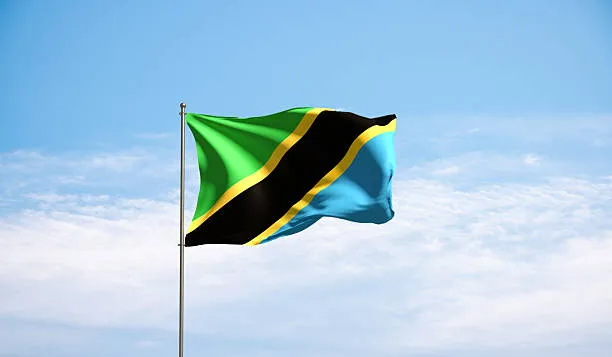
How Tanzania Government Works – Complete Guide 2026
Understanding how Tanzania government operates is essential for citizens, students, and travelers interested in the country’s political structure. This guide explains the organization of Tanzania’s government, its key institutions, leadership, and how decisions are made.
1. Overview of Tanzania Government
Tanzania is a unitary presidential democratic republic. The government is based on the Constitution of Tanzania and is divided into three main branches: the Executive, the Legislature, and the Judiciary.
2. The Executive Branch
The Executive is responsible for implementing laws and running day-to-day government operations:
- President: Head of state, head of government, and Commander-in-Chief of the Defense Forces.
- Vice President: Assists the President and acts as deputy leader.
- Prime Minister: Coordinates government ministries and oversees the Cabinet.
- Ministries and Agencies: Execute policies and provide public services.
3. The Legislative Branch
Tanzania’s legislature is called the National Assembly or Bunge:
- Responsible for making laws and approving the national budget.
- Composed of elected members, presidential appointees, and representatives from Zanzibar.
- Plays a key role in overseeing government activities and ensuring accountability.
4. The Judiciary
The Judiciary interprets laws and ensures justice:
- Independent from the Executive and Legislature.
- Includes the Court of Appeal, High Courts, District Courts, and Primary Courts.
- Ensures laws are applied fairly and protects citizens’ rights.
5. Local Government Structure
Tanzania has a decentralized system with regional and local governments:
- Regions are headed by Regional Commissioners appointed by the President.
- District Councils and Municipalities handle local services like education, health, and infrastructure.
- Local government authorities are responsible for community development and citizen participation.
6. Political System and Elections
- Tanzania is a multi-party state, with elections held every five years for the President, Parliament, and local councils.
- The President is elected directly by citizens and can serve up to two five-year terms.
- Parliamentary elections determine members who represent constituencies across the country.
- Political parties participate actively in governance and policy-making.
7. Zanzibar and Semi-Autonomous Government
Zanzibar, part of Tanzania, has its own government and president:
- Zanzibar House of Representatives legislates on local matters.
- President of Zanzibar manages internal affairs, while the Union government handles foreign affairs, defense, and currency.
- This semi-autonomous system allows Zanzibar to maintain cultural and political identity.
8. Key Functions of Tanzania Government
- Formulating and implementing policies.
- Maintaining law and order.
- Providing public services including education, healthcare, and infrastructure.
- Managing the national economy and budget.
- Representing Tanzania in international affairs and diplomacy.
9. Tips for Understanding Tanzania Government
- Refer to the official government portal: www.tanzania.go.tz.
- Stay updated with parliamentary sessions and presidential announcements.
- Participate in local governance initiatives and elections.
- Follow reliable news sources for government policies and programs.
10. Summary – How Tanzania Government Works
In summary, Tanzania government is a democratic republic with Executive, Legislative, and Judicial branches. It functions at national and local levels, including the semi-autonomous Zanzibar government. Understanding this structure helps citizens engage in governance and assists travelers or researchers in navigating the country’s political landscape.
For more guides on Tanzania government, politics, and travel information, visit www.jaynevytours.com.