
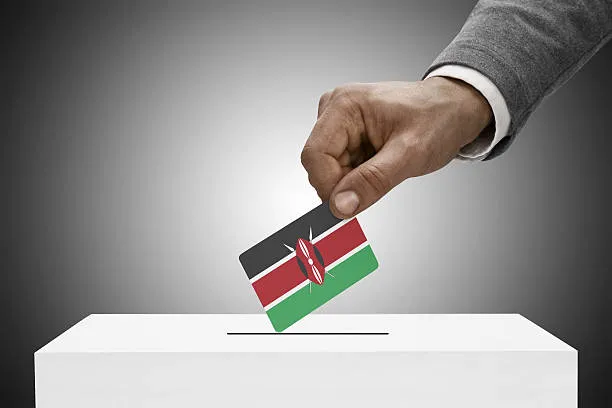
How to Be a President in Kenya – Complete Guide
Becoming the President of Kenya is the highest political achievement in the country. Knowing how to be a president in Kenya requires understanding the constitutional requirements, political process, elections, and leadership responsibilities. This guide provides a clear roadmap for aspiring leaders who wish to contest for the presidency legally and successfully.
1. Constitutional Requirements to Be President in Kenya
According to the Constitution of Kenya (2010), an aspiring president must meet the following requirements:
- Be a Kenyan citizen by birth.
- Be qualified to be elected as a Member of Parliament.
- Be nominated by a political party or run as an independent candidate.
- Be at least 35 years old.
- Hold a recognized university degree.
- Be a registered voter.
2. Educational and Leadership Qualifications
While the constitution requires a university degree, successful presidential candidates often have additional qualifications and leadership experience:
- Advanced degrees in law, political science, economics, or public administration.
- Proven track record in government, civil service, or community leadership.
- Experience in political leadership, activism, or business management.
3. Steps to Be a President in Kenya
Becoming the President involves a multi-step process regulated by the Independent Electoral and Boundaries Commission (IEBC).
- Meet Eligibility Requirements: Ensure you fulfill all constitutional and legal requirements.
- Join a Political Party or Run Independently: Nomination is usually through a registered political party.
- Get Nominated: Submit nomination forms to your party or the IEBC for independent candidacy.
- Campaign Nationwide: Promote your manifesto, meet citizens, and participate in debates and media outreach.
- Comply with Election Laws: Follow IEBC rules on campaign financing, advertising, and conduct.
- Participate in the General Election: Citizens vote, and the candidate with over 50% of total votes and at least 25% in 24 counties is declared the winner.
- Await IEBC Confirmation: The IEBC announces official results and validates the election process.
- Swearing-In Ceremony: Upon validation, the winner is sworn in as President of Kenya.
4. Campaign and Public Engagement
Successful presidential candidates engage citizens through transparent campaigns and clear policies.
- Develop a strong manifesto addressing national priorities.
- Use media, rallies, and community forums to reach voters.
- Promote unity and peace during campaigns.
- Respond to debates and public scrutiny professionally.
5. Key Skills Required to Be a President
The role of President demands leadership, vision, and ethical governance.
- Strong leadership and decision-making abilities.
- Effective communication and negotiation skills.
- Political strategy and diplomacy.
- Integrity, accountability, and public service orientation.
- Understanding of national and international law, economics, and development.
6. Common Challenges in Becoming a President in Kenya
- Highly competitive elections with multiple candidates.
- High campaign costs and fundraising requirements.
- Intense public scrutiny and media attention.
- Legal challenges and electoral disputes.
- Maintaining public trust and political alliances.
7. Tips to Increase Your Chances of Becoming President
- Build a strong political network and support base.
- Maintain a clean legal and ethical record.
- Engage in community service and leadership roles.
- Develop a clear, people-centered manifesto.
- Communicate effectively and maintain visibility in media and public events.
8. Term of Office and Responsibilities
The President of Kenya serves a five-year term and can be re-elected once. Responsibilities include:
- Upholding the Constitution of Kenya.
- Appointing government officials and managing the executive branch.
- Overseeing national security, foreign relations, and economic policies.
- Promoting peace, unity, and national development.
- Reporting to the citizens and parliament on government performance.
9. Salary and Benefits of the President of Kenya
The President receives a monthly salary, allowances, and benefits including official residence, security, travel, and retirement benefits as provided by law.
10. Summary – How to Be a President in Kenya
In summary, becoming the President in Kenya requires meeting constitutional requirements, gaining political experience, securing nomination, and winning the general election. The journey demands leadership skills, public engagement, ethical conduct, and dedication to national development.
- Meet the constitutional and educational requirements.
- Join a political party or run independently.
- Campaign effectively and follow IEBC election laws.
- Win the general election and participate in swearing-in.
- Lead Kenya with integrity, vision, and accountability.
For more guides on leadership, politics, and civic engagement in Kenya, visit www.jaynevytours.com.