
How to Dance in Tanzania – Complete Guide to Traditional and Modern Tanzanian Dance
Learning how to dance in Tanzania is one of the best ways to experience the country’s vibrant culture, rhythm, and community spirit. Tanzanian dance is deeply rooted in tradition, celebration, and storytelling. Whether you’re watching traditional tribal dances or enjoying modern Bongo Flava moves, this guide will help you understand and participate in Tanzanian dancing the right way.
1. Introduction – The Importance of Dance in Tanzania
In Tanzania, dance is more than just movement — it’s a language of culture and unity. Every region and tribe has its own unique dance style that reflects its history, beliefs, and lifestyle. From traditional village ceremonies to modern music videos, dancing brings people together across generations.
- Used in celebrations like weddings, harvests, and festivals.
- Accompanied by drumming, singing, and traditional instruments.
- Often performed in groups to symbolize community and togetherness.
2. Types of Tanzanian Dances You Should Know
Before learning how to dance in Tanzania, it’s important to know the major styles and where they come from:
- Ngoma: A general Swahili term for traditional dance and drum performances. Every tribe has its version of ngoma, used for celebrations and rituals.
- Chakacha: Originating from the coastal Swahili and Taarab culture, it’s a sensual dance performed by women with hip movements and colorful dresses.
- Gogo Dance: From the Dodoma region, this dance involves rhythmic stomping and body coordination, often done in circles with strong drum beats.
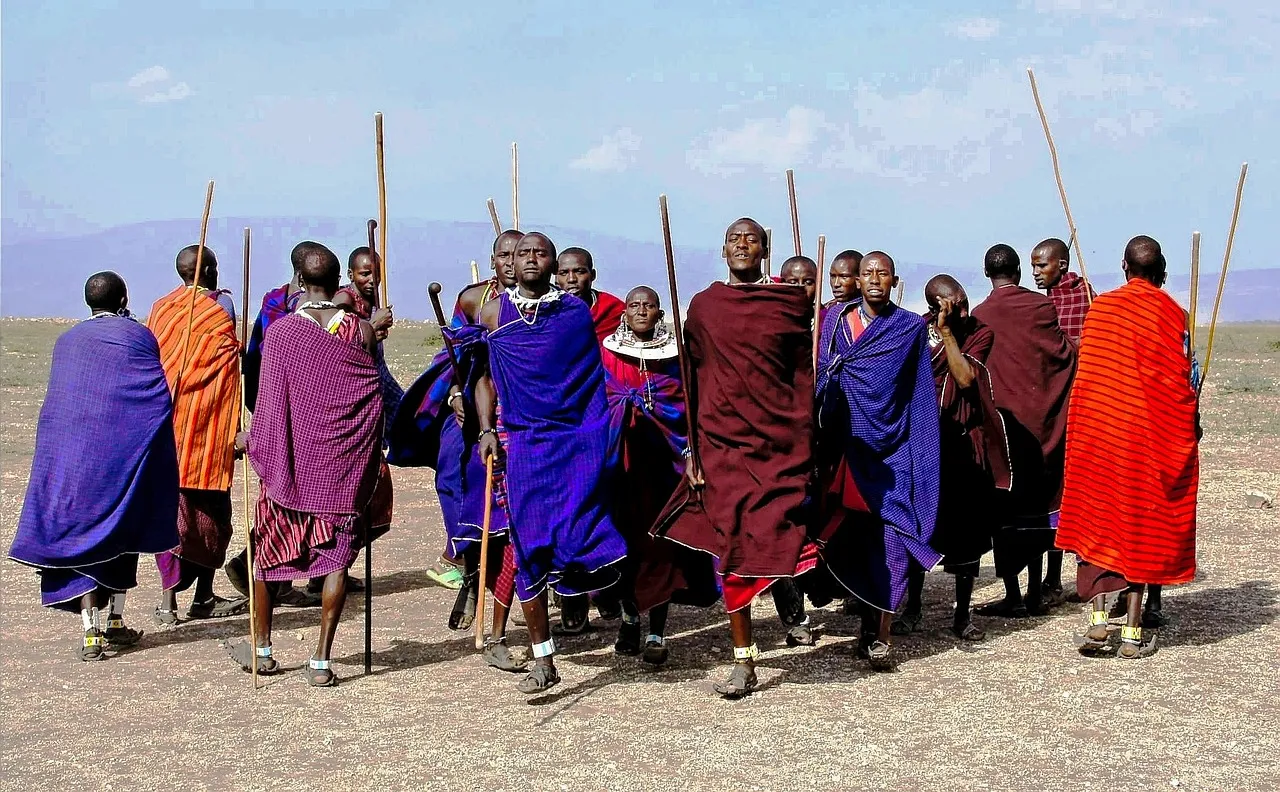
- Maasai Jump Dance (Adumu): A world-famous warrior dance performed by Maasai men to show strength and endurance, involving vertical jumps in rhythm.
- Makonde Dance: Known for artistic masks and body painting, the Makonde people from southern Tanzania perform expressive dances with storytelling themes.
- Bongo Flava Dance: A modern urban dance influenced by hip-hop and Afrobeat, popular among youth in cities like Dar es Salaam and Arusha.
3. How to Dance in Tanzania – Step-by-Step Tips
Whether you’re joining a traditional group or a modern party, here’s how to start dancing like a Tanzanian:
- Step 1: Feel the rhythm – Tanzanian dances rely heavily on drum beats and rhythm. Listen carefully and let the beat guide your movements.
- Step 2: Watch and learn – Observe locals or performers first. Most traditional dances are learned by watching and imitating others.
- Step 3: Start simple – Begin with small body movements: gentle swaying, stepping in rhythm, and clapping to the beat.
- Step 4: Add expression – Tanzanian dance involves emotion and facial expression. Smile, enjoy, and move confidently.
- Step 5: Join group formations – Many dances are done in circles or lines. Follow the group’s pattern and move with coordination.
- Step 6: Respect traditions – When dancing traditional styles, dress appropriately and follow local customs, especially in cultural villages or ceremonies.
4. Where to Learn Tanzanian Dance
You can learn how to dance in Tanzania at various cultural centers, festivals, or even local clubs. Here are some places to explore:
- Bagamoyo College of Arts (TaSUBa): Offers training in Tanzanian music and traditional dance.
- Makumbusho Village Museum, Dar es Salaam: Regularly hosts live traditional dance performances and workshops.
- Maasai Cultural Villages, Arusha: Tourists can join Maasai warriors in their famous Adumu dance.
- Zanzibar Cultural Festival: A perfect place to see coastal dances like Taarab and Chakacha performed live.
- Local Dance Clubs: Experience Bongo Flava, Afrobeat, and modern dance styles in urban nightlife scenes.
5. Traditional Tanzanian Instruments Used in Dance
Tanzanian dances are powered by rhythm and sound. Here are the key instruments used during performances:
- Ngoma Drums: The heartbeat of Tanzanian dance, made from wood and animal skin.
- Kayamba: A shaker made of reeds, filled with seeds or pebbles, producing soft rhythmic sounds.
- Zeze: A string instrument used in many Bantu-speaking regions of Tanzania.
- Marimba: A wooden xylophone often used in festive performances.
- Kudu Horns and Whistles: Used for signaling rhythm and marking dance transitions.
6. Cultural Etiquette When Dancing in Tanzania
Here are a few dos and don’ts when participating in Tanzanian dances:
- Do ask permission before joining a traditional dance group, especially in cultural or religious settings.
- Do participate respectfully — Tanzanians love when visitors join in with genuine enthusiasm.
- Don’t mock or imitate dancers — traditional performances are deeply cultural and should be respected.
- Do dress appropriately for the setting — traditional dances often require modest clothing.
- Don’t interrupt performances — wait for an invitation to join or a break in the music.
7. Modern Dance and Youth Culture in Tanzania
Tanzanian youth have embraced modern dance styles inspired by global music while keeping traditional roots alive. Popular moves often appear in Bongo Flava music videos, TikTok challenges, and dance competitions. Urban areas like Dar es Salaam host dance battles, festivals, and creative workshops that blend tradition with modernity.
8. Summary – How to Dance in Tanzania
In summary, knowing how to dance in Tanzania means connecting with rhythm, culture, and community. Whether it’s the Maasai’s powerful Adumu, the coastal Chakacha, or the city’s energetic Bongo Flava, every movement tells a story.
- Start with rhythm and confidence.
- Learn from locals and cultural groups.
- Respect traditions and enjoy every moment.
Dancing in Tanzania isn’t just about movement — it’s about joy, connection, and celebration. For more travel and cultural experiences, visit www.jaynevytours.com.