
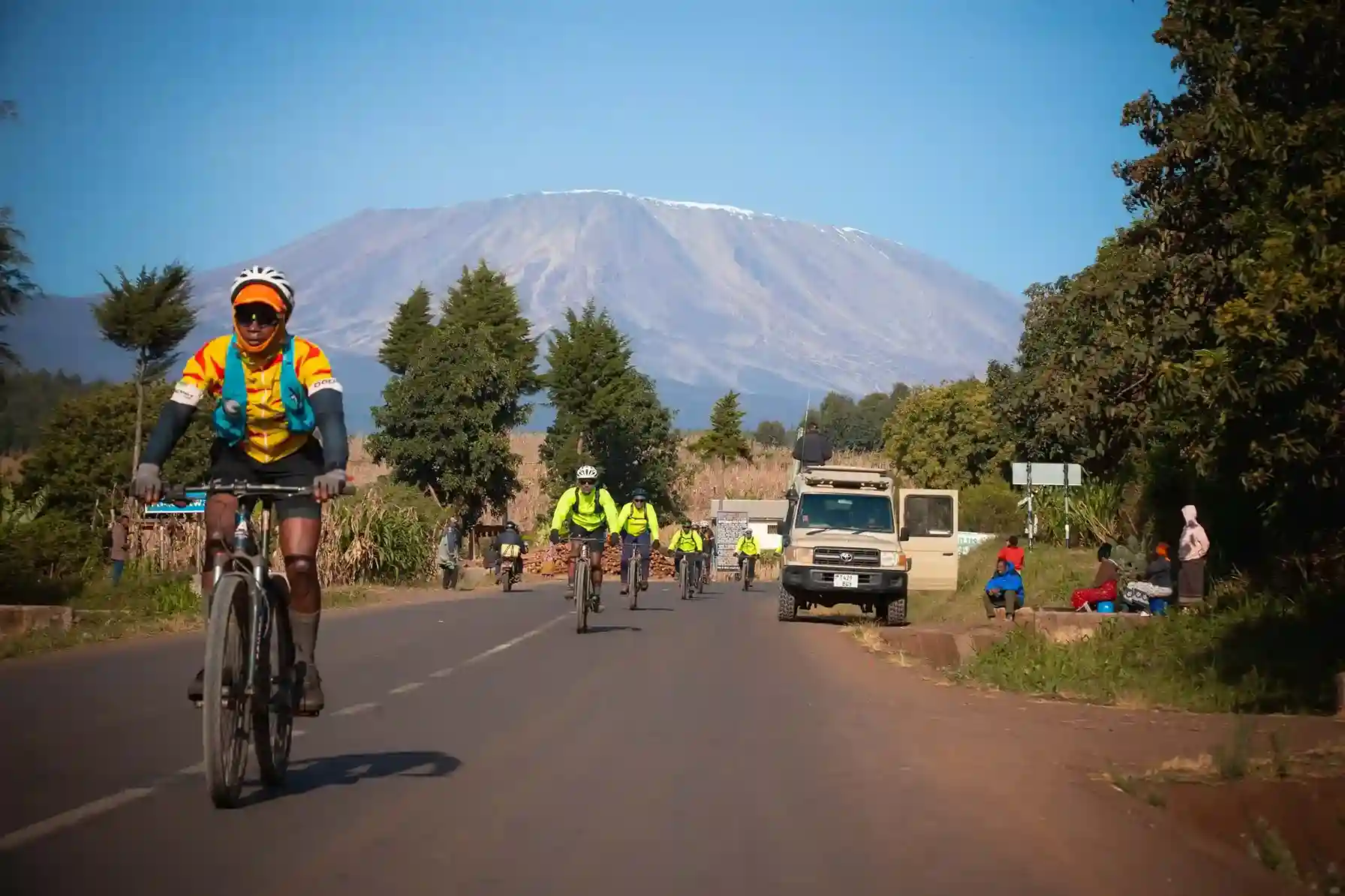
Kilimanjaro Forest Cycling Experience – What to Expect
When you embark on the Kilimanjaro Forest Cycling Experience, you’re signing up for a day full of adventure, discovery, and breathtaking scenery. The ride typically begins early in the morning, when the forest is quiet, and the fresh mountain air adds an invigorating touch to your journey.
The Ride Experience
Your adventure starts with a brief orientation, where your guide explains the route, safety tips, and how to handle your mountain bike. Once you’re ready, the trail unfolds:
- Forest Trails: Pedal through dense forests filled with native flora, where tall trees filter the sunlight and provide a serene, shaded ride.
- Coffee Plantations: Many routes pass through Chagga coffee farms, where you can stop to see traditional coffee processing and even sample freshly brewed local coffee.
- Rivers and Streams: Trails often cross small rivers and streams, offering natural refreshment stops and scenic photo opportunities.
- Wildlife Encounters: Keep your eyes open for birds, monkeys, and occasionally larger wildlife, all within their natural habitat.
Cycling here allows you to cover more ground than hiking, giving you a broader perspective of the Kilimanjaro ecosystem. With each turn, you’ll discover new vistas and hidden gems that you might otherwise miss.
Duration & Difficulty
- Half-Day Tour: 2–3 hours of riding, ideal for beginners or those with limited time.
- Full-Day Tour: 5–6 hours of exploration, recommended for intermediate or advanced riders who want a complete immersion in the forest trails.
The difficulty of the trails varies, from smooth paths suitable for all skill levels to more technical segments with slopes and uneven terrain. Guides are trained to adjust the pace to match each group member’s fitness and experience level.
Scenic Stops & Photography
One of the most rewarding parts of the tour is the opportunity to stop at scenic viewpoints for photos. From elevated ridges, you can capture:
- Panoramic views of Mount Kilimanjaro
- Lush green valleys
- Forested hills dotted with traditional Chagga villages
Guides often know the best times and angles for photography, ensuring you capture the most memorable shots.
Essential Tips and Preparation for Your Kilimanjaro Cycling Adventure
To make the most of your mountain bike tour, preparation is key. Here are some practical tips:
- Wear the Right Clothing
Layered clothing is ideal for varying temperatures. Early mornings can be cool, while midday may feel warm. Breathable fabrics keep you comfortable while cycling uphill. Neutral or earthy colors blend well with the forest environment. - Footwear and Gear
Closed-toe shoes with good grip are essential for control on uneven terrain. Gloves provide comfort and protect your hands. Helmets are mandatory and provided by the tour operator. - Fitness and Health
Basic fitness is recommended, especially for full-day rides. Riders should be able to pedal for several kilometers and stand on slopes. Stay hydrated; guides provide water and snacks during the ride. - Camera & Electronics
Bring a camera or smartphone to capture scenic views. Waterproof or protective cases are recommended, especially near rivers or waterfalls. - Mind the Trail Etiquette
Stay with the guide to ensure safety. Respect local communities and the environment. Take all trash with you and leave no trace. - Weather Considerations
Dry season (June–October) offers ideal cycling conditions. Rainy season trails can be muddy and more challenging, so check local conditions before your ride.
Practical Tips for First-Time Riders (Intro Hint for Next Part): Even before you start your ride, it’s helpful to know: Layered clothing works best in forest and mountain environments. Comfortable shoes with grip improve control on uneven trails. Hydration is essential; guides typically carry water and snacks.