Kilimanjaro Routes Accessible with Wheelchair
Climbing Mount Kilimanjaro is a dream for many adventurers, and thanks to modern adaptive equipment and dedicated support teams, it is increasingly possible for wheelchair users and people with mobility challenges to experience Africa's highest mountain. With specialized mountain wheelchairs, trained crews, and carefully chosen routes, disabled climbers can reach Uhuru Peak safely while creating unforgettable memories.
Kilimanjaro offers several routes with varying levels of accessibility. While no route is completely flat, some are more manageable with proper planning, adaptive technology, and a strong support team. Reaching the summit requires determination, excellent preparation, and the right operator who understands accessibility needs.
Is Kilimanjaro Accessible with a Wheelchair?
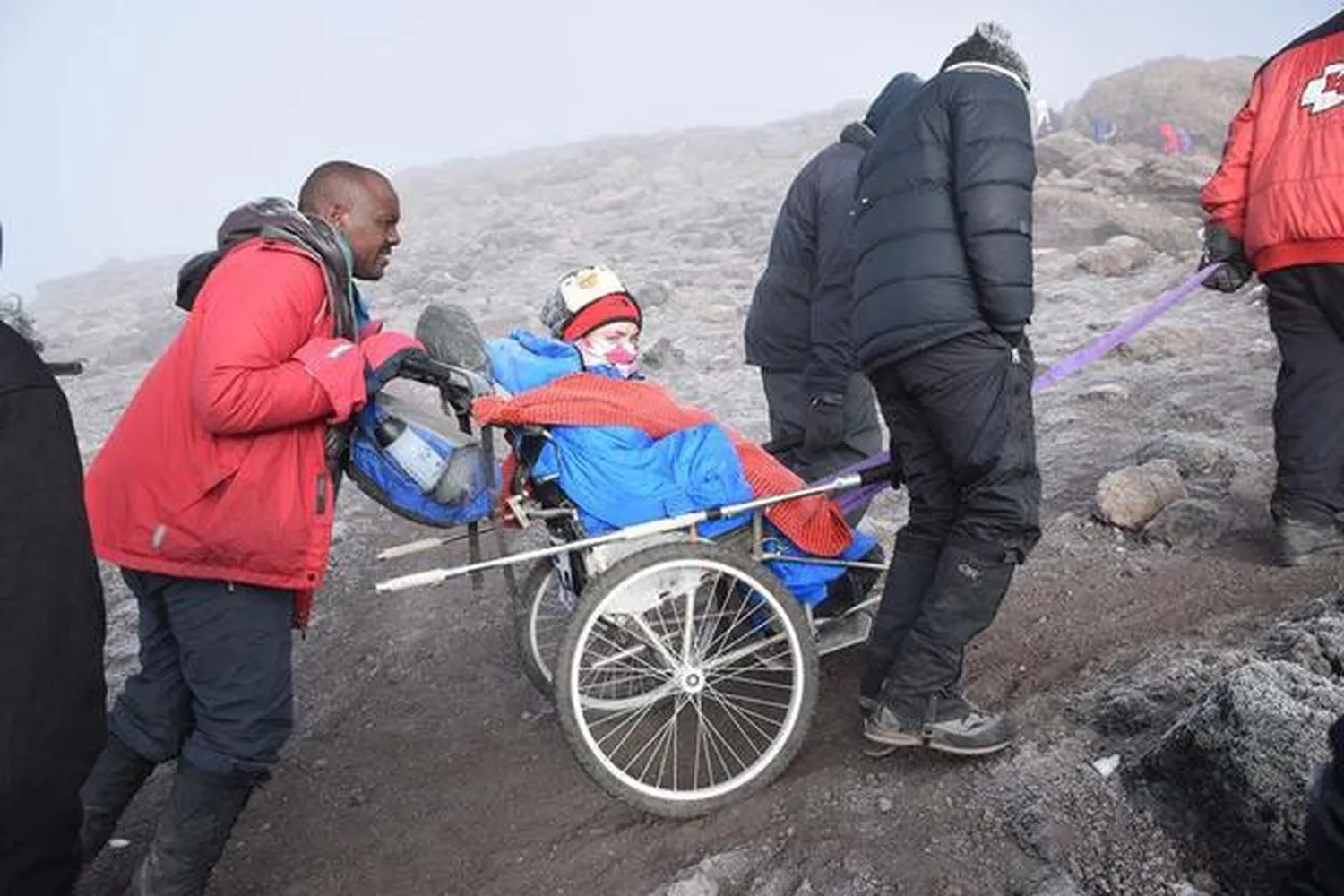
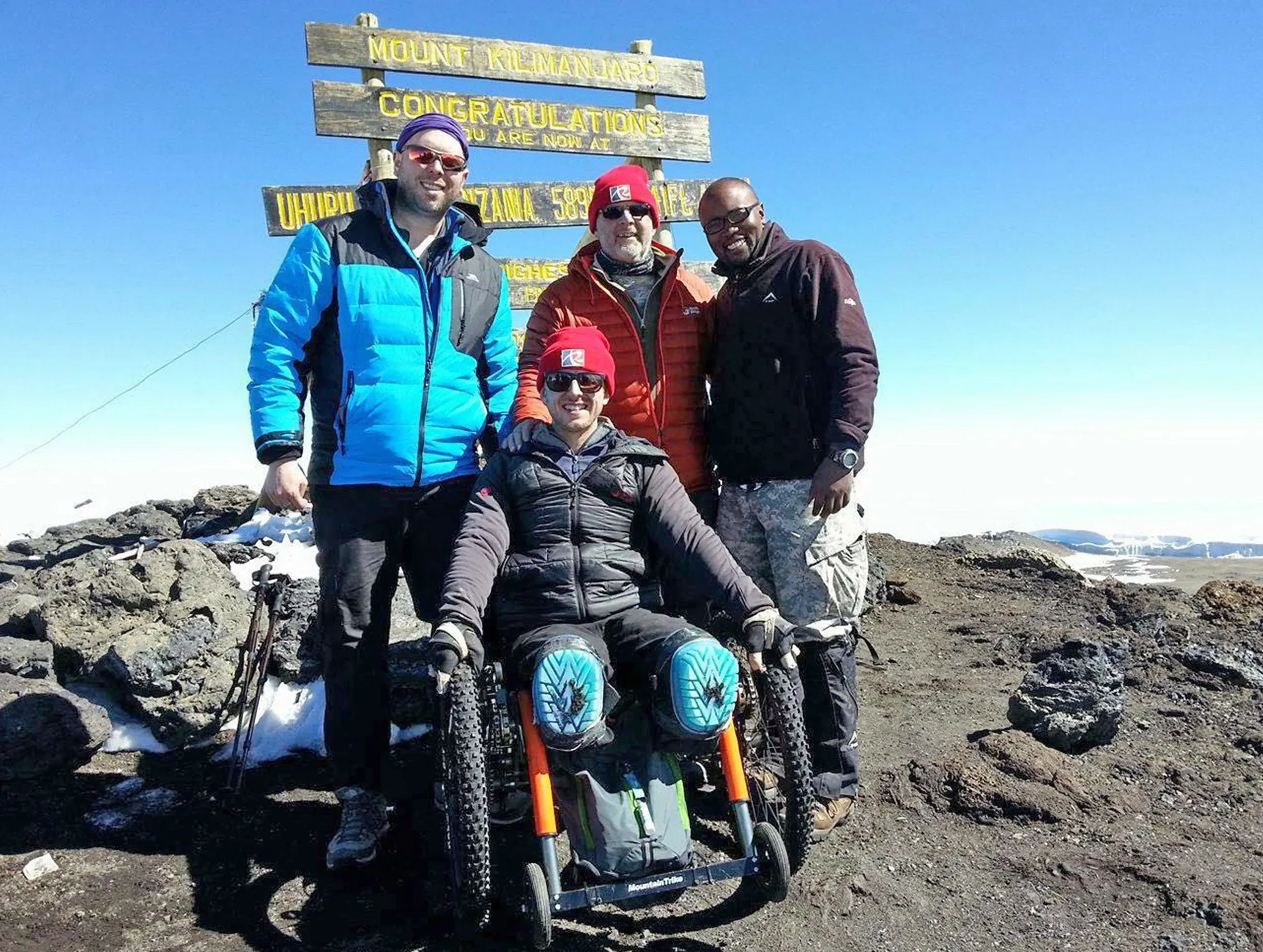
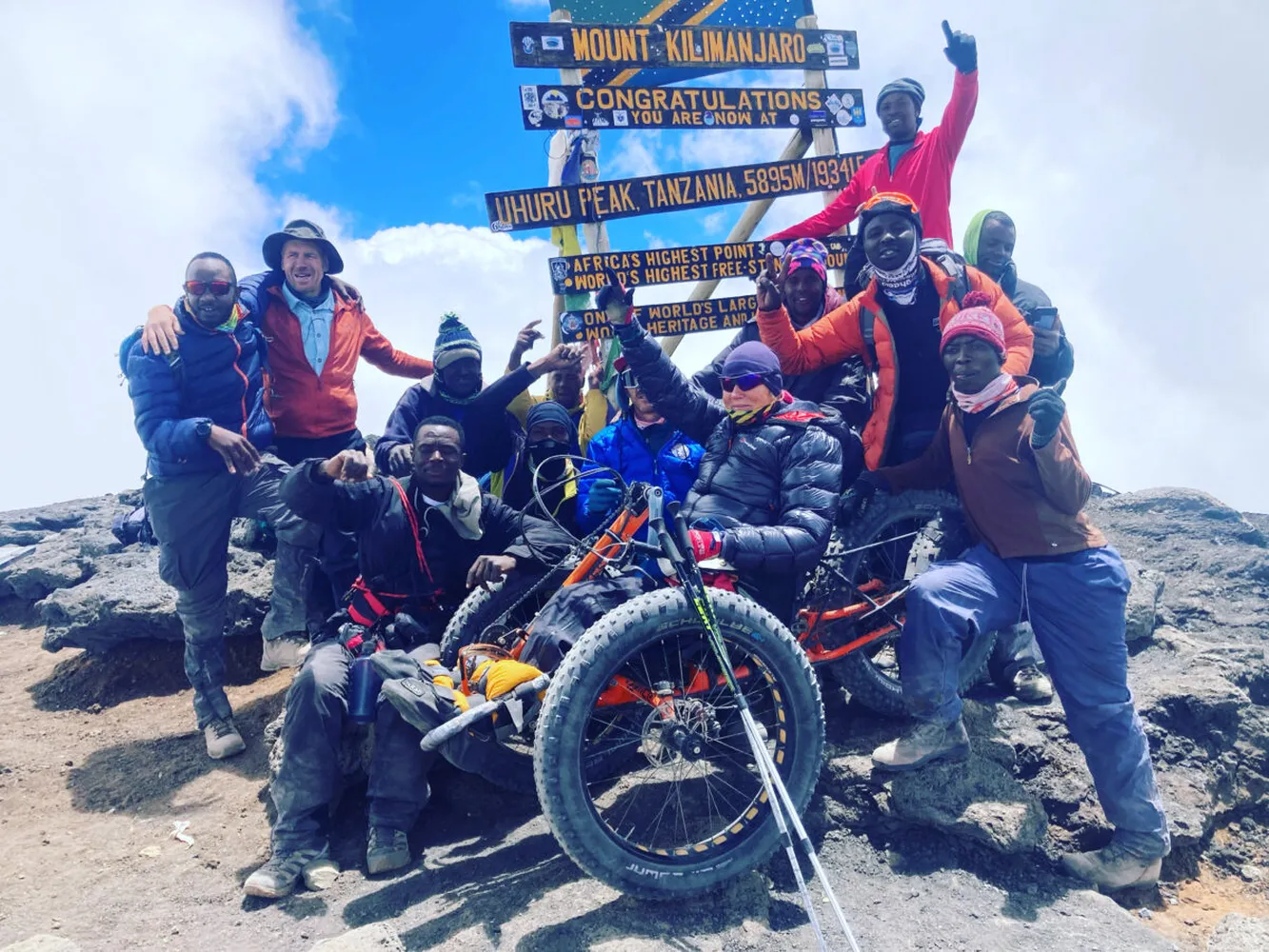
Yes, climbing Kilimanjaro with a wheelchair is possible with the right support. Adaptive mountain wheelchairs designed for rough terrain, combined with experienced porters and guides, have enabled many wheelchair users to successfully summit. These climbs require careful route selection, extra days for acclimatization, and a larger support team than standard climbs.
The key factors for success include choosing a suitable route, using specialized equipment, having a well-trained crew, and allowing sufficient time for altitude adaptation. While challenging, many climbers describe the experience as life-changing and deeply rewarding.
Adaptive Equipment and Support for Kilimanjaro Climbs with Wheelchair
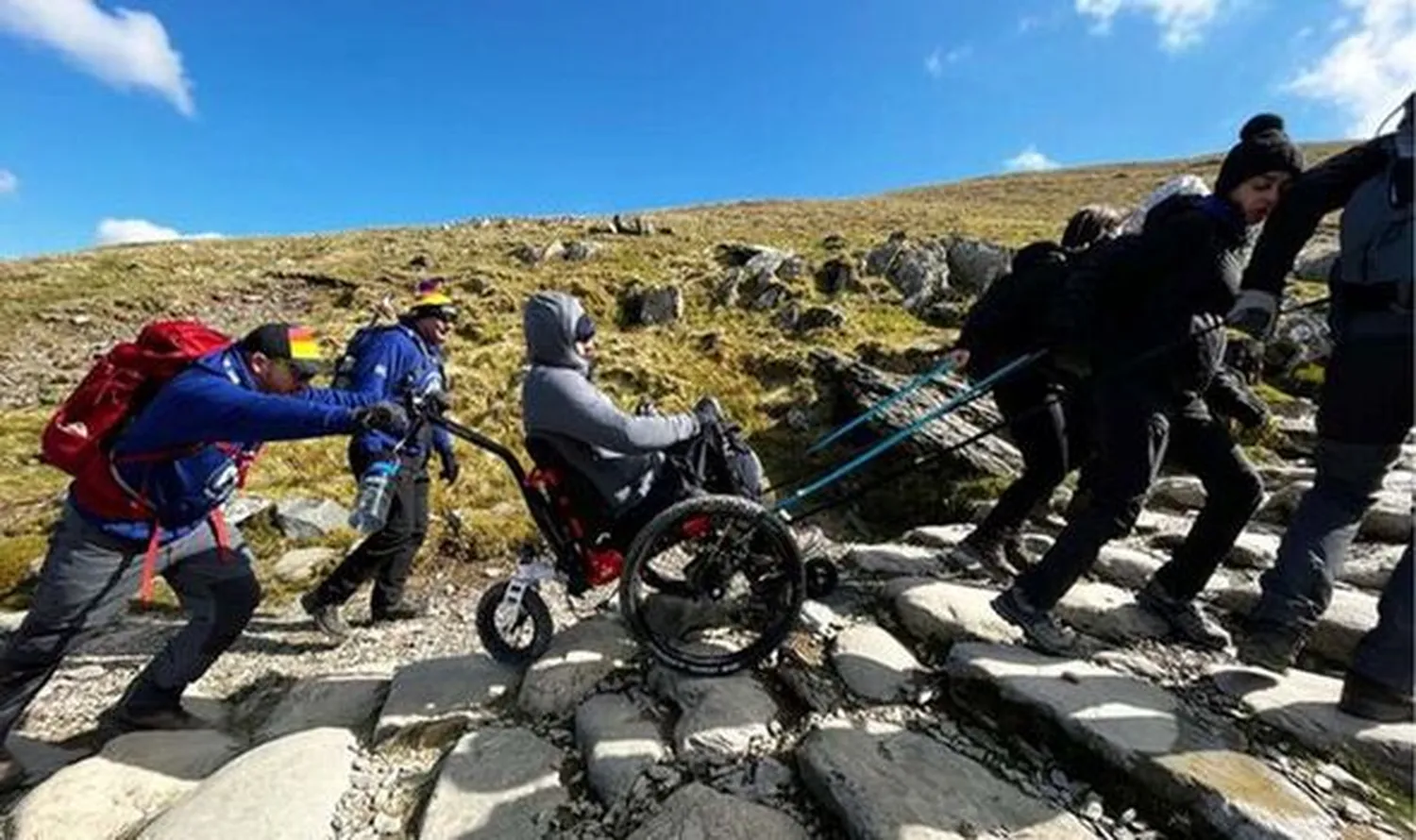
Modern mountain wheelchairs designed for off-road and high-altitude terrain, combined with support harnesses, safety straps, and stabilization systems, make climbing possible. A typical support team includes experienced porters, assistant guides, and medical staff who are trained to handle adaptive climbing logistics. The number of assistants needed varies but is usually higher than for standard climbs to ensure safety and comfort at every stage.
Challenges and Safety Considerations for Wheelchair Accessible Kilimanjaro Climbs
Altitude sickness, weather changes, and terrain variations remain significant challenges. Careful acclimatization, medical monitoring, and an experienced operator are essential. The best time for wheelchair accessible climbs is during the drier seasons (January to March and June to October) when trails are firmer and visibility is better.
The Top Best Kilimanjaro Routes Accessible with Wheelchair FAQs
Can a wheelchair user reach the summit of Kilimanjaro?
Yes, it is possible with adaptive mountain wheelchairs, a strong and trained support team, and careful planning. Several wheelchair users have successfully summited with professional assistance.
Which route is easiest for wheelchair access?
The Marangu Route is generally considered the most suitable due to its gradual slopes, hut accommodation, and well-defined path that simplifies logistics for adaptive equipment.
How many assistants are needed for a wheelchair climb?
The number varies but is typically higher than standard climbs. A dedicated team of porters, guides, and assistants is required to manage the wheelchair, equipment, and safety at high altitude.
Is it safe to climb Kilimanjaro with a disability?
With proper preparation, experienced operators, adaptive equipment, and medical support, it can be done safely. However, it demands realistic expectations and thorough risk assessment.
Ready for Your Wheelchair Accessible Kilimanjaro Climb?
Contact us today to plan your custom adaptive Kilimanjaro climb. Our experienced team will design a safe, supported itinerary tailored to your needs and goals.
WhatsApp Us NowEmail for Quote