
Quick Answer: What Is the Best 6-Day Luxury Lodge Safari in Serengeti and Ngorongoro?
A strong six-day luxury route gives the Serengeti most of the wildlife time and saves Ngorongoro Crater for the final full game-drive day. For the itinerary below, Day 1 is an arrival and luxury hotel night in Arusha, Days 2–4 give you three Serengeti nights, Day 5 positions you near the crater, and Day 6 combines an early crater descent with the return to Arusha.
- Duration: 6 days / 5 nights.
- Safari style: private luxury lodge or premium tented-camp safari.
- Main wildlife areas: Serengeti National Park and Ngorongoro Crater.
- Best for: couples, honeymoons, anniversaries, families and photographers who value comfort and flexible guiding.
- Vehicle: private 4x4 safari vehicle for the road-based version unless your quotation states a fly-in segment.
- Published Jaynevy starting benchmark: USD 3,250 per person; exact 2026/2027 pricing must be reconfirmed for your dates and lodge choices.
6-Day Luxury Serengeti and Ngorongoro Safari at a Glance
This itinerary is deliberately simple: fewer destinations, better lodge positioning and more time where the wildlife experience is strongest. Luxury is useful when it reduces wasted transfer time, gives you privacy, improves rest between long game drives and places you close to the areas you plan to explore.
| Day | Route | Main experience | Suggested luxury overnight |
|---|---|---|---|
| 1 | Kilimanjaro Airport / Arusha | Arrival, private transfer, safari briefing and recovery from travel | Luxury Arusha hotel or lodge |
| 2 | Arusha → Serengeti | Scenic Northern Circuit transfer and first Serengeti game drive | Central or seasonally positioned Serengeti luxury lodge/camp |
| 3 | Serengeti | Full-day private game drive focused on predators and plains wildlife | Serengeti luxury lodge/camp |
| 4 | Serengeti | Second full wildlife day, with seasonal route flexibility | Serengeti luxury lodge/camp |
| 5 | Serengeti → Ngorongoro | Morning Serengeti game drive, then transfer toward the crater | Crater-rim or highland luxury lodge |
| 6 | Ngorongoro Crater → Arusha | Early crater game drive, picnic or lodge lunch plan, return to Arusha | Safari ends |
Why Serengeti and Ngorongoro Work So Well in Six Luxury Days
The route works because it trades park-count for depth. Serengeti is large enough that one short visit can feel rushed, while Ngorongoro Crater gives a very different, more concentrated wildlife setting. Spending three nights in Serengeti creates multiple morning and afternoon game-drive windows instead of relying on one lucky afternoon.
Serengeti National Park covers 1,476,300 hectares according to UNESCO. Ngorongoro Conservation Area covers 809,440 hectares and adjoins the Serengeti ecosystem. Those figures matter operationally: lodge location and transfer planning are not small details in landscapes this large.
If you want a third national park, compare the 6-day luxury Serengeti, Ngorongoro and Tarangire safari. If the Serengeti is clearly your priority, this two-area plan usually gives a more relaxed premium experience.
Detailed 6-Day Luxury Lodge Safari Itinerary
Day 1: Kilimanjaro Airport Arrival and Luxury Overnight in Arusha
Day 1 is for a smooth arrival rather than forcing a long safari transfer after an international flight. Meet your private transfer driver at Kilimanjaro International Airport and continue to Arusha for check-in, rest and a short safari briefing. The goal is to begin the wildlife portion well-rested and with the final route, lodge locations and departure time already confirmed.
A luxury Arusha property can add a good dinner, quiet room, reliable hot water and space to reorganize luggage before the safari. If you are already in Arusha, this day can be adjusted in your written itinerary, but do not compress the route simply to add another park name.
Day 2: Arusha to Serengeti National Park
This is the longest road-transition day, so the vehicle, guide and lodge position matter. Leave Arusha early and travel west through the northern highlands toward the Serengeti. Once you enter the park, the transfer becomes a game drive rather than a simple point-to-point journey.
For a road-based luxury safari, Central Serengeti is often the most practical first base because it gives year-round access to varied habitats and reduces the risk of spending the entire day chasing a seasonal zone. If migration location is the main objective, the confirmed lodge may instead be in northern, eastern or southern Serengeti.
Overnight in the luxury lodge or premium tented camp named in your quotation.
Day 3: Full-Day Serengeti Private Game Drive
Day 3 is the first full wildlife day and should not be overloaded with unnecessary transfers. Start early enough to take advantage of cooler morning conditions, then let your guide respond to fresh sightings, animal movement, weather, road conditions and your interests rather than following a rigid checklist.
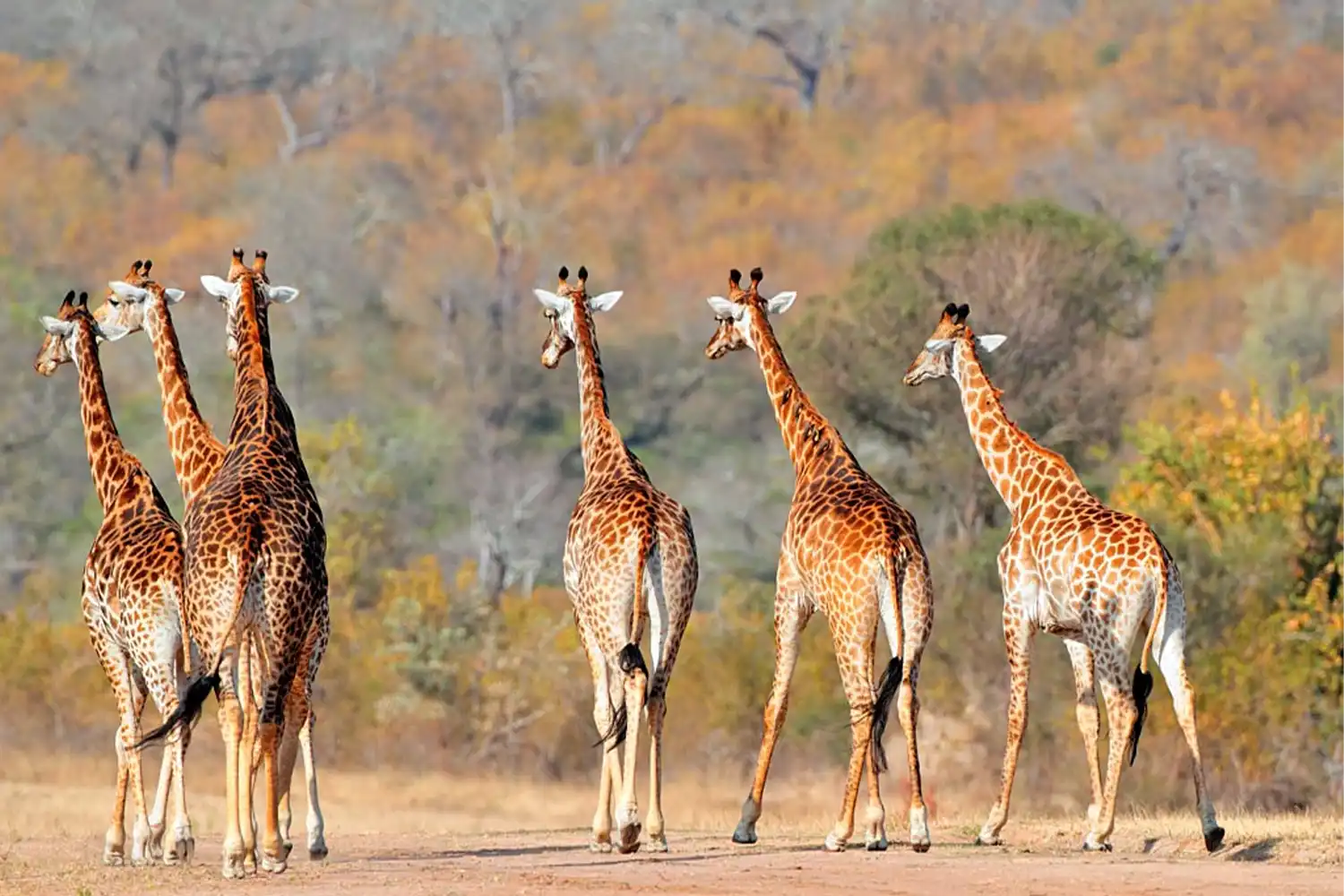
Serengeti is known for large predator-prey interactions, but sightings remain natural and unguaranteed. Lions, cheetahs, hyenas, elephants, buffalo, giraffes, zebra, wildebeest and many antelope species may be encountered depending on area and season; leopard and black rhino require more patience and luck.
Your luxury schedule can use either a full-day picnic strategy or split morning and afternoon drives with a lodge lunch. Neither format is automatically better; choose the one that protects the strongest wildlife hours for your dates.
Day 4: Second Full Serengeti Day or Seasonal Migration Focus
The second full Serengeti day is what makes this itinerary more than a rushed highlights trip. If Day 3 produced strong predator sightings, Day 4 can target a different habitat, spend more time on photography or follow seasonal herbivore movement without sacrificing the rest of the route.
The Great Migration is not fixed to one exact calendar date. Rainfall and grazing conditions influence herd movement, so a luxury itinerary should use the right Serengeti zone for the season rather than promise a specific river crossing or calving event. For a migration-first trip, compare the 6-day luxury Great Migration safari.
Day 5: Serengeti Morning Game Drive to Ngorongoro Highlands
Use the morning for one more Serengeti game drive, then leave enough time to reach the Ngorongoro area without turning the evening into a race. The best luxury choice is not always the most expensive room; it is the property whose location supports an early crater descent the next morning.
A crater-rim property can reduce morning transfer time and offer dramatic views. A highland lodge around Karatu may provide larger grounds, spa facilities or more room-category choice, but it normally adds driving before the crater descent. Your quotation should make the location clear, not just the lodge brand.
Day 6: Ngorongoro Crater Game Drive and Return to Arusha
Descend early into Ngorongoro Crater for the final major wildlife drive. The crater floor combines grassland, marsh, woodland and lake-edge habitats in a compact landscape. Buffalo, wildebeest, zebra, gazelles, hyenas and lions are important targets, while black rhino is a prized but never guaranteed sighting.
UNESCO describes the wider Ngorongoro Conservation Area as supporting about 25,000 large animals and notes black rhino among its endangered species. Treat those figures as ecological context, not a promise of what you will personally see during a single descent.
After the crater visit, ascend and return toward Arusha or the transfer point written in your itinerary. Avoid booking a tight same-day international departure; wildlife stops, gate formalities, road traffic and weather can all affect the return time.
Verified Serengeti and Ngorongoro Data for Better Safari Planning
Good luxury planning should use real protected-area data instead of invented sighting percentages. The scale of Serengeti explains why multiple game drives and a well-positioned lodge matter, while Ngorongoro's wildlife density explains why a crater day can deliver a very different experience from the open plains.
| Verified fact | Published figure | Why it matters |
|---|---|---|
| Serengeti World Heritage property | 1,476,300 ha | Shows why lodge location and several game-drive sessions matter. |
| Serengeti annual circular migration | About 1,000 km | Explains why migration viewing depends on season and zone, not one permanent spot. |
| Serengeti bird diversity | 500+ species | Adds year-round value beyond the migration and Big Five. |
| Ngorongoro Conservation Area | 809,440 ha | The crater is one part of a much larger conservation landscape. |
| Large animals in Ngorongoro Conservation Area | About 25,000 | Supports its reputation as a concentrated wildlife destination. |
Primary references: UNESCO — Serengeti National Park, UNESCO — Ngorongoro Conservation Area, TANAPA — park tariffs, and NCAA — Ngorongoro tariffs.
What Makes a Lodge Safari Truly Luxury?
Luxury should improve the safari itself, not only the bedroom. The most useful upgrades are private vehicle use, good lodge location, quality guiding, a comfortable room, reliable meals, attentive service and enough schedule flexibility to avoid wasting wildlife hours.
- Location: a well-positioned Serengeti camp can save hours of daily driving.
- Privacy: a private vehicle means your party decides how long to remain at a sighting within park rules.
- Rest: strong bedding, hot showers and quiet rooms matter after full game-drive days.
- Meal flexibility: breakfast boxes, picnic lunches or lodge lunches should support the wildlife plan.
- Service: laundry, house drinks, Wi-Fi or spa services vary by property and must be checked in the confirmed rate.
- Seasonal positioning: a seasonal camp can be valuable when the migration is the priority, but not every traveler needs to move far from Central Serengeti.
Real 2026/2027 Luxury Lodge Rate Examples
Published lodge rates show why “luxury safari price” cannot be reduced to one universal number. Lemala's current rate page states that its rates are per person sharing per day, on a full-board basis, and valid from 6 January 2026 to 31 May 2027. The same page says these rates exclude government levies and the cost of airstrip transfers, a professional safari guide and vehicle.
| Property | Area | Low season | Mid season | High season |
|---|---|---|---|---|
| Lemala Nanyukie Lodge | East Serengeti | USD 585 | USD 853 | USD 1,480 |
| Lemala Kuria Hills Lodge | North Serengeti | USD 520 | USD 902 | USD 1,496 |
| Lemala Osonjoi | Ngorongoro Conservation Area | USD 691 | USD 1,051 | USD 1,886 |
These are examples from one luxury operator, not the hotels guaranteed in your Jaynevy itinerary. They demonstrate the scale of seasonal variation and why a complete safari quote must include the vehicle, guide, park/conservation charges, lodge levies, transfers and taxes rather than comparing room rates alone.
Rate source checked 12 August 2026: Lemala Camps & Lodges official rates.
How Much Does a 6-Day Luxury Lodge Safari Cost?
Jaynevy's currently published Serengeti-and-Ngorongoro luxury page states a starting figure of about USD 3,250 per person for six days, but that number should be reconfirmed before payment. A 2026/2027 luxury quote can rise significantly depending on season, lodge choice, exact Serengeti zone, room category, group size, private vehicle costs and government charges.
| Cost driver | Why it matters on a luxury safari |
|---|---|
| Travel dates | Luxury properties can move sharply between low, mid and high-season rates. |
| Serengeti lodge zone | Northern, eastern, central and seasonal camps can have different rates and transfer costs. |
| Room category | Standard luxury rooms, suites, family units and private villas are priced differently. |
| Number of travelers | Private vehicle and guide costs are shared across your party. |
| Road vs fly-in | Bush flights can save road time but add aviation and transfer costs. |
| Optional activities | Balloon safaris, private bush meals, walking experiences and premium drinks may be separate. |
For a broader price comparison, see the 6-day luxury Tanzania safari packages and luxury Tanzania safari collection.
Best Time for a Luxury Serengeti and Ngorongoro Safari
There is no single best month for every traveler. Dry-season travel usually gives classic safari conditions and strong demand, while green-season travel can provide lush landscapes, fewer vehicles in some areas and lower lodge rates. Migration-focused travelers should choose the Serengeti zone based on seasonal herd movement.
| Period | Typical conditions | Luxury planning advice |
|---|---|---|
| January–February | Southern Serengeti / Ndutu calving period in many years | Consider a seasonally positioned camp if calving and predators are the priority. |
| March–May | Greener, wetter period with lower demand in many properties | Excellent value for travelers comfortable with variable road conditions. |
| June–October | Generally drier and very popular | Book premium camps early; northern Serengeti can become important later in the period. |
| November–December | Short rains and shifting wildlife distribution | Use a flexible private itinerary and avoid fixed migration guarantees. |
Should You Choose Central Serengeti or a Seasonal Luxury Camp?
Choose Central Serengeti for year-round flexibility; choose a seasonal camp when a specific migration phase is your main reason for traveling. Central Serengeti works well for predators, varied habitats and a road-based six-day itinerary. A northern or southern seasonal camp can reduce local transfer time when the herds are concentrated there, but it may add road or flight logistics from Arusha.
For travelers whose main goal is the migration rather than a general luxury safari, read the Serengeti migration safari guide and compare it with the standard luxury Serengeti safari.
Crater-Rim Lodge or Karatu Luxury Lodge?
Crater-rim accommodation is best for reducing morning transfer time; Karatu often gives you more property choice and larger lodge grounds. Neither is automatically more luxurious. The right choice depends on room quality, service, views, budget, gate position and how early you want to descend on Day 6.
If black rhino is a high priority, protect the early crater start rather than choosing a property purely for its brand name. Learn more about the destination in our Ngorongoro Conservation Area guide.
Road-Based Luxury Safari or Fly-In Safari?
A road-based private safari gives continuity with one guide and vehicle; a fly-in plan saves transfer time. Road travel lets you see the landscape change between Arusha, Ngorongoro highlands and Serengeti, while a scheduled bush flight can protect more time for lodge-based game drives when your budget allows.
| Feature | Road-based private luxury | Fly-in luxury |
|---|---|---|
| Guide continuity | Usually the same guide and vehicle throughout | May use camp vehicles and different guides |
| Transfer time | Longer between Arusha and Serengeti | Shorter air transfer |
| Luggage | More flexible within vehicle limits | Stricter light-aircraft baggage limits |
| Cost | Often lower than adding bush flights | Higher due to aviation and airstrip transfers |
| Best for | First-time travelers who want the full Northern Circuit landscape | Short trips, premium time-saving and repeat safari travelers |
If air travel is a priority, compare the 6-day luxury Serengeti fly-in safari.
What Should Be Included in the Luxury Package?
A luxury quote should be detailed enough to compare line by line. Do not rely on the word “luxury” by itself. Your written quotation should confirm exactly what is included.
- Private 4x4 safari vehicle for the road-based itinerary.
- Professional English-speaking driver-guide, or another language if confirmed.
- Five nights of accommodation with lodge/camp names and room categories.
- Meal plan for every day and house-drink inclusions where applicable.
- Serengeti National Park entry charges listed in the quote.
- Ngorongoro Conservation Area and crater-access charges listed in the quote.
- Drinking water during game drives.
- Airport or Arusha transfers specifically stated in the itinerary.
- Applicable taxes and lodge levies stated clearly.
What Is Usually Not Included?
- International flights to Tanzania.
- Tanzania visa and passport-related costs.
- Travel, medical and trip-cancellation insurance.
- Tips for the safari guide and lodge staff.
- Premium wines, champagne or drinks outside the property's included beverage list.
- Optional Serengeti hot-air balloon safari unless written into the package.
- Personal purchases, spa treatments and boutique items.
- Domestic or bush flights unless specifically included.
Why a Private Vehicle Matters on a Luxury Safari
Private vehicle use gives your party control over the daily rhythm. You can spend longer at a leopard sighting, leave early for photography, return to the lodge for lunch, pause for children or stay out for a longer game drive without negotiating with unrelated travelers.
Private does not mean ignoring park rules. Responsible guiding still requires staying on permitted roads, keeping appropriate wildlife distance and following ranger instructions. The value is flexibility within those rules.
Who Should Choose This 6-Day Luxury Lodge Safari?
This route is best for travelers who value wildlife depth, private guiding and high-quality accommodation more than collecting the maximum number of parks.
- Honeymooners and couples: privacy, better rooms and a slower evening rhythm.
- Photographers: private timing and repeated Serengeti game drives.
- Families: flexible comfort breaks and the ability to choose family-room layouts.
- First-time safari travelers: two of Tanzania's strongest wildlife destinations without overloading the route.
- Repeat visitors: a good base for replacing road sectors with bush flights or specialist camps.
If you want more destination variety, compare the 6-day luxury Northern Circuit safari.
What to Pack for a Luxury Lodge Safari
Luxury accommodation reduces what you need to carry, but it does not change the practical safari essentials. Bring neutral lightweight layers, a warm layer for early mornings, sun protection, binoculars, camera equipment, personal medication and soft-sided luggage if any bush flight is involved.
- Binoculars for distant predators and rhino sightings.
- Camera, spare batteries and extra memory cards.
- Neutral shirts and trousers plus a fleece or light jacket.
- Hat, sunglasses and high-SPF sunscreen.
- Closed comfortable shoes and sandals for the lodge.
- Travel adapters and a power bank.
- Soft-sided bag if the itinerary uses light aircraft.
Frequently Asked Questions About the 6-Day Luxury Serengeti and Crater Safari
Is six days enough for Serengeti and Ngorongoro Crater?
Yes. Six days works well when the route gives at least three Serengeti nights and protects a full Ngorongoro Crater day. Adding too many extra parks can reduce the value of the luxury itinerary by increasing transfers.
How much is a 6-day luxury safari in Serengeti and Ngorongoro?
Jaynevy's currently published page states a starting figure of about USD 3,250 per person, but final 2026/2027 prices depend on travel dates, lodge choice, group size, vehicle structure, government charges and optional flights or activities. Always use the current written quotation as the final price reference.
Are the Big Five guaranteed?
No. Lion, leopard, elephant, buffalo and black rhino occur in the wider Serengeti–Ngorongoro ecosystem, but they are free-ranging wild animals. A well-designed route improves opportunities; it cannot guarantee every species.
Is a crater-rim lodge worth the extra cost?
It can be, especially if early crater access and dramatic views matter to you. However, a high-quality Karatu lodge can offer excellent comfort and value. Compare location, room standard and transfer time rather than price alone.
Should I fly to Serengeti instead of driving?
Fly-in is useful when time matters more than cost. A road-based itinerary gives one-guide continuity and lets you experience the changing Northern Circuit landscape. A bush flight saves transfer hours but adds airfare and stricter luggage limits.
Can I add a Serengeti balloon safari?
Yes, subject to availability, weather and the operating zone. It requires a very early start and should be confirmed in writing because the cost, pickup logistics and cancellation conditions are separate from the standard game-drive plan.
Which Serengeti area should I stay in?
Central Serengeti is the most flexible year-round base. Northern or southern seasonal camps can be stronger when a specific phase of the Great Migration is the priority. Your lodge zone should match your travel month and wildlife objective.
What is the best way to book this safari?
Send your exact travel dates, number of travelers, room setup, preferred lodge level, whether you want road or fly-in transport, and any priorities such as migration, photography or honeymoon privacy. The final itinerary should list every lodge, transfer, fee, inclusion and exclusion before payment.
Plan Your 6-Day Luxury Lodge Safari
Send Jaynevy Tours your travel dates, number of travelers, room requirements and preferred lodge style. We can then match the Serengeti zone to the season, check luxury lodge availability, position the Ngorongoro night for an efficient crater descent and issue a written quotation with the exact inclusions.
For more planning options, explore the Serengeti National Park guide, Ngorongoro Conservation Area guide, luxury Serengeti safari, and 6-day luxury safari packages.
Research and Planning Sources
This page was reviewed on 12 August 2026. Protected-area facts, lodge rates and current tariff references can change, so travelers should reconfirm final commercial details for their exact travel dates.
- Google Search Central — helpful, reliable, people-first content
- Google Search Central — generative AI search guidance
- UNESCO — Serengeti National Park
- UNESCO — Ngorongoro Conservation Area
- TANAPA — current park tariff portal
- NCAA — current Ngorongoro tariffs
- Lemala Camps & Lodges — 2026/2027 published rates