
Tanzania Safari in January
January offers prime safari experiences in Tanzania, with the Great Migration calving season in Southern Serengeti, lush landscapes in Selous, and vibrant wildlife in Ruaha, complemented by warm Zanzibar beaches.
January’s Safari Splendor
January ushers in Tanzania’s short dry season, making it a prime time for safaris with vibrant ecosystems and fewer crowds. In the Southern Serengeti, the Great Migration’s calving season brings thousands of newborn wildebeests, attracting predators and offering dramatic wildlife spectacles.
The southern parks, like Selous Game Reserve and Ruaha National Park, flourish with lush greenery, providing unique boat safaris and predator sightings. Ngorongoro Crater remains a Big Five hotspot, while a Zanzibar extension offers warm, mostly dry beaches for relaxation.
Arusha serves as a vibrant gateway, with luxury lodges ensuring comfort. January’s mix of wildlife action and serene landscapes makes it ideal for an unforgettable safari adventure.
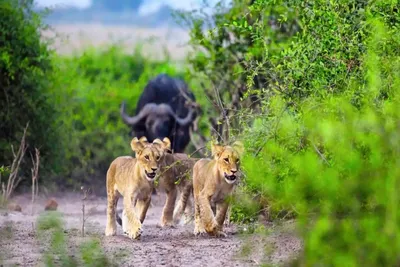
Top Safari Destinations
Southern Serengeti National Park: January is peak calving season in the Southern Serengeti’s Ndutu region, with wildebeest herds giving birth to thousands of calves, drawing predators like lions and cheetahs. Game drives and walking safaris offer close-up views of this natural spectacle, with luxury camps providing comfort.
Selous Game Reserve: The Selous, one of Africa’s largest reserves, thrives in January’s lush greenery. Boat safaris along the Rufiji River reveal hippos, crocodiles, and vibrant birdlife, while game drives spot elephants, wild dogs, and leopards.
Ruaha National Park: Ruaha offers a rugged, remote safari experience in January, with thriving predator populations, including lions and leopards. The Great Ruaha River attracts diverse wildlife, and walking safaris provide an intimate connection to the landscape.
Ngorongoro Crater: A UNESCO World Heritage Site, the Ngorongoro Crater delivers exceptional Big Five sightings in January’s clear conditions. Full-day game drives and Maasai cultural visits enhance the experience, with crater-rim lodges offering stunning views.
Zanzibar: A Zanzibar extension in January is perfect, with warm, mostly dry weather ideal for snorkeling, diving, and exploring Stone Town’s rich Swahili heritage, complementing the safari adventure.
January Travel Tips
Book Early: Reserve 9–12 months in advance to secure premium lodges and calving-season itineraries, especially in Southern Serengeti. Contact trusted operators like Jaynevy Tours for tailored plans.
Pack Smart: Bring lightweight clothing, a waterproof jacket for occasional showers, sturdy shoes, sunscreen, insect repellent, a hat, binoculars, and a camera. Neutral colors (khaki, green) are ideal for game drives.
Choose Your Safari: Private tours offer exclusivity, while group tours balance cost and experience. Southern-focused itineraries maximize calving season sightings.
Health Precautions: Ensure vaccinations (yellow fever, typhoid) and anti-malarial tablets. Use high-SPF sunscreen and stay hydrated. Travel insurance should cover medical emergencies.
Beach Extension: Combine a 7–10 day safari with 3–5 days in Zanzibar. Fly from Dar es Salaam or Arusha for seamless travel.
Respect Wildlife and Culture: Follow guides’ instructions, keep a safe distance from animals, and seek permission before photographing local communities like the Maasai.
Sample 7-Day Itinerary
| Day | Activity |
|---|---|
| Day 1 | Arrive in Arusha, rest at African Tulip Hotel. |
| Day 2 | Fly to Southern Serengeti (Ndutu) for a full-day game drive during calving season, overnight at a luxury camp. |
| Day 3–4 | Explore Southern Serengeti with game drives and walking safaris, stay in a luxury camp. |
| Day 5 | Fly to Selous Game Reserve for a boat safari and game drive, overnight at a riverside lodge. |
| Day 6 | Morning game drive in Selous, fly to Zanzibar for a beach extension. |
| Day 7 | Relax in Zanzibar or depart from Zanzibar International Airport. |
January Safari FAQs
January marks the start of the short dry season, with the Great Migration calving in Southern Serengeti, lush landscapes in southern parks, and fewer crowds.
Pack lightweight clothing, a waterproof jacket for occasional showers, sturdy shoes, sunscreen, insect repellent, a hat, binoculars, and a camera.
Southern Serengeti for calving season, Selous for lush landscapes, Ruaha for predator sightings, and Ngorongoro Crater for Big Five.
January is ideal for Zanzibar with warm, mostly dry weather, perfect for beach holidays, snorkeling, and diving in clear waters.
Book 9–12 months in advance with a trusted operator like Jaynevy Tours to secure premium lodges and calving-season itineraries.
For booking your Tanzania Safari in January or any further inquiries, please contact us via WhatsApp: +255 678 992 599 or email jaynevytours@gmail.com.