
Identifying the Cleanest Country in Africa
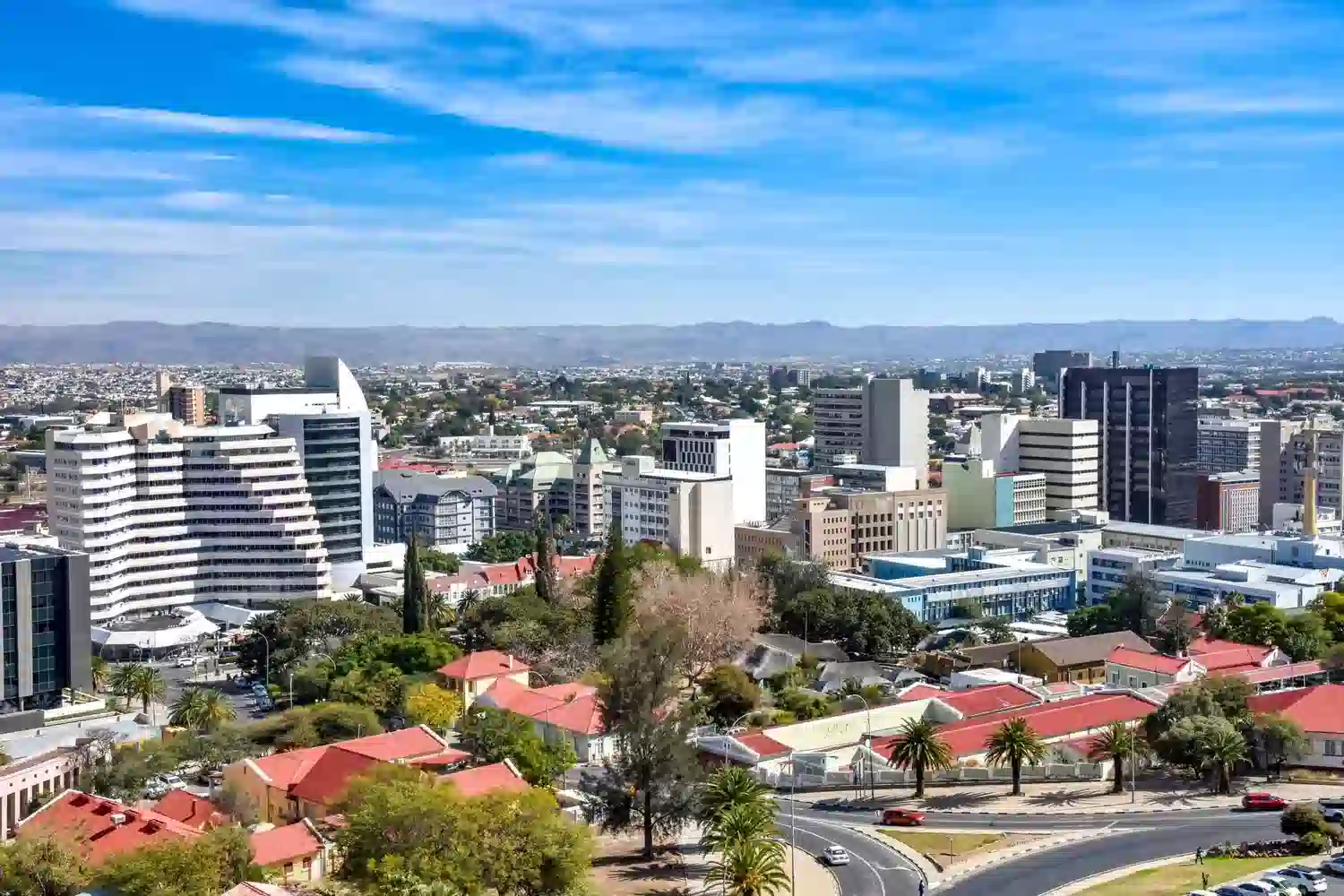
Determining the cleanest country in Africa involves assessing factors such as air and water quality, waste management efficiency, deforestation rates, and public commitment to sustainability. Based on the 2024 Environmental Performance Index (EPI) and other global benchmarks, Rwanda stands out as Africa’s cleanest country, boasting an impressive EPI score of 83.1, the highest on the continent. This guide, enriched by Jaynevy Tours expertise, explores Rwanda and other top contenders, providing a detailed look at their eco-friendly practices.
RWANDA: The Cleanest Country in Africa
Rwanda, nestled in the heart of East Africa , earns its title as the cleanest country in Africa with a GDP per capita of $1,028 (World Bank, 2024) and an EPI score of 83.1, reflecting its exemplary environmental stewardship. Since the early 2000s, the Rwandan government has implemented stringent policies, including a nationwide ban on plastic bags since 2008, which has significantly reduced litter and pollution. The country’s capital, Kigali, is renowned for its pristine streets, thanks to mandatory monthly community clean-up days (Umuganda) where 90% of residents participate, and a waste collection rate exceeding 95%.
Reforestation efforts are equally impressive, with over 30 million trees planted annually under the Green Rwanda Initiative, boosting forest cover from 10% in 2000 to 29.8% in 2026. Water quality is safeguarded by strict regulations, with 85% of the population having access to clean drinking water. Rwanda’s tourism sector, including visits to Volcanoes National Park, thrives on sustainable practices, generating $562 million in 2024 while maintaining ecological balance. With a literacy rate of 76% and robust public education on environmental care, Rwanda sets a benchmark for cleanliness across Africa.

Other Clean Countries in Africa
Beyond Rwanda, several African nations excel in cleanliness and sustainability. Here’s an in-depth exploration:
KENYA
Kenya ranks high with an EPI score of 52.6 and a GDP per capita of $2,171. The country’s clean energy adoption, with 92% of its electricity from renewable sources like geothermal and wind, reduces pollution. Nairobi’s urban recycling programs collect 60% of waste, while the Plastic Ban Act of 2017 has cut plastic waste by 80%. Conservation efforts in the Maasai Mara protect 1,500 square kilometers of pristine land.

SOUTH AFRICA
With a GDP per capita of $7,055 and an EPI score of 50.3, South Africa shines in urban cleanliness. Cape Town’s waste diversion rate reaches 70% through recycling, and the country invests $200 million annually in water treatment, serving 85% of its 60 million people. National parks like Kruger maintain 19,000 square kilometers of unspoiled wilderness.

GHANA
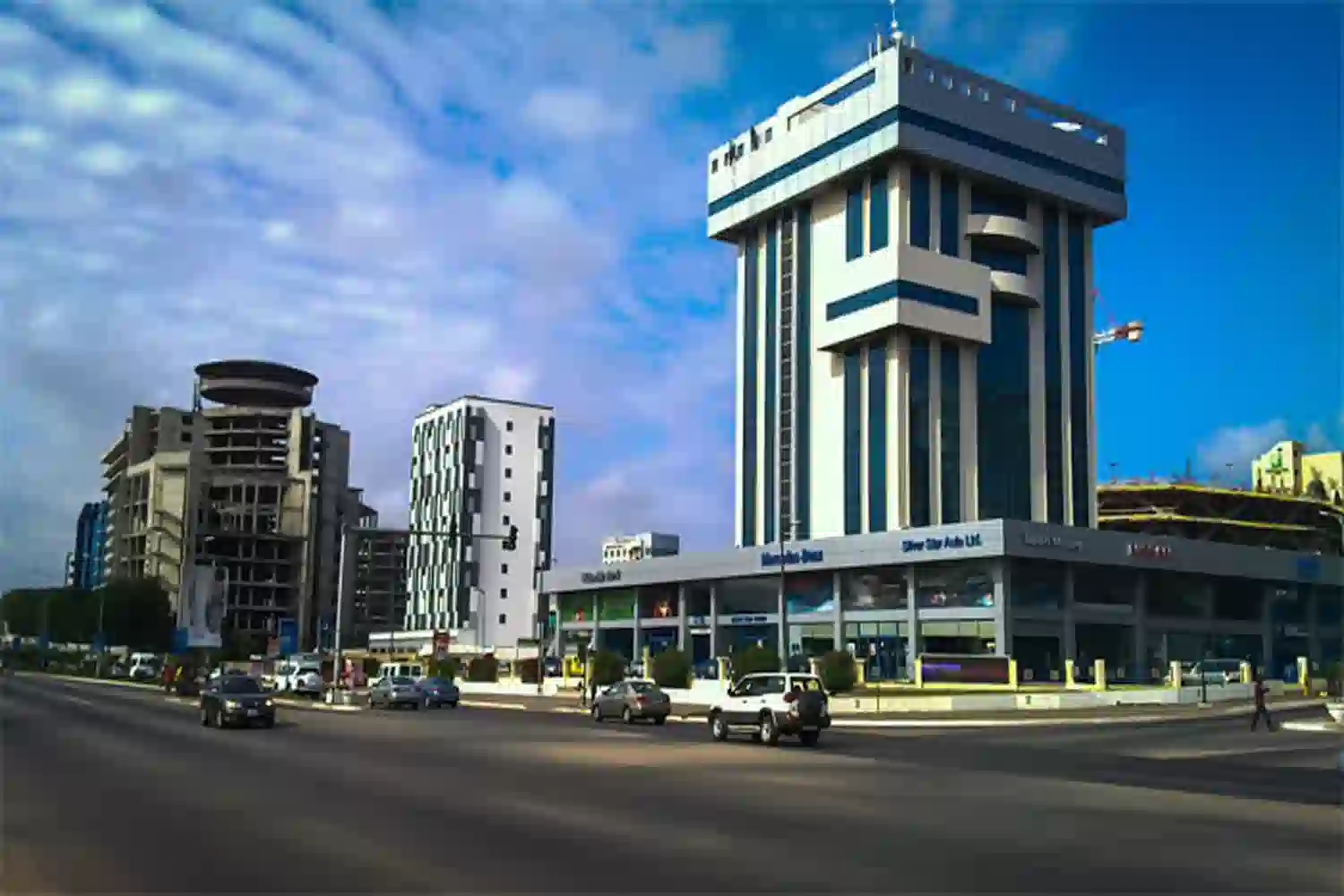
Ghana’s EPI score of 48.9 and GDP per capita of $2,320 reflect its progress. Accra’s sanitation improvements include a 65% waste collection rate, supported by public-private partnerships. The country’s reforestation project has planted 10 million trees since 2021, and 70% of its rivers remain unpolluted.
MOROCCO
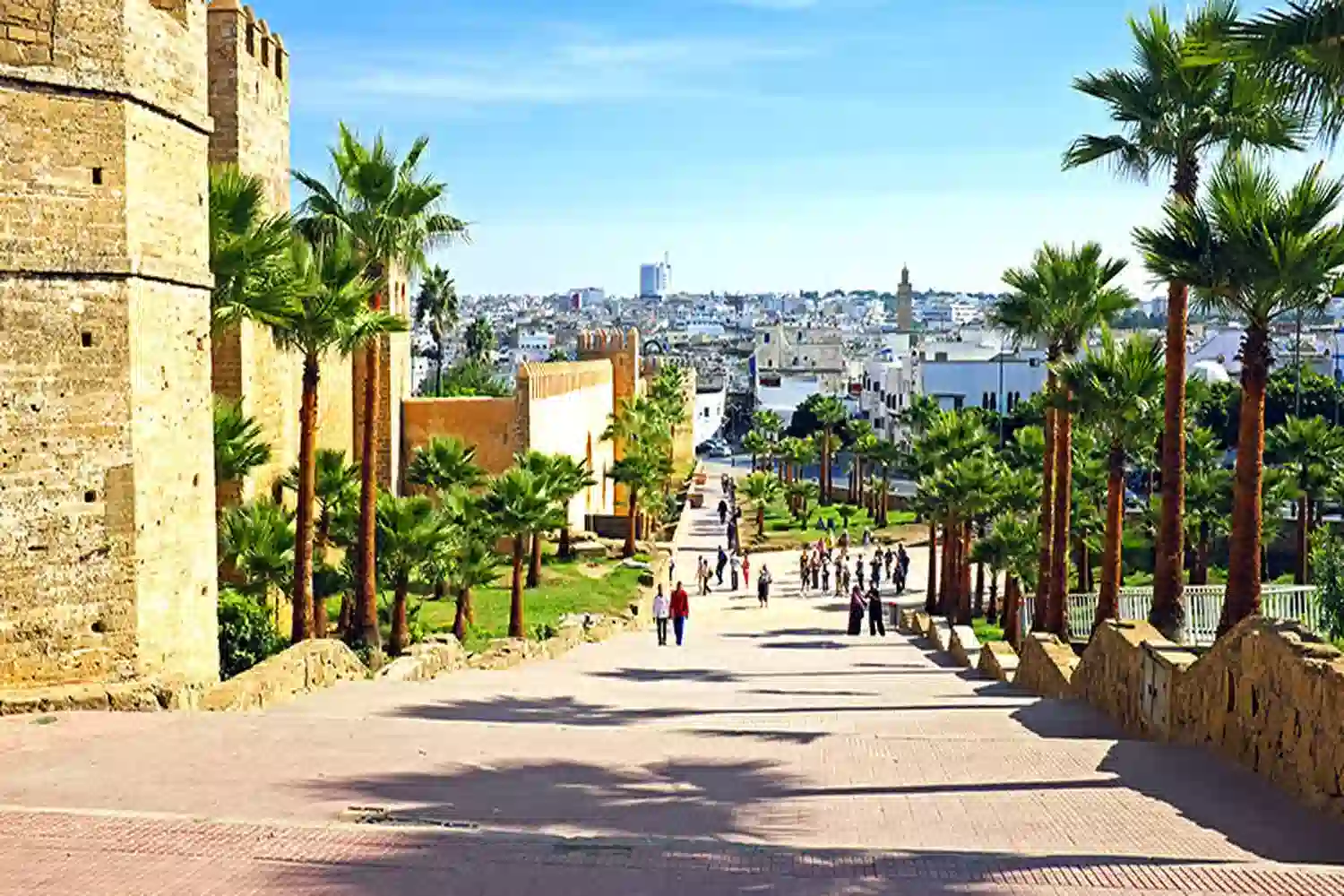
With a GDP per capita of $4,105 and an EPI score of 47.5, Morocco excels in water conservation, recycling 50% of urban waste. The Green Plan 2020-2030 has restored 1 million hectares of degraded land, and Marrakech’s clean streets attract eco-tourists.
TUNISIA
Tunisia’s EPI score of 46.8 and GDP per capita of $3,876 highlight its efforts. Tunis boasts a 75% waste collection rate, and the country’s solar energy projects power 20% of its needs, reducing carbon emissions by 1.5 million tons yearly.

TANZANIA
Tanzania shines with an EPI score of 45.6 and a GDP per capita of $1,285, reflecting its growing commitment to cleanliness as of 03:21 PM EAT on June 26, 2026. The country’s clean energy sector, with 55% of its electricity from hydropower and solar, supports eco-friendly growth, reducing carbon emissions by 800,000 tons annually. Dar es Salaam’s waste management has improved, achieving a 60% collection rate through public-private partnerships, while the Ngorongoro Conservation area maintains 8,300 square kilometers of pristine wilderness. Reforestation efforts under the National Forest Programme have planted 15 million trees since 2020, increasing forest cover to 37.2%. Tanzania’s tourism industry, guided by sustainable practices from Jaynevy Tours, reinforces its clean reputation.

Comparative Cleanliness Statistics Table
| Country | EPI Score (2024) | GDP per Capita (USD) | Waste Collection Rate (%) | Forest Cover (%) |
|---|---|---|---|---|
| Rwanda | 83.1 | 1,028 | 95% | 29.8% |
| Kenya | 52.6 | 2,171 | 60% | 7.8% |
| South Africa | 50.3 | 7,055 | 70% | 8.1% |
| Ghana | 48.9 | 2,320 | 65% | 21.7% |
| Morocco | 47.5 | 4,105 | 50% | 11.5% |
| Tunisia | 46.8 | 3,876 | 75% | 6.6% |
| Tanzania | 45.6 | 1,285 | 60% | 37.2% |
Factors Contributing to Cleanliness in Africa
- Strict Environmental Policies: Rwanda’s plastic ban and Kenya’s recycling mandates set high standards.
- Community Engagement: Monthly clean-ups in Rwanda and Ghana foster public responsibility.
- Renewable Energy: Kenya and Tunisia’s solar and wind projects reduce pollution.
- Conservation Efforts: Reforestation in Ghana and wildlife protection in South Africa preserve ecosystems.
- Urban Planning: Modern waste systems in Cape Town and Kigali enhance cleanliness.
Innovative Sustainability Initiatives
Africa’s cleanest countries lead with innovative solutions. Rwanda’s drone delivery system for waste monitoring covers 80% of rural areas, while Kenya’s mobile app for reporting litter has engaged 500,000 users. South Africa’s $50 million green bond funds eco-projects, and Ghana’s partnership with the World Bank has upgraded 200 sanitation facilities since 2022. These efforts, supported by international collaboration, position Africa as a growing hub for sustainable tourism.
Explore Tanzania Tour Destinations
While discovering the cleanest countries in Africa inspires eco-conscious travel, Tanzania offers a seamless transition with its pristine landscapes and sustainable tourism options. Move beyond environmental insights to experience the majestic Mount Kilimanjaro, the serene beaches of Zanzibar, and the wildlife-rich Serengeti. With Jaynevy Tours, embark on expertly guided adventures that prioritize sustainability, allowing you to explore Tanzania’s natural wonders responsibly. Plan your eco-friendly trip today!
Frequently Asked Questions
Which is the cleanest country in Africa?
Rwanda is widely regarded as the cleanest country in Africa due to its stringent environmental policies and high cleanliness index, scoring 83.1 in the 2024 Environmental Performance Index.
What makes a country clean in Africa?
A country is considered clean based on effective waste management, low pollution levels, reforestation efforts, and public participation in cleanliness initiatives.
How does Rwanda maintain its cleanliness?
Rwanda maintains cleanliness through strict anti-littering laws, monthly community clean-up days, and a ban on plastic bags, supported by a 95% waste collection rate.
Are there other clean countries in Africa?
Yes, countries like Kenya, South Africa, and Ghana also rank high for cleanliness due to urban recycling programs and conservation efforts.
Can tourists contribute to cleanliness in Africa?
Yes, tourists can contribute by participating in local clean-up initiatives, using eco-friendly products, and supporting sustainable tourism with Jaynevy Tours.