
What Not to Do in Tanzania: Essential Etiquette and Travel Tips
Visiting Tanzania offers an incredible opportunity to experience rich cultures, stunning landscapes, and diverse wildlife. To ensure a respectful and enjoyable journey, it's crucial to be aware of local customs and practices. This guide outlines key behaviors to avoid, helping you navigate your travels with cultural sensitivity and awareness.
1. Avoid Public Displays of Affection
Tanzania is a conservative society, and public displays of affection, such as kissing or hugging, are generally frowned upon. It's advisable to keep such expressions private to respect local norms and avoid drawing unwanted attention.
2. Do Not Photograph People Without Permission
Always ask for consent before taking photographs of individuals, especially in rural areas or during cultural ceremonies. Some people may find it intrusive or disrespectful if photographed without permission.
3. Refrain from Using the Left Hand for Greetings or Giving
In Tanzanian culture, the left hand is traditionally considered unclean. Use your right hand when greeting others, handing over money, or giving and receiving gifts to show respect.
4. Do Not Engage in Political or Religious Discussions
Conversations about politics or religion can be sensitive topics. It's best to avoid these subjects unless you're in a trusted setting and the discussion is appropriate.
5. Avoid Wearing Inappropriate Clothing
Dress modestly, especially when visiting religious sites or rural areas. For women, covering shoulders and knees is recommended. In Zanzibar, where the population is predominantly Muslim, modest attire is particularly important.
6. Do Not Give Money or Gifts to Street Children
While it may seem compassionate, giving money or gifts to street children can encourage begging and may not address the root causes of poverty. Consider donating to reputable organizations that support children's welfare.
7. Refrain from Engaging in Illegal Wildlife Trade
Tanzania has strict laws against the trafficking of wildlife products. Avoid purchasing souvenirs made from ivory, animal skins, or other protected species to help combat illegal wildlife trade.
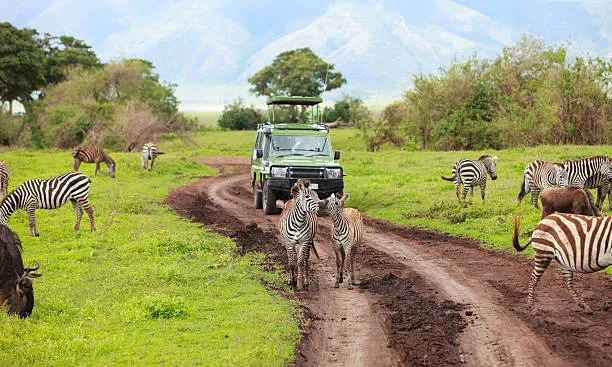
8. Do Not Encourage Off-Road Driving During Safaris
Respect wildlife and the environment by staying on designated paths during safaris. Off-road driving can damage ecosystems and disturb animals.
9. Avoid Littering
Keep Tanzania's landscapes beautiful by disposing of trash properly. Littering is not only harmful to the environment but also disrespectful to the local communities.
10. Do Not Engage in Homosexual Activities
Homosexuality is illegal in Tanzania, and same-sex sexual acts can result in severe penalties. It's important to be aware of and respect local laws and customs regarding sexuality.
11. Refrain from Touching People’s Heads
In many Tanzanian cultures, the head is considered sacred. Avoid touching someone's head, especially children, as it can be seen as disrespectful.
12. Do Not Enter Homes Without Permission
Always ask for permission before entering someone's home or a village community. Randomly walking into a compound without an invitation can be seen as intrusive or disrespectful.
13. Avoid Flash Photography in Sensitive Areas
Flash photography can be disruptive in certain settings, such as during wildlife viewing or in cultural ceremonies. Always ask for permission before taking photos and be mindful of your surroundings.
14. Do Not Engage in Disrespectful Behavior Towards Elders
Elders are highly respected in Tanzanian culture. Avoid raising your voice or displaying impatience when interacting with older individuals.
15. Refrain from Making Loud Noises in Public
Maintain a calm and composed demeanor in public spaces. Loud conversations or disruptive behavior can be considered impolite.
Conclusion
By being mindful of these cultural norms and practices, you can ensure a respectful and enriching experience during your visit to Tanzania. Embracing local customs not only enhances your travel experience but also fosters positive interactions with the communities you encounter.