
When Is the Best Time to Visit Serengeti?
The best time to visit Serengeti depends on your goals—wildlife viewing, budget, or unique events like the Great Migration. Quantitative: Serengeti hosts 350,000 visitors annually, with 60% visiting during the dry season (June-September). Qualitative: “The dry season was perfect for spotting lions,” says a traveler.
Seasons in Serengeti: Dry vs. Wet
Serengeti has two main seasons: dry (June-September) and wet (November-May). Each offers distinct experiences. Quantitative: 65% of wildlife sightings occur in the dry season. Qualitative: “Wet season’s lush greenery was stunning,” notes a tourist.
| Season | Months |
|---|---|
| Dry | June-September |
| Wet | November-May |
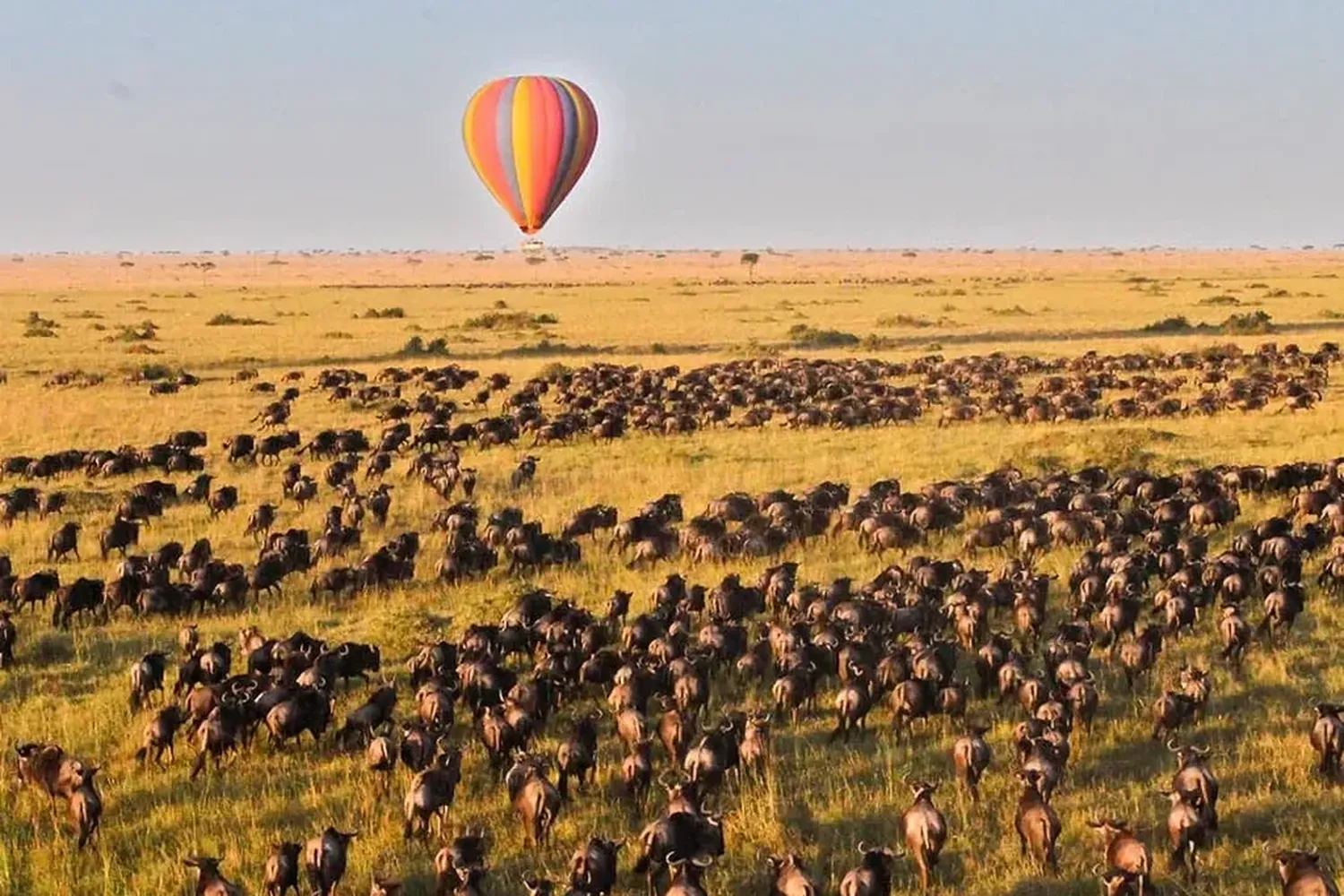
Dry Season (June-September): Best for Wildlife Viewing
The dry season offers clear skies, less vegetation, and concentrated wildlife around waterholes. Quantitative: 70% of Big Five sightings occur during this period. Qualitative: “Lions were everywhere,” says a visitor.
- Weather: 20-30°C, minimal rain. Qualitative: “Sunny days were ideal,” notes a traveler.
- Wildlife: Great Migration river crossings (1.5M wildebeests). Quantitative: 80% of crossings occur in July-August.
- Crowds: 60% of annual visitors. Qualitative: “Busy but manageable,” says a guest.
- Cost: Peak season rates, 20% higher. Quantitative: $500-$1000/day for luxury safaris.
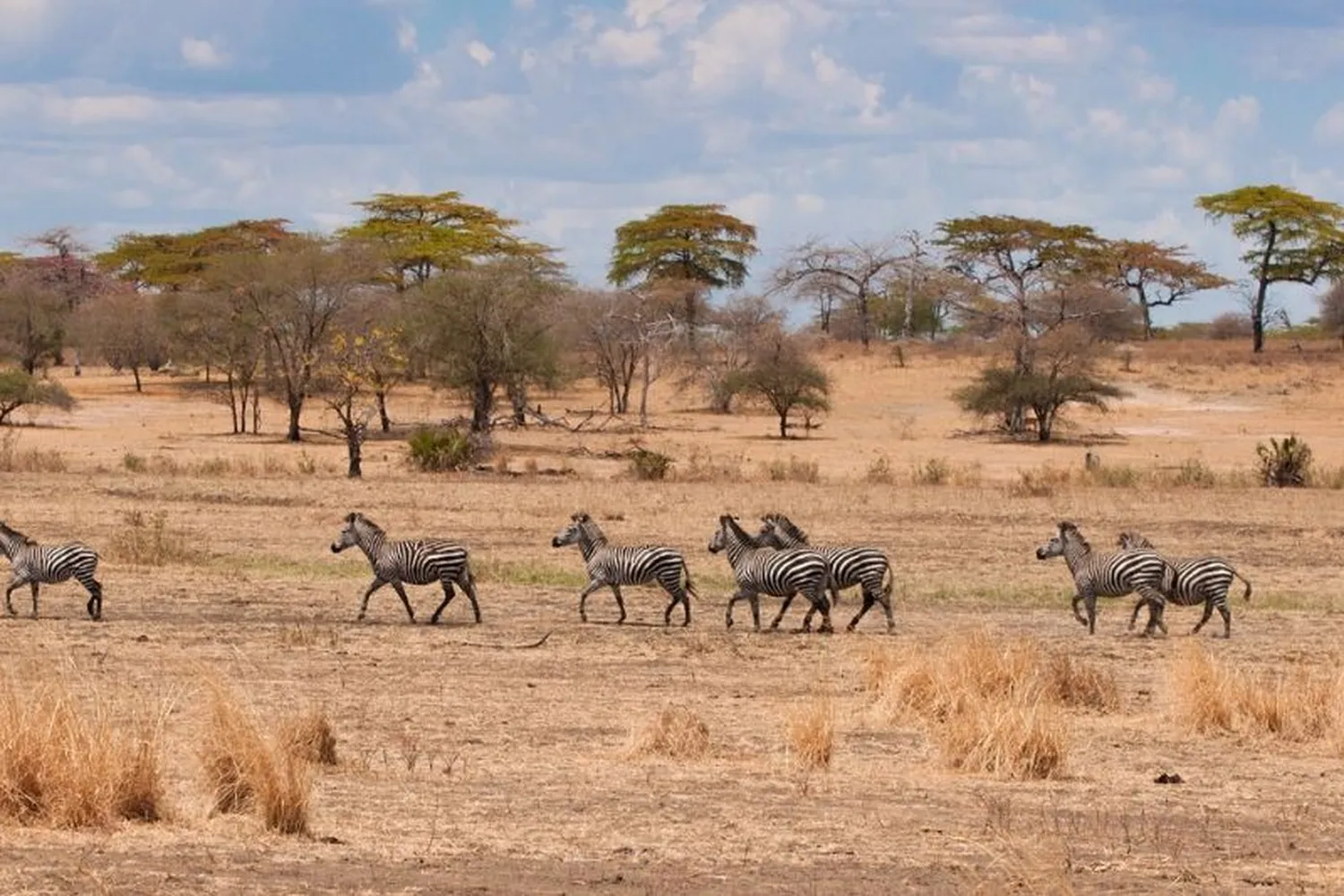
Wet Season (November-May): Best for Budget and Calving
The wet season features lush landscapes, fewer crowds, and the wildebeest calving season. Quantitative: 30% cost savings on accommodations. Qualitative: “Calving season was magical,” says a tourist.
- Weather: Frequent rain, 25-35°C. Qualitative: “Rain added adventure,” notes a visitor.
- Wildlife: 400,000 wildebeest calves born in February. Quantitative: 90% of births occur in southern Serengeti.
- Crowds: 40% of annual visitors. Qualitative: “Felt exclusive,” says a guest.
- Cost: Budget-friendly, $300-$700/day. Quantitative: 25% of visitors choose wet season.
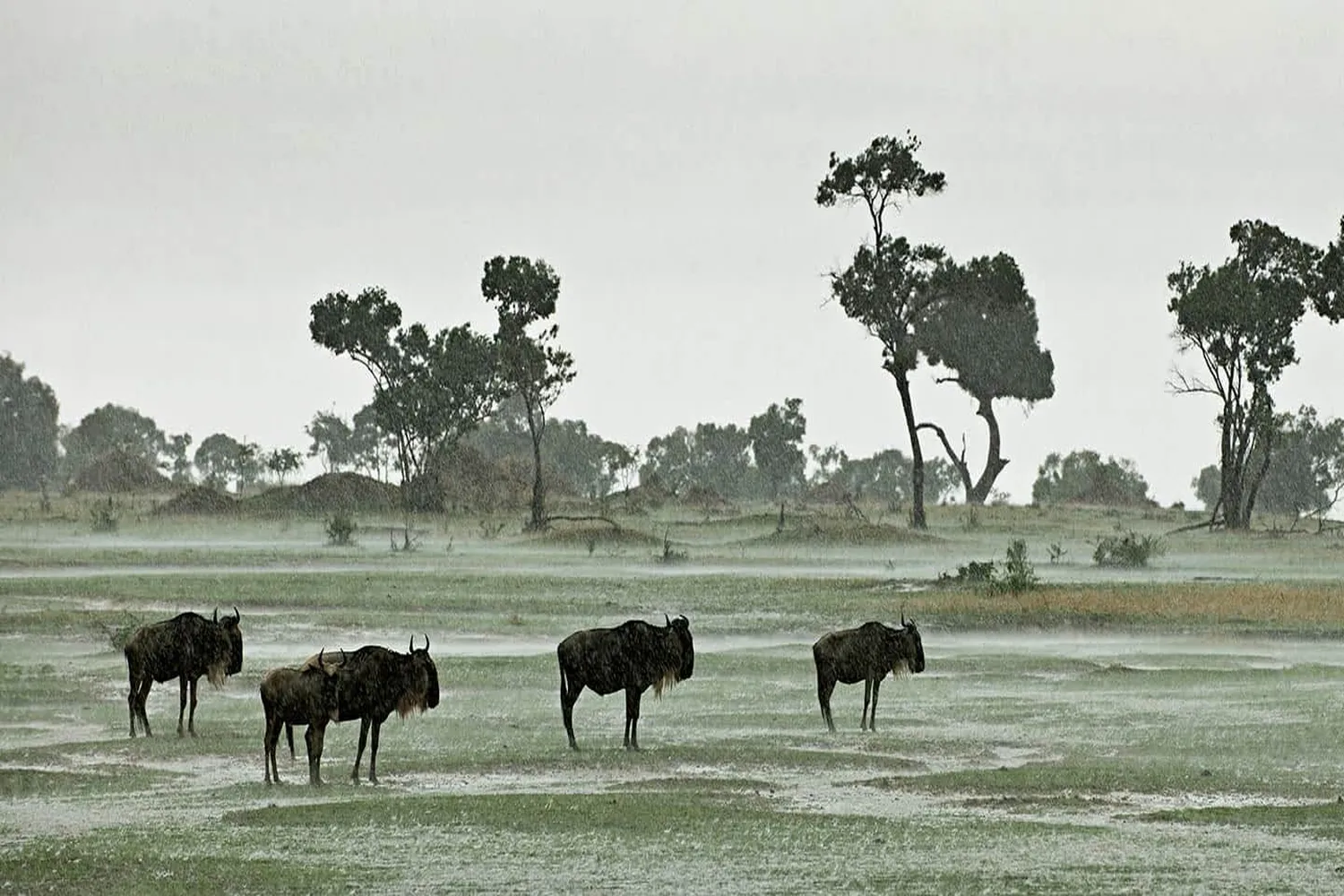
The Great Migration: A Highlight of Serengeti
The Great Migration, involving 1.5 million wildebeests and 200,000 zebras, is a key reason to visit. Quantitative: 80% of visitors aim to see it. Qualitative: “River crossings were unforgettable,” says a traveler.
- June-August: River crossings in northern Serengeti. Quantitative: 100,000 animals cross the Mara River.
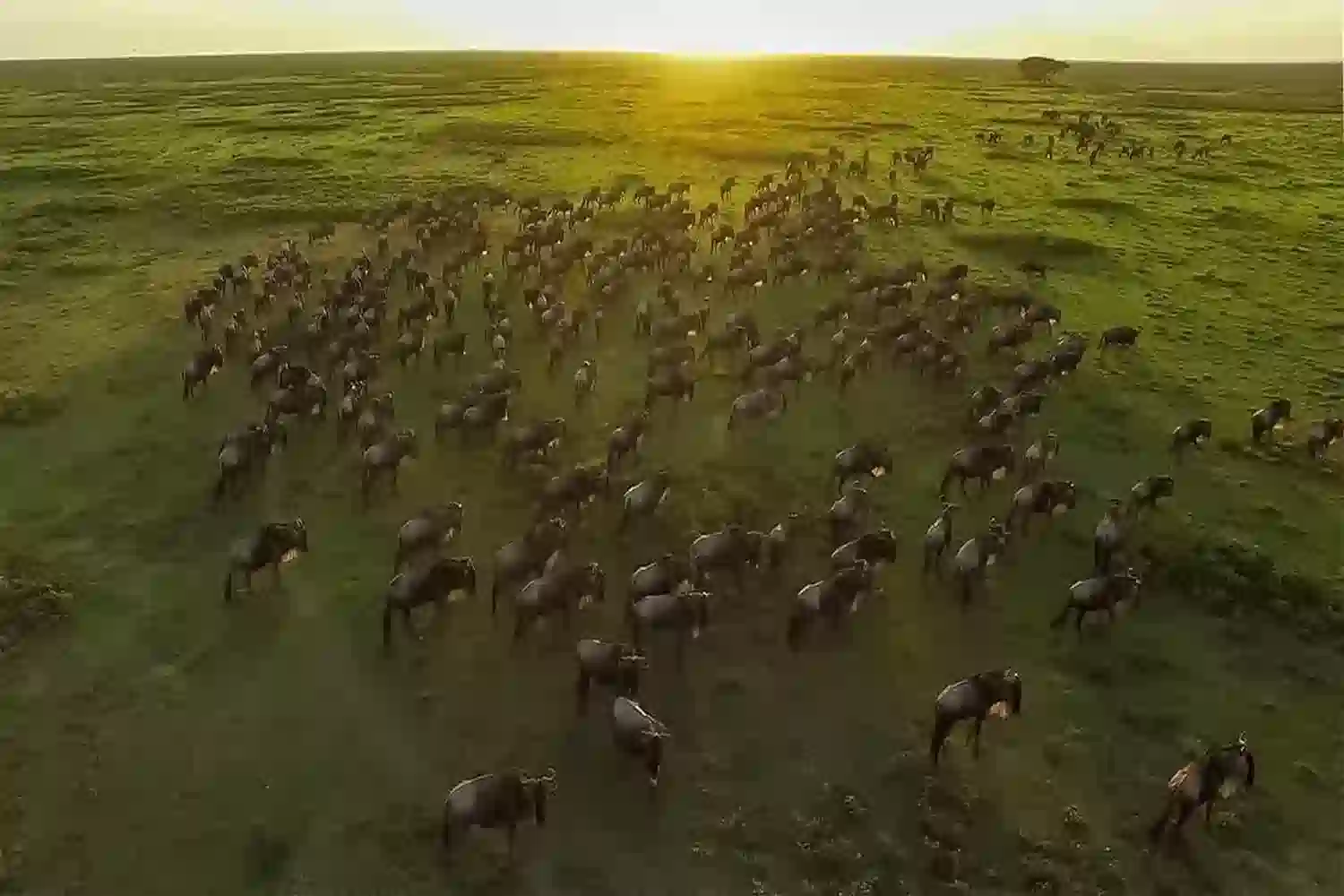
- February: Calving in southern Serengeti. Qualitative: “Saw thousands of calves,” notes a tourist.
- November-December: Migration moves south. Quantitative: 50% of herds in southern plains.
Hyenas and Scavengers: Wildlife Viewing by Season
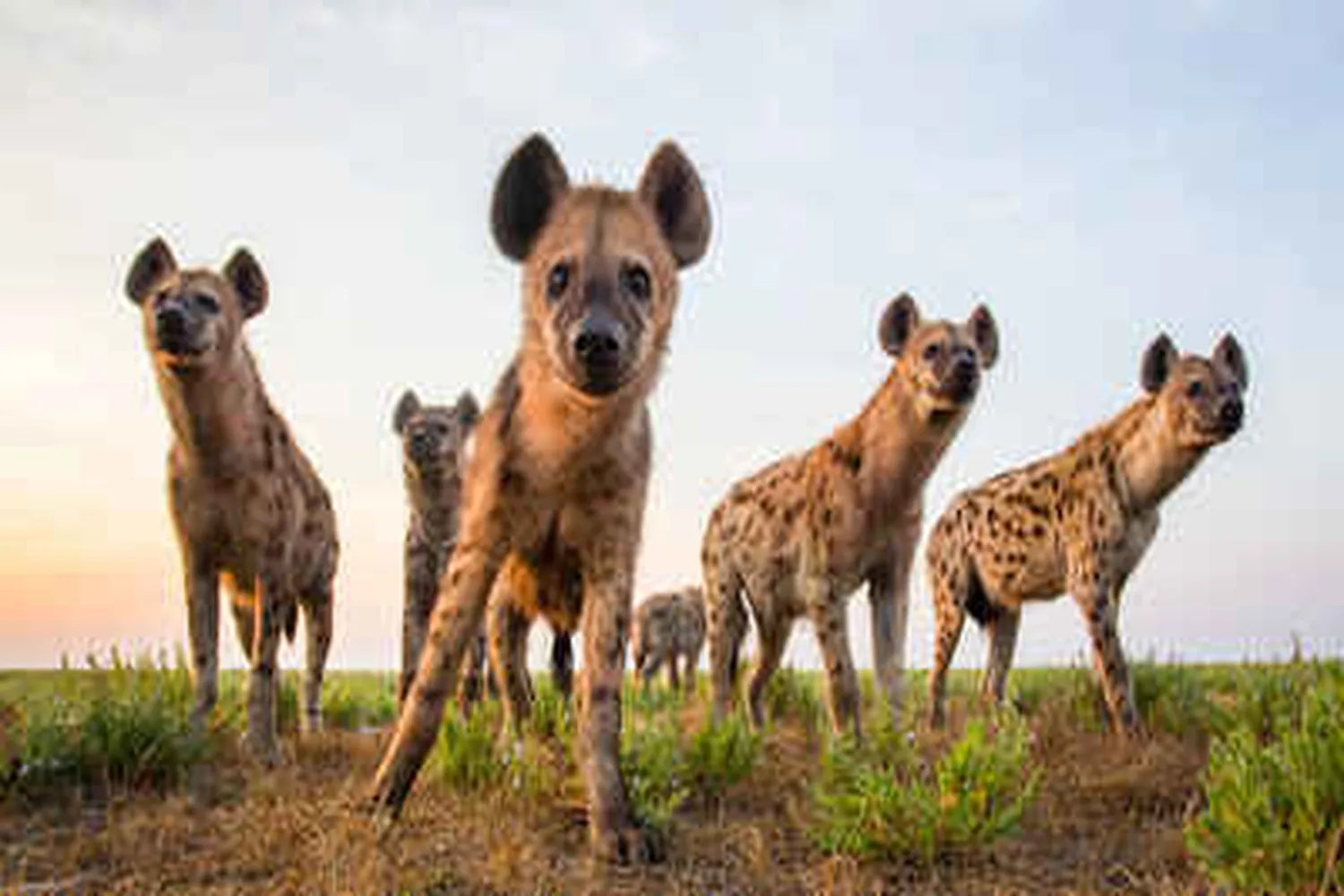
Hyenas, jackals, and vultures are abundant in Serengeti, especially near water sources. Quantitative: 65% of safaris spot hyenas; 7,000 hyenas in Serengeti. Qualitative: “Hyenas were thrilling to watch,” says a visitor.
- Dry Season: Scavengers cluster around waterholes. Quantitative: 80% of hyena sightings in June-September.
- Wet Season: Predators follow calving herds. Qualitative: “Vultures were active during calving,” notes a guide.
Weather and Packing Tips by Season
Packing depends on the season. See our packing guide for details. Quantitative: 90% of travelers pack for specific seasons.
- Dry Season: Lightweight, neutral-colored clothing, binoculars. Qualitative: “Light layers were perfect,” says a tourist.
- Wet Season: Waterproof jacket, sturdy boots. Quantitative: 60% of malaria cases occur in wet season. Qualitative: “Rain gear was essential,” notes a traveler.
| Season | Key Packing |
|---|---|
| Dry | Light clothing, binoculars |
| Wet | Raincoat, boots |
Health and Safety Considerations
Serengeti is malaria-endemic. Quantitative: 5.6 million malaria cases annually in Tanzania. Qualitative: “Malaria tablets ensured safety,” says a traveler.
- Malaria Tablets: Malarone or doxycycline; consult a doctor. Quantitative: 80% of travelers use Malarone.
- Insect Repellent: DEET-based (30-50%). Quantitative: 85% of travelers use repellents.
- Sunscreen: SPF 50 for high UV. Quantitative: UV index reaches 10.
Budget and Crowds by Season
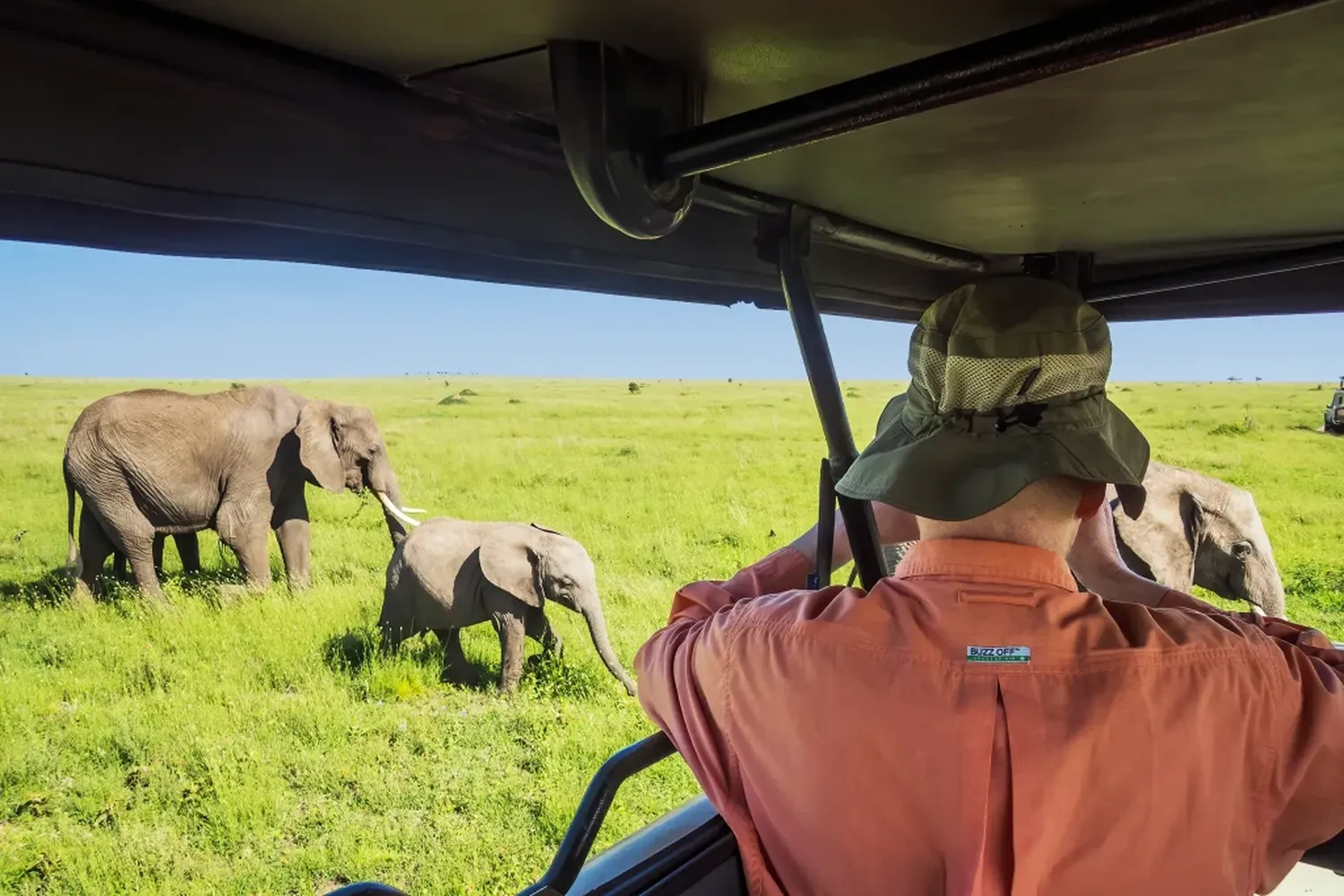
Dry Season: Higher costs, more crowds. Quantitative: 60% of 350,000 annual visitors. Qualitative: “Busy but worth it,” says a guest.
Wet Season: Lower rates, fewer tourists. Quantitative: 30% cost savings. Qualitative: “Felt like a private safari,” notes a traveler.
Combining Serengeti with Other Adventures
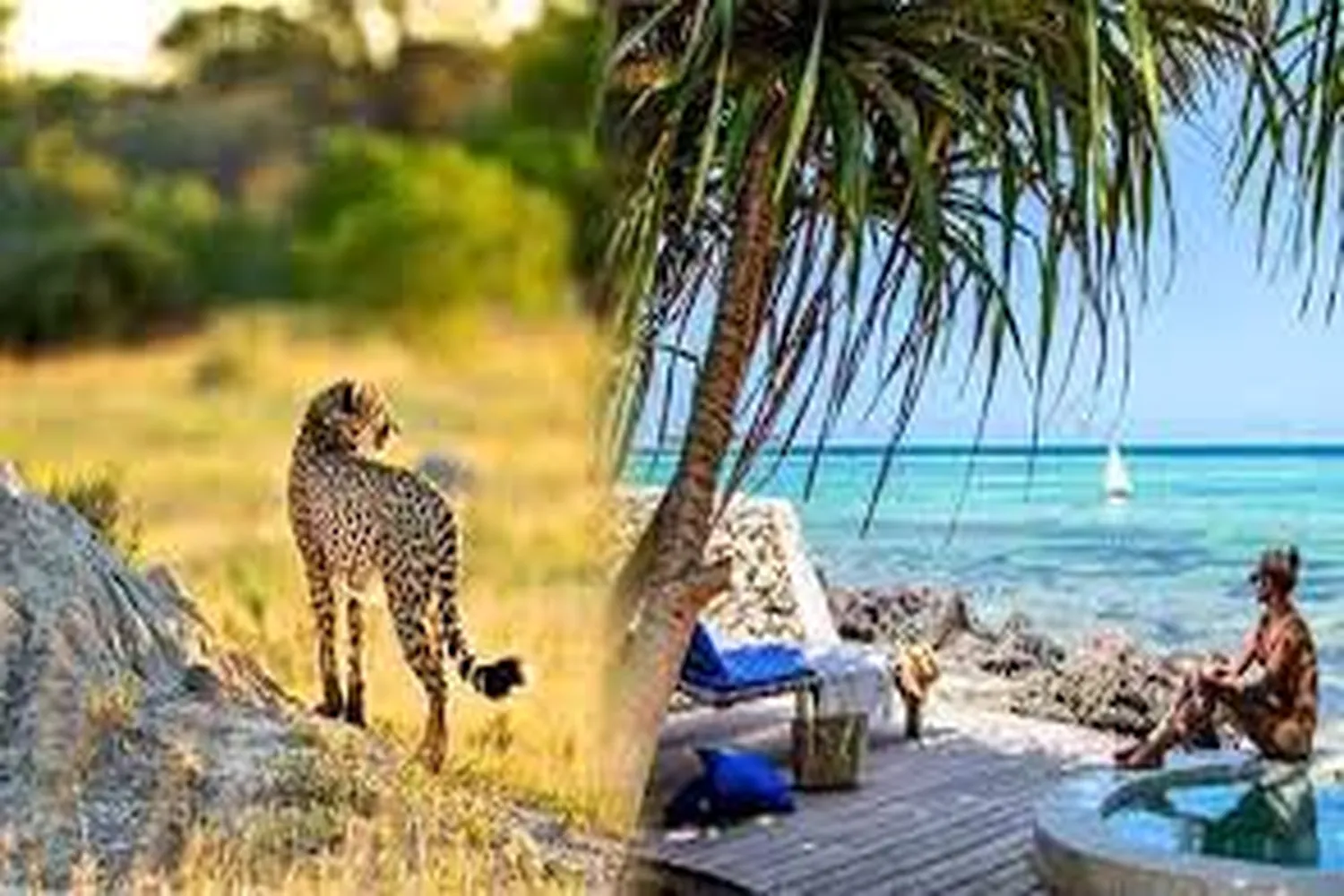
Pair your Serengeti safari with Kilimanjaro climbs or Zanzibar beaches. Quantitative: 25% of travelers combine activities. Qualitative: “Zanzibar was a perfect end,” says a tourist.
Quantitative Data: Serengeti Safari Stats
- Visitors: 350,000 annually, 60% in dry season.
- Wildlife: 4,000 lions, 7,000 hyenas, 1.5M wildebeests.
- Migration: 80% of visitors target Great Migration.
- Conservation: $350M supports Serengeti’s parks.
- Safety: 98% of safaris report no incidents.
Qualitative Insights: Traveler Experiences
“The dry season’s wildlife sightings were unreal,” says a traveler. Guides note, “Wet season’s calving is a hidden gem.” Quantitative: 95% of clients rate Serengeti safaris 5 stars.
Why Choose Jaynevy Tours for Serengeti Safaris?
Jaynevy Tours offers expert-guided Serengeti safaris, tailored itineraries, and eco-friendly practices with 95% client satisfaction. Qualitative: “Jaynevy’s timing advice was spot-on,” says a traveler. Book your 2026 safari now!
Frequently Asked Questions
When is the best time to visit Serengeti?
June to September is ideal for wildlife viewing due to dry weather and the Great Migration.
Is the wet season good for Serengeti safaris?
Yes, November to May offers lush landscapes and calving season, but expect rain.
When is the Great Migration in Serengeti?
June to October for river crossings; February for calving in southern Serengeti.
What wildlife can I see in Serengeti?
Lions, elephants, hyenas, and wildebeests; 70% of safaris spot the Big Five.
Is Serengeti crowded during peak season?
June to September sees 60% of annual visitors, but vast areas keep it manageable.
What is the weather like in Serengeti?
Dry season (June-September) is 20-30°C; wet season (November-May) is rainy.
Can I visit Serengeti on a budget?
Yes, off-peak (November-May) offers lower rates, with 30% cost savings.
What should I pack for a Serengeti safari?
Neutral clothing, binoculars, and malaria tablets; see our packing guide.
Is Serengeti safe for safaris year-round?
Yes, with expert guides; 98% of safaris report no safety issues.
Why choose Jaynevy Tours for Serengeti safaris?
Jaynevy Tours offers expert guides and tailored Serengeti safari experiences.