
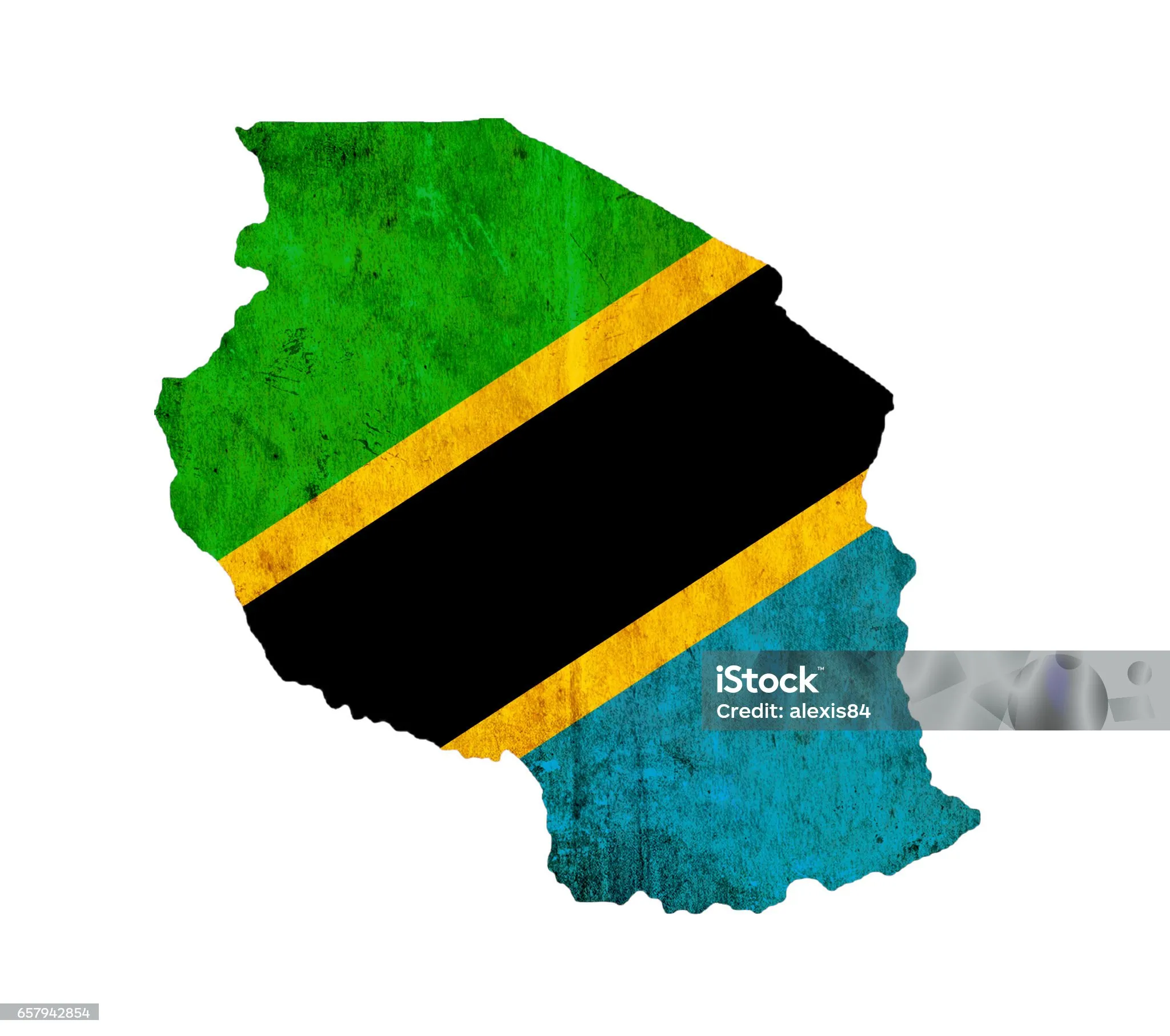
Who Owns Tanzania – Complete Guide 2026
If you are curious about the governance and ownership of Tanzania, you might wonder who owns Tanzania. This guide explains the political structure, land ownership, and how the country is governed in 2026.
1. Tanzania as a Sovereign Country
Tanzania is an independent and sovereign nation in East Africa. It is not “owned” by any individual, company, or foreign power. Ownership in the context of a country refers to sovereignty, governance, and control over national resources.
- Tanzania gained independence in 1961 (Tanganyika) and 1963 (Zanzibar).
- In 1964, Tanganyika and Zanzibar united to form the United Republic of Tanzania.
- The country is governed by its constitution, legal systems, and elected officials.
2. Political Ownership – Government and Leadership
Tanzania is a republic with a democratic government. Ownership in political terms lies with the people, who elect leaders to manage the country:
- President: Head of state and government, elected by Tanzanian citizens.
- Parliament: Legislative body that enacts laws and oversees governance.
- Judiciary: Independent courts ensuring laws are followed.
- Local Governments: Regional, district, and municipal authorities manage local affairs.
3. Land Ownership in Tanzania
While the country is sovereign, land ownership is regulated by law. Tanzania’s land belongs to the state, and citizens or organizations can acquire usage rights:
- Government-owned land: Managed by the state for public services, infrastructure, and conservation.
- Citizen leases: Individuals can lease land for residential, agricultural, or business purposes.
- Village land: Communities have ownership and control over village lands.
- Protected areas: National parks, forests, and reserves are managed by TANAPA and government agencies.
4. Foreign Ownership and Investment
Tanzania encourages foreign investment but retains sovereignty over natural resources. Key points include:
- Foreign investors can own businesses and properties under Tanzanian law.
- Strategic resources like minerals, water, and public lands remain under government control.
- Regulatory authorities ensure that foreign ownership does not compromise national interests.
5. Summary – Who Owns Tanzania
In conclusion:
- Tanzania is a sovereign country owned by its people and governed by elected officials.
- Land and natural resources are managed by the government, with citizens and companies having usage rights.
- Foreign entities can invest and operate businesses but cannot claim ownership of the country.
- The constitution ensures national unity, resource protection, and citizens’ rights.
For more insights on Tanzania’s government, history, and land regulations, visit www.jaynevytours.com.