
21-Day Tanzania Camping Safari
This 21-day Tanzania camping safari is a 20-night overland journey through Tarangire, Lake Manyara, Lake Eyasi, Ngorongoro Crater, Lake Natron and the central, western and northern Serengeti, designed for travelers who want an extended wildlife experience with simple camp-based accommodation. We arrange airport transfers, a private 4x4 safari vehicle and driver-guide, camping equipment and support, specified meals, park logistics and the confirmed campsites. The price of this 21-day Tanzania camping safari starts from USD 3,786 per person. The regional camp sequence changes with season, road access and wildlife movement, and camping requires comfort with shared facilities, early starts and wildlife sounds at night. The final package price and confirmed inclusions are provided in your written quotation.
Overview | Pricing and Inclusions | Itinerary | Best Time to Go | Wildlife and Migration | Camping Experience | Safety and Requirements | What to Pack | Who This Suits | FAQs
21-Day Tanzania Camping Safari Overview
This package combines shorter stays in Tarangire, Manyara, the Rift Valley and Ngorongoro with twelve nights across several Serengeti regions. It is a road-based camping expedition rather than a quick two-day tour, giving the guide flexibility to follow seasonal conditions without rushing between parks.
- 21 days and 20 nights from Arusha back to Arusha
- Private 4x4, driver-guide and camping support
- Sixteen protected-area camping nights and four transit-area nights
- Tarangire, Manyara, Ngorongoro and extended Serengeti game drives
- Lake Eyasi and Lake Natron landscapes with optional confirmed activities
Local expert insight: three weeks of camping works best with occasional slower mornings and simple non-park transit nights for washing, charging equipment and resupplying.
The next section explains the starting price and camping services.
How Much Does a 21-Day Tanzania Camping Safari Cost?
The price of this 21-day Tanzania camping safari starts from USD 3,786 per person. Your final amount depends on dates, group size, confirmed campsites, park and concession charges, camping crew requirements and optional cultural or walking activities.
This is one budget camping package. Tent type, sleeping equipment, toilet and shower arrangements, crew size, meal plan and every campsite are confirmed before payment.
What's Included in Your Camping Safari
- Arusha or Kilimanjaro Airport pickup and final drop-off
- Private 4x4 safari vehicle and professional driver-guide
- Camping tents, sleeping equipment and campsite setup support as confirmed
- Twenty nights at campsites or simple transit accommodation
- Safari meals and drinking water stated in the quotation
- Park, conservation, crater and campsite fees specifically listed
- Game drives and road transfers in the itinerary
What's Excluded from Your Package
- International flights, visas and comprehensive insurance
- Tips, alcoholic drinks, laundry and personal purchases
- Sleeping bags or specialist equipment unless written into the quotation
- Balloon flights, walking safaris and cultural visits unless confirmed
- Lodge upgrades, domestic flights and extra baggage
Decision guidance: compare camping quotations by checking tent quality, crew, meals, campsite category, fees and sleeping equipment—not price alone. See our payment options after receiving the final quotation.
The itinerary below shows how all 21 days fit together.
21-Day Tanzania Camping Safari Itinerary
The sample route uses four non-park nights and sixteen nights in protected areas. We adjust the Serengeti regional allocation to your travel month while maintaining the confirmed duration and services.
Day 1: Arrival and Arusha Briefing
Meet at Kilimanjaro Airport or the confirmed location and transfer to simple Arusha accommodation. Review equipment, route, dietary needs and departure time.
Day 2: Arusha to Tarangire National Park
Drive to Tarangire for an afternoon game drive and first campsite night.
Day 3: Full-Day Tarangire Game Drive
Explore river, woodland and baobab habitats. Elephants and other wildlife may be seen, but sightings depend on natural movement.
Day 4: Tarangire to Lake Manyara
Travel to Lake Manyara National Park for forest, woodland and lakeshore game viewing before camping at the confirmed location.
Day 5: Lake Manyara and Mto wa Mbu
Take a second Manyara-area game drive or a confirmed community activity, then continue to a simple Mto wa Mbu campsite or guest accommodation.
Day 6: Mto wa Mbu to Lake Eyasi
Drive to Lake Eyasi and settle at the confirmed campsite. Cultural activities operate only with advance consent, local guides and the arrangements listed in your quotation.
Day 7: Lake Eyasi to Ngorongoro Area
After a confirmed morning activity, continue to the Ngorongoro Conservation Area and camp at the designated site.
Day 8: Ngorongoro Crater to Central Serengeti
Descend for a crater game drive and picnic lunch, then drive to Serengeti National Park for camping in the central region.
Day 9: Full-Day Central Serengeti
Explore plains, river lines and kopjes using current wildlife information.
Day 10: Second Central Serengeti Day
Use another full day for patient sightings, photography and a different habitat.
Day 11: Central to Western Serengeti
Game-drive west through changing scenery toward the confirmed western campsite.
Day 12: Western Serengeti Game Drive
Explore the western corridor and Grumeti-area habitats. Seasonal herds may be present, but their position is not guaranteed.
Day 13: Second Western Serengeti Day
Take a full-day or split game-drive schedule according to wildlife, weather and camp operations.
Day 14: Western to Northern Serengeti
Drive north with game viewing en route. This can be a long transfer day on seasonal tracks.
Day 15: Northern Serengeti Game Drive
Explore river valleys and open plains. River crossings are unpredictable and cannot be promised.
Day 16: Full-Day Northern Serengeti
Continue game viewing in the most productive accessible area rather than waiting only at one river point.
Day 17: Final Northern Serengeti Day
Use a third full day for wildlife observation, photography and areas not previously covered.
Day 18: Northern to Central Serengeti
Return toward central Serengeti with wildlife stops and a campsite near the planned route.
Day 19: Final Full-Day Serengeti Game Drive
Spend a final complete day in central Serengeti, adjusting the route to conditions and interests.
Day 20: Serengeti to Arusha
Leave early for the long road journey through the highlands to Arusha. Check in, shower, reorganize and prepare for departure.
Day 21: Arusha Departure
Transfer to Kilimanjaro Airport or the confirmed final location according to your onward schedule.
Local expert insight: camp-to-camp distances in Serengeti can take longer than expected because of rough tracks, rain and wildlife stops. The route should remain flexible.
Seasonal conditions determine which Serengeti regions deserve the most time.
Best Time for a 21-Day Tanzania Camping Safari
The safari can operate year-round, but June to October generally offers drier campsites and tracks. November to March brings greener scenery and seasonal wildlife movement, while April and May can make remote tracks muddy and some camps difficult to use.
| Period | Camping conditions | Route guidance |
|---|---|---|
| June to October | Drier ground, dusty tracks and cold nights | Prioritize west or north according to migration movement |
| November to March | Green scenery, showers and warmer conditions | Shift Serengeti nights toward seasonally suitable areas |
| April to May | Heavier rain, mud and possible camp closures | Confirm access and allow major flexibility |
Local expert insight: camping nights can be much colder on the Ngorongoro rim than at Lake Eyasi or Lake Natron. One sleeping setup may need different clothing layers across the route.
Decision guidance: choose the dry season for simpler camp logistics or the green season for lush landscapes if you accept rain and route changes.
Season improves positioning, but wildlife remains unpredictable.
Wildlife and Great Migration Expectations
You may encounter elephants, lions, buffaloes, giraffes, zebras, wildebeest, gazelles, hyenas, cheetahs, hippos and varied birdlife. Leopard and rhino are possible but less predictable, and no Big Five or migration sighting is guaranteed.
- Tarangire baobab and elephant habitat
- Lake Manyara forest and lakeshore wildlife
- Ngorongoro Crater's compact mixed ecosystem
- Central Serengeti predators and resident wildlife
- Western and northern seasonal migration areas
Local expert insight: migration timing follows rainfall and grazing, not exact calendar dates. Camps should be placed around the season rather than promising one fixed route year-round.
Decision guidance: choose this itinerary for depth and camping immersion. A shorter northern Tanzania safari suits travelers who prefer less time on rough roads.
Camping comfort and crew arrangements are central to a successful three-week trip.
What the Tanzania Camping Experience Is Like
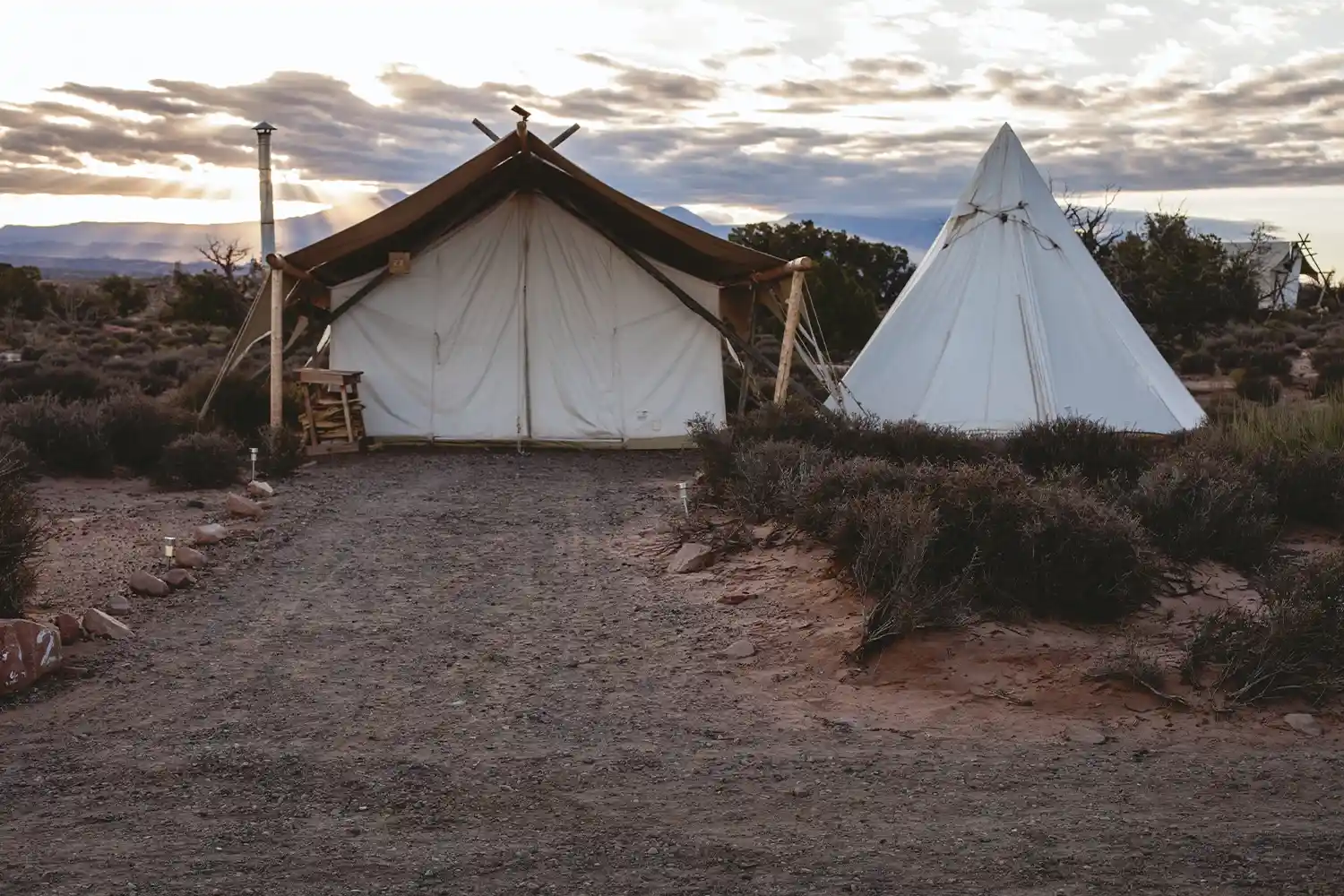
The starting package uses budget public or designated campsites, simple tents and safari meals prepared according to the confirmed crew arrangement. Facilities vary by location and may include shared toilets and showers, limited electricity and restricted water.
- Tent and sleeping setup confirmed before booking
- Campsite setup and meal support according to crew size
- Shared facilities at many public campsites
- Wildlife sounds and limited artificial lighting at night
- Lodge upgrades possible on selected nights
Local expert insight: keep the tent zipped, do not store food inside it and use a headlamp after dark. Always follow the guide's instructions when moving around camp.
Decision guidance: choose this package for close-to-nature simplicity, not hotel-style privacy. Upgrade selected nights if reliable hot showers, private bathrooms or charging access are essential.
Remote camping also requires clear safety and participation expectations.
Camping Safari Safety and Participation Requirements
Travelers should be comfortable with long drives, uneven ground, basic shared facilities and sleeping in wildlife areas. We coordinate the vehicle, guide and camp support; park rules and guide instructions control movement and safety at every campsite.
- Never leave the tent or campsite at night without following guide instructions
- Keep food, scented products and rubbish secured as directed
- Tell us about medical, mobility, dietary and child requirements in advance
- Carry comprehensive insurance covering camping safari and evacuation
- Seek current vaccination and malaria guidance from a qualified professional
Local expert insight: dust, cold nights, heat and bumpy roads accumulate over 21 days. Rest, hydration and prompt communication about discomfort are important.
Decision guidance: discuss lodge substitutions if a traveler cannot use shared facilities, sleep on camping bedding or enter a high-clearance vehicle comfortably.
Appropriate personal equipment makes the experience safer and more comfortable.
What to Pack for a 21-Day Camping Safari
Bring neutral layered clothing, a warm jacket, sun and rain protection, sturdy shoes, a headlamp, personal medication and durable charging equipment. Confirm whether the package supplies a sleeping bag or whether you must bring or rent one.
- Warm sleeping bag rated for cold Ngorongoro nights, if not supplied
- Headlamp, spare batteries and power bank
- Long sleeves, safari trousers, fleece, rain jacket and hat
- Closed shoes, sandals, sunscreen and insect repellent
- Binoculars, camera protection and dust-cleaning kit
- Personal toiletries, quick-dry towel, medication and documents
Local expert insight: pack in soft-sided bags and separate essentials into smaller waterproof pouches. Campsite dust and rain can reach luggage during setup and transfers.
With the camping conditions understood, the next question is whether the long expedition style suits you.
Who This 21-Day Camping Safari Suits
This package suits adventurous couples, photographers, small private groups and families with older children who value wildlife time, simple camps and an extended road journey more than hotel comfort.
It is less suitable for travelers who need private bathrooms every night, have difficulty sleeping on camping beds, prefer frequent flights or want a fast-paced checklist of many unrelated destinations.
Decision guidance: choose the 21-day format for deep northern-circuit coverage. Ask for selected lodge nights, fewer Serengeti regions or a shorter itinerary when comfort or time matters more.
The FAQs below answer the final questions before booking.
Frequently Asked Questions about the 21-Day Tanzania Camping Safari
How much does the 21-day Tanzania camping safari cost?
The price of our 21-day Tanzania camping safari starts from USD 3,786 per person. The final price depends on dates, group size, campsite availability, park-fee changes and optional activities, and is confirmed in your written quotation.
Which destinations are included in the 21-day camping safari?
The itinerary includes Arusha, Tarangire, Lake Manyara, Mto wa Mbu, Lake Eyasi, Ngorongoro Crater, Lake Natron and central, western and northern Serengeti.
What type of camping is included?
The starting package uses budget public or designated campsites, with tents, sleeping equipment, camping meals and support services confirmed in your quotation. Some transit nights use simple accommodation outside protected areas.
Are Great Migration sightings guaranteed?
No. Migration herds move with rainfall and grazing conditions, and river crossings are unpredictable. We adjust the Serengeti camp sequence to the normal seasonal pattern, but no location or sighting can be guaranteed.
Is a 21-day camping safari suitable for families?
It can suit adventurous families with older children who are comfortable with simple facilities, long drives and wildlife sounds at night. We confirm campsite, child and sleeping arrangements before booking.
Can I upgrade some camping nights to lodges?
Yes. We can replace selected campsite nights with lodges or tented camps, subject to availability. The upgrade changes the price and is listed in your written quotation.
How do I book the 21-day Tanzania camping safari?
Send your travel dates, group size, sleeping preferences and any dietary, medical or mobility requirements. We will check campsites and services before sending a written quotation and payment instructions.