
Complete Guide: 7-Day Kilimanjaro Climbing Tour via Machame Route
The Kilimanjaro Machame Route offers one of the most spectacular and rewarding paths to the summit of Africa’s highest peak. This 7-day climbing adventure takes you through 62 kilometers of diverse terrain, from lush rainforests to arctic conditions at Uhuru Peak (5,895m). Known as the “Whiskey Route,” the Machame path provides exceptional scenic beauty while maintaining excellent acclimatization opportunities that result in success rates of 90-95%.
Machame Route Key Highlights:
- Montane Rainforest Zone (1,800m-2,800m): Encounter towering trees draped in moss, creating a mystical atmosphere. This lush environment is home to colobus monkeys, blue monkeys, and over 140 bird species.
- Moorland Zone (2,800m-4,000m): Experience a dramatic landscape transformation with giant heathers and lobelias creating an otherworldly environment.
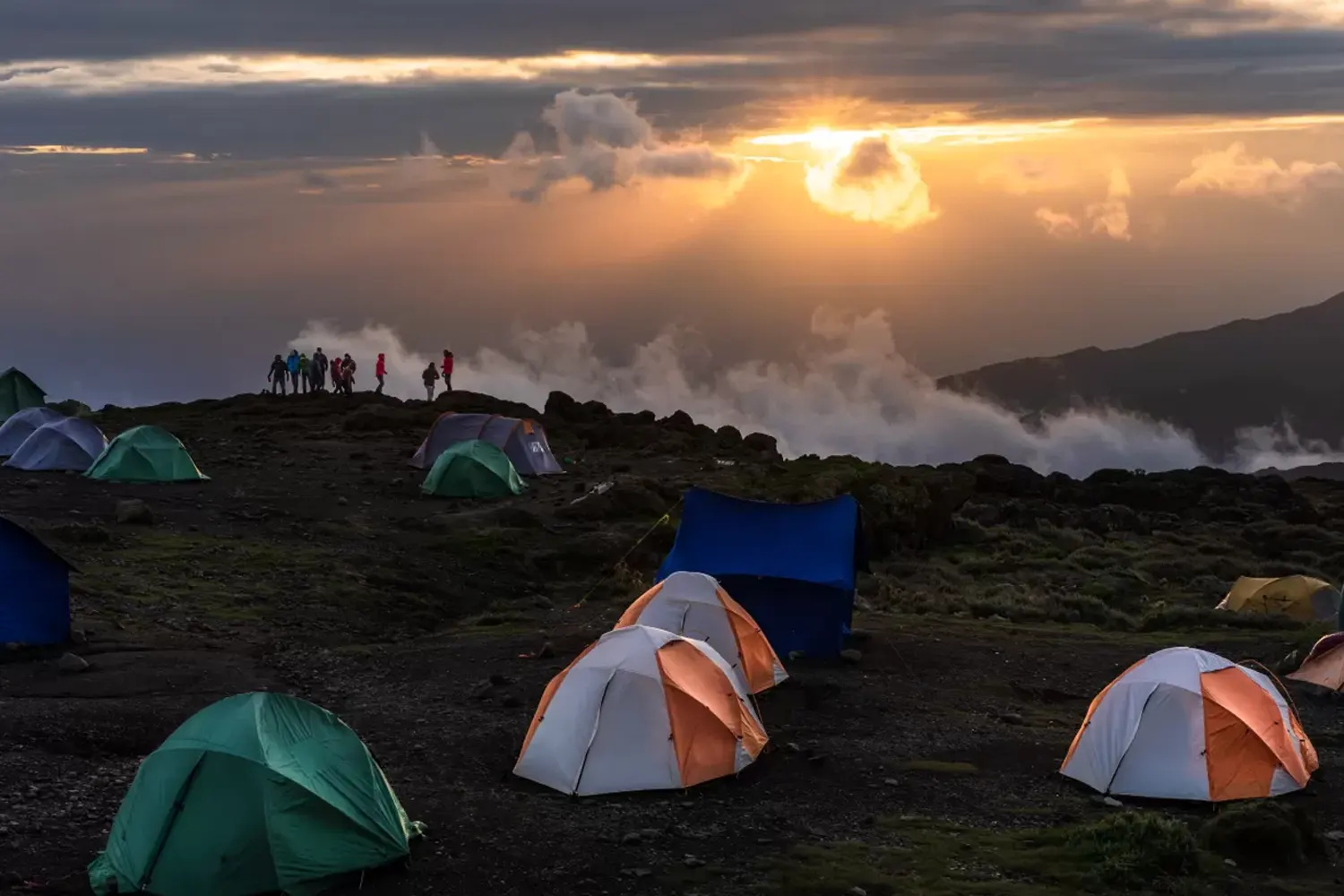
- Shira Plateau: One of the world’s largest high-altitude plateaus, offering panoramic views across the African plains. This ancient volcanic caldera provides stunning sunrise and sunset vistas.
- The Barranco Wall: A thrilling scramble that requires no technical climbing experience but provides an adrenaline rush and incredible views.
- Alpine Desert Zone (4,000m-5,000m): Witness stark beauty and thin air in this harsh environment where only the hardiest plants survive. The landscape becomes increasingly lunar-like.
- Arctic Zone (above 5,000m): Experience glaciers, ice fields, and permanent snow at the equator. Reaching Uhuru Peak rewards climbers with 360-degree views across Kenya and Tanzania.
The Machame Route is specifically designed to maximize these highlights while allowing proper acclimatization. Each day presents new vistas and ecosystems, creating a constantly changing backdrop for your adventure. The circular route ensures you never see the same scenery twice, offering a complete experience of Kilimanjaro’s diverse environments.
7-Day Kilimanjaro Climbing Tour via Machame Route Overview
Our Kilimanjaro Machame Route 7-day program includes professional WFR-certified guides, daily health monitoring, emergency oxygen, and all camping equipment. The tour begins with arrival at Kilimanjaro International Airport, followed by a pre-trek briefing in Arusha or Moshi. The climbing experience spans seven carefully planned days, allowing your body to adapt gradually to increasing altitudes through the proven “climb high, sleep low” principle.
What makes this tour special is the combination of challenging terrain, breathtaking landscapes, and professional support. You’ll traverse five distinct climate zones, from tropical rainforest at Machame Gate (1,800m) to the arctic summit zone. The route includes iconic features like the Barranco Wall climb and stunning views from Shira Plateau. Our experienced team ensures your safety while maximizing your chances of reaching Uhuru Peak.
The tour includes airport transfers, park fees, professional guides and porters, all meals on the mountain, camping equipment, and emergency support. This complete package eliminates the stress of planning logistics, allowing you to focus entirely on the incredible journey ahead. With proper preparation and our expert guidance, climbing Kilimanjaro via the Machame Route becomes an achievable dream for adventurous travelers seeking the ultimate African mountain experience.
You can directly Book your 7-Day Kilimanjaro Climbing Tour via Machame Route via email at jaynevytours@gmail.com or via WhatsApp at +255 678 992 599
Itinerary for 7-Day Kilimanjaro Climbing Tour via Machame Route
Day 1: Arrival
Arrive at Kilimanjaro International Airport with transfer to your hotel in Arusha or Moshi (45-60 minute drive). The evening includes a comprehensive pre-trek briefing where guides review equipment, discuss the route, and answer questions. This preparation day ensures you’re mentally and physically ready for the adventure ahead.
Day 2: Machame Gate (1,800m) to Machame Camp (3,000m)
After breakfast and final equipment checks, drive to Machame Gate for registration and porter organization. Begin the 11-kilometer hike through dense rainforest, taking 5-7 hours. The trail gradually ascends through moss-covered trees and ferns. Lunch is served en route. Arrive at Machame Camp for dinner and overnight stay.
Day 3: Machame Camp to Shira Camp (3,840m)
Trek 5 kilometers from Machame Camp to Shira Camp, taking 4-6 hours through moorland terrain. The landscape transforms dramatically, revealing stunning views as you emerge from the forest zone. Lunch is served en route. Afternoon acclimatization walks around camp increase your chances of a successful summit.
Day 4: Shira Camp to Barranco Camp (3,900m) via Lava Tower (4,600m)
Implement a crucial acclimatization strategy by climbing to Lava Tower (4,600m) before descending to Barranco Camp (3,900m) for overnight rest. This “climb high, sleep low” approach helps your body adjust to altitude. The 7-kilometer journey takes 6-8 hours through alpine desert landscapes.
Day 5: Barranco Camp to Karanga Camp (4,040m)
Tackle the famous Barranco Wall, a thrilling scramble that requires no technical climbing experience. The 6-kilometer journey to Karanga Camp takes 4-5 hours and offers stunning views of the summit. Rest in the afternoon and prepare for the summit push.
Day 6: Karanga Camp to Barafu Camp (4,763m)
Complete a shorter 4-kilometer hike to Barafu Camp, taking 3-4 hours. This is your final base before the summit attempt. Early dinner and rest before midnight departure for the summit.
Day 7: Summit Day - Barafu Camp to Uhuru Peak (5,895m) to Mweka Camp (3,100m)
Begin with a midnight start for the summit push. The 5-kilometer ascent to Uhuru Peak takes 6-8 hours, followed by a 16-kilometer descent to Mweka Camp. This challenging 12-15-hour day represents the culmination of your Kilimanjaro adventure.
Day 8: Mweka Camp to Mweka Gate (1,800m)
Complete the final 10-kilometer descent to Mweka Gate, taking 3-4 hours through forest terrain. Receive summit certificates, say goodbye to your mountain crew, and transfer to your hotel for a well-deserved hot shower and celebration.
Price inclusions and exclusions
Price Inclusions for 7-Day Kilimanjaro Climbing Tour via Machame Route
- Park Fees: Daily fees covering access to Mount Kilimanjaro National Park and supporting conservation efforts
- Professional Guides: WFR-certified leaders with extensive experience, maintaining a guide-to-climber ratio never exceeding 1:2
- Porter Service: Experienced porters carry camping equipment and supplies, adhering to fair weight guidelines
- Camping Equipment: Waterproof sleeping tents, comfortable foam mattresses, private toilet tents, and solar-lit dining areas
- Emergency Equipment: Oxygen supplies, comprehensive first aid kits, and satellite communication devices
- Meals: Three nutritious meals daily prepared by experienced mountain chefs using fresh ingredients
- Hydration: Hot drinks and snacks throughout the day to maintain energy levels
- Transportation: Airport transfers between Kilimanjaro International Airport and your hotel, plus transfers to and from mountain gates
- Pre-Trek Briefing: Comprehensive information covering route details, safety procedures, and equipment checks
- Health Monitoring: Daily checks, including oxygen saturation and pulse rate measurements
Price Exclusions for 7-Day Kilimanjaro Climbing Tour via Machame Route
- International Flights: Airfare to Tanzania varies significantly based on your departure location
- Visa Fees: Approximately $50 for most nationalities, payable upon arrival or obtainable online
- Travel Insurance: Mandatory coverage for high-altitude trekking and emergency evacuation
- Personal Equipment: Hiking boots, clothing layers, sleeping bags, and a daypack (available for rental)
- Tips: recommended for guides and porters, following local customs
- Pre/Post-Trek Accommodation: Hotels in Arusha or Moshi require a separate booking
- Personal Expenses: Souvenirs, additional meals, beverages, and personal items
- Specialized Medication: Altitude sickness prevention medication like Diamox requires a prescription
- Excess Baggage Fees: Porter weight limitations may require additional fees for excess items
All inclusions are designed to provide a comprehensive, stress-free experience that focuses on safety, comfort, and summit success. Our transparent pricing ensures no hidden costs or unexpected expenses during your journey.
7-Day Kilimanjaro Climbing Tour Price & Payment Information
Standard Package Pricing:
- Groups of 4-6 climbers: $2,500-$2,900 per person
- Small groups (2-3 people): $2,700-$3,100 per person
- Solo climbers: From $3,200 (or join scheduled group departures)
- Large groups (8-12 people): From $2,200 per person
- Corporate or educational groups (15+): Special rates available
Seasonal Variations:
- Peak season (June-October and December-March): Premium rates due to optimal weather conditions
- Shoulder seasons (April-May and November): Reduced pricing (10-15% discount) but higher weather risks
- Early booking discount: 5-10% for reservations made 6+ months in advance
What Affects Pricing:
- Group size (larger groups benefit from economies of scale)
- Season of travel (peak vs. shoulder seasons)
- Service level (standard vs. premium options)
- Private vs. shared departures
- Additional services (equipment rental, extra hotel nights)
Payment Terms:
- 30% deposit required to secure your booking
- Balance due 60 days before departure
- Payment methods: Bank transfers, PesaPal
- Flexible payment plans available for bookings made 4+ months in advance
All prices include park fees, guide services, porter support, meals, and camping equipment as outlined in the “What’s Included” section. Transparent pricing ensures no hidden costs during your journey, allowing you to budget appropriately for this once-in-a-lifetime adventure. Custom packages can be tailored to specific requirements and preferences upon request.
You can directly Book your 7-Day Kilimanjaro Climbing Tour via Machame Route via email at jaynevytours@gmail.com or via WhatsApp at +255 678 992 599
What to Pack for Your 7-Day Kilimanjaro Climbing Tour
Creating the proper Kilimanjaro packing list is essential for summit success and comfort throughout your climb. The mountain’s diverse climate zones require a layering system that adapts to temperatures ranging from tropical heat to arctic cold.
Essential Footwear:
- Waterproof hiking boots with ankle support (broken in before arrival)
- Gaiters to prevent debris from entering boots
- Camp shoes (lightweight sandals or slip-ons) for evenings
- 4-6 pairs of hiking socks (merino wool or synthetic blends)
Clothing System:
- Base Layers: 2-3 moisture-wicking short-sleeve shirts, 2 long-sleeve thermal tops, 2 pairs of thermal leggings
- Mid Layers: Fleece jacket, insulated synthetic/down vest
- Outer Layers: Waterproof/breathable rain jacket and pants, insulated down jacket for extreme cold
- Accessories: Warm hat, sun hat, bandana/buff, liner gloves, insulated gloves, sunglasses with UV protection
Sleeping Gear:
- 4-season sleeping bag rated to -20°C (rentals available)
- Sleeping bag liner for extra warmth and hygiene
- Inflatable pillow for comfort
Personal Equipment:
- Headlamp with extra batteries (critical for summit night)
- Trekking poles for stability and joint protection
- Daypack (30-40 liters) with rain cover
- 3-4 liter water capacity (bottles or hydration system)
- Sunscreen (SPF 50+), lip balm with SPF
- Personal medications and first aid supplies
- Hand sanitizer and wet wipes
Documentation:
- Passport with visa
- Travel insurance documents
- Daypack (30-40 liters) with rain cover
- Cash for tips and incidentals (US dollars preferred)
Electronic Devices:
- Camera with extra batteries (cold depletes battery life)
- Power bank for charging devices
- Optional: GPS device or altitude watch
Pack everything in waterproof stuff sacks or plastic bags to protect against moisture. Remember that porters carry the majority of your gear (limited to 15kg per person), allowing you to hike with just a daypack containing essentials. Rental equipment is available in Arusha/Moshi, but bringing your own properly fitted boots and personal items is recommended.
You can directly Book your 7-Day Kilimanjaro Climbing Tour via Machame Route via email at jaynevytours@gmail.com or via WhatsApp at +255 678 992 599
Machame Route Accommodations
Your mountain accommodation on the Kilimanjaro Machame Route consists of high-quality camping facilities at designated sites. Each campsite provides essential amenities while maintaining the authentic wilderness experience that makes this adventure special.
Sleeping Arrangements:
- Three-season waterproof tents designed for mountain conditions
- Two-person occupancy with ample space for gear storage
- Comfortable 2-inch foam mattresses provide insulation from the cold ground
- Vestibules for equipment storage and changing clothes
- Professional setup and breakdown by our porter team
Campsite Facilities:
- Large solar-lit dining tents with tables and chairs
- Private toilet tents at each camp ensure hygiene and privacy
- Level tent platforms at established campsites
- Basic washing facilities with warm water provided daily
Camp Locations:
- Machame Camp (3,000m): Set in a forest clearing with towering trees providing natural windbreaks
- Shira Camp (3,840m): Located on an expansive plateau offering clear night skies perfect for stargazing
- Barranco Camp (3,900m): Nestled beneath the dramatic Barranco Wall with stunning sunrise views
- Karanga Camp (4,040m): The last comfortable night before the summit attempt
- Barafu Camp (4,763m): High-altitude base camp serving as the staging point for summit push
- Mweka Camp (3,100m): Forest setting for your final night, where the air is thick and oxygen-rich
All camps follow Leave No Trace principles, ensuring minimal environmental impact. While basic in nature, the camping experience creates lasting bonds between climbers sharing this incredible adventure. The temporary nature of mountain accommodation is balanced by the comfort of quality equipment, professional camp management, and the extraordinary settings that make each location memorable.
For pre- and post-climb accommodation, we recommend comfortable tourist-class hotels in Arusha or Moshi, which can be arranged as add-ons to your package.
You can directly Book your 7-Day Kilimanjaro Climbing Tour via Machame Route via email at jaynevytours@gmail.com or via WhatsApp at +255 678 992 599
Best Time to climb Kilimanjaro via Machame Route
The optimal timing for climbing Kilimanjaro via the Machame Route depends on weather patterns, crowd levels, and personal preferences. Understanding seasonal variations helps you plan the ideal time for your adventure.
Long Dry Season (June-October):
- Most reliable weather with clear skies and minimal rainfall
- Excellent visibility for photography and summit views
- Stable temperatures create predictable climbing conditions
- July and August represent peak climbing season, with the highest success rates
- Larger crowds at campsites and on the trail
- Higher pricing due to peak season demand
- Recommended for first-time climbers prioritizing optimal conditions
Short Dry Season (December-mid-March):
- Generally good conditions with clear skies and moderate temperatures
- January and February offer particularly good climbing weather
- The possibility of snow above 14,000 feet adds dramatic beauty
- Fewer climbers than the main season, while maintaining high success rates
- Special experience of the New Year or Christmas summit possibilities
- Slightly lower pricing than the peak July-August period
Rainy Seasons (avoid if possible):
- Long rains (late March through May): Heavy precipitation creates muddy, slippery trails
- Short rains (November): Unpredictable weather patterns and increased storm risk
- Reduced visibility affecting photography and scenic views
- Higher risk of weather-related route closures
- Lower success rates due to challenging conditions
- Reduced pricing reflecting weather risks
- Only recommended for experienced mountaineers on tight schedules
Temperature Considerations:
- Minimal seasonal temperature variations at base (25-30°C daytime)
- Summit temperatures range from -5°C to -20°C regardless of season
- Nighttime temperatures progressively drop with elevation in all seasons
- Wind chill factor significantly impacts comfort throughout the year
For most climbers, July-September and January-February provide the optimal balance of good weather, reasonable crowds, and high success rates. These periods maximize your investment while providing the safest and most enjoyable climbing experience.
You can directly Book your 7-Day Kilimanjaro Climbing Tour via Machame Route via email at jaynevytours@gmail.com or via WhatsApp at +255 678 992 599
What you will Eat on your 7-Day Kilimanjaro climbing Tour
Mountain cuisine on the Kilimanjaro Machame Route combines nutrition, taste, and practicality to fuel your climbing adventure. Our experienced mountain chefs prepare three substantial meals daily using fresh ingredients transported to each camp by porters.
Breakfast (6:30-7:30 AM):
- Hot porridge with honey and fresh fruits
- Eggs prepared to order (scrambled, fried, or omelet)
- Toast with butter, jam, and peanut butter
- Pancakes or French toast on alternating days
- Fresh fruits when available (bananas, oranges, watermelon)
- Hot beverages (coffee, tea, hot chocolate)
Lunch (12:30-1:30 PM):
- Hot soups to maintain warmth and hydration.
- Sandwiches with various fillings.
- Pasta or rice dishes with vegetable sauces.
- Fresh vegetables, when possible.
- Energy-dense snacks and cookies.
- Hot and cold beverages.
Dinner (6:30-7:30 PM):
- Three-course meals beginning with soup
- Main courses rotating between:
- Rice dishes with curry or stew
- Pasta with various sauces
- Potato-based meals
- Occasional local specialties
- Protein options, including chicken, beef, and fish (lower elevations)
- Fresh fruits or simple desserts
- Hot beverages throughout the evening
Special Dietary Accommodations:
- Vegetarian: Protein-rich legumes, fresh vegetables, and dairy products
- Vegan: Plant-based proteins and elimination of all animal products
- Gluten-Free: Alternative grains, avoiding wheat, barley, and rye
- Halal/Kosher: Preparation following religious dietary guidelines
- Allergies: Careful preparation and avoiding specific allergens
Hydration System:
- Purified water provided daily (3-4 liters per person)
- Hot beverages are available throughout the day
- Electrolyte supplements are recommended to prevent dehydration
All food preparation follows strict hygiene protocols to prevent foodborne illness at altitude. The mountain menu balances carbohydrates for energy, proteins for muscle recovery, and essential nutrients to support your body’s adaptation to high altitude conditions. While not gourmet dining, the quality and quantity of food often surprise climbers and provide the essential fuel needed for this challenging adventure.
Travel Requirements when coming in Tanzania to Climb Kilimanjaro
Proper preparation regarding entry requirements, health precautions, and documentation ensures a smooth start to your Kilimanjaro adventure.
Entry Requirements:
- Valid passport with at least six months remaining validity
- Two blank pages for visa stamps and entry/exit records
- Tourist visa ($50 USD for most nationalities)
- Visa options:
- On arrival at Kilimanjaro International Airport (cash payment)
- E-visa application through the official Tanzania immigration website
- A visa from the Tanzanian embassy/consulate in your country
- Proof of onward travel (return/onward ticket)
- Proof of sufficient funds for your stay
Health Requirements:
- Yellow fever vaccination is mandatory if arriving from endemic countries
- A vaccination certificate must be presented upon arrival
- Recommended vaccinations (Hepatitis A and B, Typhoid, Meningitis)
- Routine immunizations (measles, mumps, rubella)
- Malaria prophylaxis for lower elevations (consult travel medicine specialist)
- COVID-19 requirements (check current guidelines before travel)
Insurance Requirements:
- Comprehensive travel insurance is mandatory for all climbers
- Policy must specifically cover - High-altitude trekking up to 6,000 meters, Emergency evacuation and repatriation, Medical expenses, including mountain rescue, Trip cancellation/interruption, Equipment loss or damage)
- An insurance certificate is required at the pre-climb briefing
Financial Preparations:
- US dollars are widely accepted for major expenses
- New bills (2009 series or newer) preferred by local vendors
- ATMs are available in Arusha and Moshi for local currency
- Credit cards are accepted in major hotels and restaurants
- Cash necessary for tips, small purchases, and emergencies
Communication Planning:
- Passport with visa
- Travel insurance documents
- Daypack (30-40 liters) with rain cover
- Cash for tips and incidentals (US dollars preferred)
Electronic Devices:
- Purchase a local SIM card for affordable communication
- Limited mobile coverage on the lower slopes of the mountain
- Inform family/friends about limited contact during the climb
- Register with your country’s embassy in Tanzania
Pre-departure planning should begin at least 2-3 months before your trip, with special attention to visa processing times and vaccination schedules. Our pre-departure information package provides detailed checklists to ensure all requirements are met before your arrival.
Frequent Asked Questions
How difficult is climbing Kilimanjaro via the Machame Route?
The Machame Route is considered moderately challenging, requiring good physical fitness but no technical climbing skills. The main challenges include altitude, long hiking days (up to 15 hours on summit day), and varying weather conditions. With proper training and gradual acclimatization, the climb is achievable for most healthy individuals with determination and mental fortitude.
What is the success rate for the 7-day Machame Route?
Our 7-day Kilimanjaro Machame Route program achieves 90-95% summit success rates, significantly higher than 6-day alternatives (70-75%). The extra day allows better acclimatization and reduces altitude sickness risks, making it the recommended option for first-time Kilimanjaro climbers.
How should I train for the climb?
Begin training at least 2-3 months before departure with:
- Regular cardio exercise (3-4 times weekly)
- Strength training focusing on legs and core
- Long hikes (4-6 hours) with a loaded pack
- Stair climbing and hill walking for uphill conditioning
- Practice hiking in the boots you’ll use on the mountain
What happens if I get altitude sickness?
Our guides monitor all climbers twice daily for altitude sickness symptoms. Mild symptoms are normal and manageable with rest, hydration, and medication. Severe symptoms require immediate descent, and we carry emergency oxygen and communication equipment for serious cases. The 7-day itinerary significantly reduces altitude sickness risks through proper acclimatization.
Can I rent equipment in Tanzania?
Yes, most personal equipment can be rented in Arusha or Moshi, including sleeping bags, hiking boots, and clothing. However, we recommend bringing properly fitted boots and personal items for comfort and hygiene. Rental equipment quality varies, so inspect items carefully before accepting them.
What about tipping guides and porters?
Tipping is customary and represents a significant portion of mountain staff income. Recommended amounts total $200-300 per climber for the entire team, distributed among guides, assistant guides, porters, and cooks based on their roles. We provide detailed tipping guidelines during the pre-trek briefing to ensure fair distribution.
BOOKING FORM
Book your tour here