
What Should You Pack for a 7-Day Kilimanjaro Climb?
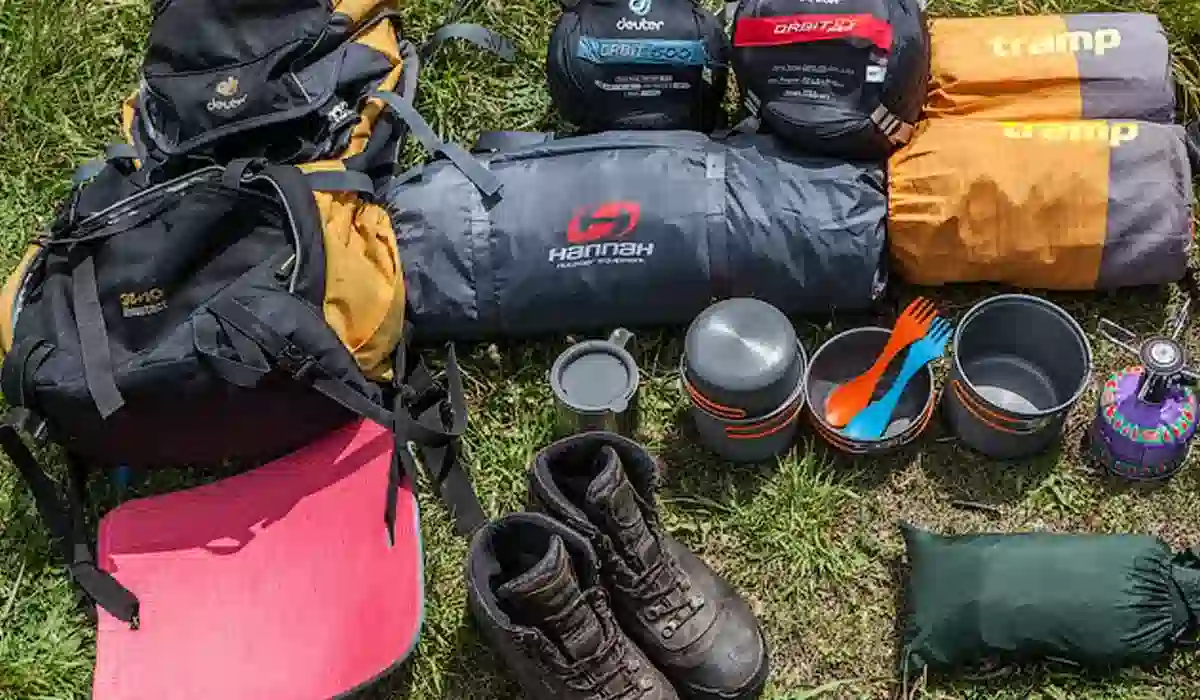
For a 7-day Kilimanjaro climb, pack for rain, strong sun, cold nights and a freezing, windy summit attempt. Your core kit should include a layered clothing system, waterproof outerwear, broken-in trekking boots, warm gloves and headwear, a cold-weather sleeping bag, headlamp, trekking poles, sun protection, reusable water containers, personal medication and travel documents. Keep only the items you need while walking in your daypack; the rest goes in your porter duffel.
Jaynevy Tours uses this list as a practical planning guide. Your final requirements can change with route, season, package inclusions, personal needs and equipment availability, so we confirm the final checklist during your pre-climb briefing. If you are still comparing routes, see our Machame Route guide and our 7-day Machame Route climb.
7-Day Kilimanjaro Packing List at a Glance
The easiest way to pack is to separate your equipment into four groups: what you wear, what you carry each day, what goes in the porter duffel, and documents or personal items that must stay protected. This prevents overpacking and makes summit-night preparation much easier.
| Category | Pack These Items | Where to Keep Them | Why They Matter |
|---|---|---|---|
| Walking layers | Base layer, hiking shirt, fleece or warm mid-layer, waterproof jacket and trousers | Wear / daypack | Lets you adjust quickly as temperature, wind and rain change |
| Summit warmth | Thermal layers, insulated jacket, warm gloves, beanie or balaclava | Daypack on summit night | Protects against severe cold and wind at high altitude |
| Footwear | Broken-in waterproof trekking boots, hiking socks, gaiters if preferred, camp shoes | Wear / porter duffel | Reduces avoidable foot problems on long, wet or dusty trail sections |
| Walking equipment | 30–40 L daypack, rain cover or liner, trekking poles, headlamp, water system | Carry daily | Keeps essential gear accessible between camps |
| Camp equipment | Cold-weather sleeping bag, dry bags or waterproof liners, personal nightwear | Porter duffel | Helps you stay warm and keep dry gear available for the next day |
| Health and personal care | Personal medication, blister care, sunscreen, sunglasses, lip balm, toiletries, hand sanitiser | Daypack / duffel | Supports comfort, hygiene and sun protection throughout the climb |
| Documents | Passport, insurance details, booking information and emergency contacts | Waterproof pouch | Needed for travel, check-in and emergency reference |
How Your Kilimanjaro Gear Changes as You Climb
You will not wear the same clothing combination for all seven days. The lower mountain can be mild, humid and wet, while exposed high camps and summit night can be much colder and windier. Pack so that your guide can help you add or remove layers as conditions change rather than relying on one fixed outfit.
| Mountain Section | Typical Packing Priority | Keep Accessible |
|---|---|---|
| Lower slopes and forest | Breathable hiking layers plus reliable rain protection | Waterproof jacket, waterproof trousers, pack liner, sun protection |
| Heath and moorland | Flexible layers for cooler air, wind and changing cloud | Warm mid-layer, shell jacket, gloves or hat if needed |
| Alpine and high camps | More insulation as temperatures fall and exposure increases | Fleece, insulated jacket, warm hat, gloves and dry layers |
| Summit night | Full cold-weather system with lighting and wind protection | Thermals, insulation, waterproof shell, headlamp, warm gloves, water and snacks |
Weather can change quickly at altitude, so treat this as a layering guide rather than a forecast. Keep waterproofs and at least one warm layer in your daypack even when the morning starts clear.
Kilimanjaro Clothing: Build a Layering System
Do not pack one heavy outfit for the whole climb. Kilimanjaro is better managed with several layers that can be added or removed as conditions change. Lower elevations can feel warm and humid, while early mornings, evenings and summit night can be very cold.
Base Layers
Pack moisture-managing tops and thermal leggings that sit comfortably against the skin. Synthetic or merino fabrics are more practical than cotton because cotton stays wet longer and can become uncomfortable when temperatures drop.
- 2–3 moisture-wicking hiking tops
- 1–2 thermal long-sleeve base layers
- 1–2 thermal leggings for cold evenings and summit night
- Comfortable underwear suitable for several days of trekking
Mid-Layers and Insulation
Your mid-layer traps warmth without replacing the need for a waterproof shell. A fleece or similar insulating layer works for many trekking days; summit night normally needs additional insulation.
- Warm fleece or equivalent mid-layer
- Insulated down or synthetic jacket for cold camps and summit night
- Optional light insulating vest if you already use one comfortably
Waterproof and Windproof Outer Layers
A waterproof jacket and waterproof trousers are essential even in commonly drier travel periods. Rain can affect the forest zone, while wind and snow are possible higher on the mountain. Your outer layers should fit over your warm clothing without restricting movement.
- Waterproof, breathable shell jacket
- Waterproof over-trousers
- Pack cover plus waterproof liner or dry bags
Footwear for a 7-Day Kilimanjaro Trek
Use trekking boots that are already broken in before you arrive in Tanzania. Fit matters more than brand. Your boots should give stable ankle support, have suitable trail grip and leave enough room for warm socks without squeezing your toes on descents.
- Water-resistant or waterproof trekking boots
- Several pairs of hiking socks, including warmer pairs for high camps
- Optional gaiters for mud, dust, small stones or snow
- Light camp shoes for use after the day's hike
Do not make summit night the first time you wear new boots, new insoles or a new sock combination. Test the complete setup during training hikes.
Daypack vs Porter Duffel: What Goes Where?
Your daypack should hold everything you may need before reaching the next camp; your porter duffel carries the rest. A daypack around 30–40 litres is usually practical. Jaynevy's current guest-packing guidance uses a 15 kg personal duffel planning limit, while TANAPA's published park rules state that a porter may carry a maximum total load of 20 kg during mountain climbing. These are not the same figure: your guest-duffel allowance may be lower than the porter's total load limit, so follow the allowance confirmed in your pre-climb instructions.
| Daypack — Carry Yourself | Porter Duffel — Access at Camp |
|---|---|
| Water and snacks | Sleeping bag and night clothing |
| Waterproof jacket and trousers | Spare clothing and socks |
| Warm layer | Toiletries and non-daily items |
| Sun protection and sunglasses | Camp shoes |
| Personal medication | Extra batteries and backup items |
| Camera or phone | Items not required until camp |
Keep both bags waterproof internally. A rain cover alone may not protect contents in prolonged rain, so dry bags or heavy-duty waterproof liners are useful for sleeping clothes, summit layers and electronics.
What to Pack for Kilimanjaro Summit Night
Summit night is the point when warm layers, lighting and easy access matter most. Prepare your summit kit before you rest at Barafu Camp so that you are not searching through bags in the dark.
- Thermal top and leggings
- Warm fleece or mid-layer
- Insulated jacket
- Waterproof and windproof jacket and trousers
- Warm beanie, balaclava or neck protection
- Liner gloves plus insulated outer gloves
- Headlamp with spare batteries
- Trekking poles
- Sunglasses for the descent after sunrise
- Water carried in containers that can be protected from freezing
- Easy-to-eat snacks you have already tested during training
Summit conditions vary. Your guide may recommend changes to the number of layers you wear based on wind, temperature and your personal comfort.
Sleeping and Camp Gear
A warm, correctly rated sleeping bag is one of the most important items in your porter duffel. Nights become progressively colder as you gain elevation. Choose a bag suitable for cold high-altitude camping and make sure you understand whether the temperature shown by the manufacturer is a comfort rating or a lower-limit rating.
- Cold-weather sleeping bag suitable for your season and route
- Sleeping bag liner if you prefer extra warmth or hygiene
- Dry bag or waterproof sack for sleeping gear
- Light sleepwear reserved for camp
- Earplugs if you are sensitive to campsite noise
Before buying or renting a sleeping bag, check what sleeping equipment is already included in your package. If you need rental equipment, ask us before arrival so the exact item, availability and cost can be confirmed.
Water, Snacks and Eating on the Trail
Carry enough reusable water capacity for the quantity your guide asks you to take between camps. A combination of bottles and a hydration bladder can be useful because bottles remain easier to manage if a hydration hose becomes cold or stops flowing.
- Reusable bottles and/or hydration bladder with roughly 2–3 litres total capacity
- Insulated sleeve or bottle cover if you have one for summit night
- Small selection of familiar high-energy snacks
- Electrolyte products only if you already tolerate and use them
Do not rely on snacks as a substitute for the meals arranged on the mountain. Bring modest quantities of foods you know you can eat when tired or at altitude.
Personal Care, Sun Protection and Medication
Keep personal medication and basic health items in a place you can reach without the porter duffel. Sun exposure is strong at altitude, and dry air, dust and cold wind can affect skin and lips.
- High-SPF sunscreen and SPF lip balm
- UV-protective sunglasses
- Personal prescription medication
- Blister treatment and simple personal first-aid items
- Hand sanitiser and wet wipes
- Toothbrush, toothpaste and minimal biodegradable toiletries
- Small quick-dry towel
- Menstrual products where required
Altitude medication such as acetazolamide (Diamox) should be discussed with a qualified medical professional before travel. Do not start prescription medication solely because it appears on a packing list. Tell your guide about relevant medicines and medical information during your briefing.
Electronics and Power on Kilimanjaro
Plan to be self-sufficient for charging while on the mountain. A phone or camera plus a reliable power bank is simpler than carrying multiple electronics. Cold conditions can reduce battery performance, especially around summit night.
- Phone or camera
- Power bank and correct charging cables
- Spare camera batteries where relevant
- Headlamp batteries kept separately as backup
- Waterproof pouch or dry bag for electronics
Switch devices to low-power or airplane mode when you do not need connectivity. Keep batteries close to your body in very cold conditions.
Travel Documents and Money
Keep essential travel documents together in a waterproof pouch and carry copies separately. Your exact entry, insurance and payment requirements can depend on nationality and booking arrangements, so use your written pre-departure information rather than relying on old screenshots or third-party lists.
- Passport and required travel documents
- Visa or entry documentation applicable to your nationality
- Travel insurance policy details and emergency contact information
- Jaynevy Tours booking confirmation and emergency contact details
- Payment method and modest personal cash according to your travel plan
What Should You Leave Out of Your Kilimanjaro Bag?
The most common packing mistake is carrying too much. Heavy duplicates do not improve safety if the essential layering system is already complete. Prioritise dry, warm and functional gear that you have tested.
- Multiple heavy cotton outfits
- Large hard suitcases for the mountain
- Unnecessary electronics
- Large quantities of food already provided by your trek
- New boots that have never been worn on a training hike
- Valuables you do not need during the climb
Can You Rent Kilimanjaro Gear in Moshi?
Yes, some Kilimanjaro trekking equipment can be rented in Moshi, but you should confirm availability before you depend on it. Sizes, brands, condition and prices can change. We recommend bringing your own well-fitting boots and personal clothing wherever possible, then using rentals for items that are practical to source locally.
Send us your rental needs before arrival. We can confirm what is available, what is already included in your package and any additional cost in your written quotation or pre-climb information.
Final 24-Hour Kilimanjaro Packing Check
On the day before your climb, focus on fit, waterproofing, weight and summit-night readiness. A short final check is more useful than adding last-minute items.
- Weigh your porter duffel and keep it within your confirmed allowance.
- Test your headlamp and pack spare batteries.
- Check that rain layers are easy to reach in your daypack.
- Separate dry sleep clothing and summit layers in waterproof bags.
- Fill or prepare your water containers according to your guide's instructions.
- Confirm personal medication, passport and insurance details.
- Wear the same boots and sock system you used during training.
For a shorter last-day check, use our 24-hour Kilimanjaro preparation guide. For the broader version that works across routes, see our complete Kilimanjaro packing list.
How Packing Changes by Season and Route
The core gear list stays similar, but the amount of rain protection and insulation you use can vary with season, route and current conditions. A seven-day Machame trek includes rainforest, exposed high-altitude terrain and a camping-based summit approach, so waterproofing and warm camp gear remain important even when the forecast looks favourable.
Before choosing travel dates, review our Kilimanjaro month-by-month guide. If you are still choosing a climbing package, compare our Kilimanjaro climbing packages.
Frequently Asked Questions About the 7-Day Kilimanjaro Packing List
What should I pack for a 7-day Kilimanjaro climb?
Pack a layering system, waterproof jacket and trousers, broken-in trekking boots, warm summit-night clothing, a cold-weather sleeping bag, headlamp, trekking poles, sun protection, a reusable water system, personal medication, toiletries and travel documents. Keep daily essentials in your daypack and the rest in your porter duffel.
How heavy should my porter duffel be on Kilimanjaro?
Use 15 kg as Jaynevy's current planning limit for your personal guest duffel unless your written pre-climb instructions state a lower allowance. TANAPA's published park rules set 20 kg as the maximum total load a porter may carry during mountain climbing, so the guest-duffel figure and the porter's total load limit should not be treated as the same number.
What size daypack is suitable for a 7-day Kilimanjaro trek?
A daypack of about 30–40 litres is practical for water, rain gear, warm layers, snacks, sun protection, a camera or phone and personal medication. Choose one that fits comfortably and has a rain cover or waterproof liner.
Do I need a waterproof jacket and trousers on Kilimanjaro?
Yes. Waterproof outer layers are important because rain can occur on the lower slopes and wind, snow or moisture can affect higher elevations. Pack a waterproof jacket and waterproof trousers that fit over your insulating layers.
What do I need for Kilimanjaro summit night?
Summit-night essentials include thermal base layers, warm mid-layers, an insulated jacket, waterproof and windproof outer layers, warm gloves, a beanie or balaclava, headlamp with spare batteries, trekking poles, sunglasses, water and high-energy snacks.
Can I rent Kilimanjaro equipment in Moshi?
Some trekking equipment can be rented in Moshi, but availability, sizes, condition and price vary. Tell Jaynevy Tours what you need before arrival so we can confirm available rental items and any additional cost in writing.
Should I take Diamox for Kilimanjaro?
Diamox (acetazolamide) is a prescription medicine and is not suitable for everyone. Discuss altitude medication with a qualified medical professional before travel, and tell your mountain guide about any medicines or relevant medical information during your pre-climb briefing.